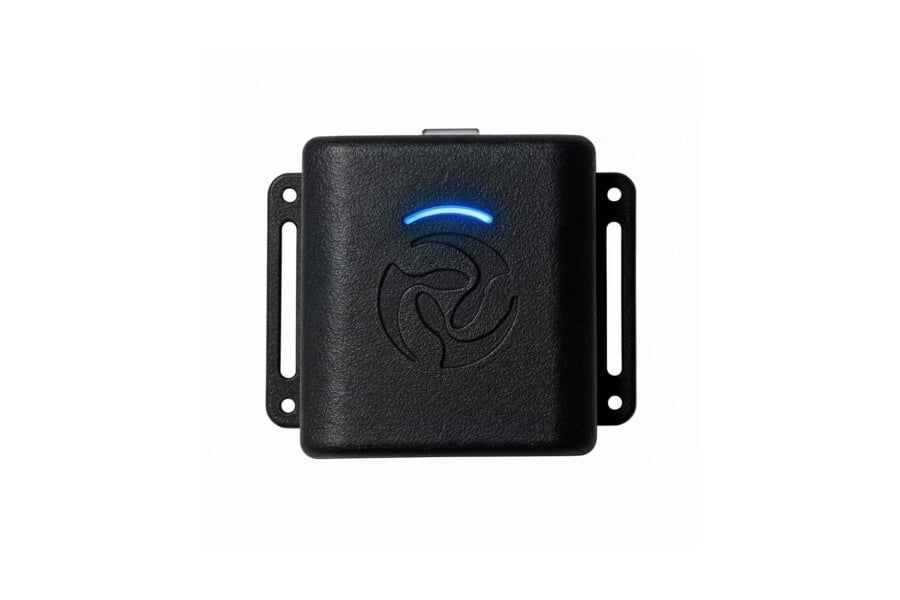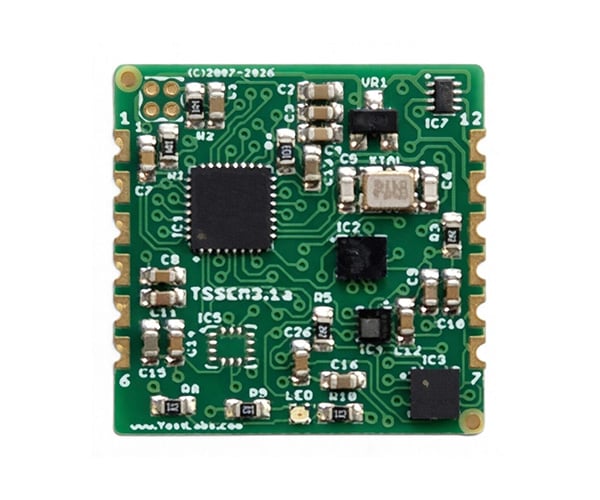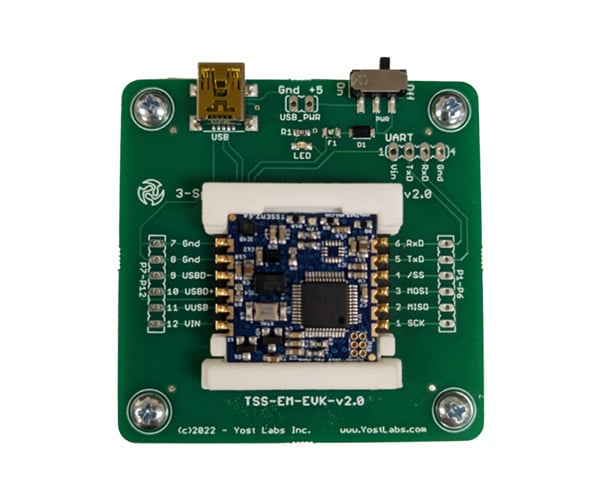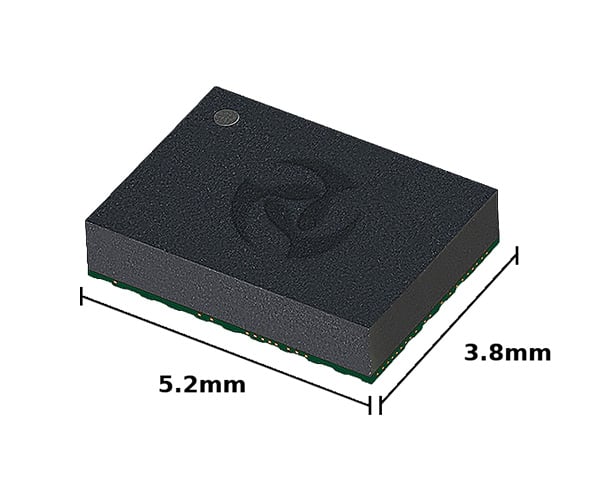



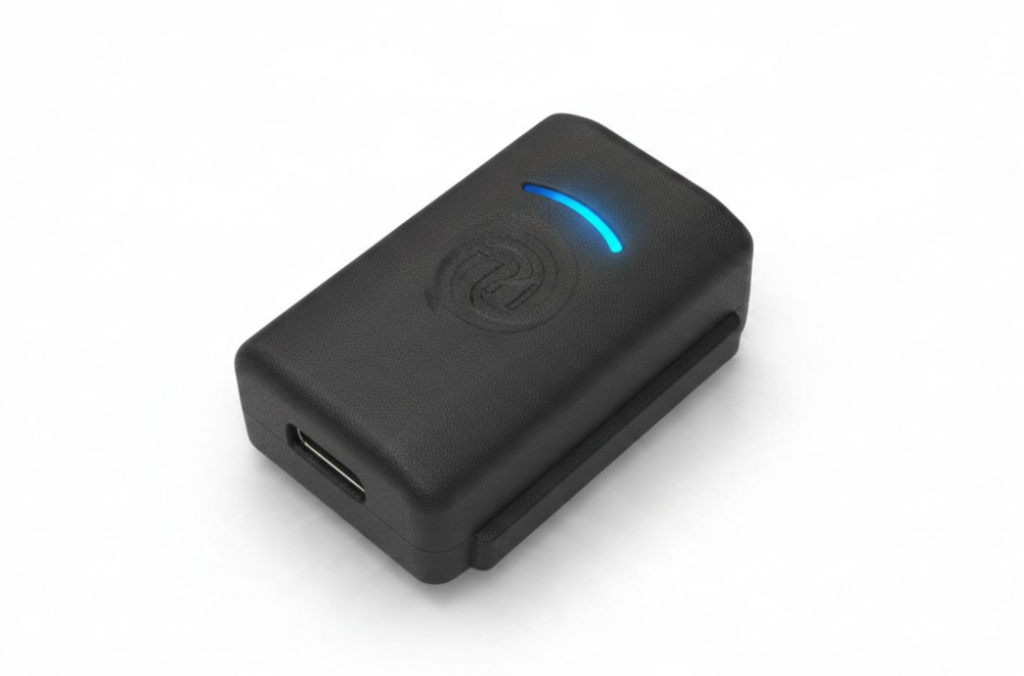
Yost Labs has introduced the 3-Space Sensor Data-logging Link Mini 3.1, a compact, high-performance orientation sensing and data-logging system designed to support navigation, tracking, motion analysis and situational awareness applications across unmanned systems.
Part of the company’s DL3 Data-logging family, the miniature unit integrates an Attitude and Heading Reference System (AHRS), Inertial Measurement Unit (IMU) and Vertical Reference Unit (VRU) with microSD storage, Bluetooth Low Energy (BLE) 5.4 connectivity, USB-C communications and a rechargeable lithium-polymer battery.
Measuring 27.0 x 39.7 x 12.7mm and weighing just 12g, the system provides a lightweight sensing solution for platforms where space and payload capacity are important considerations. Its sensor update and filtering rates reach up to 2000Hz, supporting high-dynamic applications such as motion capture, kinematic performance analysis and navigation.
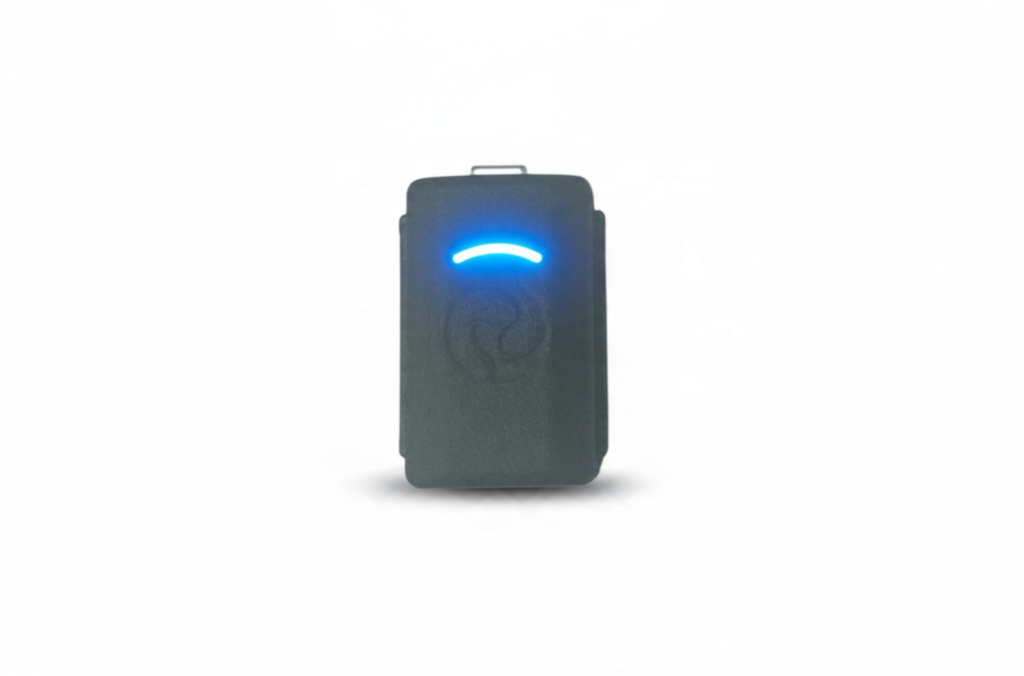
The AHRS combines triaxial gyroscopes, auto-selecting dual accelerometers and compass sensors with Yost Labs’ quaternion-based orientation filtering algorithms to calculate orientation relative to an absolute reference in real time. Outputs are available in multiple formats, including quaternion, Euler angles, rotation matrix, axis-angle and two-vector, with both absolute and relative orientation supported.
For GPS-denied environments, the system also incorporates Yost Labs’ Extended Embedded Pedestrian Tracking System (EEPTS), which enables real-time motion-path extraction from body-worn devices or hand-carried equipment without GPS or other external infrastructure. An integrated World Magnetic Model provides heading and bearing references to true north, magnetic north or grid north.
The Data-logging Link Mini supports both real-time and recorded data access through USB and wireless BLE connectivity. Its removable microSD card enables configurable event-based and time-based logging, while a built-in real-time clock and calendar provide high-resolution time-stamped data collection.
Potential applications across the unmanned systems sector include tracking unmanned air, land and maritime vehicles, navigation and compassing, motion analysis, vibration monitoring and research data collection. The combination of high-speed sensing, onboard processing and integrated storage provides developers with a portable platform for capturing orientation and movement data in a range of operational environments.