Discover World-Leading Unmanned and Autonomous Technologies
Discover cutting-edge solutions from leading global suppliers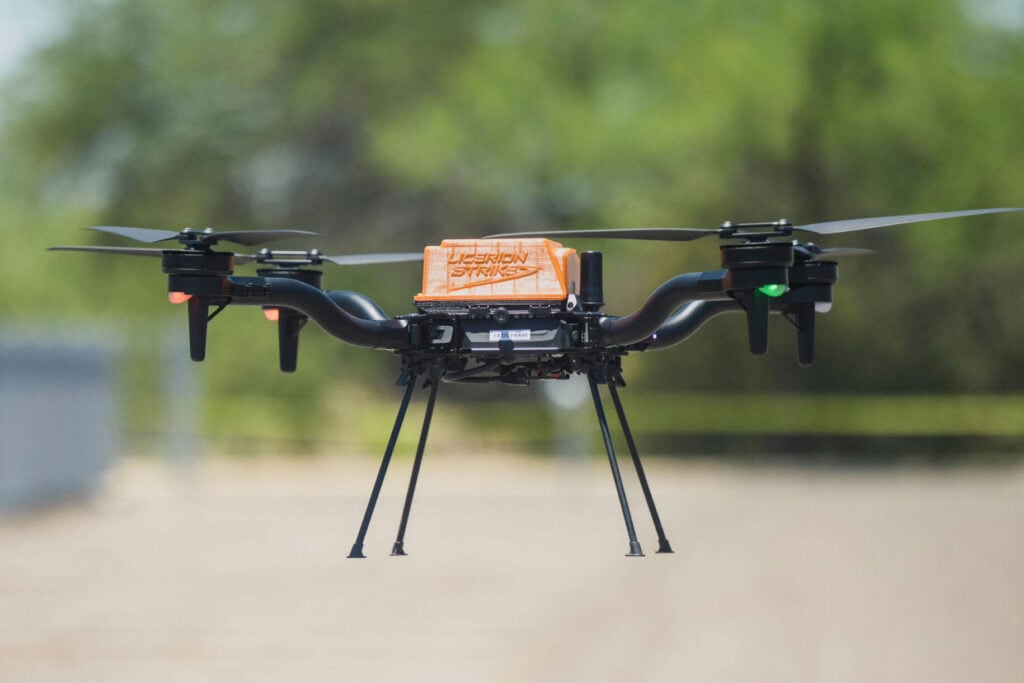
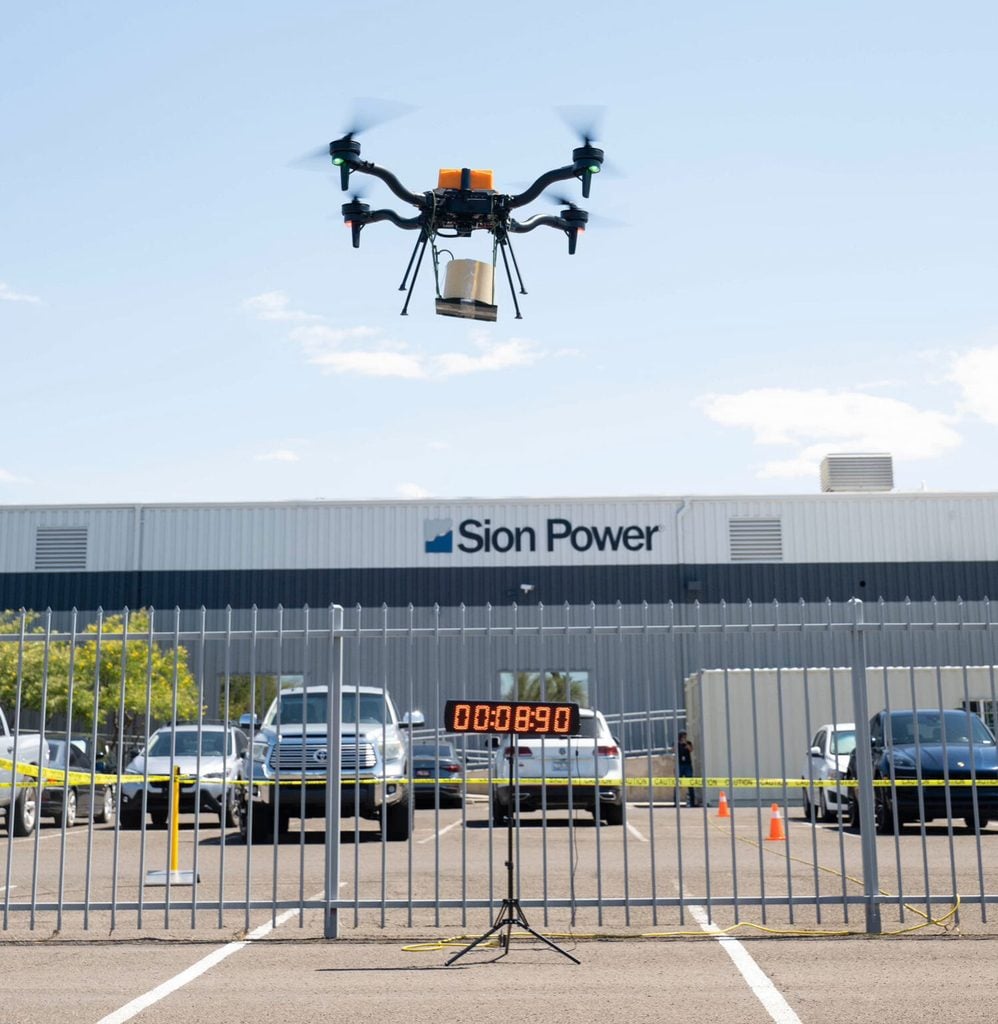
Sion Power has completed flight testing of its Licerion Strike lithium-metal battery pack on the Astro Max unmanned aircraft platform, demonstrating a 140 percent increase in pack-level energy density over conventional lithium-ion batteries and reaching a full hour of mission endurance.
Conducted under identical operating conditions with various payloads, the head-to-head evaluation compared the Licerion Strike against an SL8 lithium-ion battery pack. Despite the significant jump in performance, the new battery pack maintains the same form factor as the incumbent system, enabling a direct drop-in replacement without requiring airframe redesigns or major platform modifications.
Pamela Fletcher, Chief Executive Officer of Sion Power, commented, “Delivering 140% more pack-level energy density than conventional lithium-ion is what unlocks performance gains like this. Reducing system weight while increasing available energy is how you get to 1 hour of mission endurance. Our team delivered that, and Licerion Strike is ready to deploy.
“Energy is the constraint that shapes every tradeoff on a UAS platform. When you solve it at the pack level, operators have choices they didn’t have before: longer ISR windows, heavier sensors, more capable electronics, all without changing the aircraft.”
The comparative testing highlighted substantial improvements across all key parameters. Energy density rose from 151 Wh/kg in the conventional lithium-ion battery to 364 Wh/kg for the Licerion Strike, while pack mass dropped from 2.10 kg down to 1.30 kg. Additionally, peak discharge capability increased from 120 A to 200 A, pack capacity expanded from 14.6 Ah to 20.6 Ah, and flight time expanded from 33 minutes to 60 minutes.
The gain in energy density directly addresses growing operational demands on unmanned platforms, where onboard artificial intelligence processing, autonomous navigation, secure communications, and electronic warfare payloads compete with propulsion systems for available power. Beyond extending hover time and range, the higher energy budget allows operators to carry heavier sensors and execute enhanced maneuvering.
With target applications spanning unmanned aerial systems, loitering munitions, ISR platforms, autonomous logistics drones, high-altitude and space platforms, and autonomous maritime systems, the technology aligns closely with domestic defense requirements. “The National Defense Authorization Act establishes the U.S. Department of War’s mandate to build a domestic battery supply chain,” said Mitch Hourtienne, chief commercial officer at Sion Power. “With more than 25 years of lithium-metal research and development and a Tucson-based manufacturing platform, Sion Power is strategically positioned to support this initiative and meet market demand.”