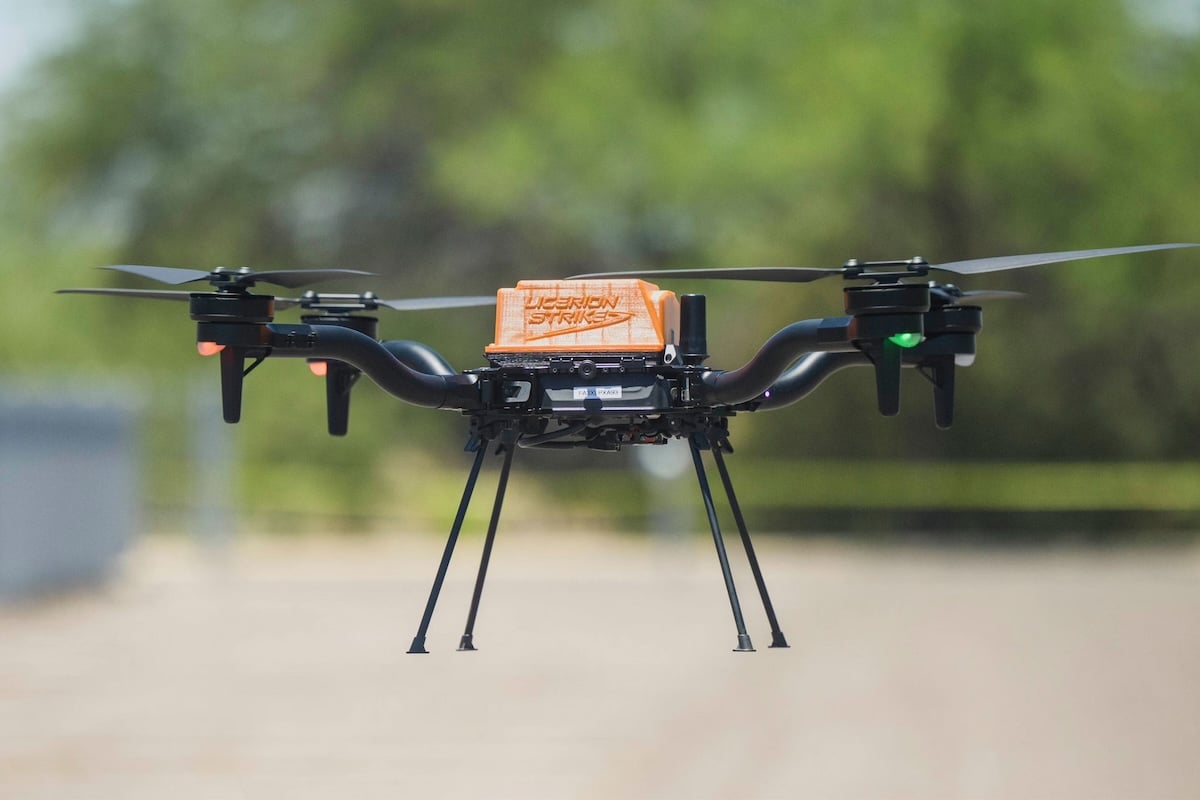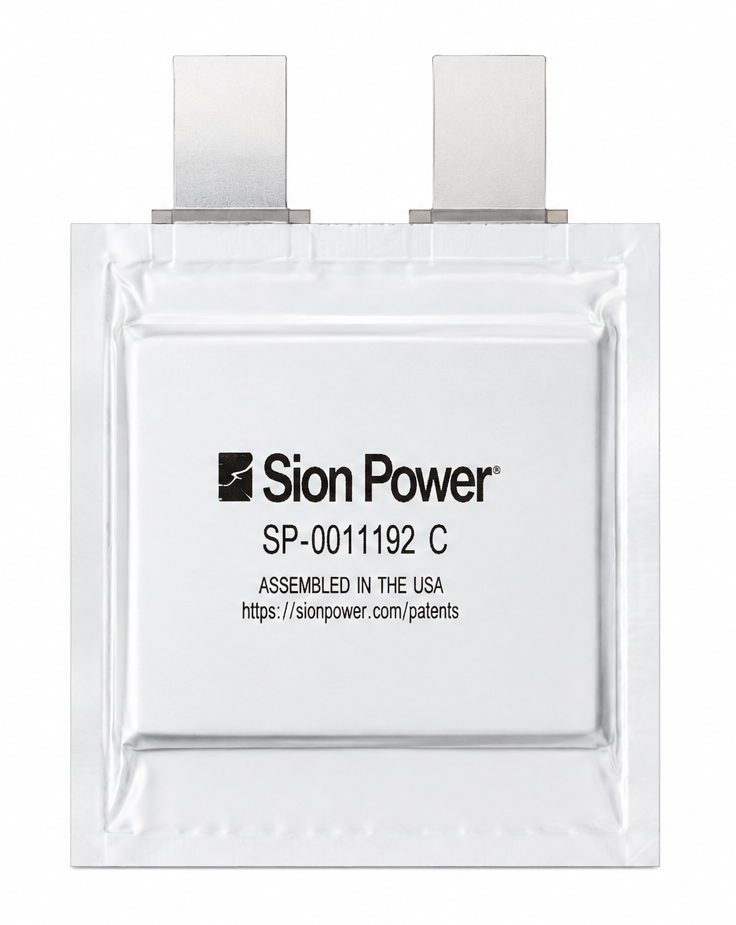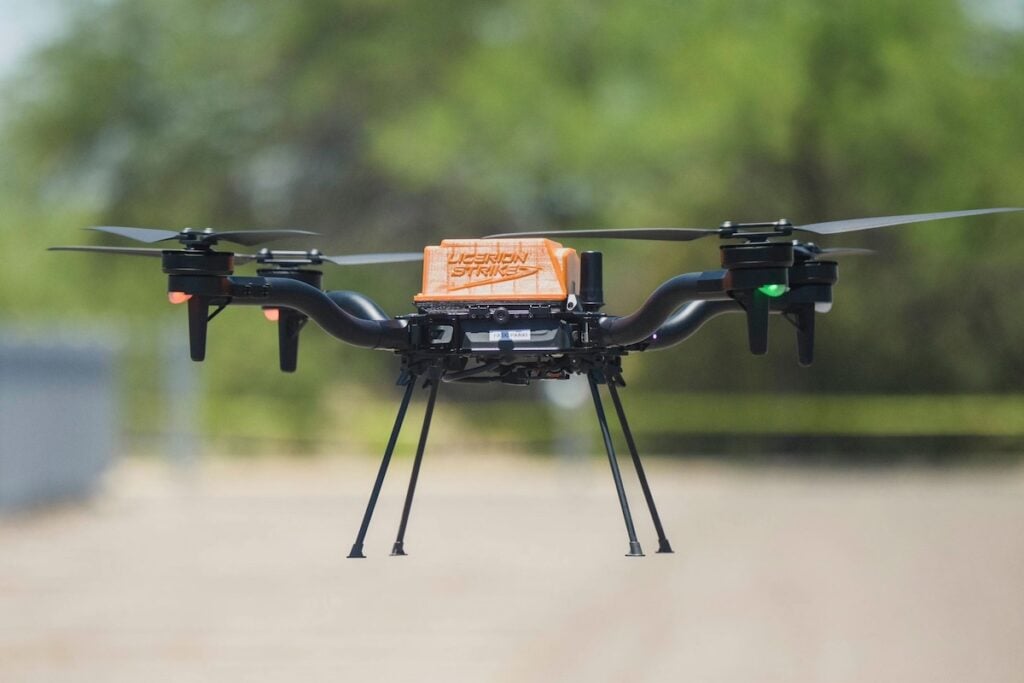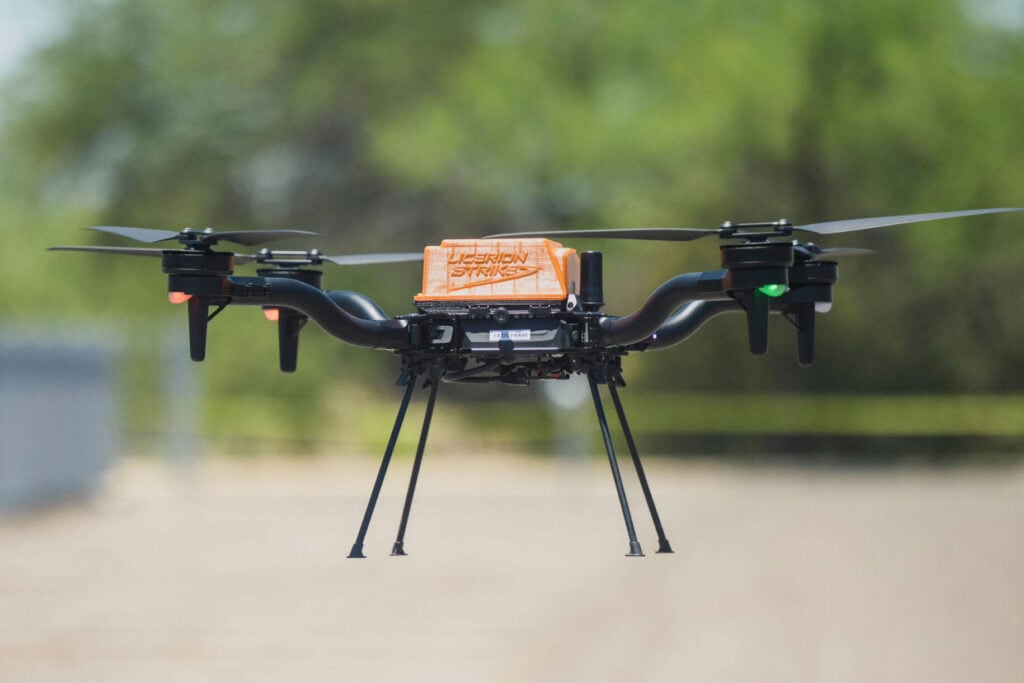
Sion Power, a developer of next-generation battery technology, has introduced two new purpose-built lithium-metal battery cells designed to deliver an energy density exceeding 500 Wh/kg for unmanned military systems.
The new lithium-metal anode chemistry surpasses the energy density of the latest advancements in lithium-ion cells by more than 50 percent. This allows combat drones to operate from lighter airframes while flying two to three times longer, carrying over 50 percent more payload, and reducing overall battery system weight by more than 30 percent. As unmanned platforms take on broader roles such as reconnaissance, strike missions, logistics, and swarm operations, the available energy per unit of battery weight serves as a direct determining factor for platform capability.
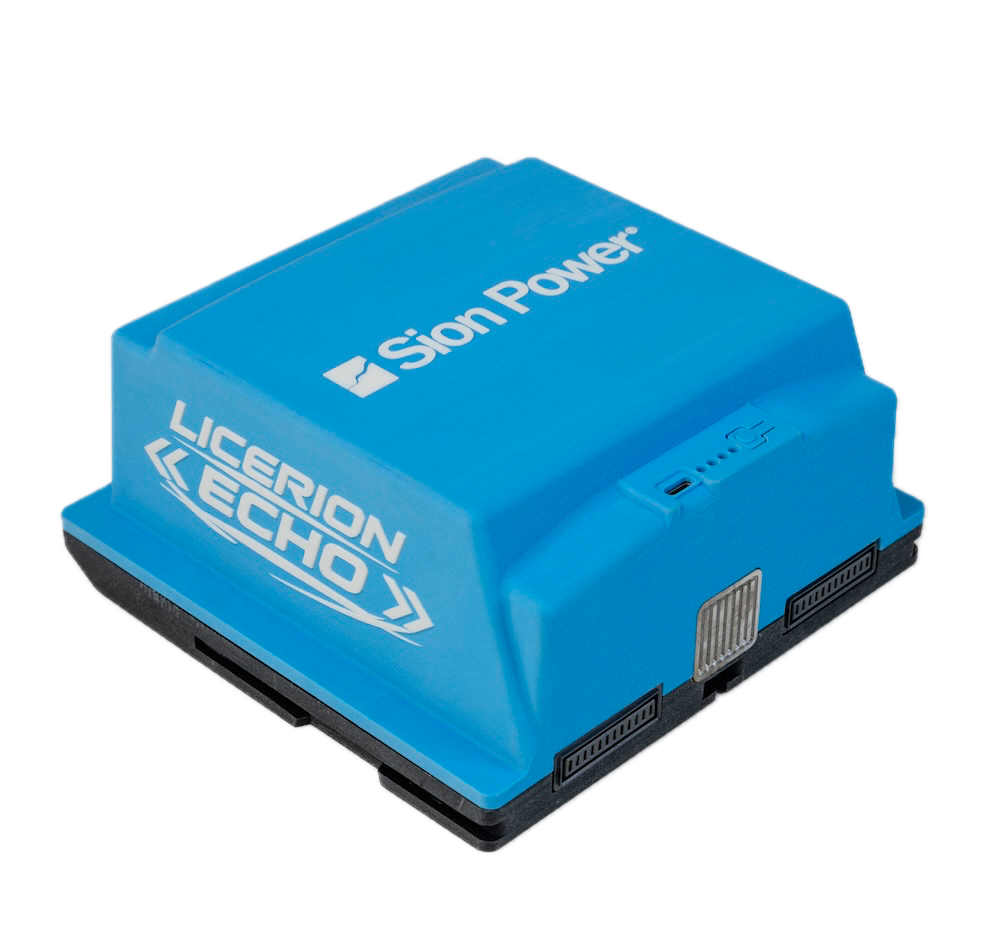
To address specific modern warfare applications, the technology is divided into two distinct products. The Licerion Strike is a high-performance primary cell tailored for loitering munitions, tube-launched intelligence, surveillance, and reconnaissance assets, high-speed drones, and one-way attack platforms. It features a 6C discharge rate to support aggressive maneuvers and high-power terminal sequences without experiencing thermal derating. The rechargeable variant, Licerion Echo, is engineered for fixed-wing aircraft, high-altitude long-endurance configurations, maritime surveillance, and autonomous swarm elements that operate without forward-charging infrastructure.
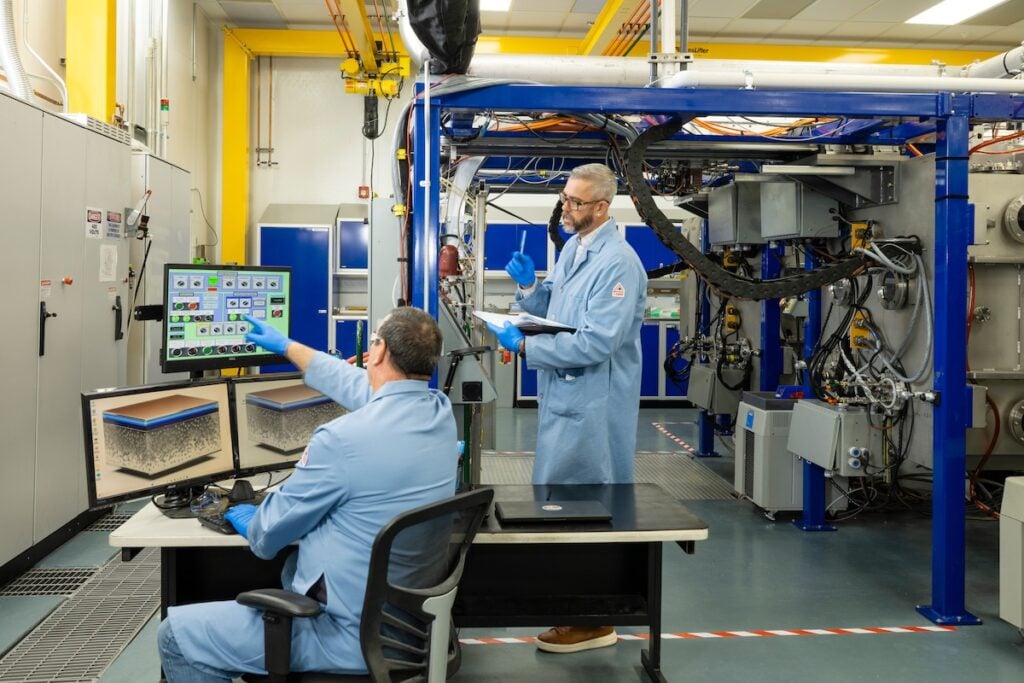
Developed and manufactured in Tucson, Arizona, Sion Power serves as one of the few domestic sources of advanced battery technology at this performance level. This aligns directly with National Defense Authorization Act sourcing requirements and ongoing efforts to reduce dependence on foreign-controlled supply chains.
Pamela Fletcher, CEO of Sion Power, commented, “Every major drone program today is battery-constrained, and adversaries know it. You can optimize the airframe, the sensor, the autonomy stack, but if the energy budget runs out, the mission fails. The lithium-ion plateau is real, and the industry has been incrementally improving a 30-year-old chemistry while mission requirements have outpaced it. Licerion Strike and Echo were built from first principles to solve a different physics problem entirely, and doing it here in the United States, at scale.”
The company is currently engaged with aerospace and defense partners on system integration, product demonstrations, and qualification programs. Initial shipments of the new cells are expected to begin in the third quarter of 2026.