HP MJF for Unmanned Systems
Deep Trekker SPECTRA
General Atomics Aeronautical Systems, Inc

GA‑ASI’s Advanced Cockpit Ground Control Station Flies Predator C Avenger UAS

By Caroline Rees / 25 Apr 2013
Follow UST
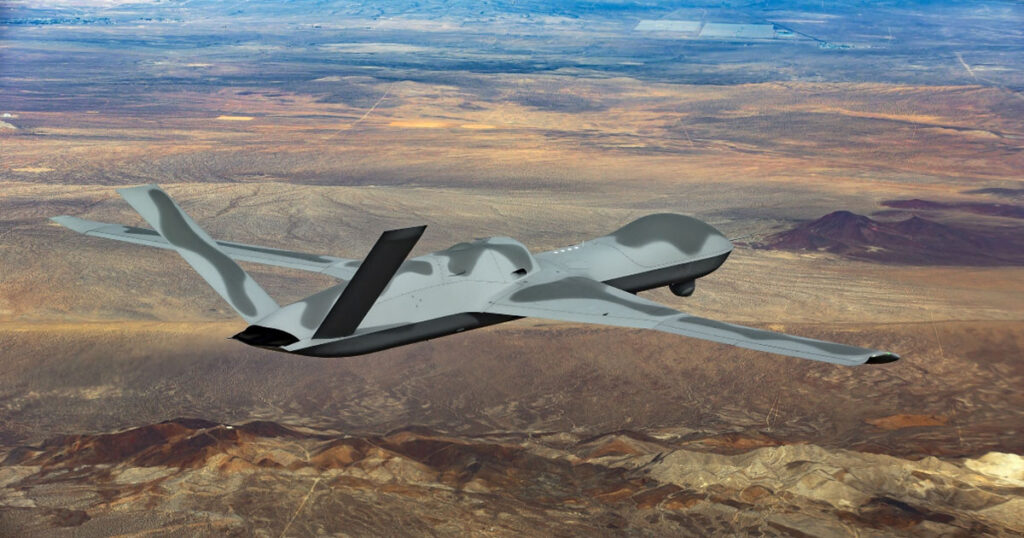
Predator C Avenger UAS

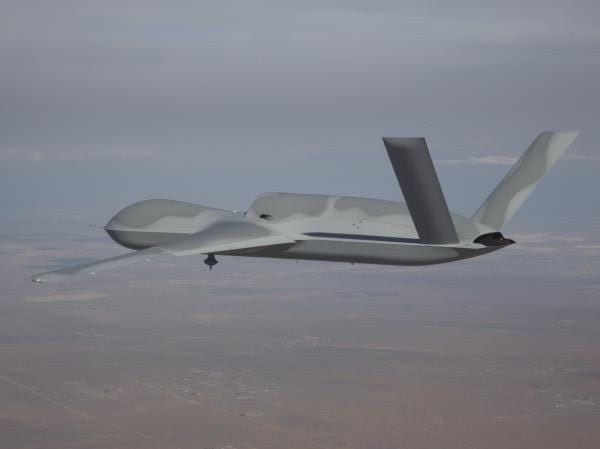
Predator C Avenger UAS

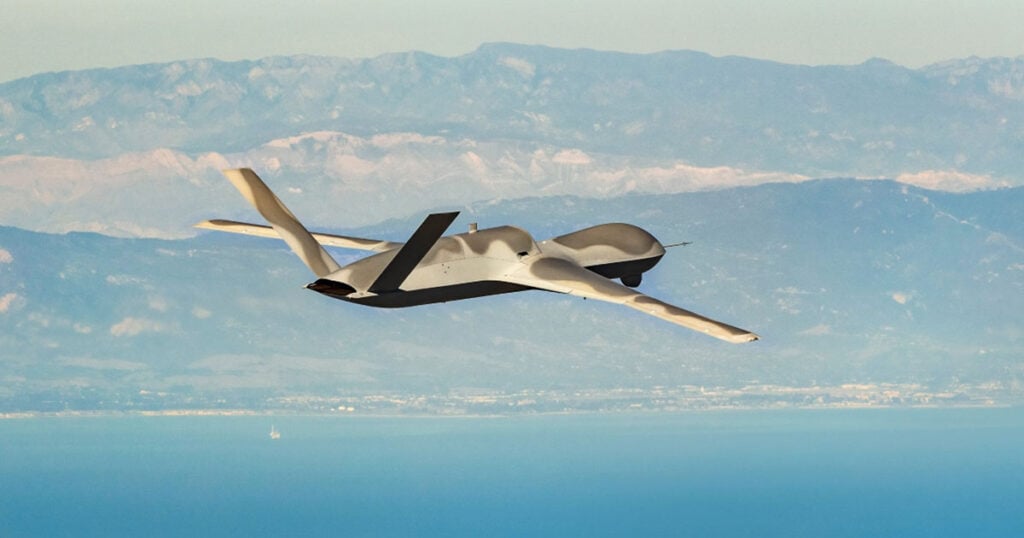
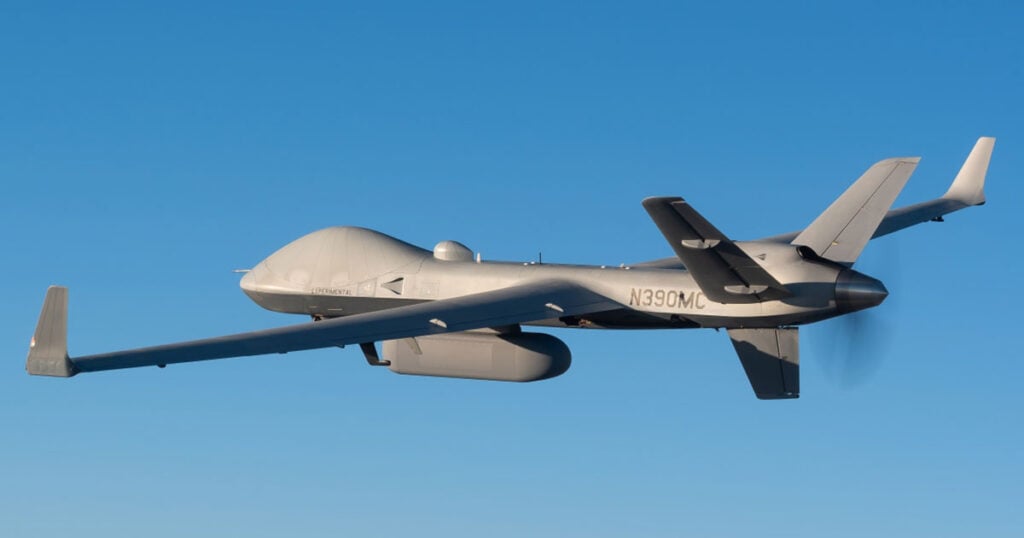
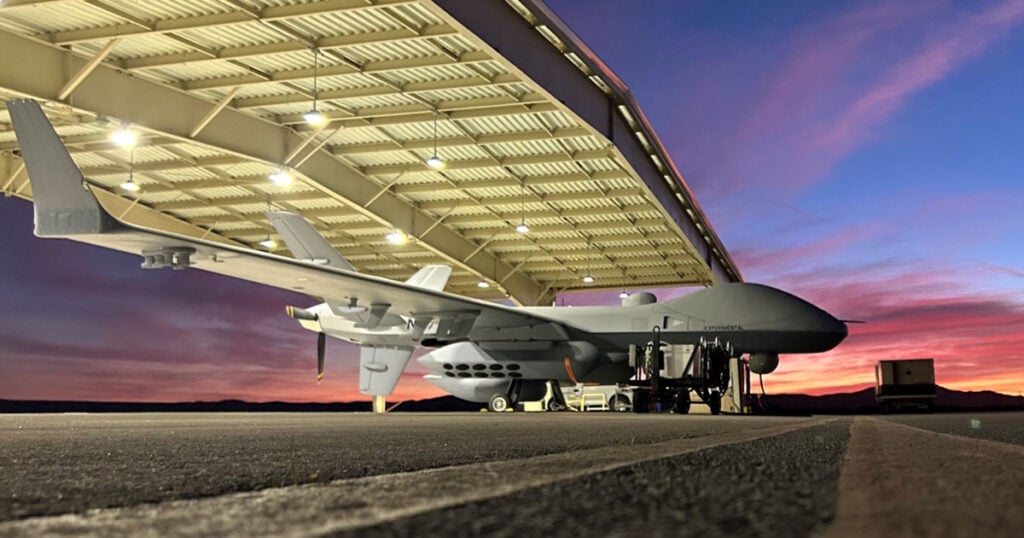
General Atomics Aeronautical Systems, Inc. (GA‑ASI), a leading manufacturer of Remotely Piloted Aircraft (RPA), tactical reconnaissance radars, and electro-optic surveillance systems, has announced that it has successfully demonstrated its Advanced Cockpit Ground Control Station’s (GCS’) capability to fly Predator C Avenger®. The flight occurred November 15, 2012 at the company’s Gray Butte Flight Operations Facility in Palmdale, Calif.

“This flight paired our most advanced GCS with our most advanced aircraft”, said Frank W. Pace, president, Aircraft Systems Group, GA-ASI. “Since 1994, our GCS have amassed over two million flight hours. The Advanced Cockpit is the next logical step in GCS progression. Our objective with this GCS is to fully satisfy customer interoperability requirements, enabling any GA-ASI RPA to be flown from the system.”

The goal of this Congressionally-directed, U.S. Air Force (USAF)-supported demonstration was to show that the Advanced Cockpit’s open systems software architecture adapts rapidly for other RPA operations. More than two years ago, the system successfully flew the MQ-1 Predator over a three-month period. In April 2012, the Advanced Cockpit flew the SARC-1 UAS under a jointly funded company effort with Strategic Simulation Solutions. This effort demonstrated the system’s ability to control third party RPA. This summer, the Advanced Cockpit is scheduled to fly Predator B/MQ-9 Reaper.

“Advanced Cockpit’s wrap-around visual display and multi-dimensional moving map dramatically increases situational awareness, while the integrated digital checklist decreases pilot workload,” said Jason McDermott, the test pilot who successfully handed off control of Avenger from GA-ASI’s legacy GCS to the Advanced Cockpit and controlled the flight during a 3-hour mission. “The combination of these unique features greatly increases the ease and simplicity of mission planning, reduces pilot workload, thereby increasing flight safety.”

GA-ASI’s Advanced Cockpit GCS is being designed in accordance with the U.S. Air Force’s Unmanned Aircraft System Command and Control Initiative to enable interoperability with all USAF RPA and the U.S. Department of Defense’s vision for GCS interoperability and commonality as outlined by the Office of the Secretary of Defense’s Unmanned Control Segment Working Group.

The Advanced Cockpit GCS features intuitive interfaces designed to make hazardous situations easier to identify, enhancing safety and improving the pilot’s reaction time and decision-making processes. Its ergonomic human-machine interface significantly improves situational awareness and reduces workload so the pilot can more effectively and efficiently accomplish his or her mission.


To learn more, visit the General Atomics Aeronautical Systems, Inc Partner Hub: Innovation Partner Hub
Posted by Caroline Rees Caroline co-founded Unmanned Systems Technology and has been at the forefront of the business ever since. With a Masters Degree in marketing Caroline has her finger on the pulse of all things unmanned and is committed to showcasing the very latest in unmanned technical innovation. Connect

More from General Atomics Aeronautical Systems, Inc

US Navy & GA-ASI Advance Autonomous Drone Swarm Mission Planning

GA-ASI and the US Navy have successfully integrated mission autonomy software with live aircraft to demonstrate real-time, autonomous fleet coordination and mission planning aligned with commander intent

Oct 07, 2026
Airborne Network Pod Tested on MQ-9B RPA for Emergency Response

GA-ASI and SoftBank have successfully flight-tested an innovative aerial communications payload on an MQ-9B drone to deliver vital mobile connectivity in emergency zones during disaster response operations

Oct 05, 2026
U.S. Navy Evaluates SeaGuardian UAS at NAS Whidbey Island

General Atomics Aeronautical Systems showcases the maritime MQ-9B SeaGuardian to naval leaders at NAS Whidbey Island, highlighting its role as a force multiplier alongside the P-8A Poseidon for fleet operations

Oct 02, 2026
USAF Takes Delivery of FQ-42 Vengeance Combat Jet at Creech AFB

General Atomics Aeronautical Systems, Inc. delivers another FQ-42 Vengeance uncrewed fighter to Creech Air Force Base, advancing autonomous flight testing and operational experimentation for the U.S. Air Force Collaborative Combat Aircraft program

Sep 23, 2026
GA-ASI & Hanwha Aerospace Prove Uncrewed Battlefield Short Field Capabilities

General Atomics Aeronautical Systems and Hanwha Aerospace successfully demonstrate the Mojave STOL uncrewed aircraft performing landing and takeoff operations under simulated live-fire combat conditions at a South Korean maneuver trail

Sep 18, 2026
GA-ASI & Tactical Air Support Demonstrate Advanced Human-Machine Teaming in Live Exercise

General Atomics Aeronautical Systems, Inc. and Tactical Air Support, Inc. successfully execute live flight testing of multi-ship infrared passive sensing and open architecture software to close tactical kill chains against airborne threats

Sep 17, 2026

THE WEEKLY eBRIEF

The latest unmanned systems news, straight to your inbox.

Get our weekly roundup of technology developments, new products and industry news.

By subscribing, you agree to receive the weekly UST eBrief newsletter from EchoBlue Ltd. Unsubscribe at any time using the link in every email. See our Privacy Notice.

Advancing Unmanned Systems Through Strategic Collaboration UST works with major OEMs to foster collaboration and increase engagement with SMEs, to accelerate innovation and drive unmanned systems capabilities forward.