

Sparrowhawk

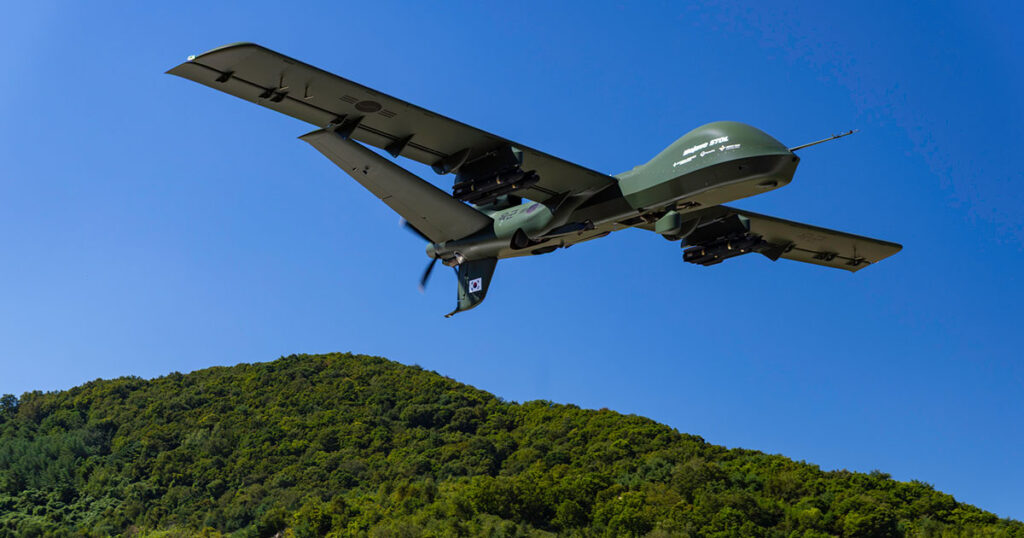
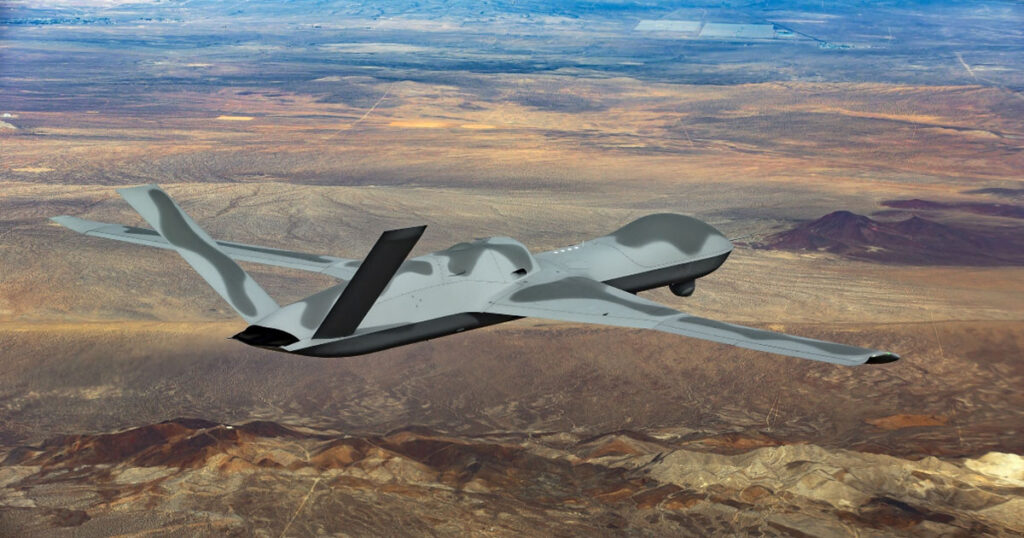
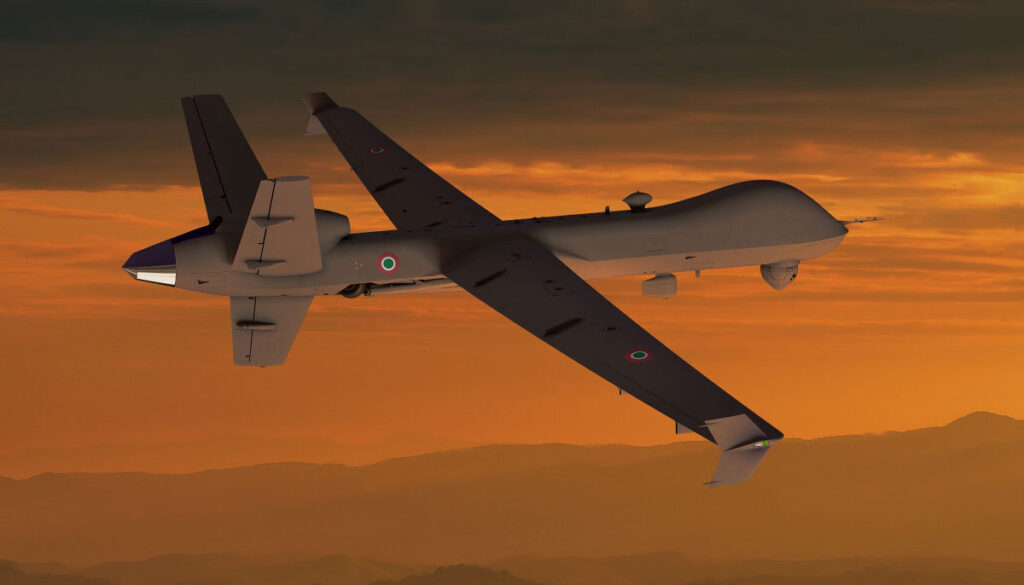
The Sparrowhawk is a small unmanned aircraft system (SUAS) designed to enhance ISR, SIGINT/ELINT, and jamming capabilities. It can be launched and recovered mid-flight by a larger unmanned aircraft like the MQ-9.
Follow UST

The Sparrowhawk is an advanced multi-mission, recoverable small UAS designed to be deployed from and retrieved by larger unmanned aircraft such as the MQ-9. Developed by GA-ASI, the Sparrowhawk extends the operational reach of remotely piloted aircraft by enabling expanded mission capabilities, collaborative autonomy, and distributed sensor networks across contested environments.

Unlike conventional sensor payloads, Sparrowhawk operates as an independent platform, executing surveillance, signals intelligence (SIGINT/ELINT), and electronic warfare missions before being retrieved in-flight by its host aircraft. This allows it to deliver actionable intelligence and operate as a force multiplier while maintaining low observability and survivability in highly contested areas.

Design and Deployment

Sparrowhawk is a compact and nimble SUAS, designed to be carried under the wing of a larger unmanned aircraft like the MQ-9, much like a sensor pod or external fuel tank. Once the host aircraft reaches an area of interest, Sparrowhawk is launched and begins independent operations, staying connected through secure communication links to provide real-time intelligence and electronic warfare support.

Its stealthy and low-altitude flight profile makes it difficult to detect, making it an ideal tool for penetrating adversary airspace while remaining attritable—designed for high-risk environments where recovery might not always be possible. However, when conditions permit, Sparrowhawk can rendezvous with its host aircraft, allowing it to be safely retrieved mid-air for redeployment or return to base.

Mission Capabilities

Sparrowhawk is engineered to provide multiple operational benefits, including:

  • Expanded Mission Capability – Conducting ISR, SIGINT/ELINT, and jamming missions to support larger UAS platforms.
  • Collaborative Autonomy – Operating as part of a distributed and networked UAV force.
  • Disaggregated Sensors – Deploying multiple assets for wider situational awareness across the battlespace.
  • Below-the-Weather Sensor Coverage – Flying beneath cloud cover for improved reconnaissance.
  • Attritable Sensor Deployment – Providing cost-effective intelligence in contested airspace.

This force-multiplying approach enhances both offensive and defensive air operations by increasing survivability, reducing risk to human-operated assets, and providing persistent battlefield coverage.

Operational Concept

  1. Deployment – Sparrowhawk is mounted on the MQ-9’s wing station like a payload.
  2. Launch – The MQ-9 reaches the area of interest and releases Sparrowhawk mid-flight.
  3. Independent Operations – Sparrowhawk performs ISR, SIGINT, ELINT, or electronic warfare missions.
  4. Rendezvous & Recovery – If required, Sparrowhawk returns to the MQ-9, which retrieves it mid-air.
  5. Continued Mission – The MQ-9 can return to base or launch another Sparrowhawk from its second wing station.

By integrating launch-and-recovery capability, Sparrowhawk offers an innovative way to extend unmanned mission effectiveness without the need for additional ground infrastructure.

Sparrowhawk Specifications

Wingspan
14.0 ft
Length
10.8 ft
Weight
500 lbs
Speed
80-150 KTAS
Altitude
25,000 ft
Range
500 nm
Endurance
10+ hours
Fuel Type
JP-8
Propulsion
Hybrid Electric
Payload Options
Imaging radar, SIGINT/ELINT, Jamming
Imaging Sensor
Day/night with laser designator
Recovery System
Integrated in-flight retrieval
To learn more, visit the General Atomics Aeronautical Systems, Inc Partner Hub: Innovation Partner Hub
Posted by General Atomics Aeronautical Connect

More from General Atomics Aeronautical Systems, Inc

GA-ASI Partners with Belgian Defense Leaders on MQ-9B ISR Technology

GA-ASI, Thales, Octave, and dotOcean sign a landmark MoU to integrate advanced C4ISR software, geospatial visualization, and AI sensor processing into MQ-9B SkyGuardian and SeaGuardian platforms for European defense operations

Jul 30, 2026
GA-ASI Enters Partnership to Integrate SPEAR Missiles on MQ-9B & Gambit 6

General Atomics Aeronautical Systems and MBDA have committed to integrate SPEAR precision strike missiles onto the MQ-9B and Gambit 6 uncrewed aircraft to deliver advanced long range combat capabilities worldwide

Jul 28, 2026
GA-ASI Progresses Joint Strike Missile Integration for MQ-9B UAS

General Atomics Aeronautical Systems and KONGSBERG are advancing the integration of the Joint Strike Missile with the MQ-9B, completing key design reviews as part of a jointly funded effort to add long-range strike capability to the uncrewed platform

Jul 24, 2026
GA-ASI Completes Weapons Qualification Testing for RAF Protector

General Atomics Aeronautical Systems has concluded weapons qualification testing for the Royal Air Force’s Protector RG Mk1, qualifying Paveway IV and Brimstone 3 following six years of US-UK governmental and industry collaboration

Jul 22, 2026
GA-ASI Showcases Full-Scale CCA Model at Farnborough

General Atomics Aeronautical Systems is exhibiting a full-scale Collaborative Combat Aircraft model at Farnborough International Airshow following its FQ-42A production contract and increased CCA production capacity

Jul 20, 2026
A Decade of UAS Innovation at GA-ASI Flight Test & Training Center

General Atomics Aeronautical Systems marks 10 years of operations at its North Dakota facility, celebrating historic uncrewed aviation milestones and training over 4,000 pilots and operators

Jul 20, 2026
Advancing Unmanned Systems Through Strategic Collaboration UST works with major OEMs to foster collaboration and increase engagement with SMEs, to accelerate innovation and drive unmanned systems capabilities forward.