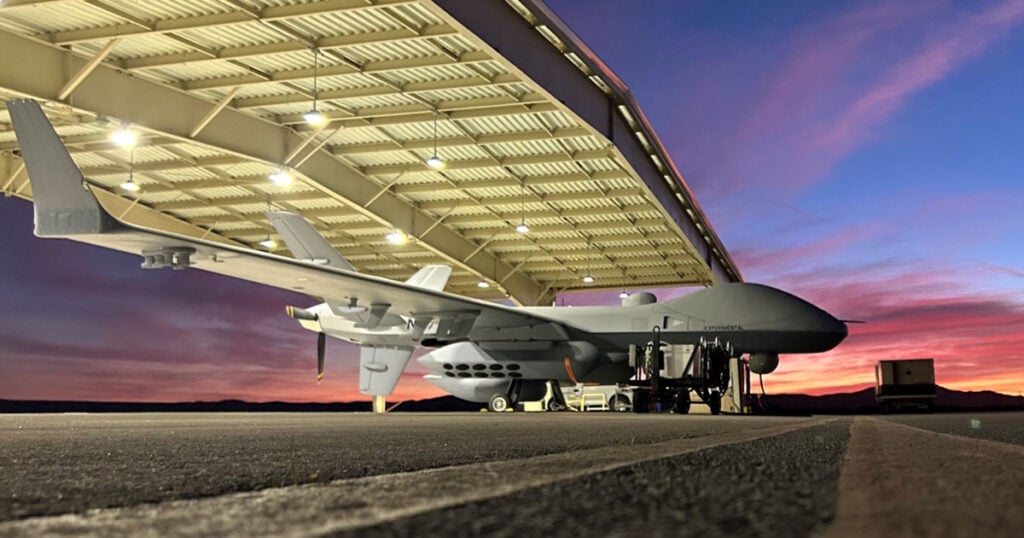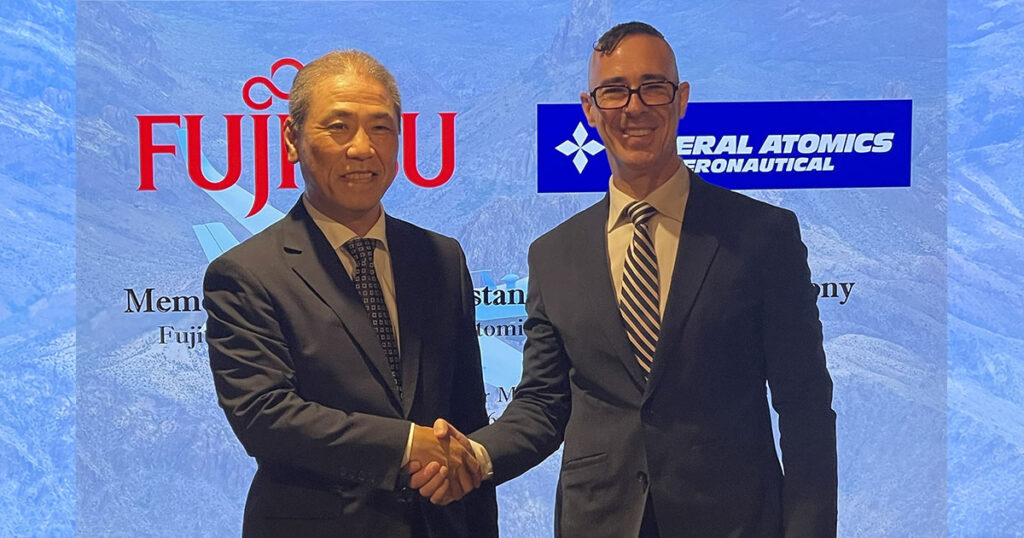
General Atomics Aeronautical Systems, Inc. (GA-ASI) and Fujitsu Limited (Fujitsu) have signed a Memorandum of Understanding (MOU) regarding the establishment of maintenance and operational support capabilities for Unmanned Aircraft Systems (UAS) in Japan as well as their commitment to future technical collaboration.
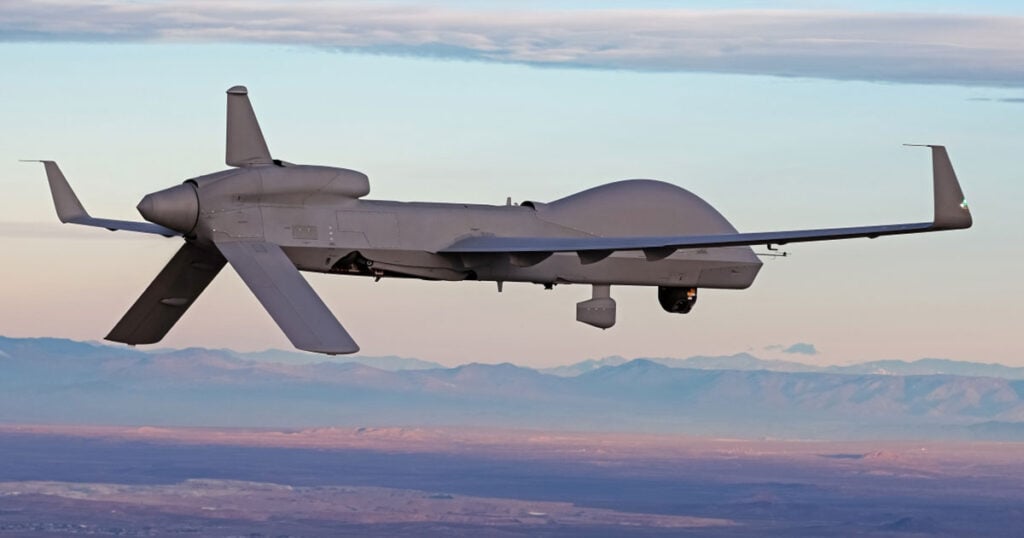
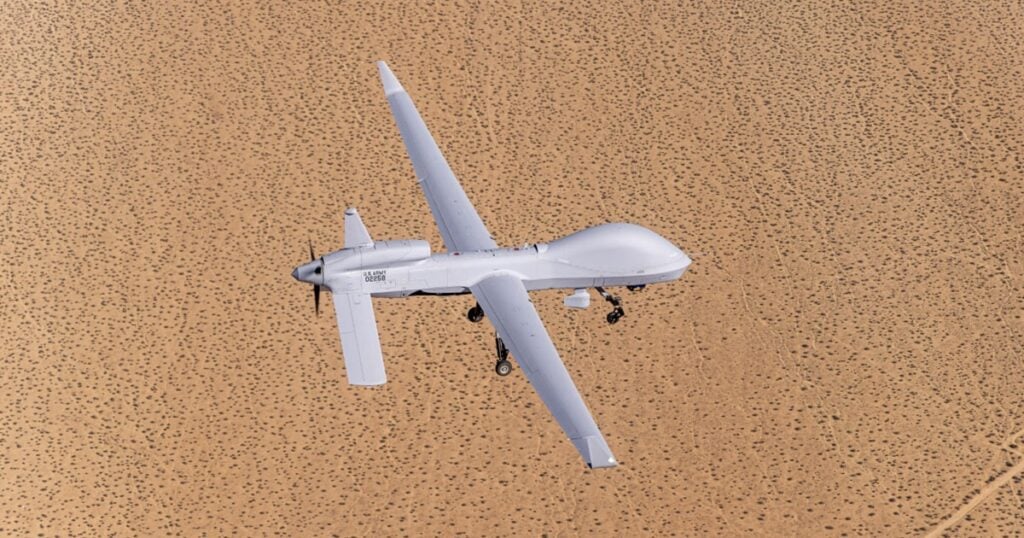
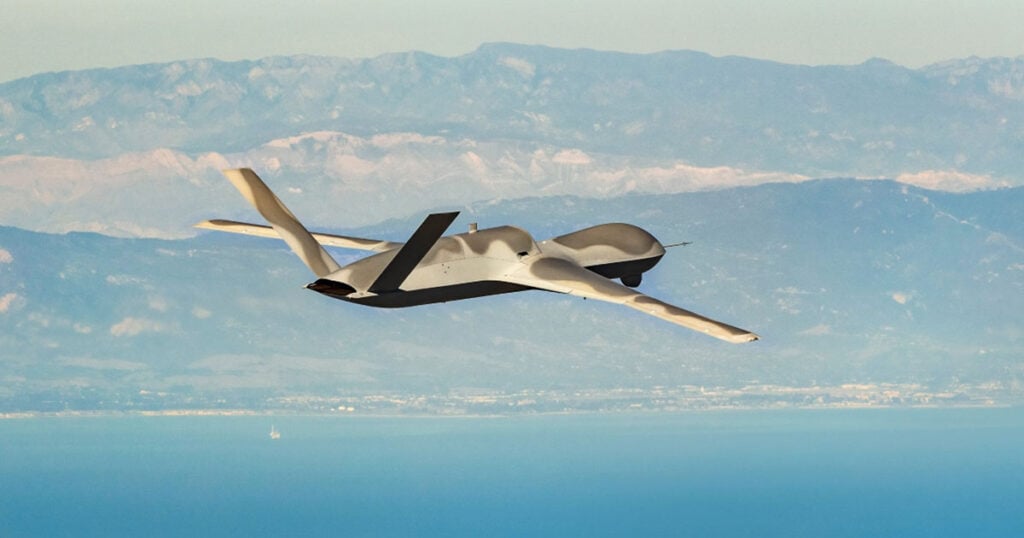
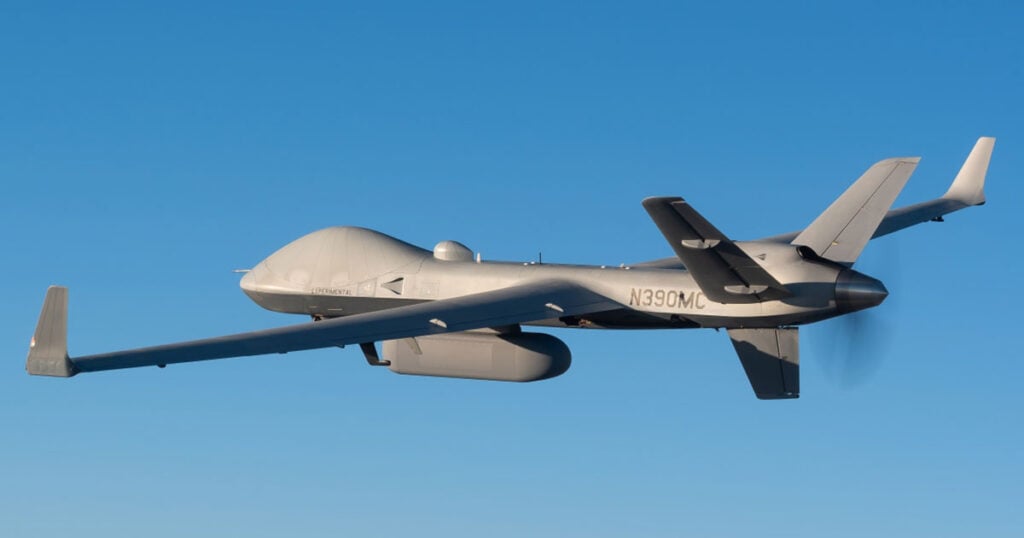
Under the MOU, the companies will begin examining the establishment of a framework under which Fujitsu would provide domestic maintenance and operational support for the MQ-9B, an unmanned aircraft developed and manufactured by GA-ASI for Intelligence, Surveillance and Reconnaissance (ISR) missions. The scope of the discussions includes avionics maintenance, parts management, maintenance training, and maintenance support services within Japan. The companies will also explore future technical collaboration in areas related to mission systems, systems integration, and other technologies.
Both companies aim to establish a sustainable and secure operational foundation for UAS in Japan. To this end, they will conduct phased evaluations of technologies and business opportunities related to design, manufacturing, and testing capabilities, contributing to Japan’s security requirements. In addition to establishing operational support capabilities, the companies will explore future opportunities related to mission systems and systems integration.
As security environments around the world continue to grow increasingly complex, Japan faces the challenge of strengthening its wide-area and persistent intelligence-gathering and surveillance capabilities across its vast Exclusive Economic Zone (EEZ). To strengthen maritime surveillance and support security objectives while improving operational efficiency and reducing manpower requirements, Japan’s Ministry of Defense has announced plan to procure 23 MQ-9B aircraft for the Japan Maritime Self-Defense Force (JMSDF), with its deployment scheduled to begin in fiscal year 2027.
The MQ-9B is capable of remaining airborne for more than 24 hours through satellite-based remote operation and can provide real-time, wide-area situational awareness day and night using advanced sensor systems. Stable operation of the MQ-9B in Japan requires the establishment of domestic maintenance and operational support capabilities to address challenges such as prolonged parts procurement lead times and the recruitment and training of personnel with specialized maintenance expertise.
GA-ASI has extensive experience, technologies, and proven capabilities in UAS design and manufacturing as well as in the operation of complete UAS mission solutions, including sensors and ground control stations.
For more than 10 years, Fujitsu has accumulated experience and expertise in the maintenance and operational support for maritime patrol aircraft operated by the JMSDF.
Building on these strengths, both companies aim to realize sustainable and reliable MQ-9B maintenance and operations in Japan.
Based on this MOU, both companies will advance discussions regarding collaboration to establish maintenance and operational support capabilities. Looking ahead, they will explore technical collaboration and commercialization opportunities in areas including avionics maintenance, field support, maintenance, workforce education and training, parts management, and supply chain capabilities. In addition, they will further support Japan’s security objectives by examining opportunities to enhance UAS operations through integration with related systems and other advanced operational support capabilities.
Zachary Stang, Regional Vice President for General Atomics Global, commented, “This agreement is an important and substantial step in our efforts to provide optimal support to our Japanese customers. We are excited to leverage Fujitsu’s proven excellence and expertise in maintenance and operational support as we expand the utility of our unmanned aircraft systems in Japan.”
Kenichiro Miyazaki, Head of National Security Business Unit for Fujitsu Limited, added, “We are delighted to have signed this MOU with GA-ASI to explore collaboration opportunities related to the MQ-9B. Leveraging the technological capabilities Fujitsu has cultivated in the defense sector, as well as our extensive experience in maintenance and operational support, we will contribute to strengthening a sustainable maintenance framework for the MQ-9B in Japan. This MOU marks the first step toward advancing the collaboration between our companies. Looking ahead, we will explore opportunities not only in maintenance and operational support, but also in further technical collaboration, contributing to a stronger security foundation and a stable defense operation in Japan.”