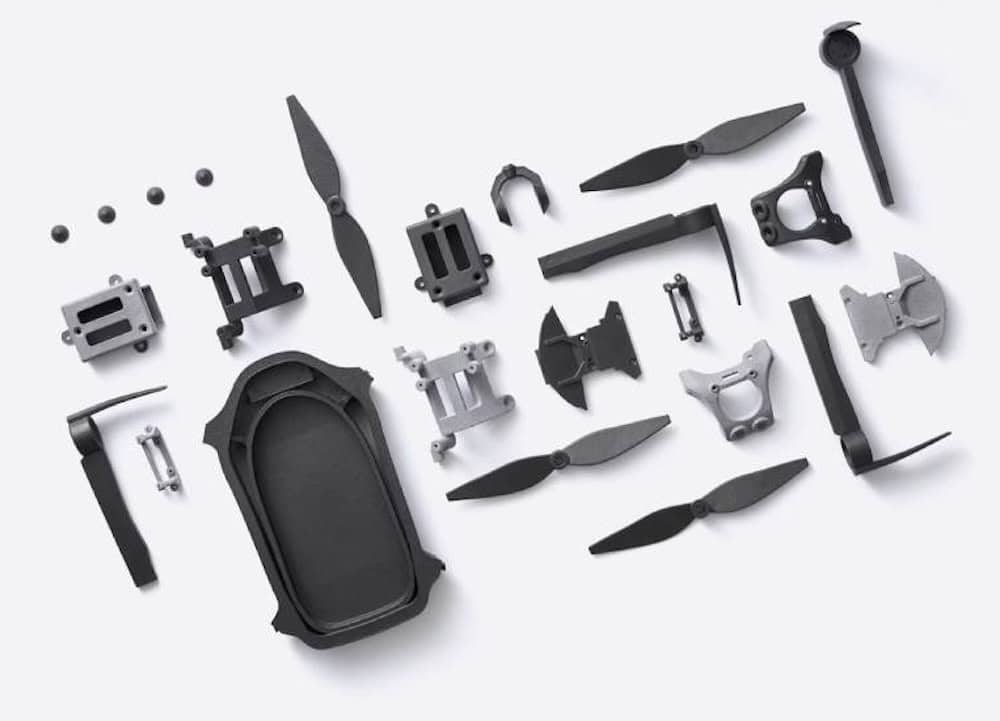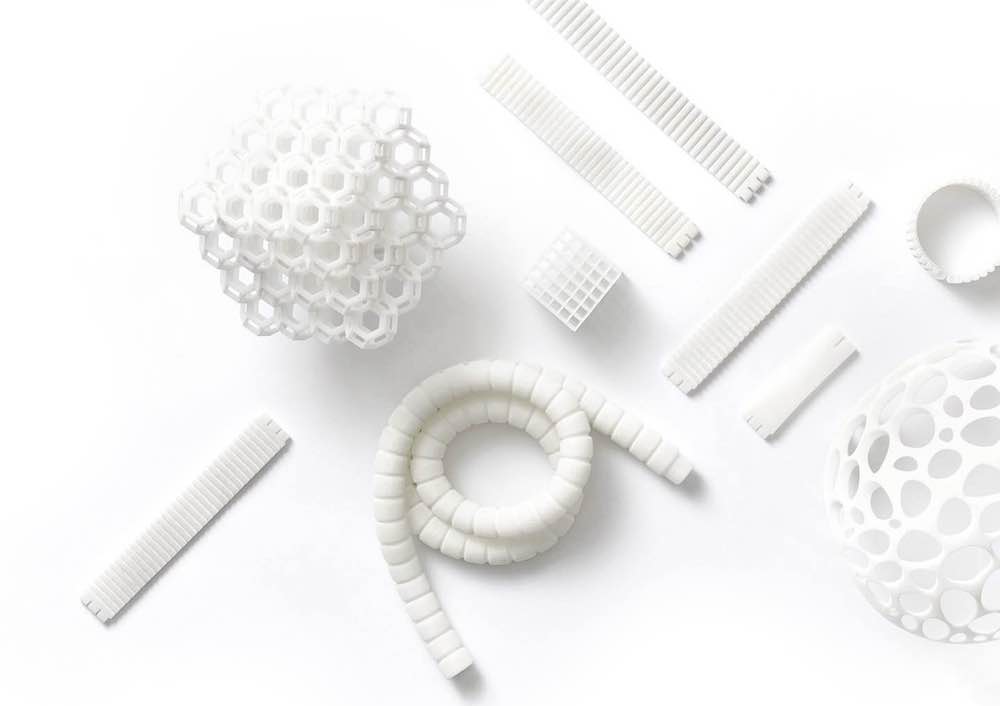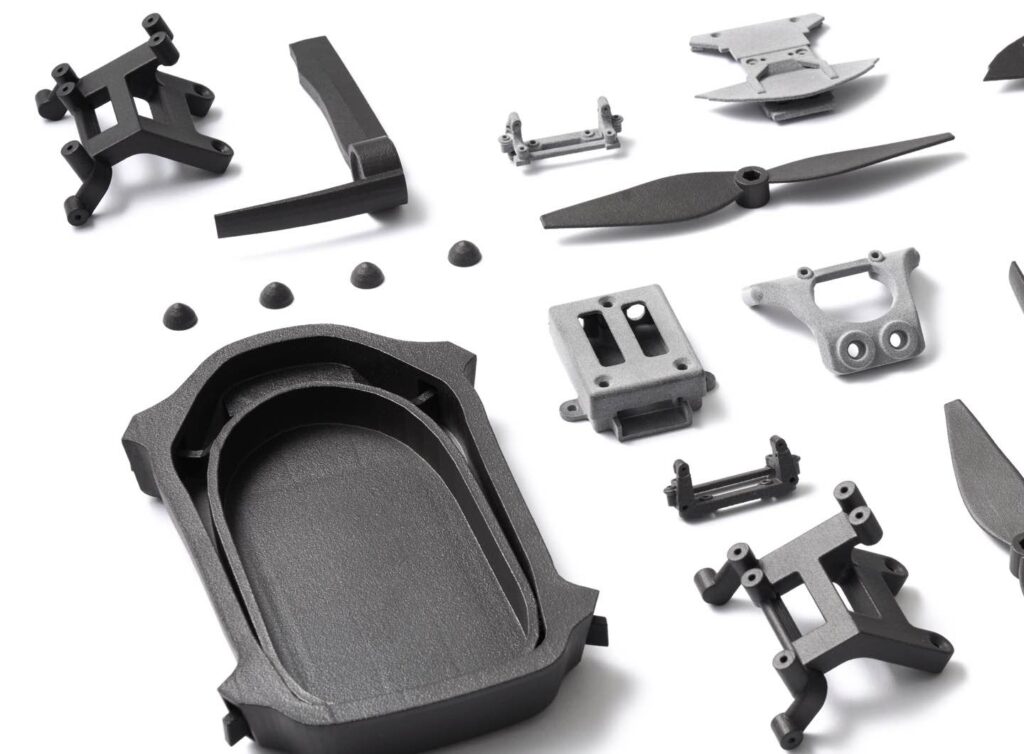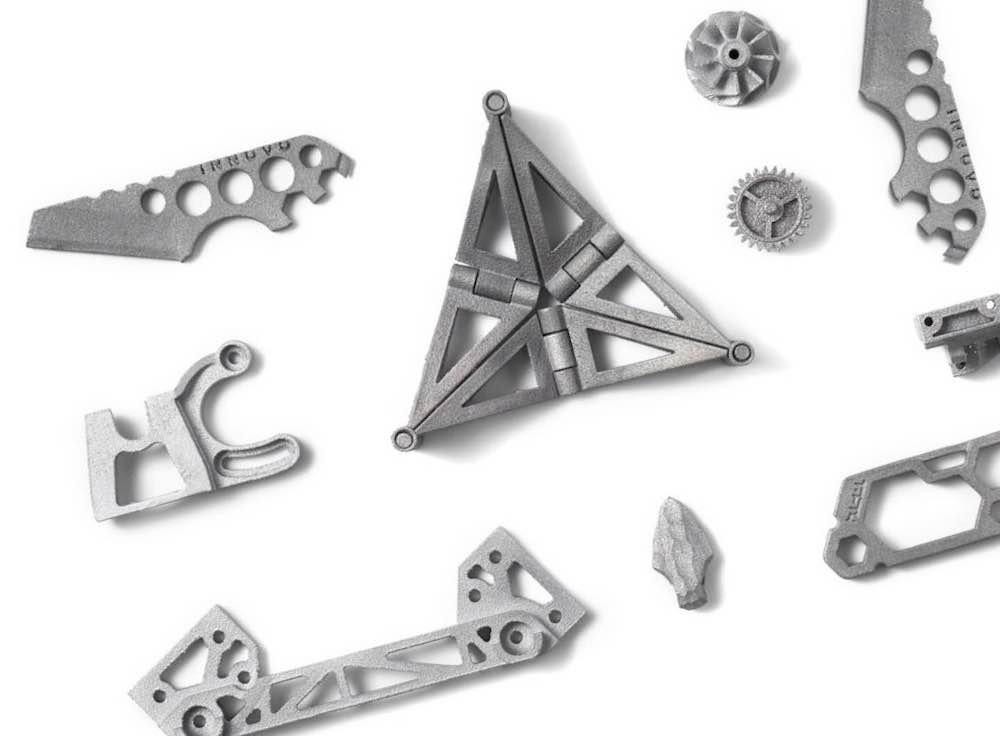




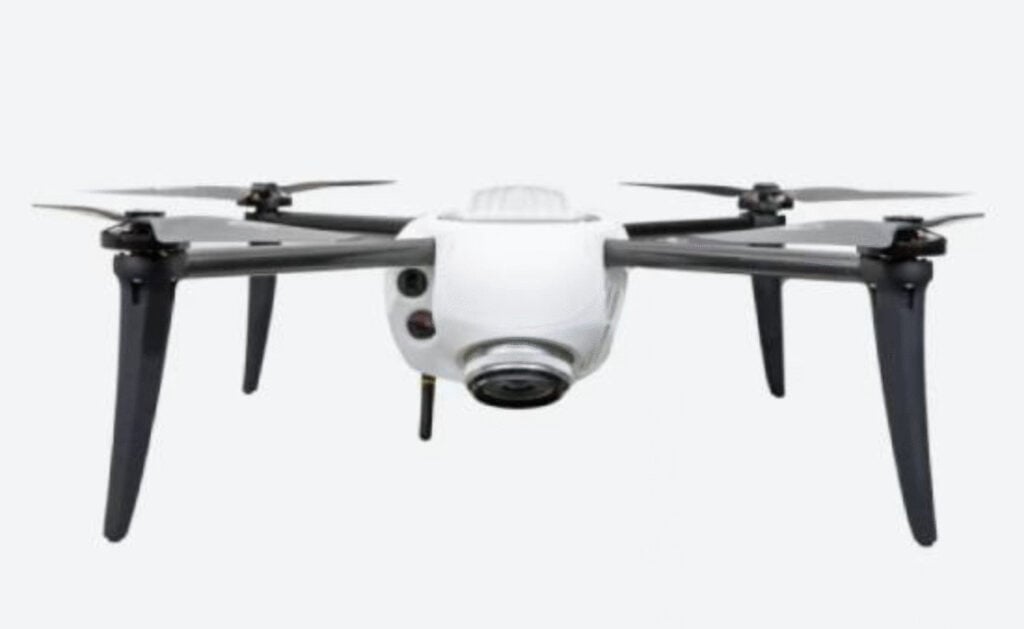
Shapeways has detailed how the rapid advancement of autonomous aerial systems relies heavily on shifting hardware production from traditional tooling-based rigidity to digital-first agility.
While software and artificial intelligence progress quickly, conventional manufacturing processes like injection molding present significant bottlenecks due to long lead times, high minimum order quantities, and rigid setups that restrict iterative design.
Digital manufacturing has eliminated these constraints by allowing engineering teams to transition from CAD files to physical components within days. This transition enables low-volume production to become economically viable, transforming design iteration into a strategic advantage for companies operating in infrastructure inspection, defense, offshore energy, and public safety.
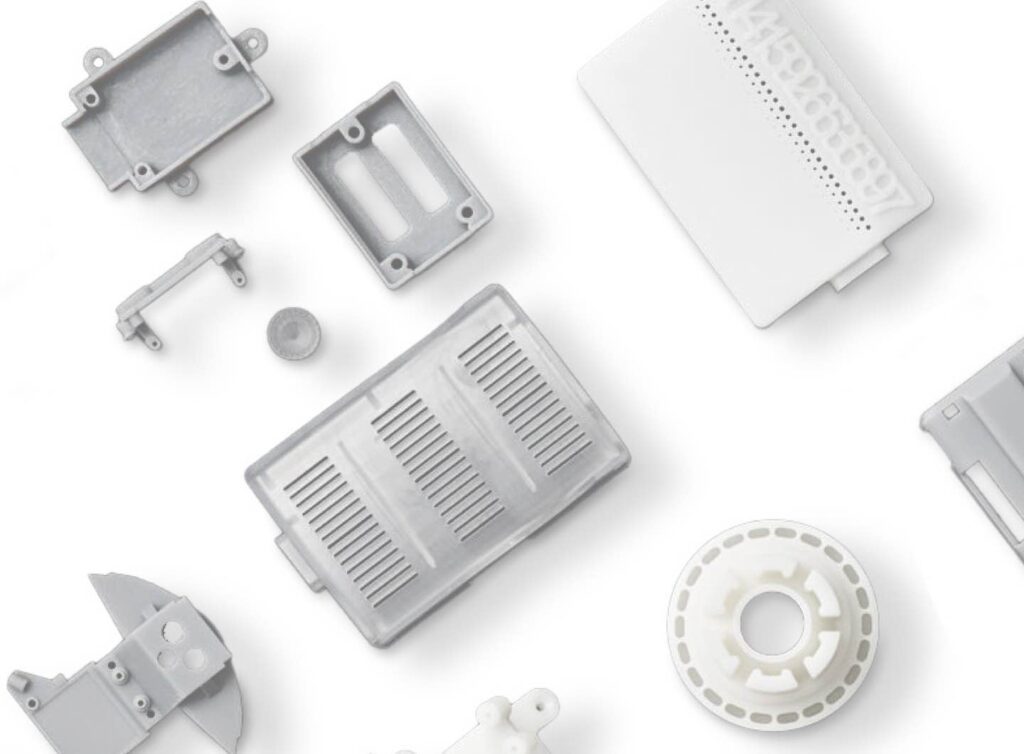
The company has emphasized that lightweighting is a critical performance requirement, as weight directly influences flight time, energy efficiency, and payload capacity. Through the utilize of additive manufacturing and advanced materials, such as PA12 (Nylon 12), carbon-fiber-reinforced polymers, and lightweight aluminum alloys, engineers have optimized strength-to-weight ratios. This technology has enabled the production of complex, topology-optimized geometries, allowing one drone manufacturer to consolidate four structural components into a single printed part, achieving a 30 percent weight reduction while simplifying assembly and improving reliability.
Customization has also become standard through digital manufacturing, accommodating varying commercial drone applications without requiring new tooling investments. Shapeways has noted that companies can maintain digital inventories instead of physical stock, utilizing a “digital warehouse” model to produce components on demand, which reduces inventory risk and supports regulatory flexibility.
Furthermore, localized, on-demand manufacturing has shortened supply chains and reduced reliance on global logistics networks. This distributed manufacturing approach minimizes material waste, reduces overproduction, and strengthens supply chain resilience, aligning with the environmental and operational goals of municipalities investing in sustainable mobility.
Read Why Drone Innovation Depends on Smarter Manufacturing for more information.