Intelligent Energy is highlighting the potential of hydrogen fuel cell technology to extend the range and endurance of drones used for parcel delivery, addressing one of the key challenges facing scalable aerial logistics.
While battery powered UAVs are well suited to short range routes, limited flight times and lengthy recharge periods can restrict operations across suburban, rural and other extended delivery corridors.
Hydrogen fuel cells offer higher usable energy density than lithium ion batteries, enabling significantly longer flight times without a comparable increase in aircraft weight. For logistics operators, this can increase the number of customers served from a single distribution hub, reduce infrastructure requirements and provide greater flexibility for BVLOS missions. Rapid hydrogen refuelling can also support faster turnaround between sorties.
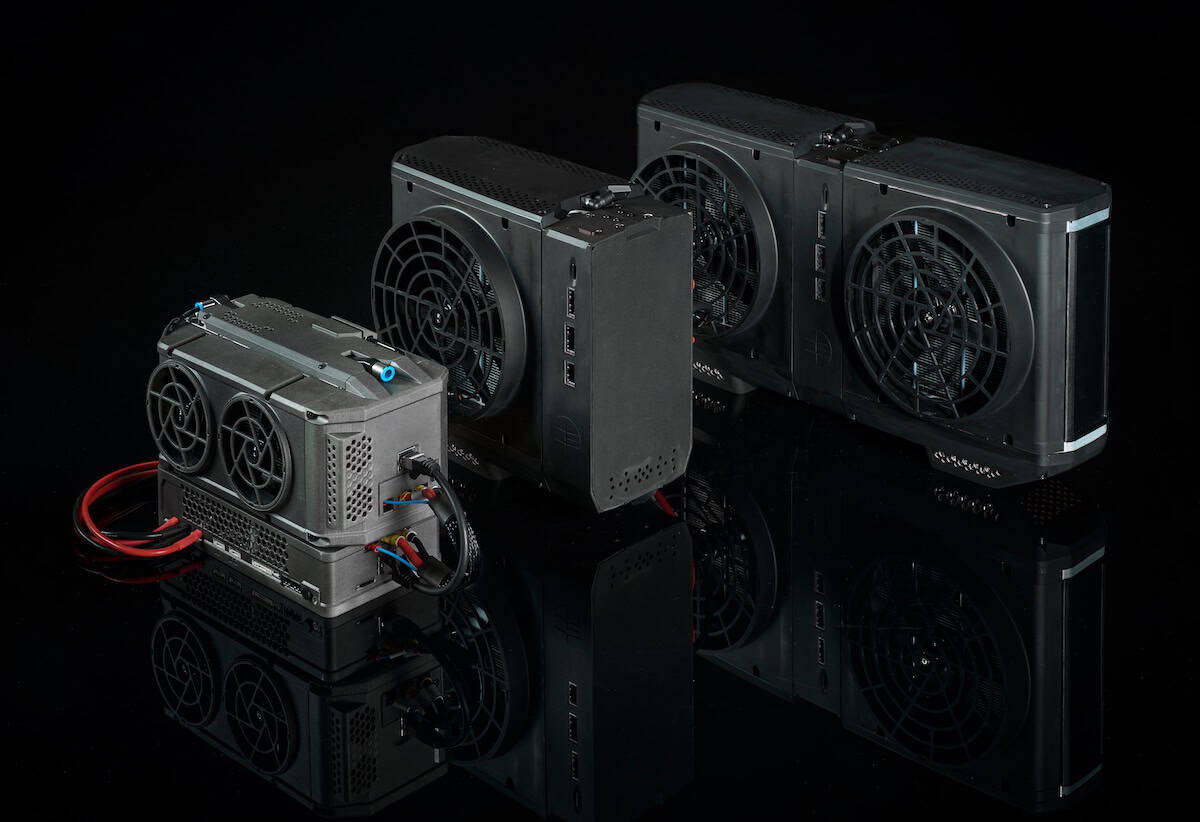
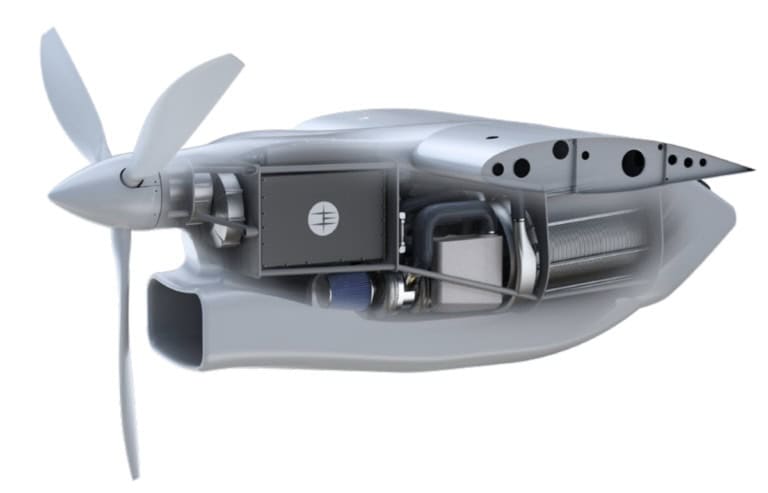
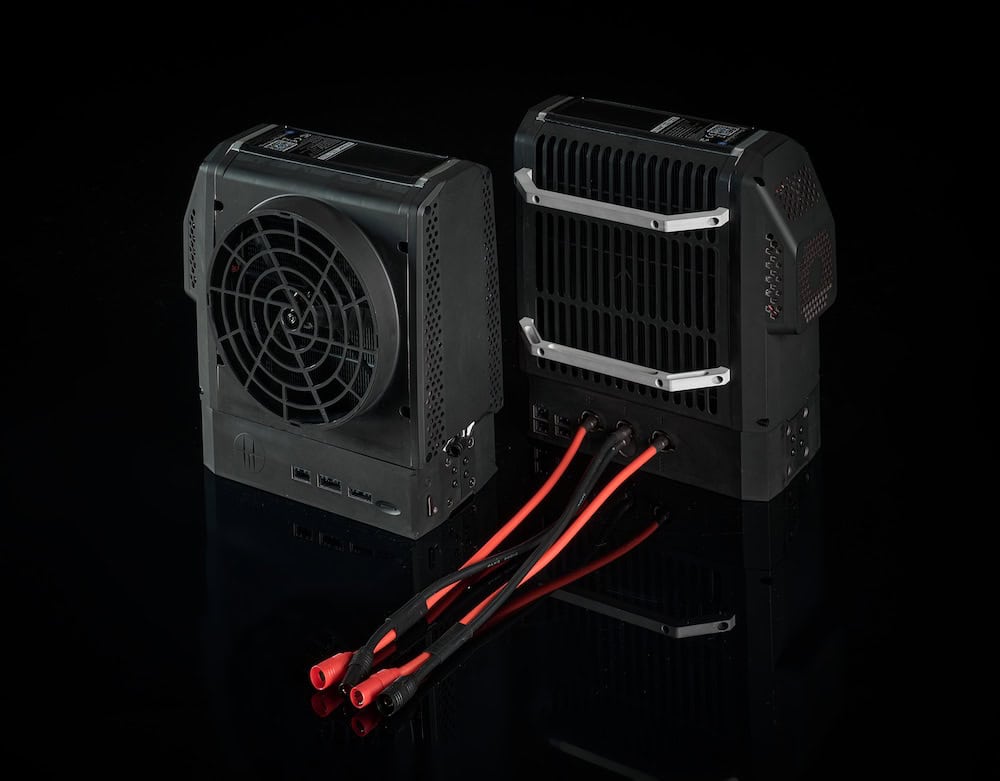
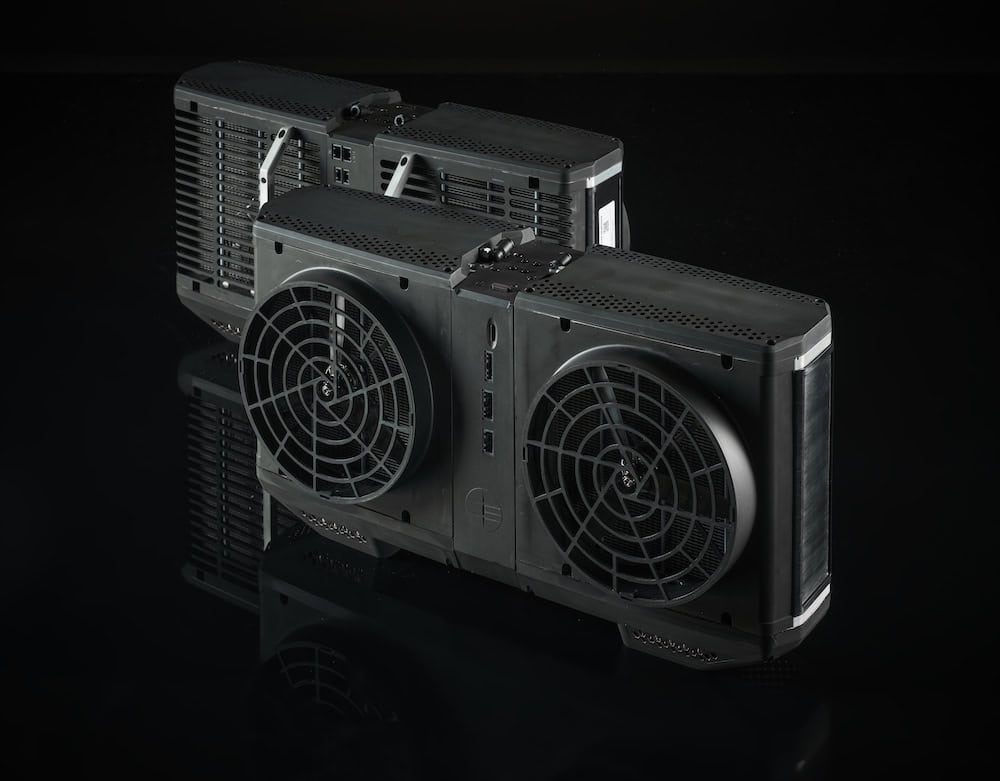
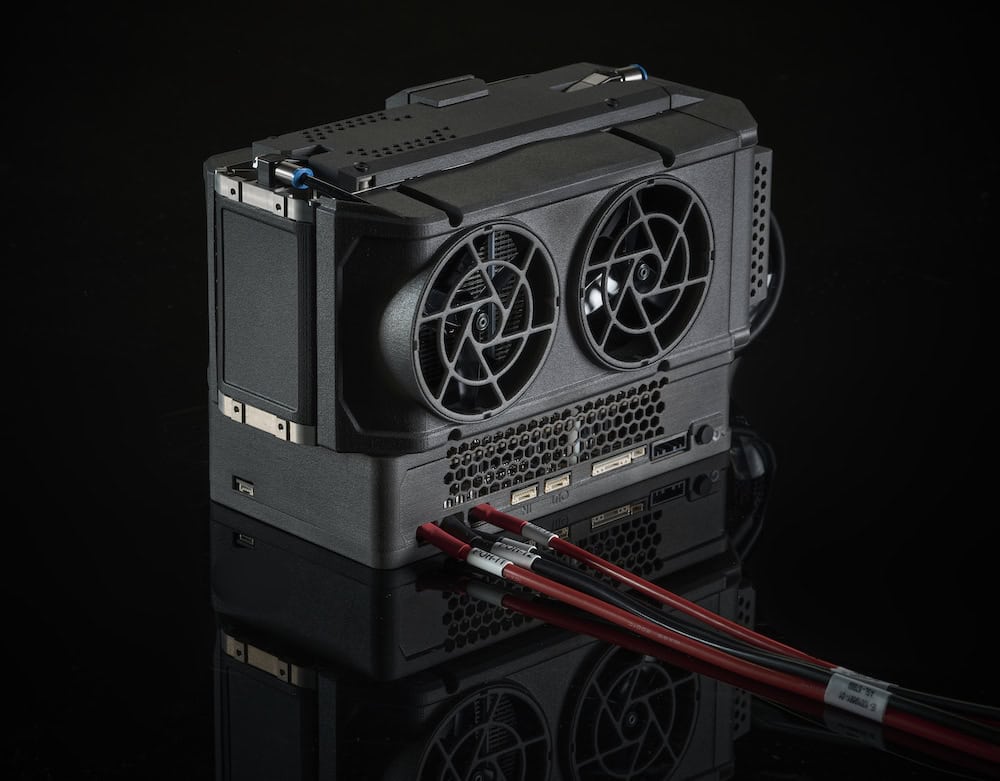
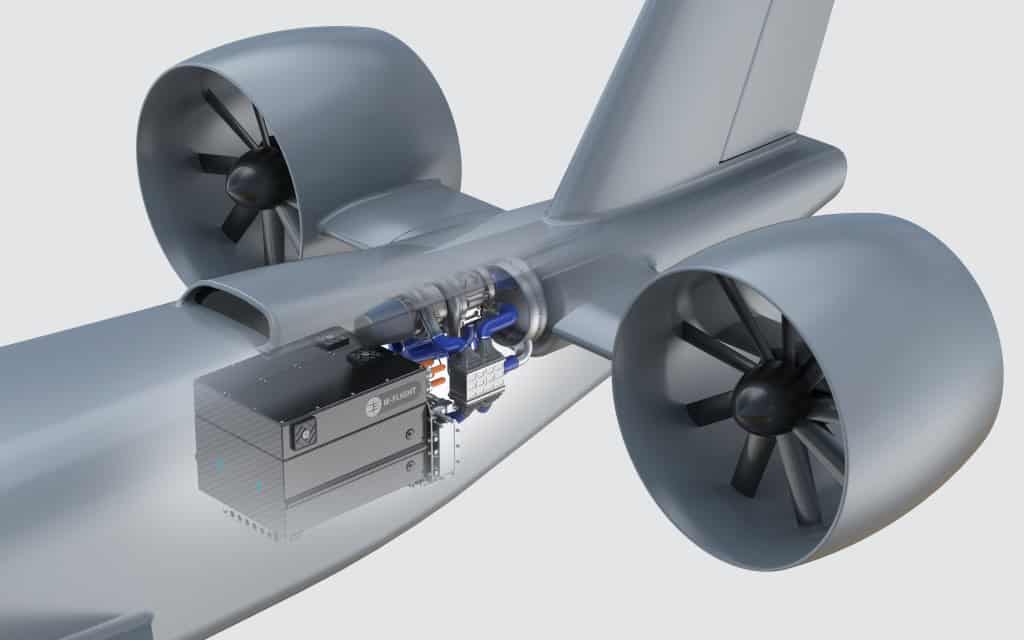
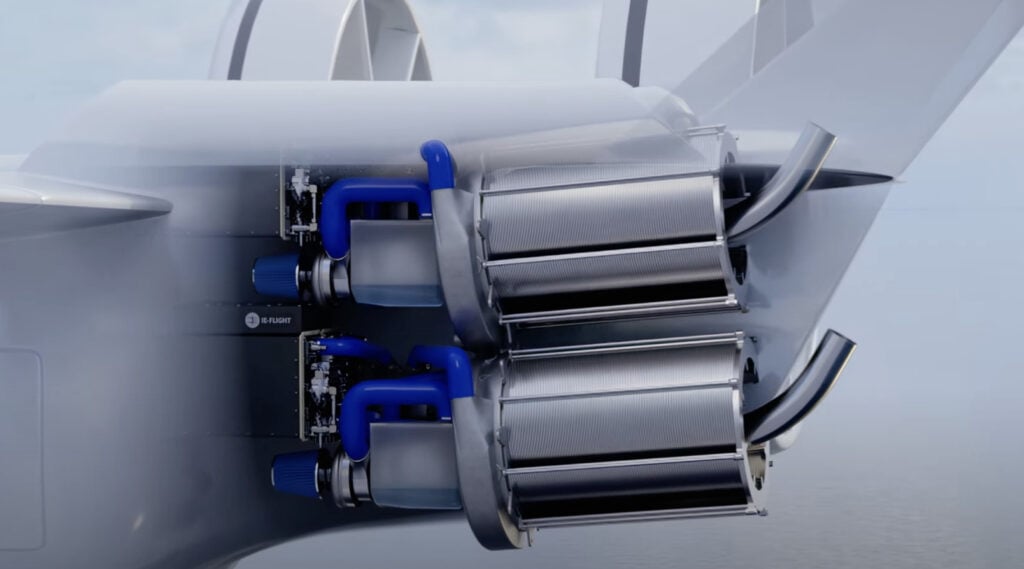
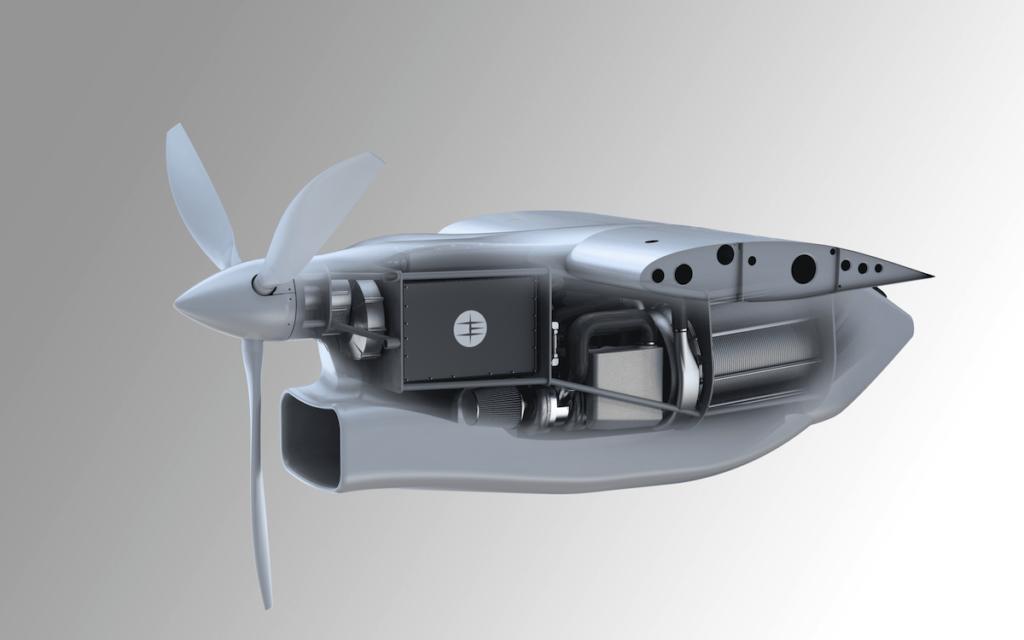
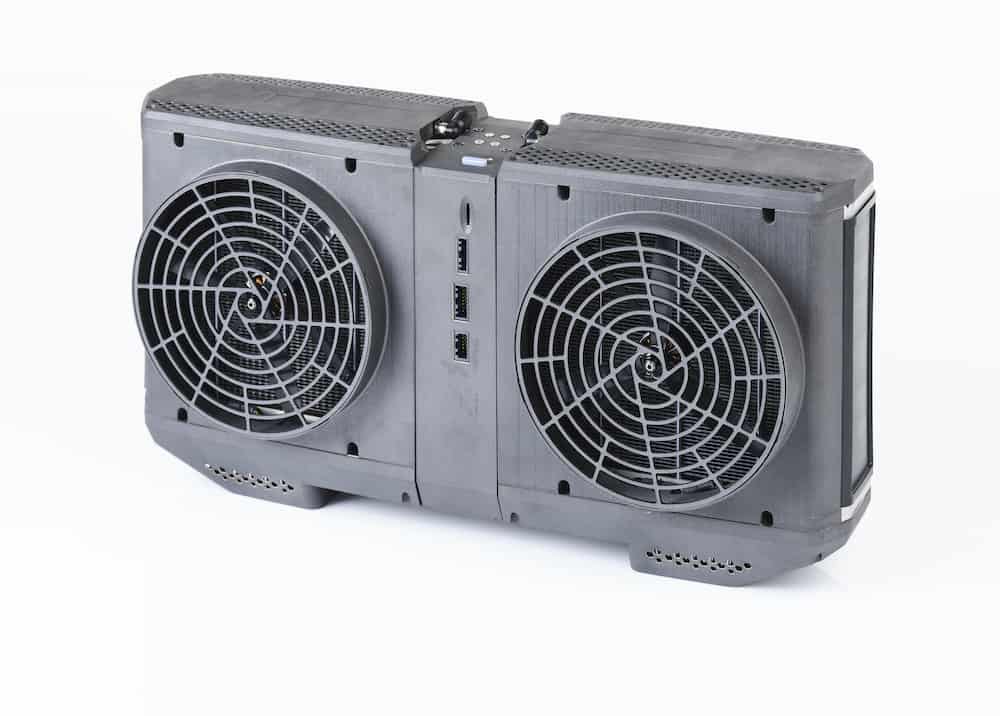
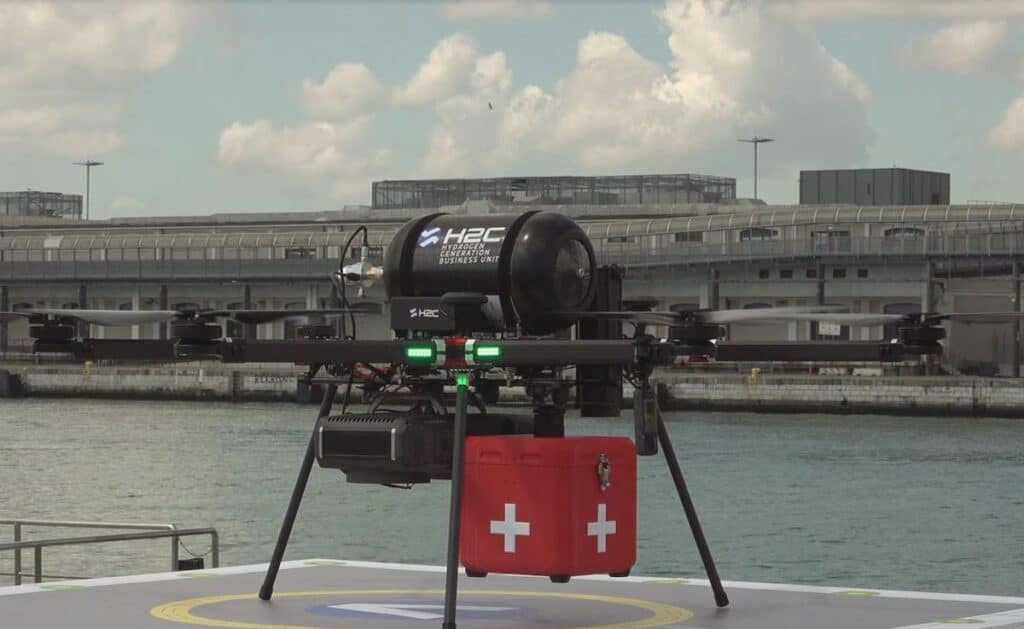
Intelligent Energy’s IE SOAR fuel cell systems are designed for fixed wing, rotary wing and VTOL UAVs, with the compact IE SOAR 800 providing an endurance focused option for lightweight platforms. The company has also partnered with H2C on hydrogen powered delivery drone trials for medical parcel transport in Italy.
While batteries remain effective for short distance urban deliveries, hydrogen fuel cells could offer greater advantages as networks expand into rural areas, across water and along longer delivery corridors. With increasing interest in BVLOS operations and lower emission logistics, fuel cell propulsion is emerging as a potential route towards more scalable long range drone delivery.
Read Are Fuel Cell Drones Suited to Long-Range Parcel Delivery?