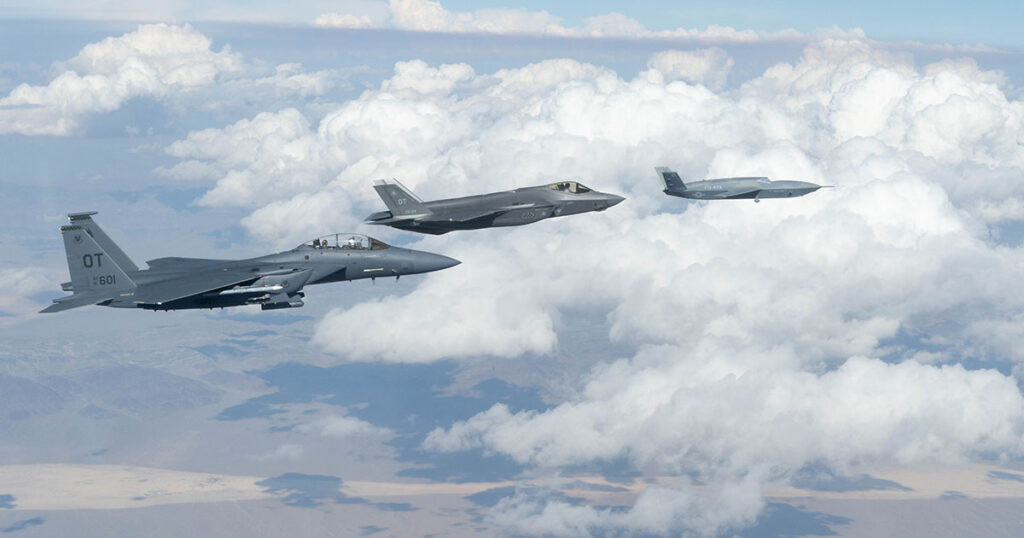
General Atomics Aeronautical Systems, Inc. (GA-ASI) is addressing the evolving demands of military aviation with two complementary uncrewed aircraft systems. GA-ASI highlights how the Gray Eagle® 25M and Mojave STOL are designed to deliver persistent, adaptable capability across contested, expeditionary and infrastructure-limited operating environments.
The U.S. Army faces an increasingly complex operational environment where traditional advantages can no longer be assumed.
Long-range precision weapons, sophisticated air defenses, and the wide availability of effective low-cost systems have fundamentally altered the calculus of military aviation.
Success in this environment requires platforms that combine adaptability, endurance, and the ability to operate without prohibitive logistical demands.
General Atomics Aeronautical Systems, Inc. (GA-ASI) has developed two complementary solutions engineered for these challenges: the enhanced, modular Gray Eagle® 25M and the rugged Mojave Short Takeoff and Landing (STOL) Uncrewed Aircraft Systems (UAS).
While both aircraft draw from the proven Gray Eagle lineage, each addresses distinct operational requirements that commanders will face across the spectrum of conflict, from counterterrorism to large-scale combat operations in denied environments.
The two systems reflect a deliberate approach: capable enough to survive and succeed in contested environments, adaptable enough to incorporate new technologies as threats evolve, and available in quantities sufficient to make a strategic difference.
Expeditionary Operations Without Runway Dependence
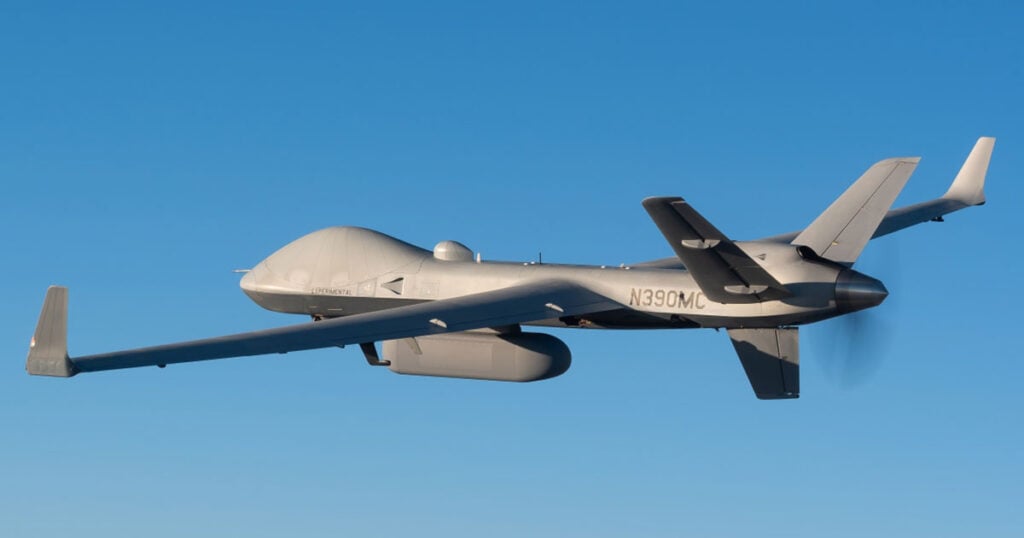
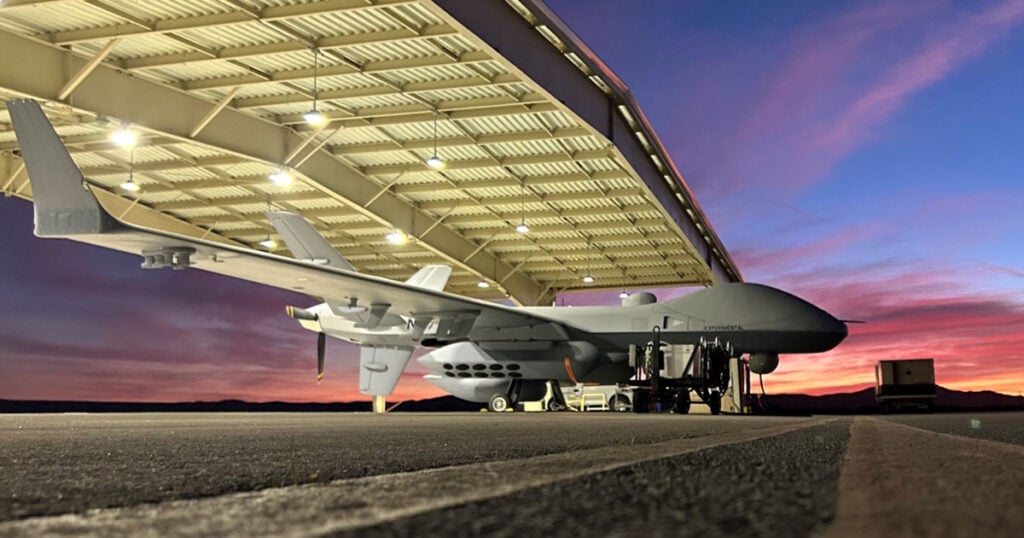
Mojave STOL addresses a critical capability gap: the need for aviation power in environments where traditional airfield infrastructure is unavailable, compromised, or excessively vulnerable to attack.
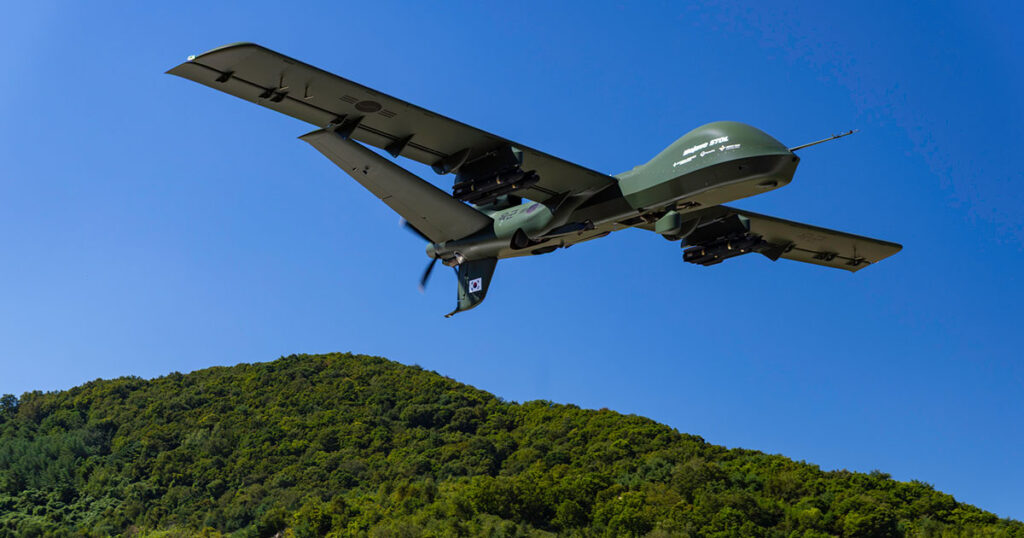
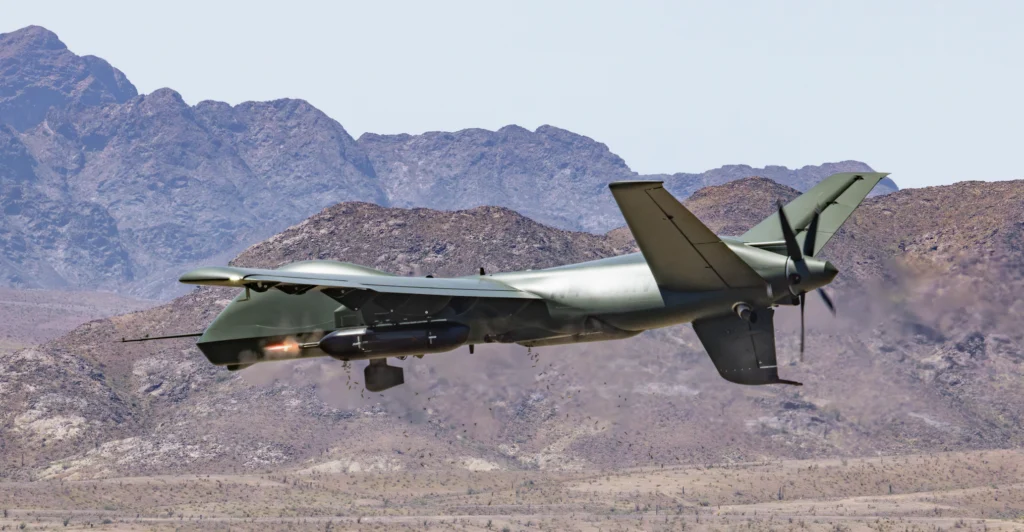
The aircraft’s short takeoff and landing performance enables operations from unimproved surfaces, dirt roads and tracks as well as cleared areas. It can also operate from large-deck amphibious vessels in port or at sea.
This runway-independent capability fundamentally expands commanders’ options in remote or contested regions.
Mojave STOL can deploy closer to distributed ground forces, conduct rearming and refueling at austere locations, and return to operations without requiring the logistics tail associated with conventional fixed-wing aviation.
While modern electric and vertical-lift concepts offer tactical flexibility, their high unit costs, mechanical complexity, undetermined supply chain security, and maintenance burdens present challenges for sustained expeditionary operations driving cost, manpower, and risk.
Mojave STOL is built around a straightforward, time-tested aircraft and systems design, production, and sustainment philosophy, providing the flexibility to move with expeditionary forces while avoiding the infrastructure demands associated with conventional infrastructure-dependent aviation.
Its ability to operate from smaller naval vessels also creates potential applications for maritime, contested logistics, and special operations missions.
For operations in regions like the Indo-Pacific, where reliable airfield access cannot be guaranteed, this flexibility represents a strategic advantage — bringing aviation closer to the mission without concentrating forces at vulnerable fixed sites.
Persistent Operations in High-Threat Environments
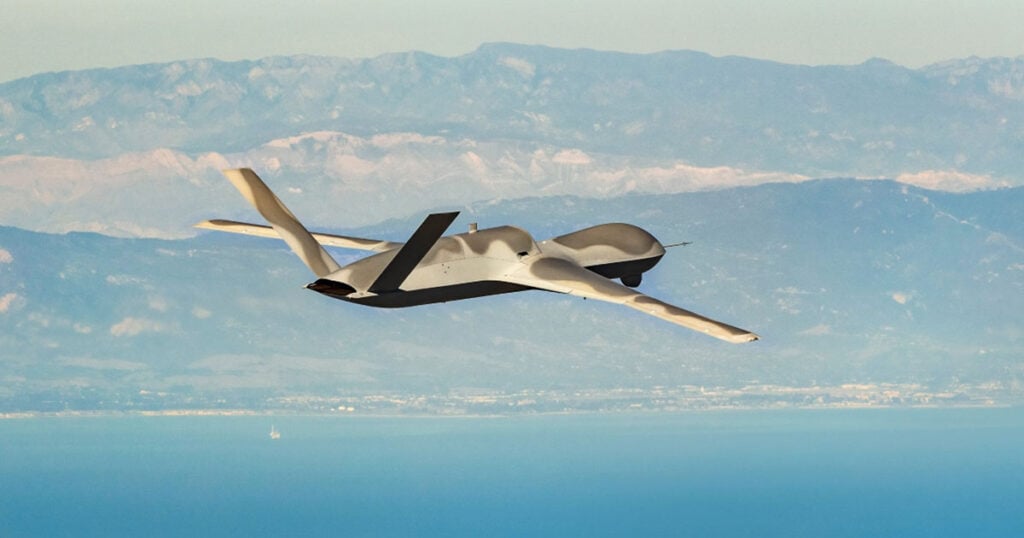
Gray Eagle® 25M represents a comprehensive modernization of the combat-proven MQ-1C platform purpose-built for long-endurance missions where maintaining persistent reconnaissance, surveillance, and target acquisition is critical to operational success in contested conditions.
The aircraft incorporates significant upgrades across its propulsion system, sensors, and processing architecture. A more powerful heavy fuel engine extends range and endurance, while the EagleEye® multi-mode radar provides a detection range up to five times beyond legacy systems.
Gray Eagle 25M combines long endurance, advanced sensing, and increased processing power to support contested operations.
These enhancements enable Gray Eagle® 25M to maintain effective operations at extended ranges even when facing hostile air defenses and electronic warfare.
At the core of Gray Eagle® 25M’s design is a Modular Open Systems Approach (MOSA) architecture.
Rather than proprietary, closed systems that lock the Army into lengthy and expensive upgrade cycles, MOSA employs standardized interfaces that facilitate the rapid integration of new technologies. This open architecture is specifically intended to compress timelines and reduce costs associated with capability improvements as threats evolve.
Equally important are the substantial increases in onboard processing power and edge computing capability.
By analyzing more data aboard the platform itself, Gray Eagle® 25M reduces its dependence on high-bandwidth communications links, a crucial consideration when operating in electromagnetically contested environments where adversaries actively degrade or deny network access.
This edge processing capability allows the aircraft to continue supporting commanders’ decision-making even when networks are disrupted.
Another significant improvement comes in the form of the expeditionary laptop-based ground control station and ground support equipment. This eliminates the need for large, containerized GCS and satellite systems requiring vehicles and ground support equipment, reducing 130,000 pounds of equipment weight per platoon.
Combined with the new, more powerful HFE 2.0 turbo-diesel engine with reduced maintenance intervals, these improvements reduce Field Service Representative and soldier workload while increasing maintenance- free operational periods resulting in a sustainment cost savings of roughly $200 million annually.
Industrial Capacity Ready for Immediate Delivery
GA-ASI boasts a manufacturing footprint spanning millions of square feet combined with an experienced workforce and available production capacity. That means the Army can begin building aircraft immediately.
These are not developmental programs requiring years of additional testing and production preparation. They are mature systems, informed by extensive operational experience, ready for delivery today.
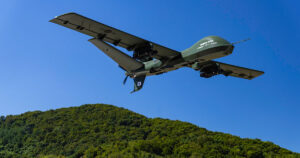
Mojave STOL conducts short-field operations from a rough maneuver trail during a demonstration with Hanwha Aerospace in South Korea on September 16, 2026.
Partnerships like the one between GA-ASI and Hanwha Aerospace on Mojave STOL represent a significant expansion in manufacturing infrastructure and research capabilities, creating a foundation for both continued platform modernization and scalable production that will drive down unit costs across the program.
This industrial readiness addresses a critical challenge in defense acquisition: the traditional tradeoff between technological capability and sufficient production volume.
For Army planners facing near-term readiness gaps while preparing for potential large-scale operations, this combination of technical performance and manufacturing capacity offers a tangible advantage.
Army leaders evaluating aviation modernization options will find that Gray Eagle® 25M and Mojave STOL deliver not just technical performance but operational readiness matched to the demands of today’s conflicts.
GA-ASI will be exhibiting at AUSA 2026, Booth 6619, October 12th to 14th, 2026, at the Walter E. Washington Convention Center in Washington, D.C.