Intelligent Energy outlines why endurance is becoming a key constraint for commercial Unmanned Aerial Vehicle (UAV) operations and how hydrogen fuel cells can enable longer flight times, extended range, consistent power output, and rapid refueling.
Commercial UAV capabilities have advanced rapidly, but endurance remains a major operational constraint. For mapping, surveying, inspection, security, and logistics missions, limited flight time and turnaround can affect productivity and data collection.
As operators deploy increasingly capable payloads across larger areas, longer assets, and remote locations, battery-based energy storage continues to restrict flight duration.
Battery Limitations for Commercial UAV Missions
Limited battery endurance can divide missions into multiple short flights, requiring frequent landings for recharging or replacement. Professional payloads further reduce flight time, while battery performance declines over time.
For long-range inspection, large-site mapping, and Beyond Visual Line Of Sight (BVLOS) operations, these limits reduce efficiency, affect mission economics, and make endurance a critical factor in industrial-scale UAV deployment.
Extending Endurance with Hydrogen Fuel Cells
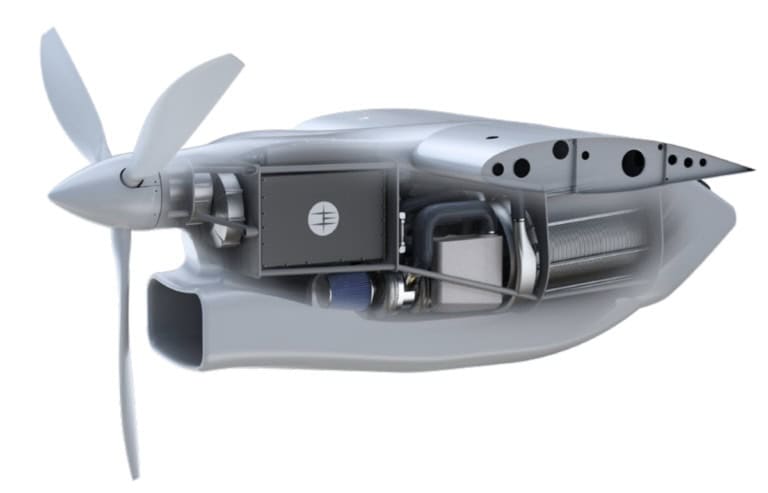
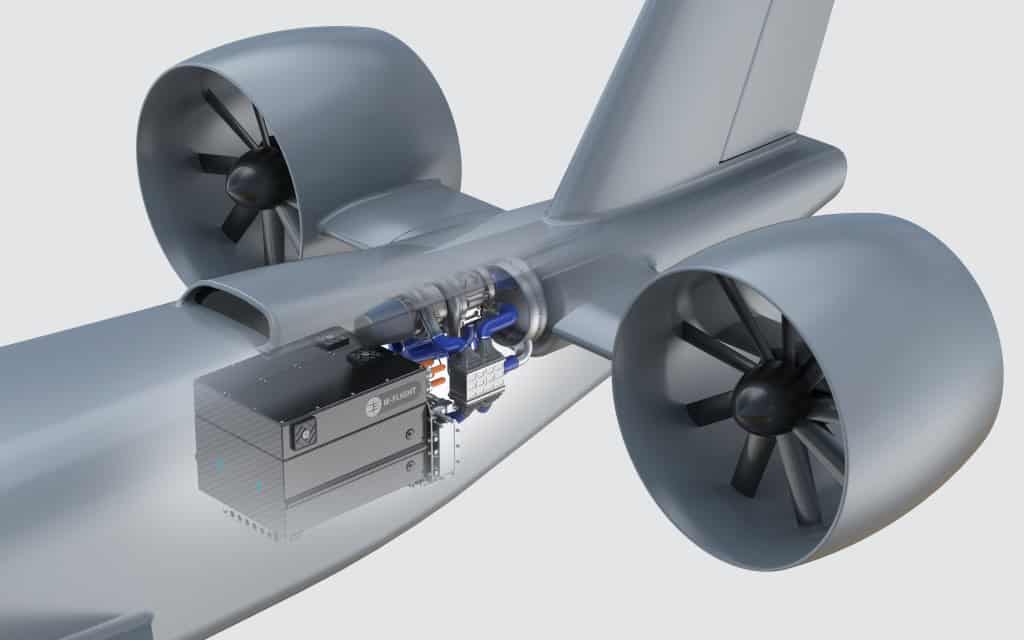
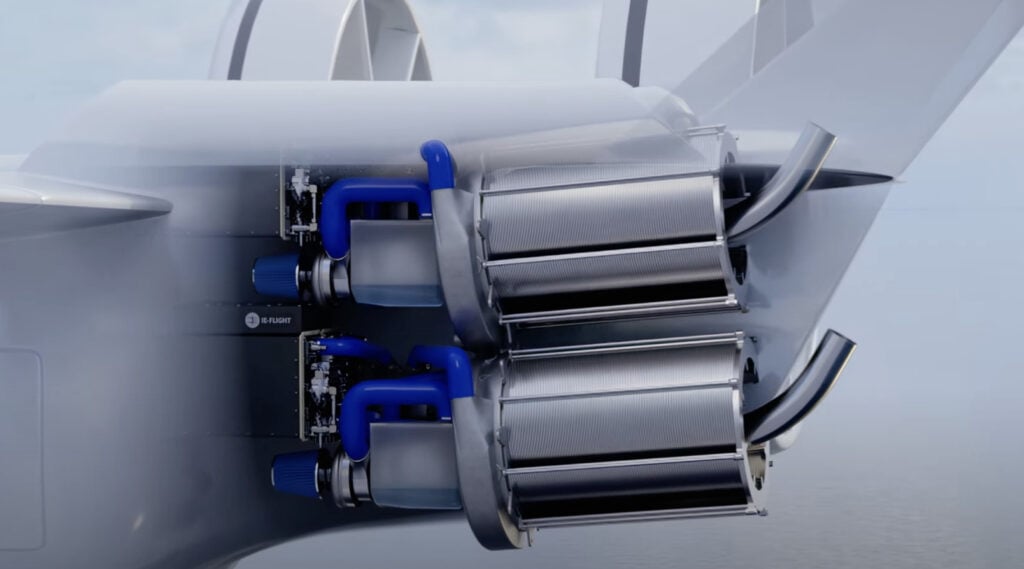
Hydrogen fuel cells provide a different approach to UAV power. Rather than storing electrical energy onboard, fuel cells generate electricity for as long as hydrogen is supplied.
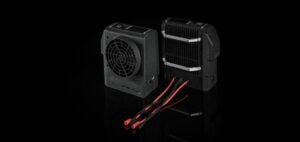
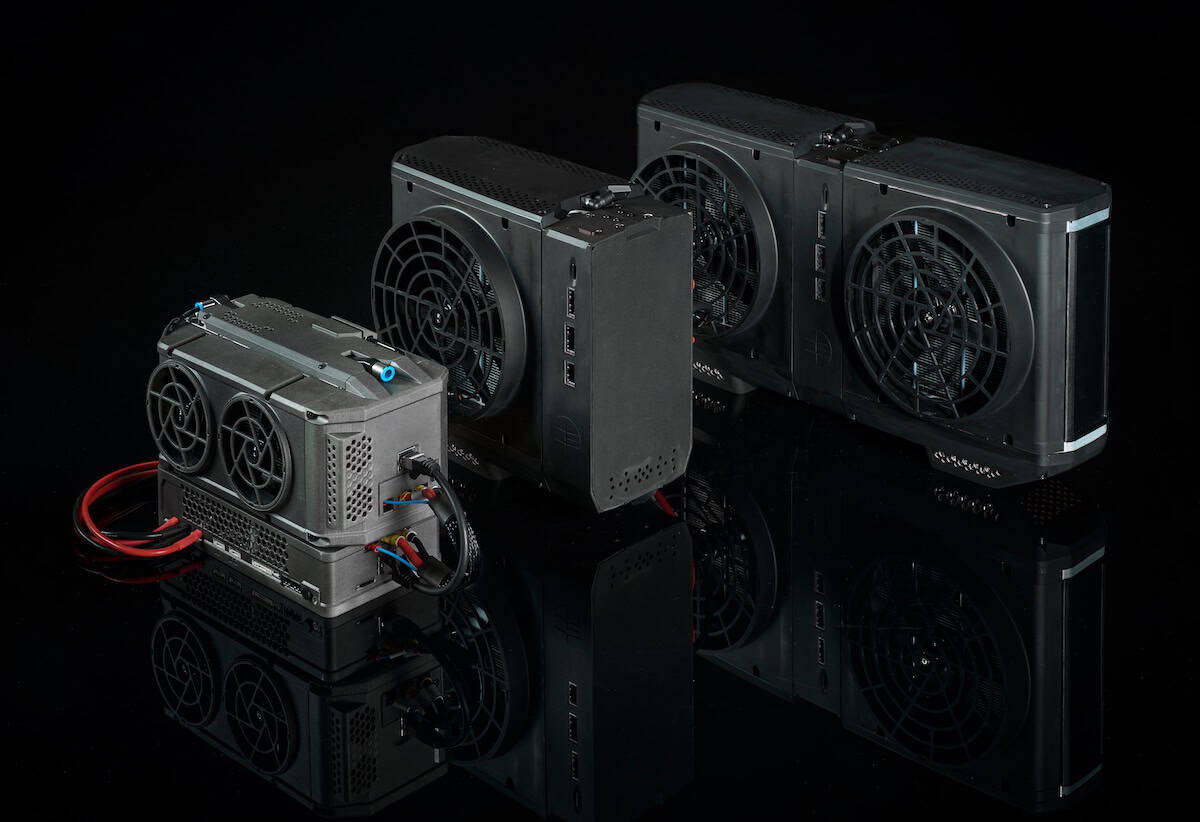
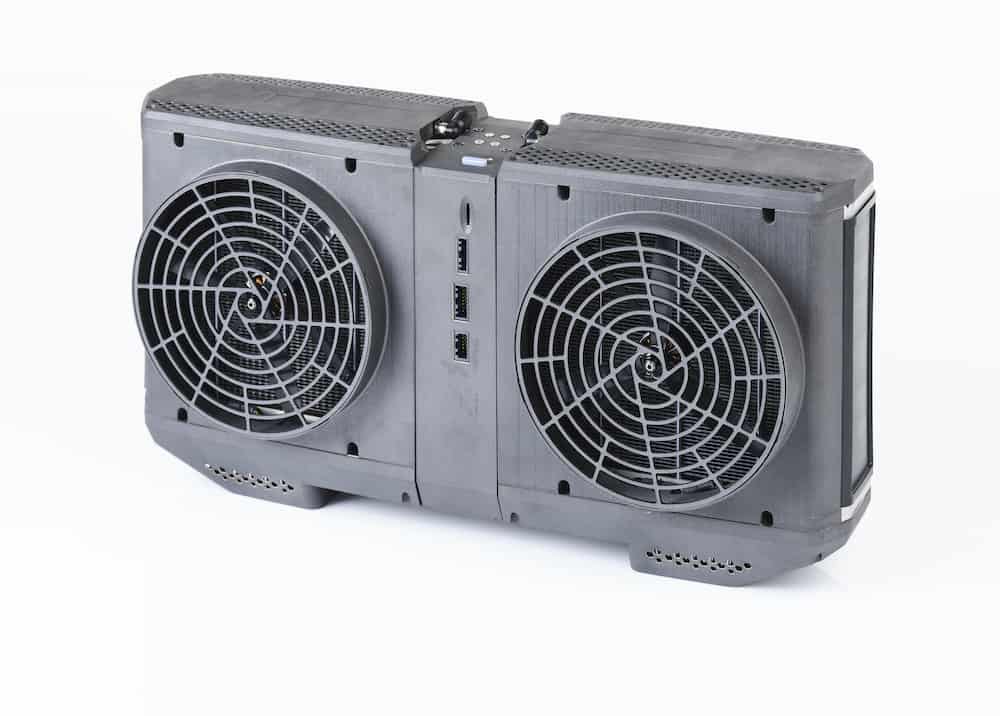
IE-SOAR 1.2 UAV hydrogen fuel cell
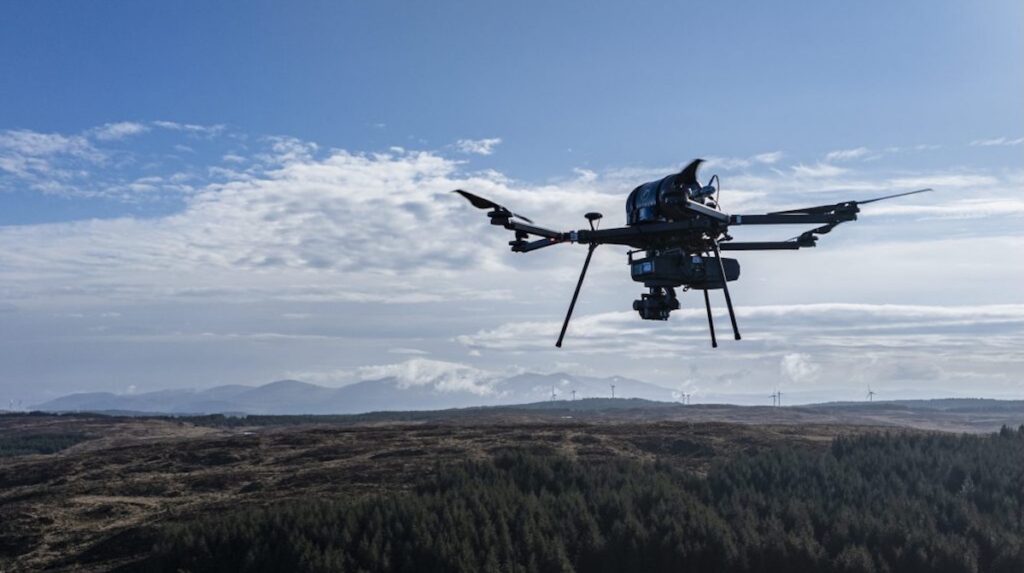
Fuel cell-powered UAVs can provide significantly longer flight times and extended range, making large-area and linear missions viable. They can also deliver consistent power output throughout a mission and enable rapid refueling, allowing aircraft to return to the air within minutes.
By separating endurance from short battery discharge cycles, fuel cells can enable UAV operations to align more closely with commercial workflows.
Increasing Productive Flight Time
For operators, endurance is not limited to maximum flight duration. It also affects productive utilization.
Fuel cell power can increase the proportion of the working day spent collecting data while supporting mission continuity and data consistency. It can also improve the predictability of flight planning and scheduling.
Fewer landings can reduce operational risk and pilot workload, while longer sorties can support cleaner datasets and more efficient project execution.
Supporting the Next Phase of Commercial UAV Operations
As industries increasingly depend on UAVs for critical operations, endurance is developing from a performance metric into a strategic requirement.
Large-scale mapping and surveying, long-distance infrastructure inspection, BVLOS operations, and remote and offshore monitoring require power systems that can operate beyond the limitations of batteries alone.
Hydrogen fuel cells can reduce endurance as a constraint, enabling UAV operations to expand in range, duration, and commercial value. This allows mission design to be determined by operational requirements rather than energy limitations.