Intelligent Energy outlines how hydrogen fuel cells can extend Unmanned Aerial Vehicle (UAV) endurance for commercial operations, addressing flight-time and refuelling constraints across applications including infrastructure inspection, mapping and package delivery.
Battery capacity and weight can limit how far drones travel and how long they remain airborne, while recharging requirements can add downtime between flights.
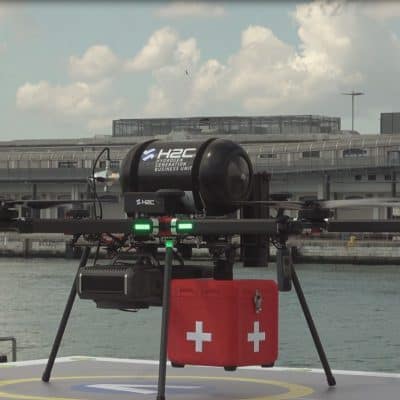
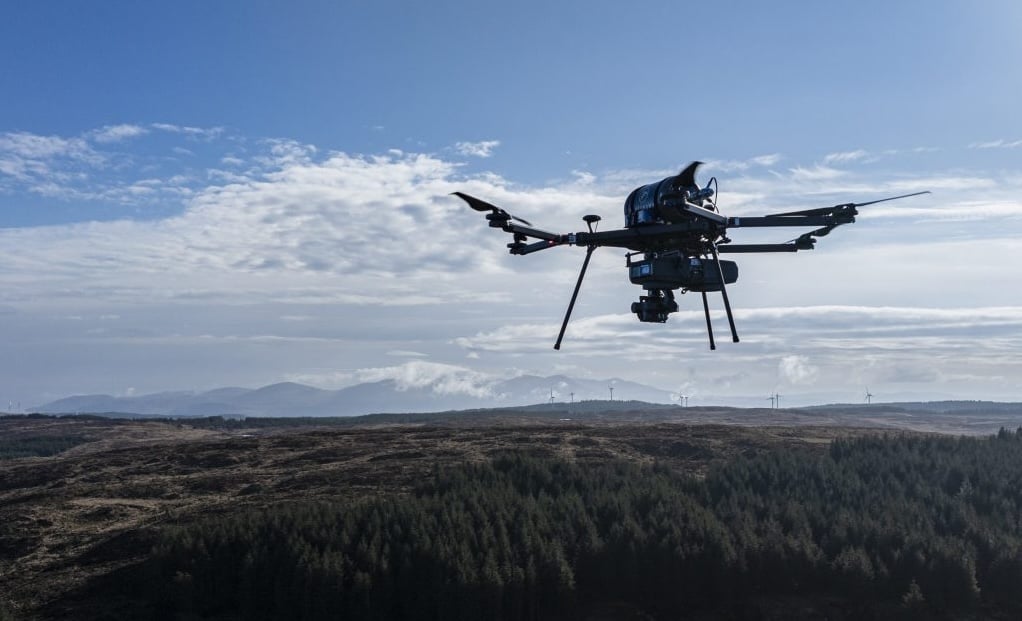
Intelligent Energy states that its lightweight fuel cell modules can be used to fly high-quality cameras, LiDAR sensors and bathymetric LiDAR sensors for up to three hours, compared with around 30 minutes using a battery. The increased range available with fuel cell power can also complement Beyond Visual Line Of Sight (BVLOS) operations.
The operational implications vary by application. When inspecting power lines and pipelines, increased range can reduce the number of stops required, while faster refuelling can reduce downtime.
For offshore wind inspection, Intelligent Energy states that the additional range can allow drones to operate from shore rather than requiring takeoff from a boat. It can also enable more towers to be inspected in a single flight.
Longer periods in the air can help mapping operators cover large areas and capture data. Greater endurance can also make package delivery more efficient and practical as drones are expected to carry larger packages and travel longer distances.
Refuelling UAVs in the Field
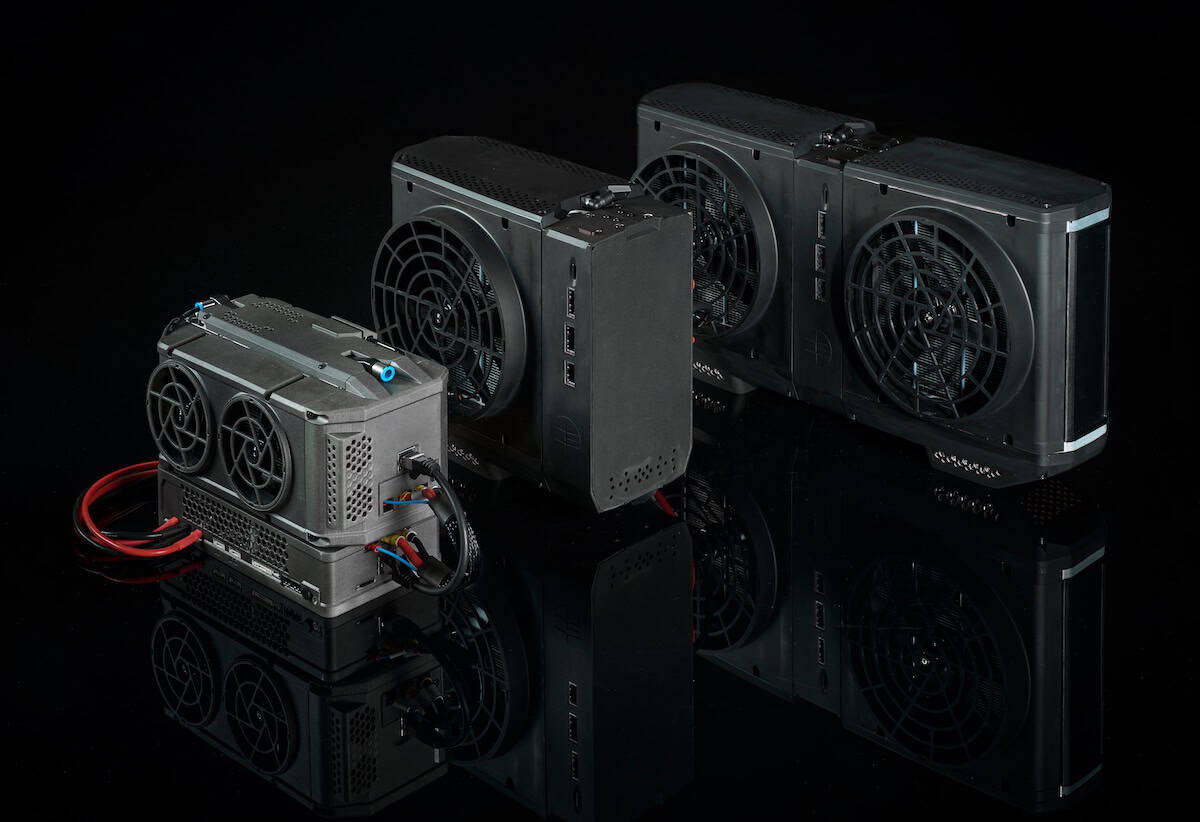
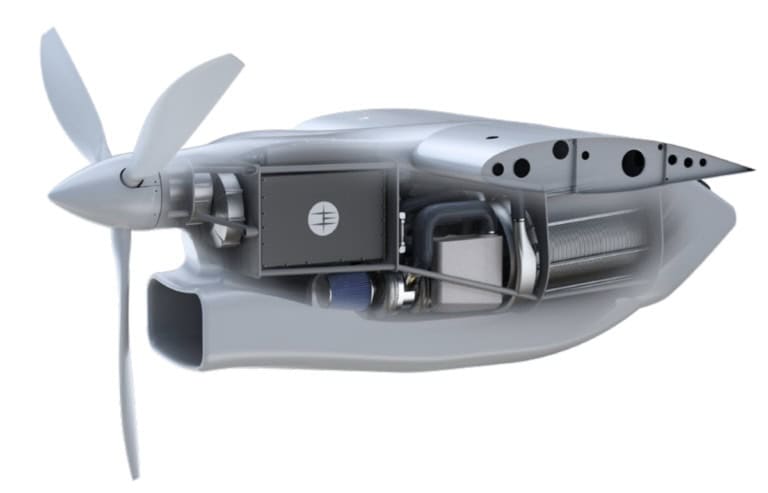
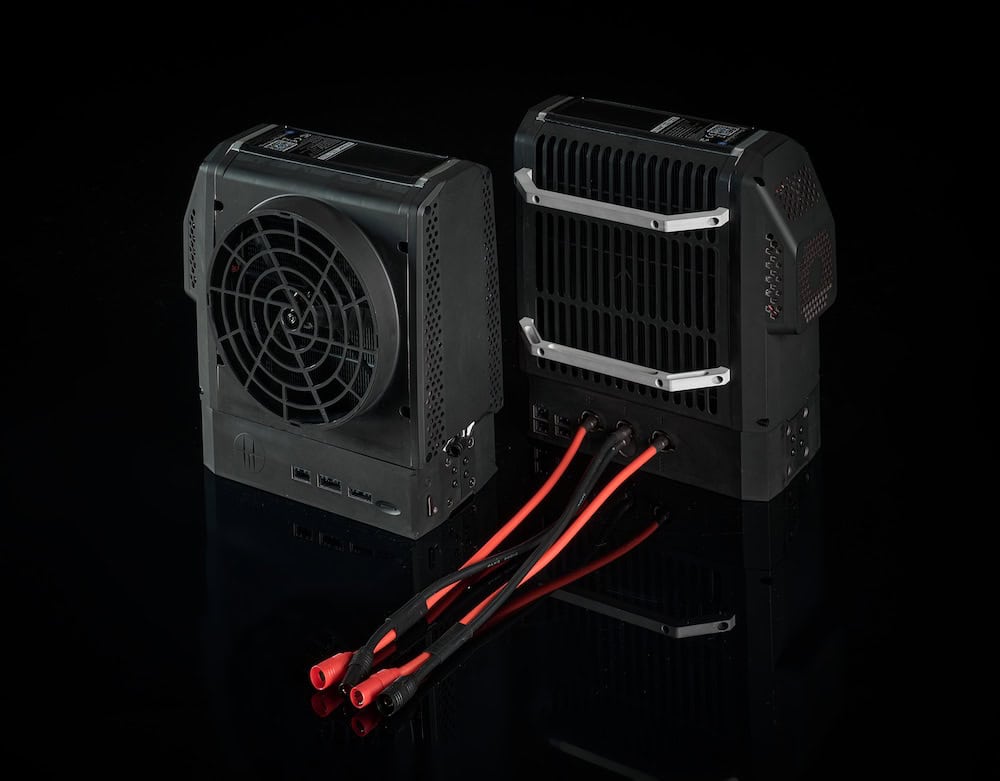
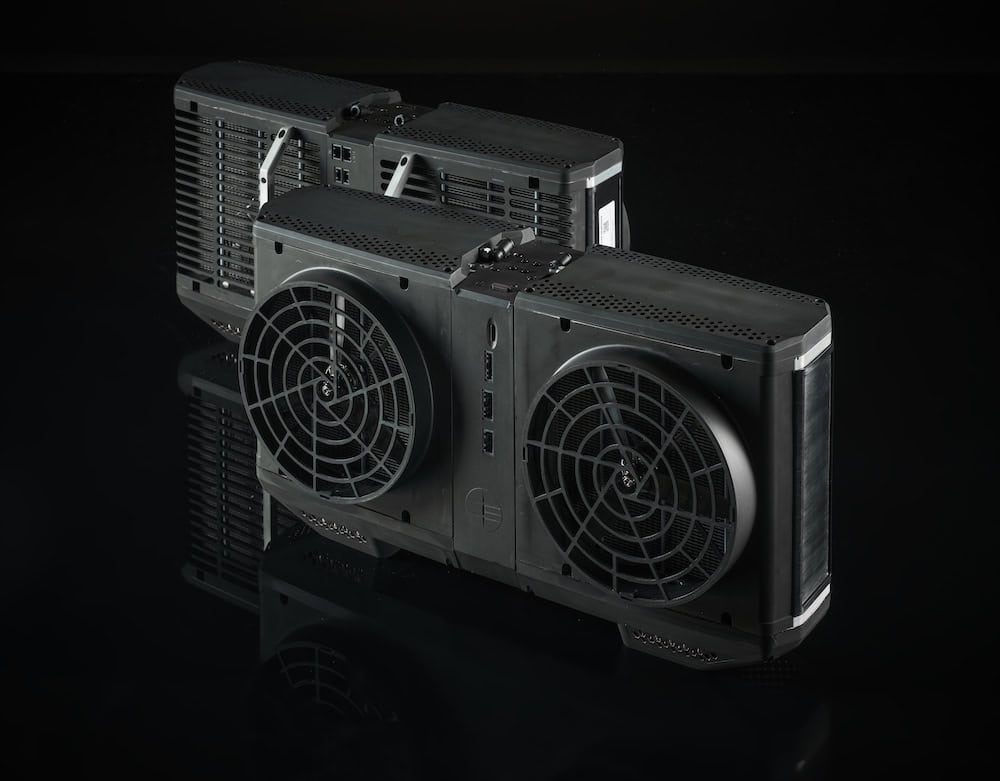
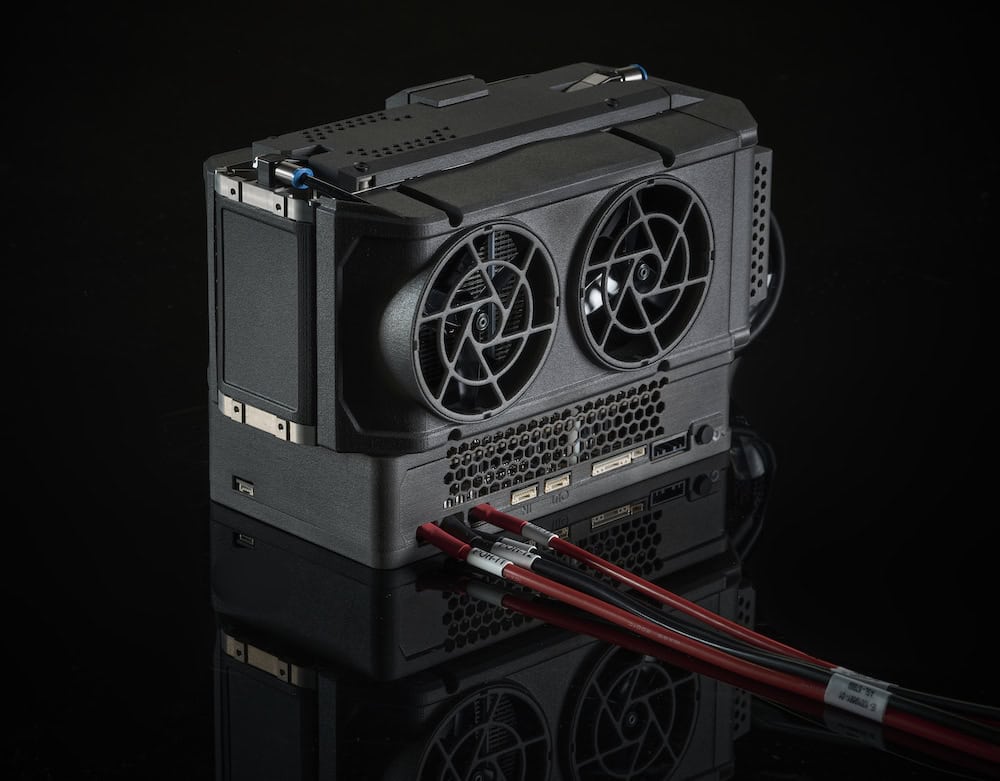
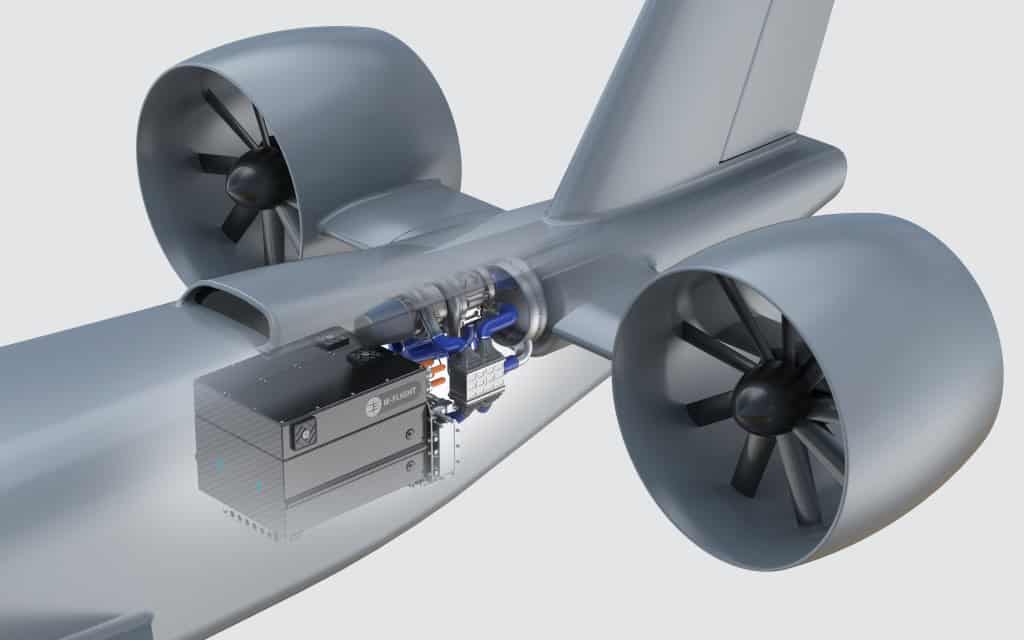
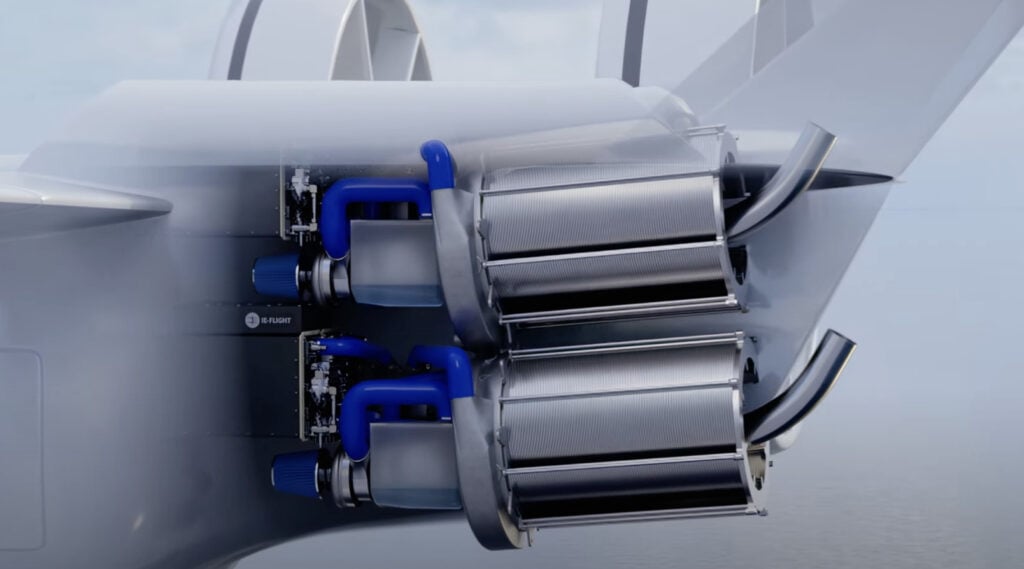
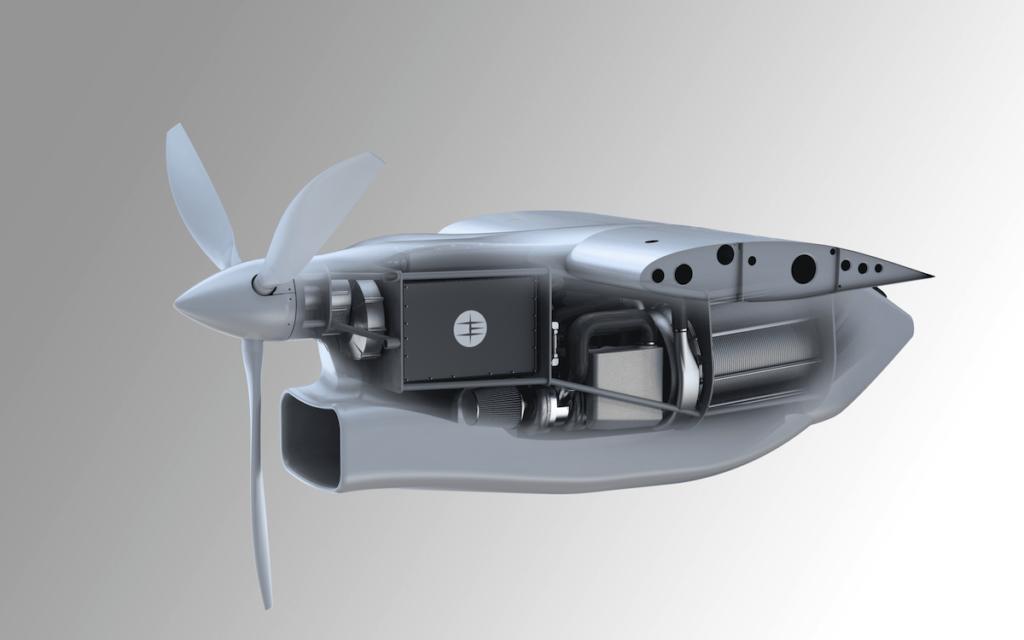
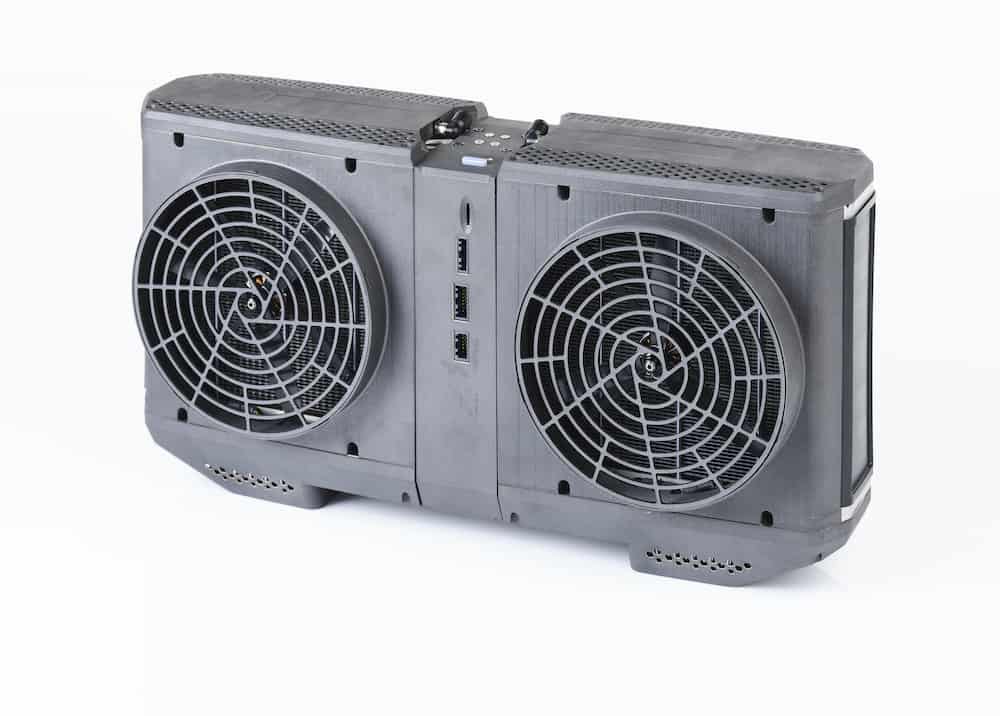
IE-SOAR is Intelligent Energy’s lightweight range of hydrogen fuel cell modules for fixed-wing, rotary-wing and Vertical Take Off and Landing (VTOL) applications. The company attributes the longer flight times available with the technology to a higher energy-to-mass ratio compared with batteries.
Turnaround between flights is another consideration. Intelligent Energy states that fuel cells can be refuelled in minutes. Once a UAV has landed, its hydrogen cylinder can be exchanged, or portable refuelling infrastructure can be used to refill the cylinder mounted on the platform.
The company has applied its fuel cell technology through a collaboration with ISS Aerospace, building the hydrogen fuel cell that powers the SENSUS UAV.
Intelligent Energy states that a lithium polymer battery would give the SENSUS UAV 30 minutes of flight time and a range of 25 km. With a fuel cell and hydrogen cylinder onboard, the aircraft would offer up to 90 minutes of flight and a range of up to 75 km.
Comparing Approaches to Longer Flight
Hydrogen fuel cells are one approach to increasing UAV endurance. Intelligent Energy also identifies solar power and Internal Combustion (IC) engine hybrid power as alternatives.
Solar cells convert sunlight into electricity, which is stored in batteries or supercapacitors. Intelligent Energy identifies variable solar radiation, low efficiency and low power density as disadvantages compared with hydrogen fuel cells.
IC engines can compete with fuel cells in terms of range, according to the company. Intelligent Energy identifies noise, vibration and maintenance requirements among their drawbacks, while stating that frequently used fuel cells can operate for thousands of hours without requiring maintenance.
The Relationship between Endurance and Payload
The endurance available from a fuel cell-powered UAV is dependent on the aircraft and its configuration rather than a single flight-time figure. Factors include drone size, payload, fuel cell power rating and hydrogen storage.
Andy Kelly, Head of the IE-SOAR Product Line at Intelligent Energy, commented, “The flight time of a fuel cell-powered drone depends on several factors – including drone size, payload, fuel cell power rating, and hydrogen storage – but they typically fly much longer than battery-powered drones. You can expect a fuel cell powered drone to fly 3-5 times further than a battery powered alternative, with fixed wing platforms flying beyond 7 hours.”
Weight is also relevant when considering how much energy can be carried onboard. Intelligent Energy states that hydrogen fuel cells store more energy per kilogram than lithium-ion batteries, and that matching a fuel cell’s power output with batteries would require a greater number of batteries, adding weight to the UAV platform.
The company’s IE-SOAR fuel cells are designed specifically for drone applications. According to Intelligent Energy, the power source usually reduces drone weight compared with battery alternatives, providing operators with room for greater payloads or longer-range flights.
Learn more about Intelligent Energy’s hydrogen fuel cells for UAVs >>