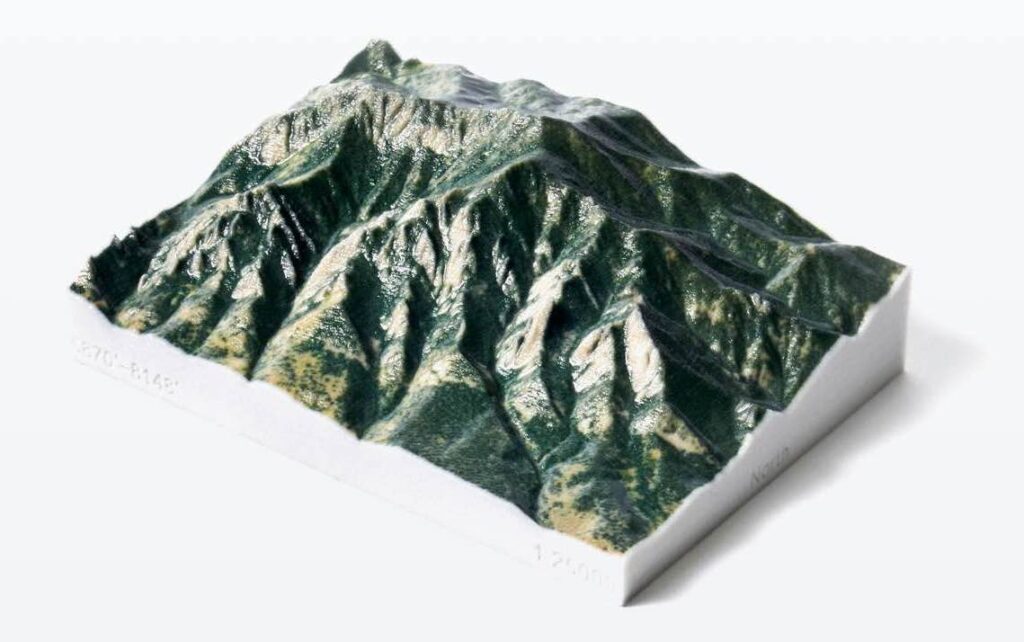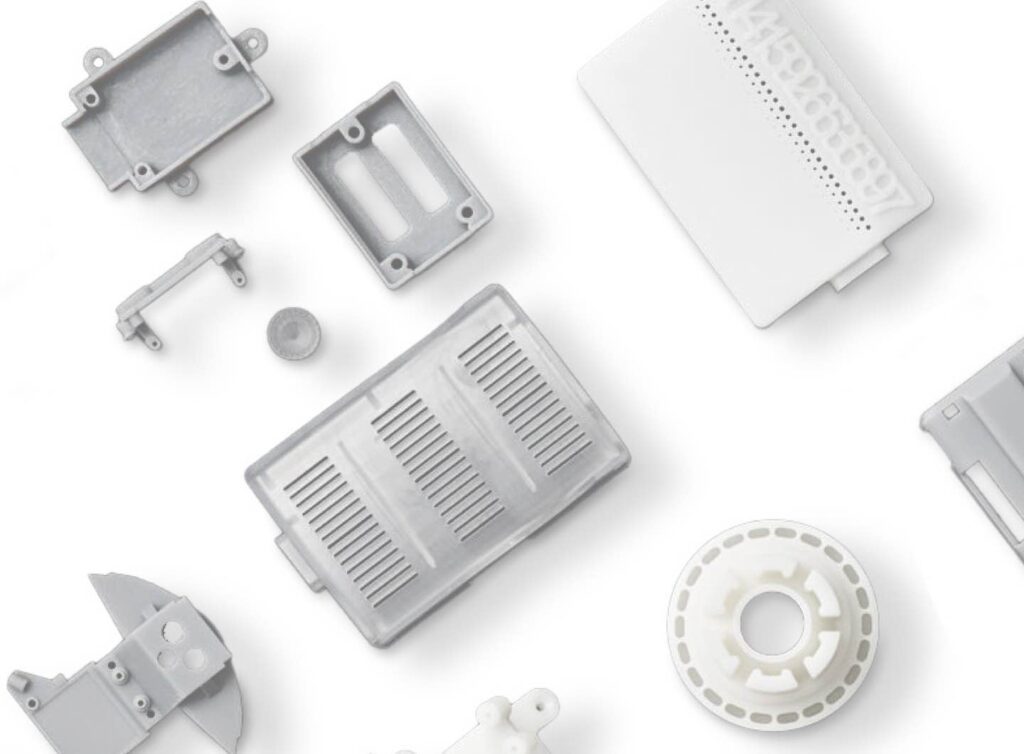



Shapeways has established its platform around the principle that material science, rather than printing machinery alone, dictates the boundaries of next-generation hardware manufacturing.
Advancements in Chemistry and Industrial Relevance
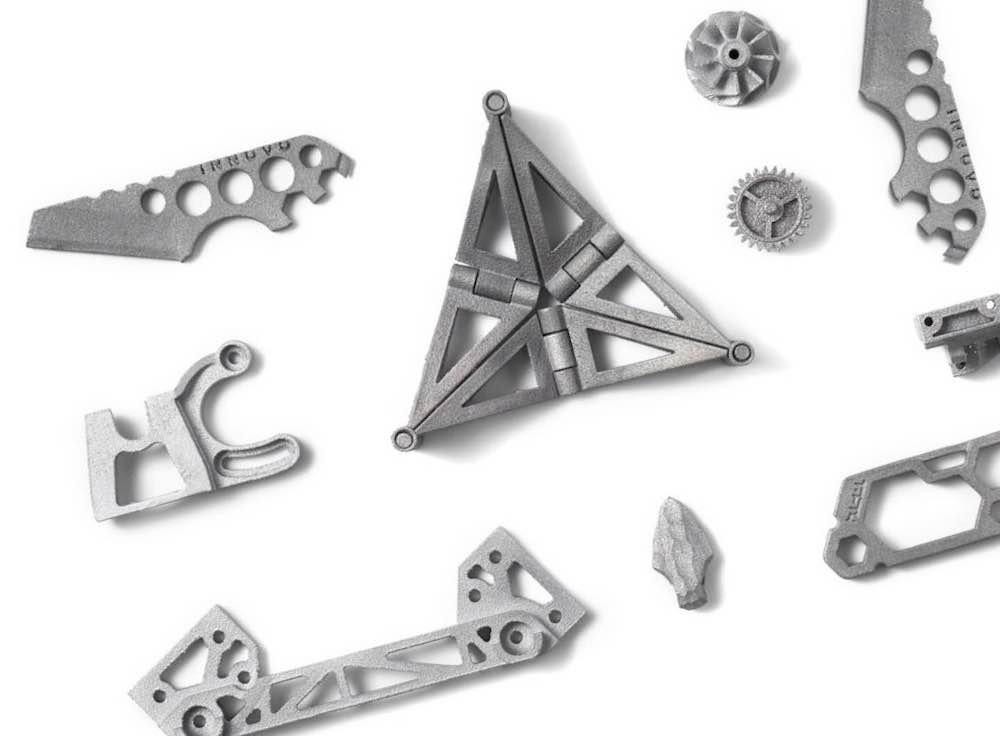
Historically, additive manufacturing has encountered constraints related to mechanical performance, consistency, and certification for end-use production. The company has observed that modern formulations have begun achieving properties comparable to cast metals and injection-moulded plastics, facilitating repeatable production volumes rather than purely visual prototypes. Engineering teams have increasingly shifted focus toward evaluating whether specific formulations deliver required thermal, chemical, and mechanical behaviours, enabling simplified supply chains, localised manufacturing, and on-demand component delivery.
Expanded Industrial Polymer and Optical Portfolio
To expand the scope of applications addressable via additive manufacturing, Shapeways has introduced four specialized industrial materials:
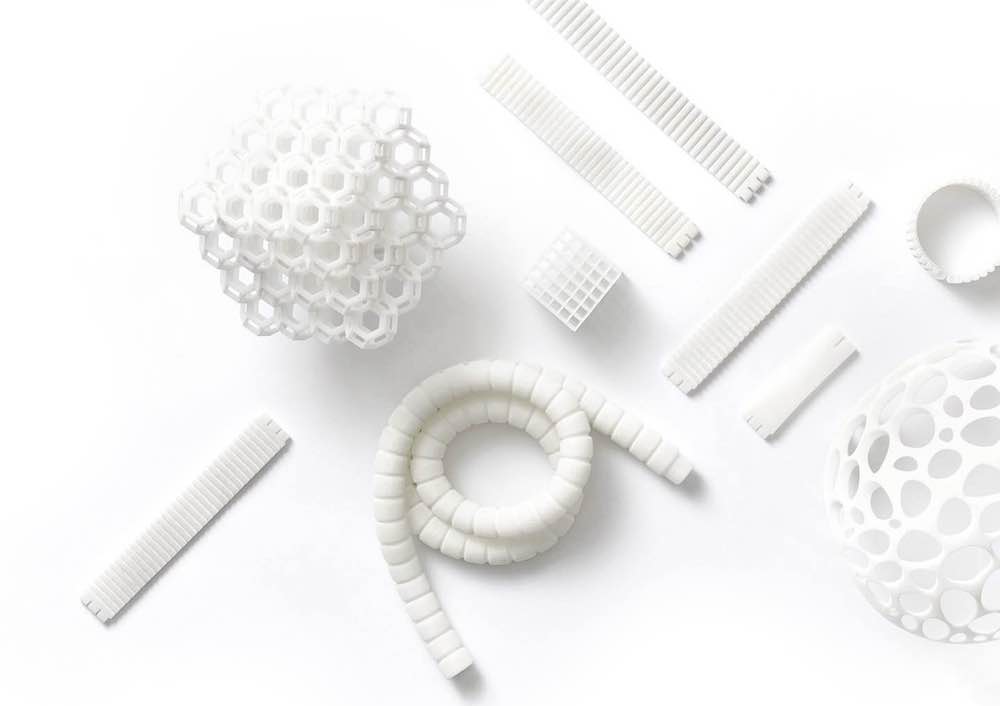
- SAF™ Polypropylene (PP): Has provided lightweight, chemically stable, and fatigue-resistant characteristics suitable for sealing components, fluid-handling parts, and flexible elements.
- SAF™ Nylon 11 (PA11): Has introduced enhanced ductility and impact resistance for structural components, protective enclosures, and flexible joints undergoing continuous cyclic loading.
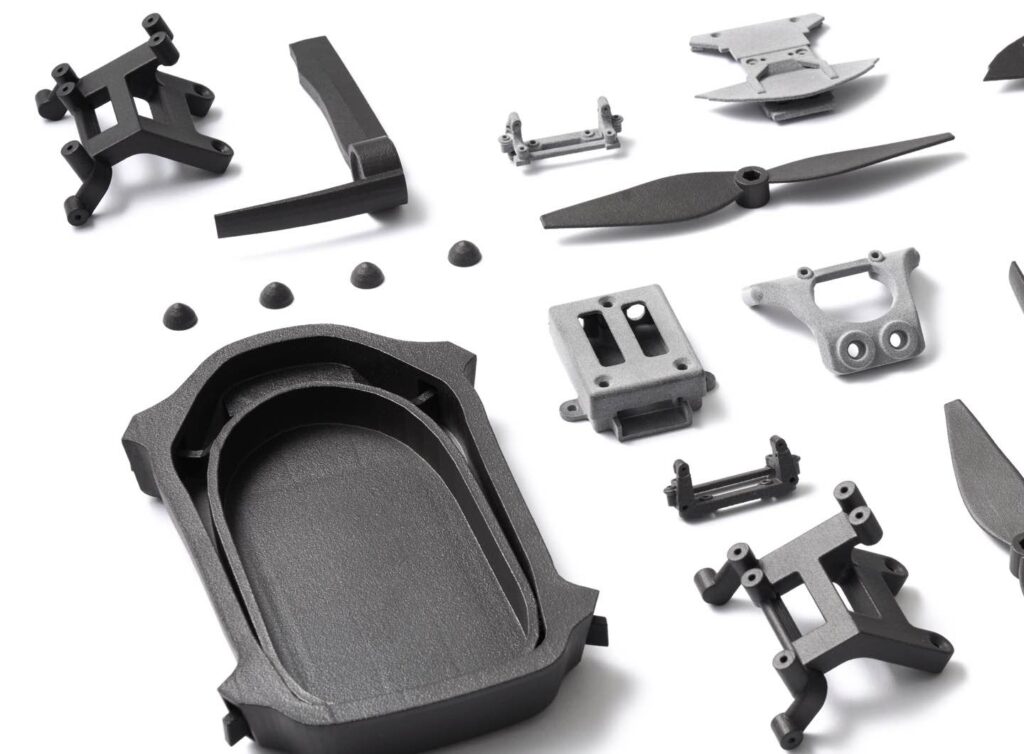
- Somos® Watershed Black: Has delivered tight dimensional precision and refined surface finishes for functional enclosures where aesthetic presentation is critical.
- Somos® Watershed XC 11122: Has provided optical transparency for engineering applications requiring visual clarity, including fluidic systems, light guides, and specialized lenses.
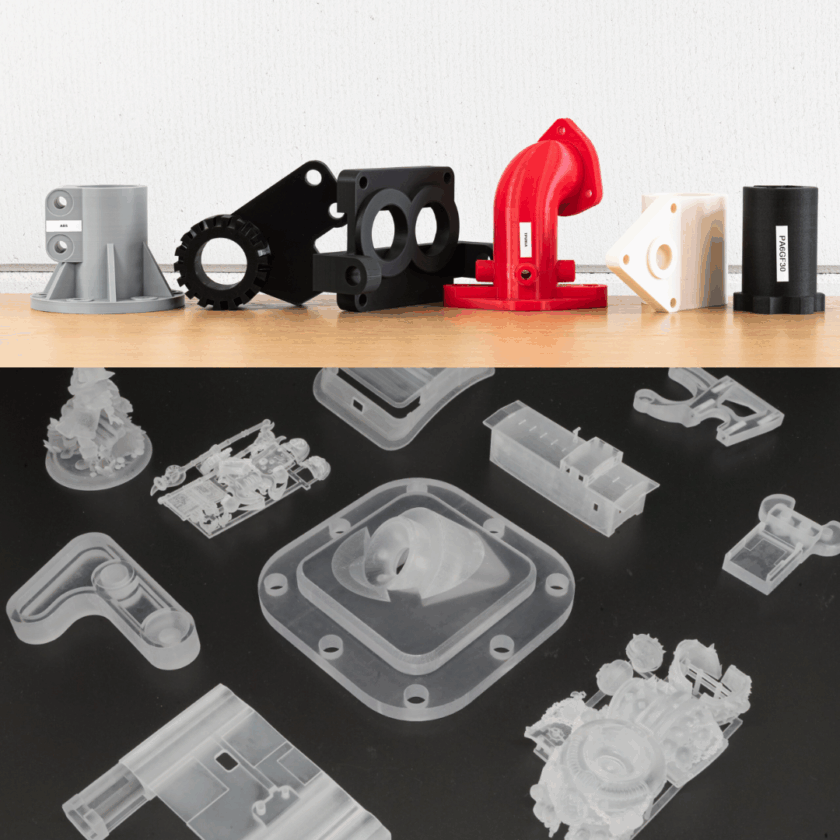
Highly precise parts in Somos Watershed Black and Watershed XC 11122.
High-Performance Carbon-Fibre Composites
The organisation has further broadened its fused deposition modelling (FDM) capabilities by incorporating advanced reinforced filaments engineered for extreme operating environments:
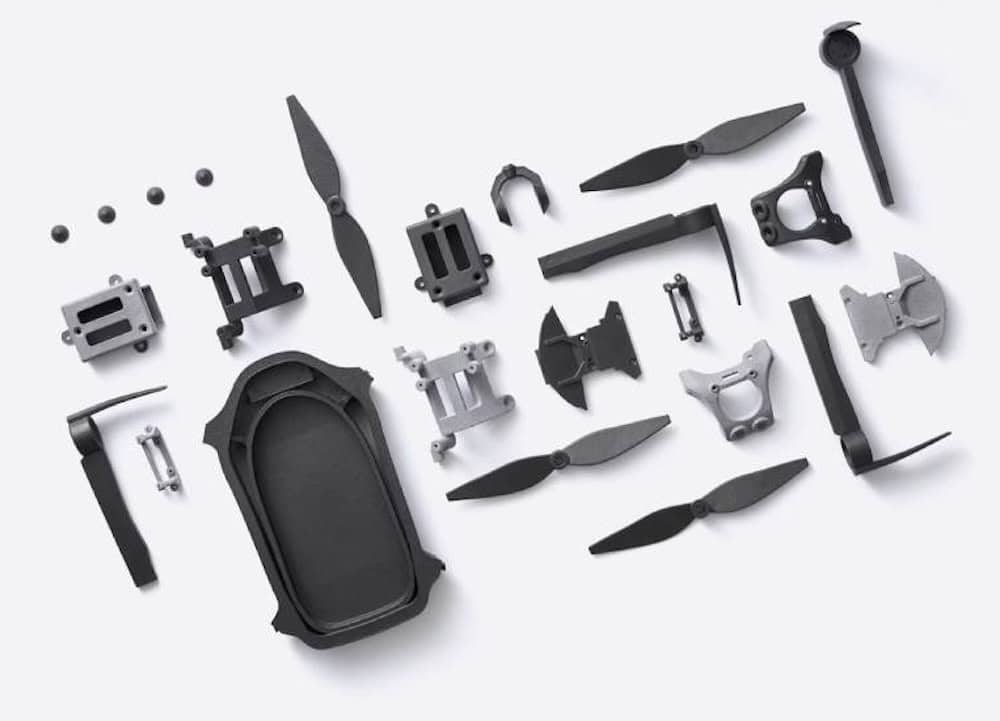
- PPA-CF (carbon-fibre-reinforced polyphthalamide): Has achieved high stiffness, dimensional stability, and strength at roughly half the weight of aluminium, with heat deflection temperatures reaching up to 188°C for lightweight tooling, brackets, and structural housings.
- PPS-CF (carbon-fibre-reinforced polyphenylene sulfide): Has attained heat deflection limits near 252°C alongside UL 94 V-0 flame-retardant ratings and broad chemical resistance, serving harsh industrial, aerospace, electronic, and automotive applications.
Strategic Implications for Hardware Manufacturing
The enterprise has emphasised that materials science now serves as the defining frontier for additive adoption. As global supply chain continuity and localized production requirements continue to influence industrial operations, the capacity to fabricate lightweight, certified parts on demand has emerged as an operational differentiator. Further technical details and portfolio updates have been made available on the company website.
Read How innovation in AM materials is powering next generation hardware for more information.