











Showcase your capabilities
If you design, build or supply Drone Motors, create a profile to showcase your capabilities and connect with visitors who have an active requirement for your solutions.





Drone motors convert electrical energy into rotational torque to generate lift or propulsion in Unmanned Aerial Vehicles (UAVs). These components underpin UAV performance, influencing payload capacity, maneuverability, and endurance across multirotor and fixed-wing platforms.
This page showcases leading drone motor manufacturers and UAV motor suppliers offering BLDC, PMSM, and brushed designs, along with inrunner and outrunner architectures.
Read the Technology Overview
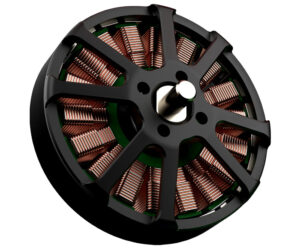
High Performance Electric Propulsion Systems for Uncrewed and Autonomous Platforms

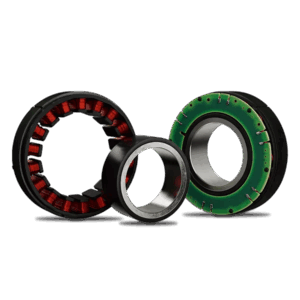
Cutting-Edge Precision Motor & Motion Solutions for Unmanned Aerial Vehicles

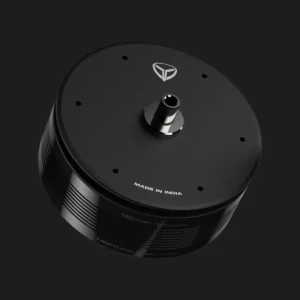
Unified Propulsion Systems for Mission-Critical, High-Reliability UAV Platforms

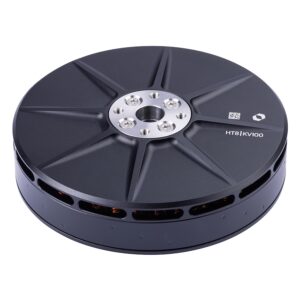
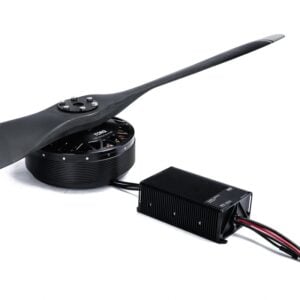
Drone Motor Controllers & NDAA-Compliant Drone ESCs for Brushless Electric Motor Control

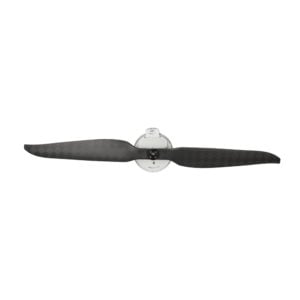
Innovative Integrated Propulsion Systems for Professional Multirotor & Fixed-Wing Drone Platforms


Power & Propulsion Solutions for UAVs: Drone Motors, ESCs, Batteries & Propellers

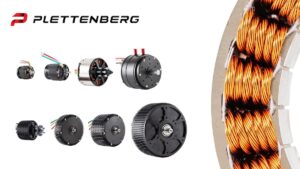
COTS & Custom Drone Propellers, Brushed & BLDC motors, and ESCs for UAVs

If you design, build or supply Drone Motors, create a profile to showcase your capabilities and connect with visitors who have an active requirement for your solutions.

Drone motors provide the mechanical force necessary to convert electrical energy into torque. These components are key determinants of a unmanned platform’s lift capacity, maneuverability, and mission endurance. In multirotor systems, UAV motors can deliver both lift and control authority through differential thrust, while in fixed-wing drones, they serve as a primary source of forward propulsion.
The motor operates within a tightly coupled ecosystem including the propeller, Electronic Speed Controller (ESC), and power source. The performance envelope of the entire platform, including payload capacity, acoustic signature, and thermal stability, is dictated by these motor characteristics. As platforms move toward higher levels of autonomy and heavier payloads, the demand for high-efficiency drone motors with predictable behavior across diverse operations is a critical design requirement.
Different UAV motor types are selected according to the aircraft’s size, payload, endurance requirements, torque profile, control precision, and operating environment.
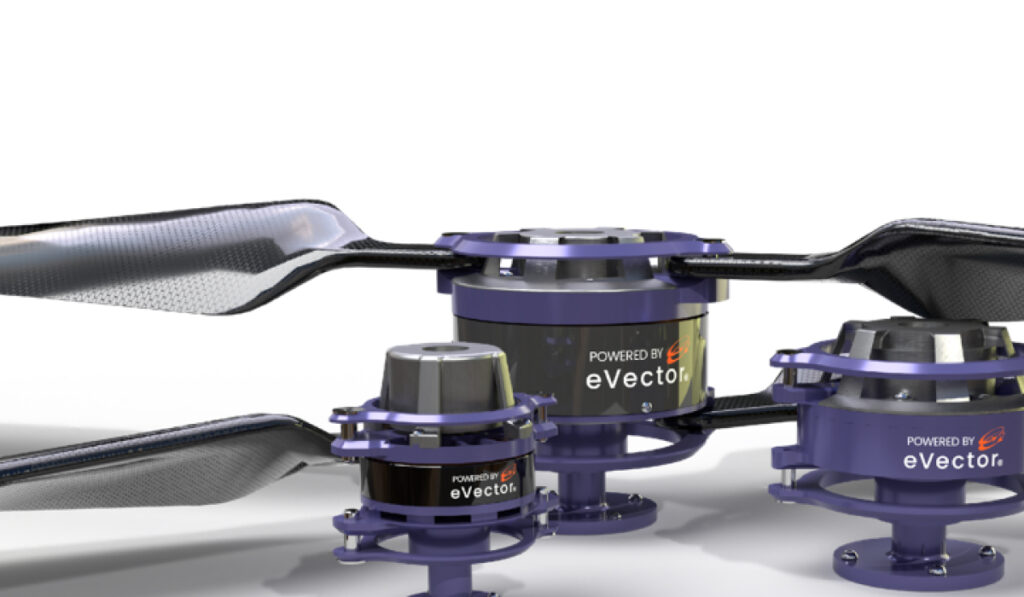
In certain UAVs, particularly those requiring enhanced maneuverability or VTOL capabilities, drone motors may be integrated with thrust vectoring mechanisms. These systems redirect thrust for fine control of pitch, yaw, and roll, improving stability and precision in complex flight conditions.
Small drone motors must operate under strict size and power consumption constraints. Electric motors for drones in this category are optimized for minimal mass to facilitate indoor drone inspections and short-range reconnaissance.
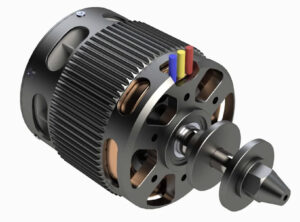
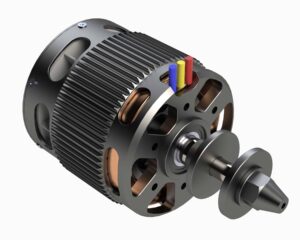
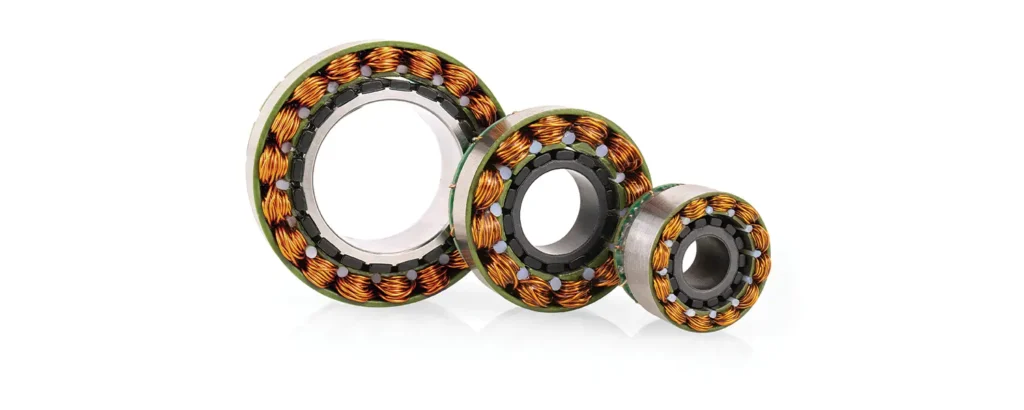
ADVANCE Inrunner BLDC Drone Motors from Plettenberg.
These UAVs rely on multiple drone motors for lift and control. A quadcopter motor setup must ensure consistent thrust output and high reliability across repeated duty cycles, and for maintenance, replacement drone motors must match original specifications to maintain flight stability.
Fixed-wing drone motors are designed to generate forward thrust rather than lift. This shifts the design emphasis toward cruise efficiency, and the motor used in these platforms is optimized for steady-state conditions over extended durations.
Drone motors with heavy-lift capability are required for cargo transport, logistics, and emergency response such as medical supply delivery or firefighting. These motors must maintain thermal stability under continuous high wattage, as failure in these systems carries significantly greater operational risk.
Industrial drone motors operate in demanding environments such as offshore structures or power plants. These motors are often ruggedized and may include a servo motor for drone gimbal control or precise sensor positioning during complex data collection tasks.
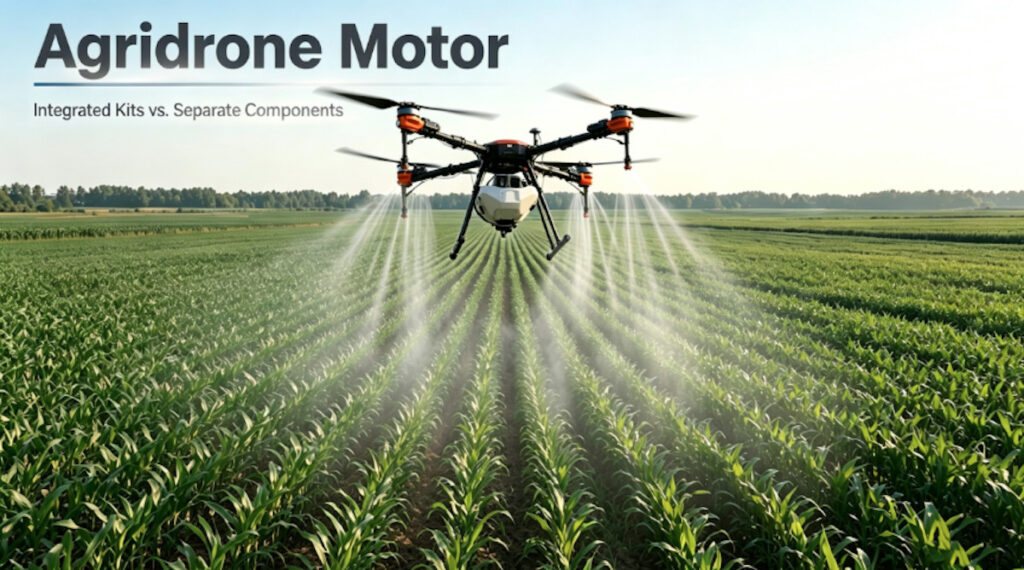
An agriculture drone motor operates in particulate-heavy environments and faces exposure to chemicals. These motors must be robust and capable of sustained operation under the load of heavy spray equipment while resisting corrosive elements.
Military UAVs require reliability and environmental resilience in electromagnetically contested environments. Selection of a drone motor manufacturer often depends on the ability to provide NDAA-compliant systems to ensure supply chain security.
The physical construction of the motor determines its ability to withstand mechanical stress and dissipate heat.
Selecting high-quality materials during the manufacturing phase directly correlates to the lifecycle and MTBF of the propulsion system.
Maintaining operational temperatures is essential for preventing catastrophic failure during long-endurance missions.
Implementing robust thermal and environmental protections ensures that the UAV remains operational in varied climates.
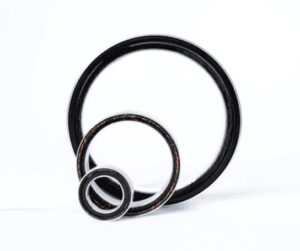
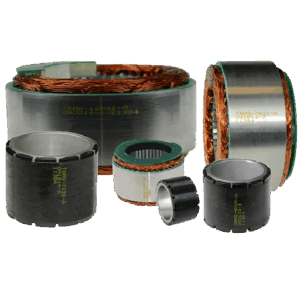
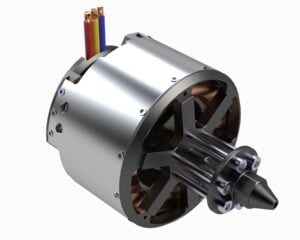
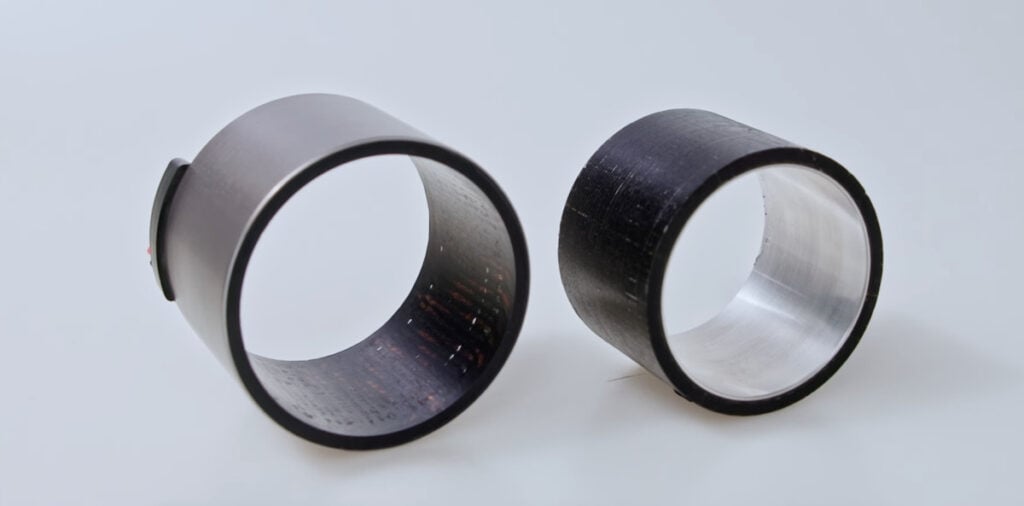
SlimTorq Compact Motors for Drones & Robotics by Alva Industries.
Every UAV motor undergoes testing for vibration, shock, and temperature extremes to ensure reliability in the field. These tests simulate the harsh conditions encountered during maritime or desert deployments.
Electromagnetic compatibility prevents the drone motor from interfering with onboard navigation and communication systems. Proper shielding is required to ensure that the motor does not generate excessive Electromagnetic Interference (EMI) that could compromise telemetry.
In defense applications, supply chain security is a priority for national security interests. Sourcing from manufacturers that offer NDAA-compliant drone motors is essential for securing government contracts and ensuring long-term support.
Lifecycle testing validates long-term performance and assists in predicting maintenance intervals for fleet operations using an electric drone motor for quadcopter or fixed-wing platforms. This data-driven approach reduces the risk of in-flight failures and lowers total cost of ownership.
The future of electric UAV motors is defined by increased data integration and material innovation.
These trends indicate a shift away from simple mechanical components toward intelligent, connected propulsion units that enhance the overall intelligence of the aircraft.


 Searching Companies & Products