


Drone as a Service (DaaS)
Discover cutting-edge solutions from leading global suppliers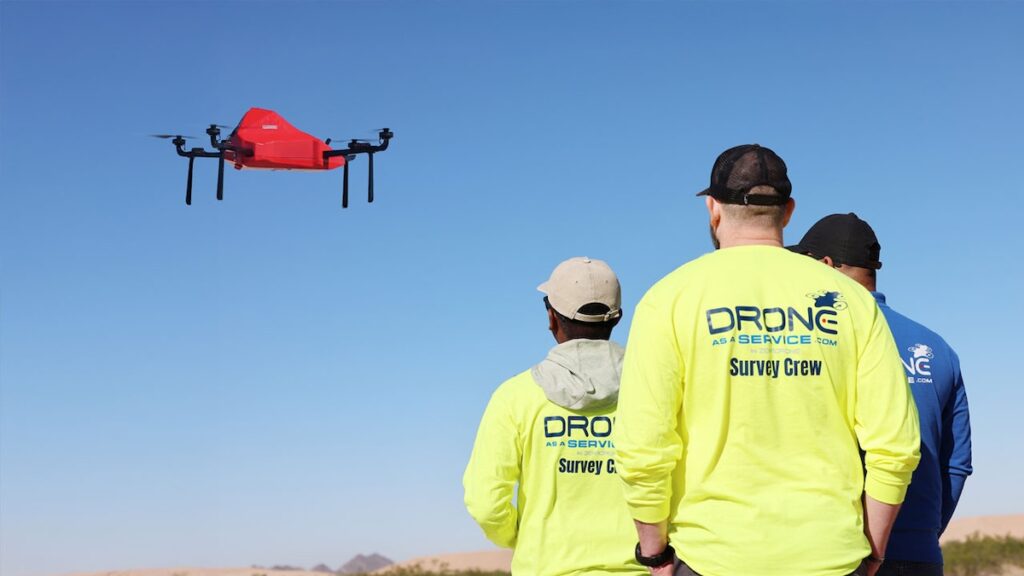
Drone as a Service, a subsidiary of ZenaTech, has launched an operational facility in Mesa, Arizona, marking the first official grand opening for the autonomous aerial service platform.
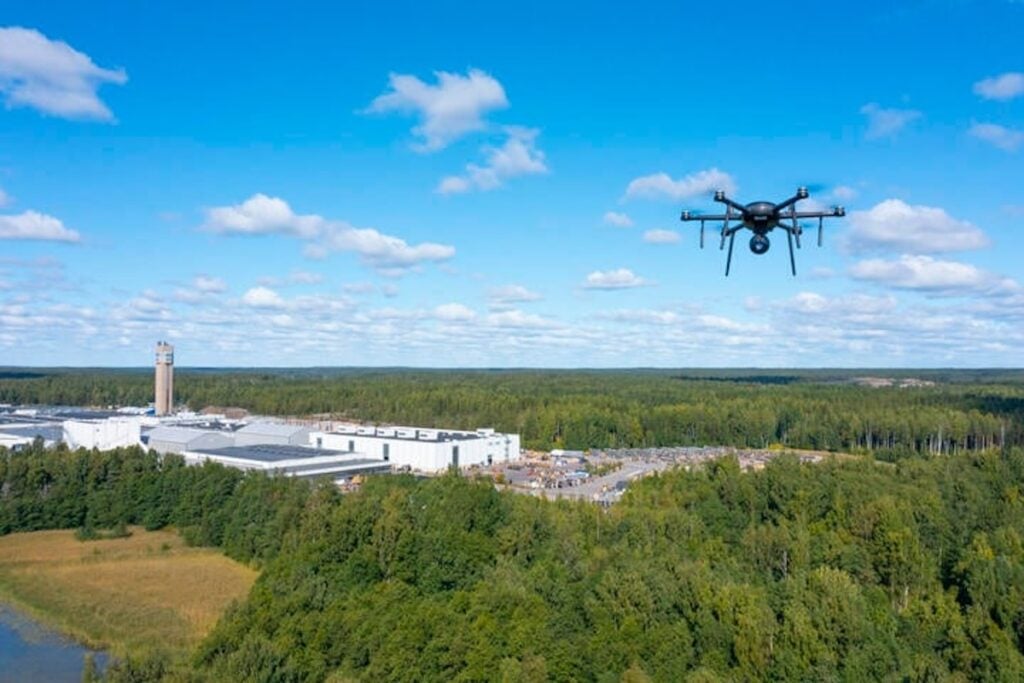
The facility houses a dedicated sales and service center, a fleet of 15 ZenaDrone aircraft, and certified drone pilots to support commercial operations across the region. Operating on both an on-demand and subscription model, the service deploys autonomous aircraft fitted with high-resolution optical cameras and specialized sensors. The system is designed to provide construction firms, agricultural operators, utilities, property managers, and public agencies with aerial surveying, mapping, and automated site inspections paired with AI-driven analytics, eliminating the capital expense of purchasing hardware or maintaining internal flight crews.
The regional opening aligns with broader macroeconomic and workforce pressures in the infrastructure sector. According to Precedence Research, the United States drone services market is projected to expand from over $4 billion in 2025 to nearly $35 billion by 2035. In Arizona, where construction starts were projected to reach $37 billion in 2025 by ConstructConnect, contractors face substantial labor constraints. The Arizona Chapter of the Associated General Contractors estimates a local deficit exceeding 40,000 construction workers, while national NCCER figures project that roughly 41 percent of the current domestic construction workforce will retire by 2031. Implementing automated aerial inspections enables smaller technical teams to capture job site data that previously required larger ground-based crews.
“Arizona has long been a base for ZenaTech, and the official opening of our Drone as a Service Mesa facility to the public marks a significant milestone for us. It is a growing, business-friendly state with strong construction and agriculture sectors that can benefit right away from aerial intelligence,” said Shaun Passley, PhD, CEO of ZenaTech. “Our investment here is about giving local companies and state authorities the same advanced drone capabilities that were once only available to the largest organizations. We are proud and excited to be part of the Mesa business community, and we look forward to bringing drone-based speed, precision and safety to the local businesses that most need it.”
The Mesa location adds to an established network of 40 operational sites across 14 U.S. states, Canada, Europe, and Australia. Company plans outline an upcoming expansion of service capabilities in Arizona to include inventory management, precision agriculture, power washing, and additional automated data collection. In parallel, ZenaTech plans to open an expanded ZenaDrone manufacturing and assembly facility in the coming months to produce compliant, American-made aircraft intended for internal operations and future U.S. government defense requirements.