Heavy Lift Drones
Discover cutting-edge solutions from 14 leading global suppliers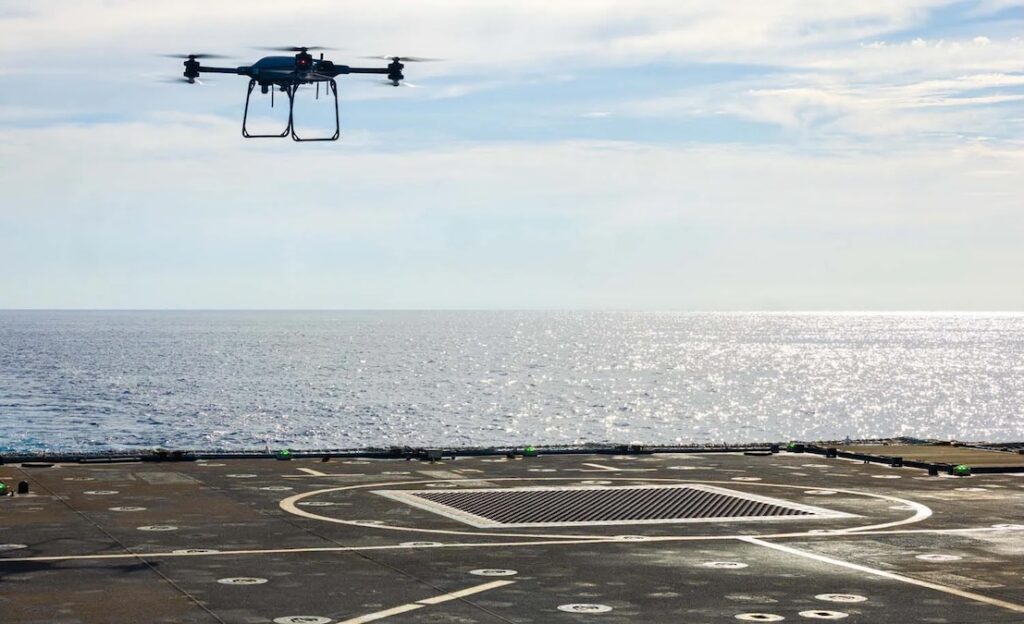
The Royal Navy has successfully completed the first flight of a heavy-lift drone from a River-class Batch 2 patrol ship, marking a significant milestone in integrating uncrewed aviation into maritime logistics and disaster response operations.
Operating in the Caribbean during hurricane season, Portsmouth-based HMS Trent deployed the Malloy T-150B uncrewed aerial system during test sorties managed by Scout Flight from 700X Naval Air Squadron. The quadcopter platform can carry payloads weighing up to 68kg, achieve top speeds of 60mph, and remain airborne for up to 40 minutes. Depending on payload weight, the system operates across ranges between 13km and 37.5km, featuring day or night flight capability alongside thermal imaging equipment.
HMS Trent’s Commanding Officer, Commander Gavin Lowe, said, “This new capability is a fantastic addition to our toolset for humanitarian aid and disaster relief. The team have worked hard to integrate the system into our operations and we’re all very pleased to see the concept realised.”
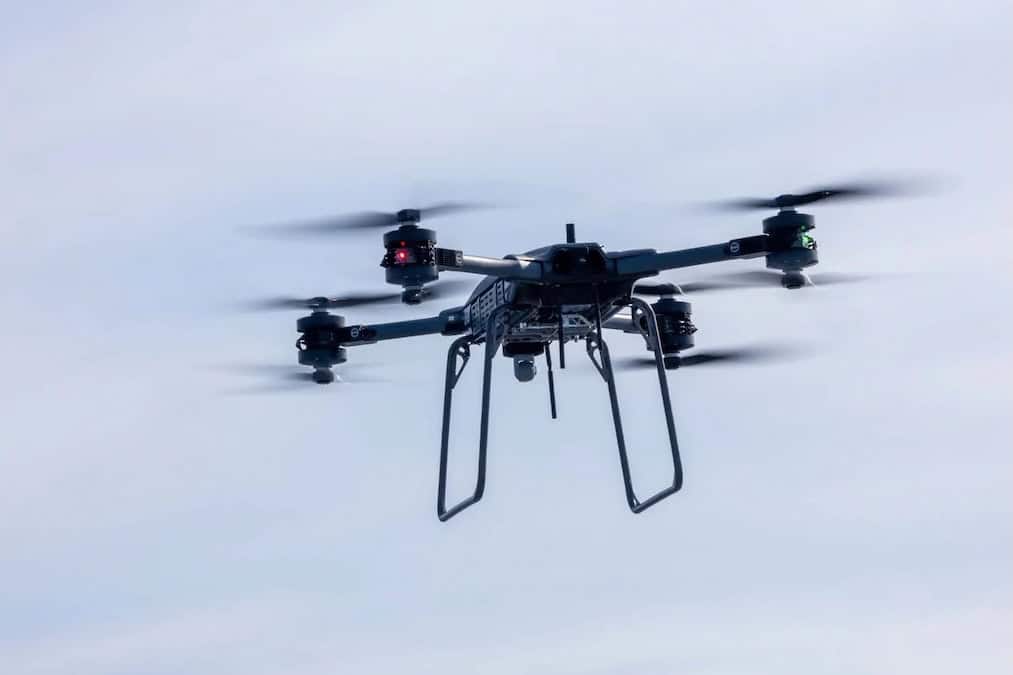
The primary operational application for the platform aboard HMS Trent focuses on humanitarian aid and disaster relief missions. By enabling the rapid movement of food, water, and medical aid, the heavy-lift drone can establish a vital lifeline to communities isolated following natural disasters.
During the Caribbean trials, Scout Flight worked closely with the ship’s bridge and flight deck crews to safely integrate uncrewed launch and recovery procedures onto a moving warship. While HMS Trent’s flight deck is routinely equipped to handle crewed aircraft up to the size of a Merlin helicopter, introducing uncrewed aerial systems required the development of new operating protocols.
Scout Flight Commander, Lieutenant Charles Harper, stated, “Working with HMS Trent, we have gained valuable experience in operating uncrewed systems from the flight deck of a River Class Batch 2, paving the way for more complex resupply operations in the future. The lessons identified during this activity will inform future training, experimentation and capability development as we continue to explore the potential of uncrewed systems at sea.”