Discover World-Leading Unmanned and Autonomous Technologies
Discover cutting-edge solutions from leading global suppliers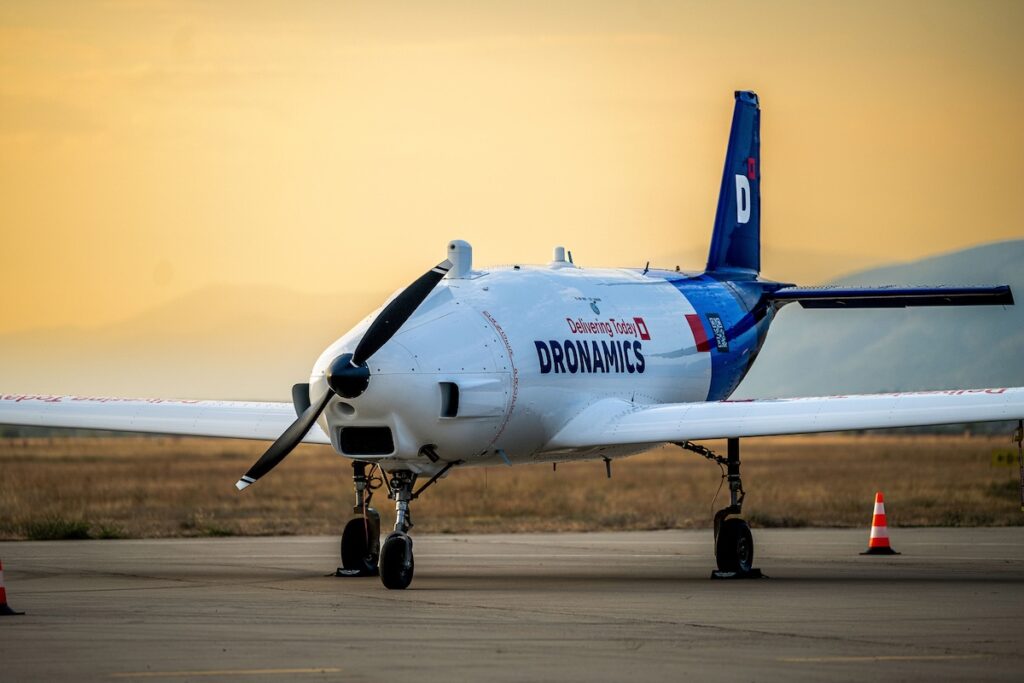
Europe has launched the SESAR IRINA2 project to establish standards and protocols required for the integration of large remotely-piloted aircraft systems into shared European airspace.
Currently, large uncrewed aircraft remain confined to segregated airspace because air traffic management procedures and Detect and Avoid capabilities are not yet mature enough to operate safely alongside crewed traffic. The IRINA2 initiative aims to overcome these scaling barriers by advancing coordinated conflict management concepts beyond Technology Readiness Level 6 toward full operational rollout.
Funded under the European Union’s Horizon Europe program, the project unites leading public and private aviation entities, including EUROCONTROL, SAAB, Thales, Honeywell, BULATSA, and developer Dronamics. Building on initial research into Instrument Flight Rules operations, the initiative examines RPAS integration across both controlled and uncontrolled airspace, addressing flight planning, cross-border procedures, and civil-military coordination.
As a central element of the program, Dronamics will contribute its flagship Black Swan platform for live flight trials conducted jointly with the Bulgarian Air Traffic Services Authority. These flight demonstrations will evaluate real-time interactions with air traffic management systems, refine cross-border procedures, and assess air traffic controller workload when managing mixed environments of crewed and uncrewed aircraft.
Validation results from the flight exercises will directly support ongoing certification and standardization work. This operational data will feed directly into key governing bodies, including the European Union Aviation Safety Agency, the European Organization for Civil Aviation Equipment, and the International Civil Aviation Organization.