Cross-border collaboration through innovative research and development, manufacturing capabilities, supply chains, and practical experience will be key to accelerating the development of the next generation of autonomous systems.
The framework for this trilateral ecosystem was recently outlined at the launch press conference of the Japan-Ukraine Drone Cluster held at the Foreign Correspondents’ Club of Japan in Tokyo on July 6. Chien Hao-ting, CEO of Jiin Ming Industry Co., Ltd., attended as the sole corporate representative invited to speak, joining Kateryna Yavorska, president of the Ukrainian Chamber of Commerce and Industry in Japan, and Yoshihiko Okabe, a professor at Kobe Gakuin University, to discuss the development trends of unmanned systems and the direction of cross-regional ecosystem cooperation.
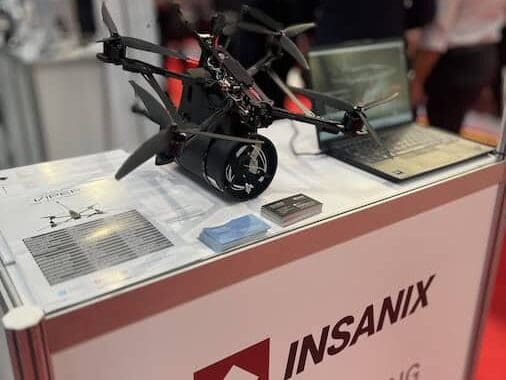
Jiin Ming Industry Co., Ltd. is the parent company of INSANIX, a developer of next-generation autonomous unmanned aerial vehicle solutions designed to excel on the modern battlefield.
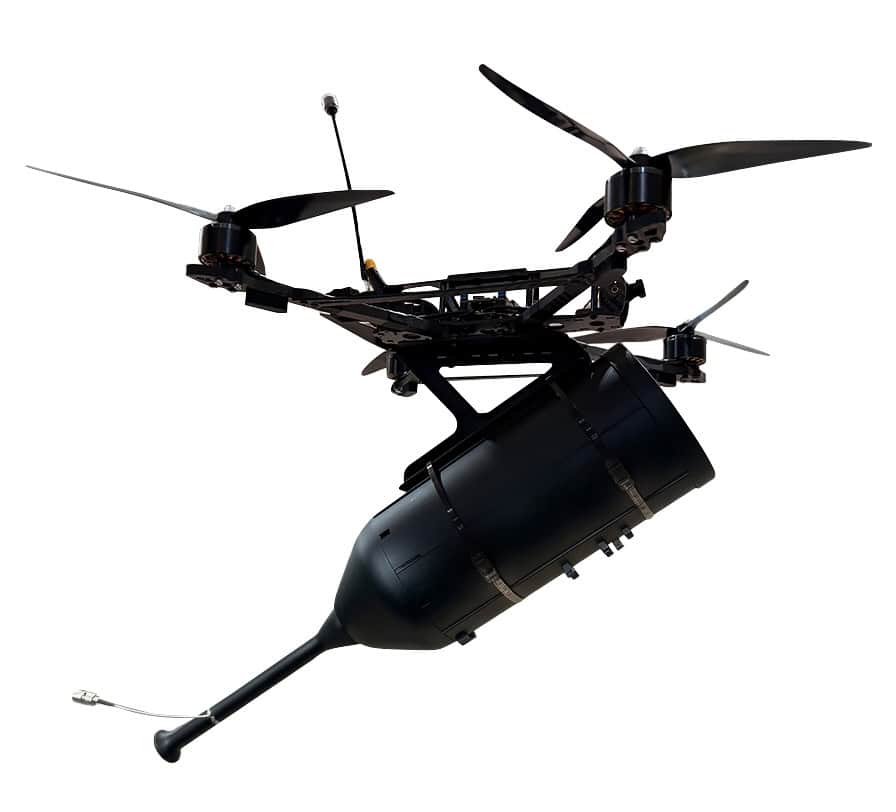
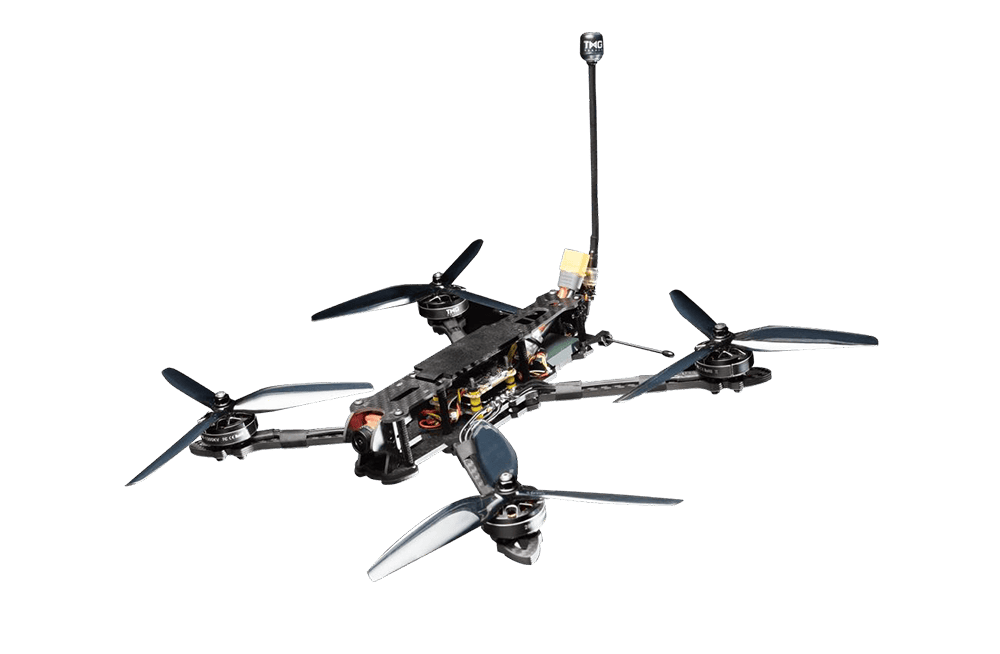
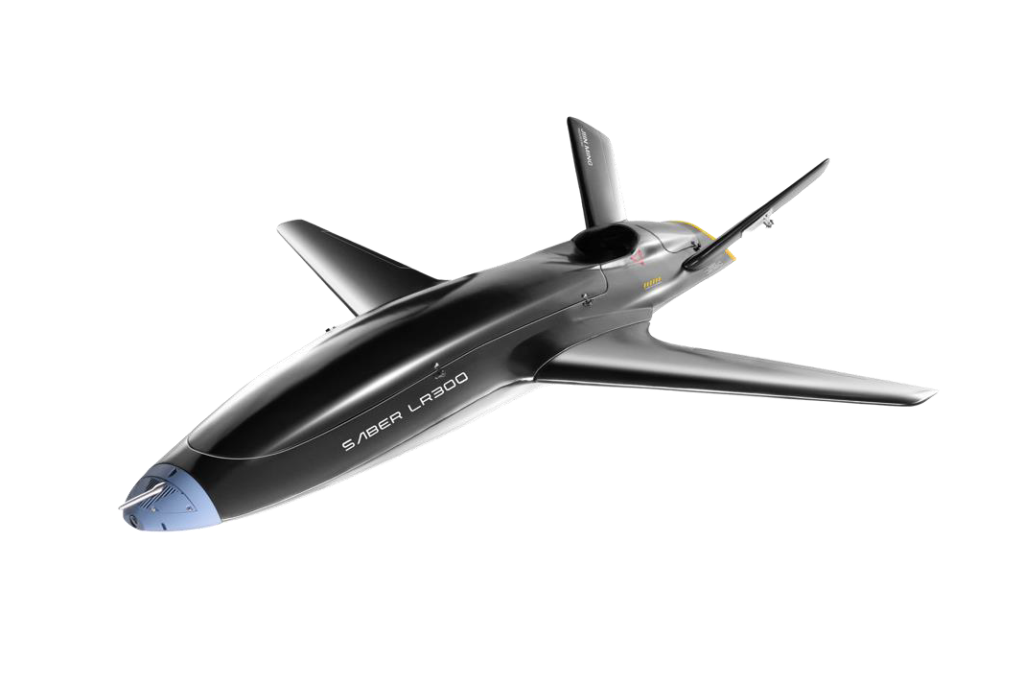
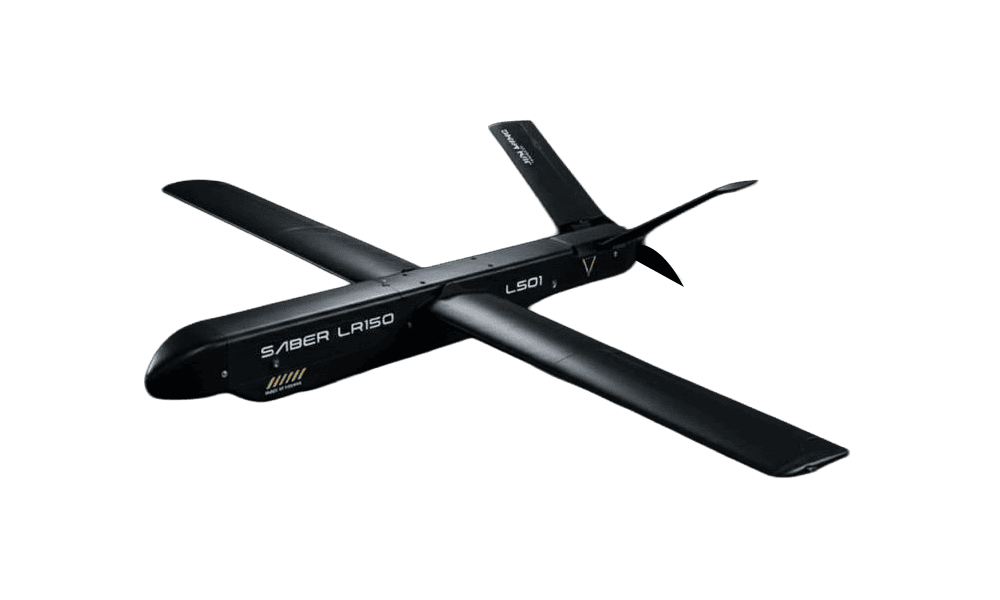
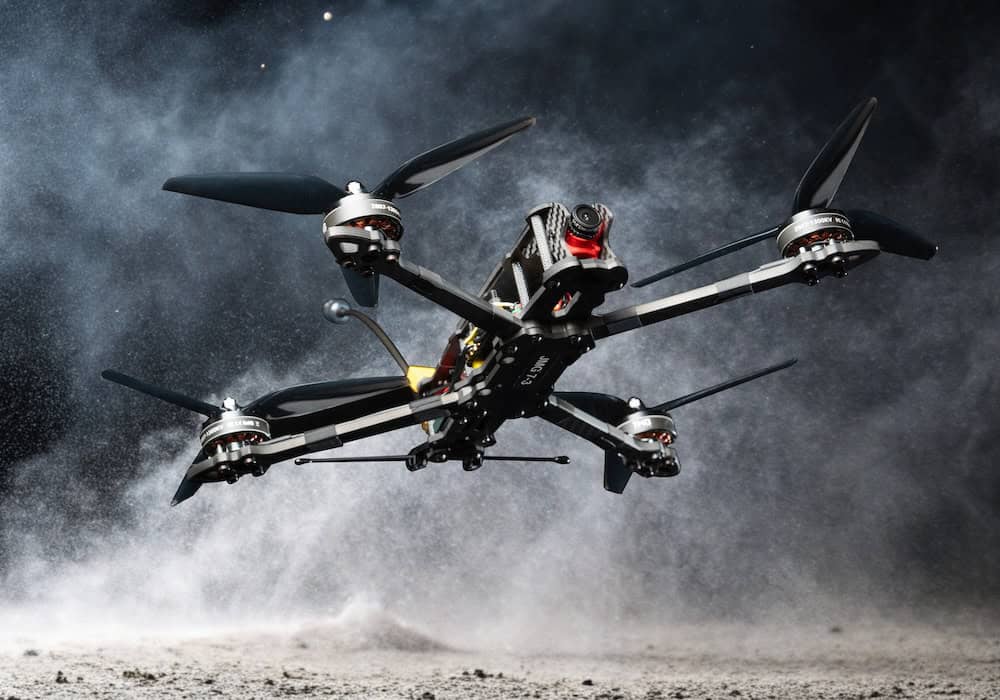
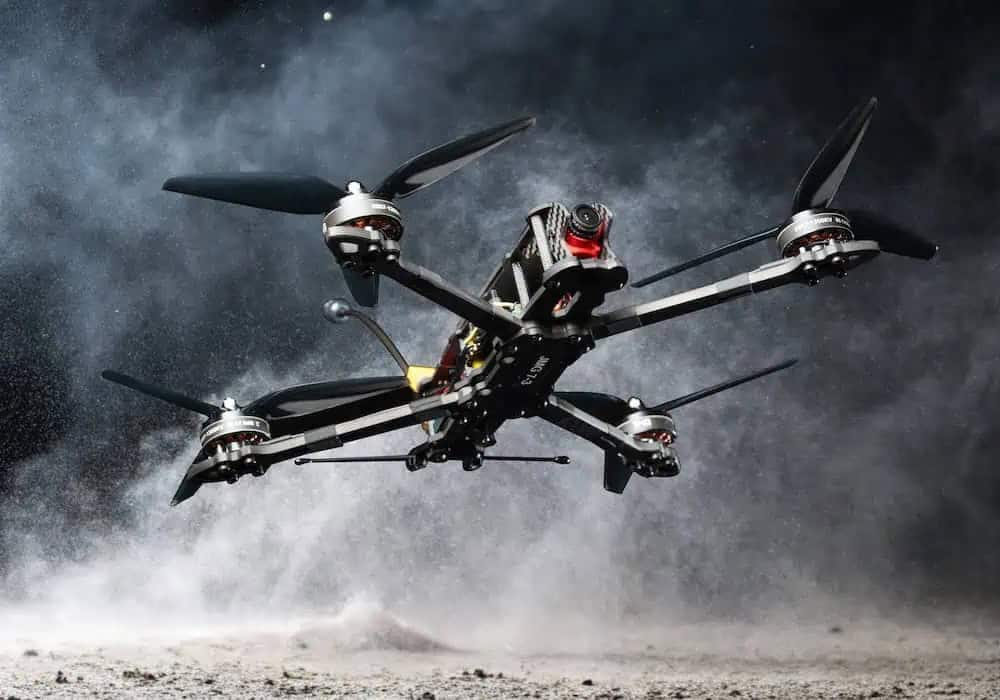
Positioned as a non-red supply chain provider and a complete solution for Taiwanese manufacturing, Jiin Ming Industry Co., Ltd. invests in the research and development of autonomous unmanned vehicles, flight control systems, and related key technologies. Its current product portfolio includes the VIPER series drones and the JMG Flight Remote Controller, covering independent research and development capabilities for both unmanned vehicles and ground control systems. Following a recent expansion into the European market, this latest development represents the company’s continued efforts to broaden its international industry dialogue footprint.
The initiative, driven by the company’s participation in the Japan-Ukraine Unmanned Aerial Vehicle Industry Alliance initiated by the Ukrainian Chamber of Commerce and Industry in Japan, aims to promote the exchange of technologies, manufacturing capabilities, and application experience related to the unmanned systems industry. The primary focus centers on development in areas such as disaster prevention and response, infrastructure inspection, medical logistics, maritime safety, and public safety. The event brought together industry representatives from Japan, Ukraine, Taiwan, and Southeast Asia to discuss the development direction and industry cooperation models for the next generation of autonomous systems.
As the application of unmanned vehicles continues to expand, global industry competition has extended from single products or technologies to supply chain resilience, system integration capabilities, and practical application experience. Consequently, building an industrial ecosystem that combines reliability and sustainable development capabilities has become a critical issue of concern for the global unmanned systems industry.
However, there is still a lack of stable and reliable communication channels between Taiwanese and Ukrainian companies, and certain barriers remain in areas such as technological cooperation, product verification, and industry matching. This event provides a more efficient exchange platform between Taiwanese and Ukrainian industries, which will help promote the process of technology verification and cooperation.
By leveraging their complementary strengths, the three parties aim to shorten the technology commercialization timeline and accelerate the development of autonomous unmanned systems in the international market. Regarding the specific advantages of the trilateral partnership, Chien Hao-ting stated that Taiwan possesses comprehensive advantages in semiconductors, electronic components, precision manufacturing, and supply chain integration; Ukraine has accumulated rich experience in unmanned systems, communication technologies, and applications and testing in high-intensity environments; and Japan has a strong foundation in quality management, system verification, and industrial implementation. If the three parties leverage their complementary strengths, it will help shorten the technology commercialization timeline and accelerate the development of autonomous unmanned systems in the international market.
Establishing long-term and reliable cooperative relationships between Japan, Ukraine, Taiwan, and Southeast Asia remains the central requirement for industry advancement. Jiin Ming Industry Co., Ltd. emphasized that the next stage of development for the unmanned vehicle industry will not be built by a single participant, but will require cross-border collaboration through innovative R&D, manufacturing capabilities, supply chains, and practical experience. Establishing long-term and reliable cooperative relationships between Japan, Ukraine, Taiwan, and Southeast Asia will be key to accelerating the development of the next generation of autonomous systems.