Discover World-Leading Unmanned and Autonomous Technologies
Discover cutting-edge solutions from leading global suppliers
July’s most-read stories on Unmanned Systems Technology reflected the expanding capabilities and applications of uncrewed systems, from connected drone technologies and new propulsion systems to autonomous heavy-lift platforms and airborne sensing.
The coverage highlighted how these technologies are being developed and evaluated across public safety, logistics, defense, and other demanding operational environments.
Connected drone technologies generated significant reader interest as Gremsy and Nokia collaborated to develop 5G-enabled systems for Drone-as-First-Responder applications.
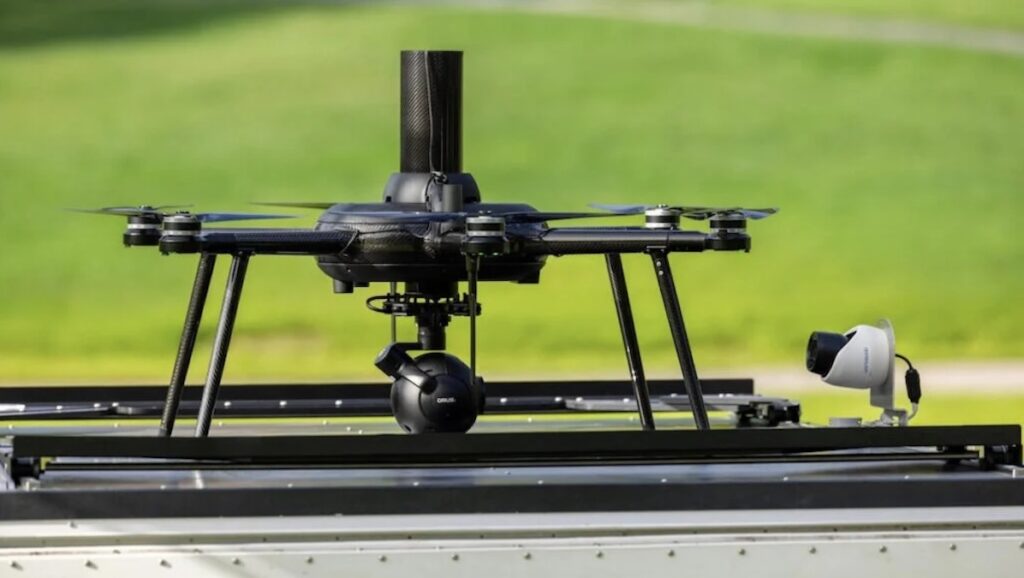
The partnership combines Gremsy’s ORUS L EO/IR dual-sensor payload with Nokia’s 5G-enabled drone ecosystem and docking station, supporting remote deployment and control with real-time situational awareness and ultra-low-latency communications. The integrated system is designed to provide high-resolution video transmission and command execution for public safety and emergency response operations.
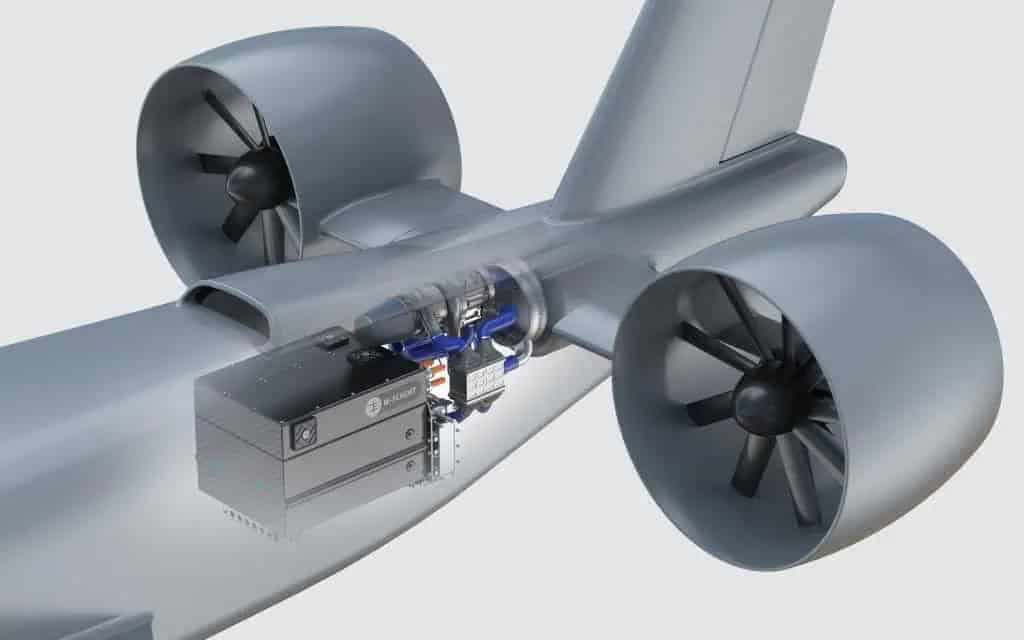
Longer-endurance propulsion was another key focus, with Intelligent Energy unveiling its IE-FLIGHT 120, a 120kW hydrogen fuel cell power system intended for heavy-lift fixed-wing Unmanned Aerial Vehicles (UAVs) carrying payloads of 150kg to 750kg. The new system forms part of the company’s wider IE-FLIGHT range and was announced alongside its largest commercial UAV-sector order to date for its IE-SOAR technology, reflecting continued development of hydrogen fuel cell systems for UAV applications requiring greater endurance and payload capacity.
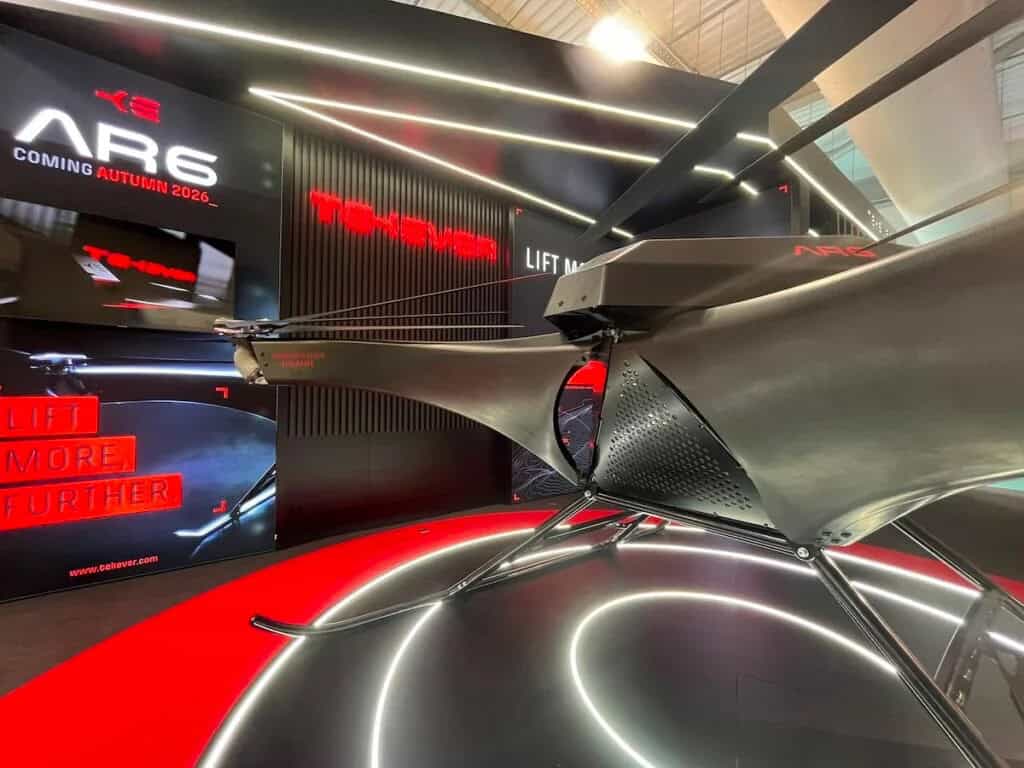
The expansion of TEKEVER’s autonomous product portfolio into heavier payload classes was marked by the introduction of its AR6 family of UK-built heavy-lift autonomous platforms. Designed to carry payloads of up to 200kg over a 500km range, the systems are intended for civil applications including logistics, offshore operations, medical support, search and rescue, and disaster relief, as well as military missions such as casualty evacuation and forward logistics. The military variant is also designed to operate without reliance on GNSS and incorporates autonomy capabilities for multi-platform swarming and crewed teaming.
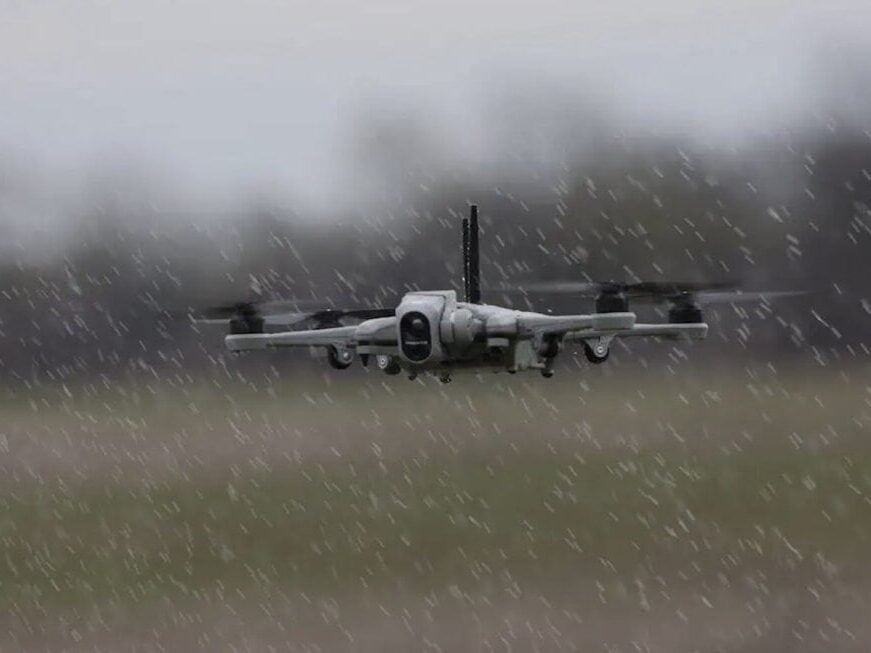
Meanwhile, Red Cat Holdings’ Teal Drones advanced to Gauntlet II of the Drone Dominance Program following its performance in the Phase 2 Qualifier at Camp Grayling, Michigan. Teal Drones was among 19 companies selected to progress from a field of 49 participating companies, following evaluations of approximately 79 unique drones across Long Range Strike and Tactical Assault in Close Quarters mission areas. The next phase of testing is scheduled to take place at Fort Carson, Colorado, in August 2026.
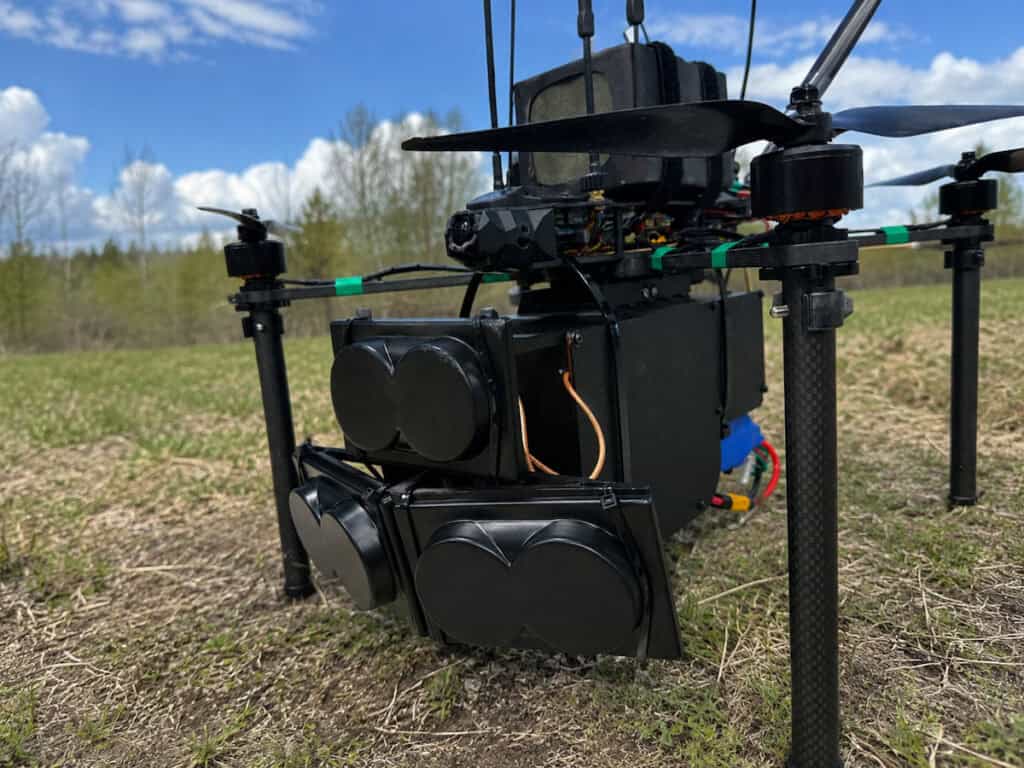
Wrapping up July’s most-read coverage, Sky Spy and Orqa demonstrated an airborne signals intelligence capability during NATO’s Exercise Spring Storm in Estonia. Integrating Sky Spy’s SkyAgent 001 with Orqa’s MRM2-10 FPV drone, the lightweight UAV successfully identified hostile electronic emitters in a simulated electromagnetic attack. The demonstration highlighted the potential of airborne passive RF sensing to provide mobile spectrum awareness and extend the collection of electronic signatures beyond the line-of-sight and terrain constraints faced by ground-based sensors.
Across the five stories, July’s most-read coverage illustrated the range of capabilities being pursued across the uncrewed systems sector, spanning connected drone operations, hydrogen propulsion, heavy-lift autonomy, military drone testing, and airborne RF sensing. The coverage brought together new technology introductions, commercial developments, and demonstrations conducted in operationally relevant environments, offering a snapshot of the varied ways uncrewed technologies are being advanced and evaluated.