
Deep Trekker SPECTRA
HP MJF for Unmanned Systems
General Atomics Aeronautical Systems, Inc

GA-ASI & US Air Force Return YFQ-42A CCA to Flight Testing Following Software Updates

Following a brief strategic pause and successful software remediation, General Atomics Aeronautical Systems' YFQ-42A has resumed flight operations to continue its next-generation technology maturation and risk reduction mission By Olivia Hannam / 26 May 2026
Follow UST

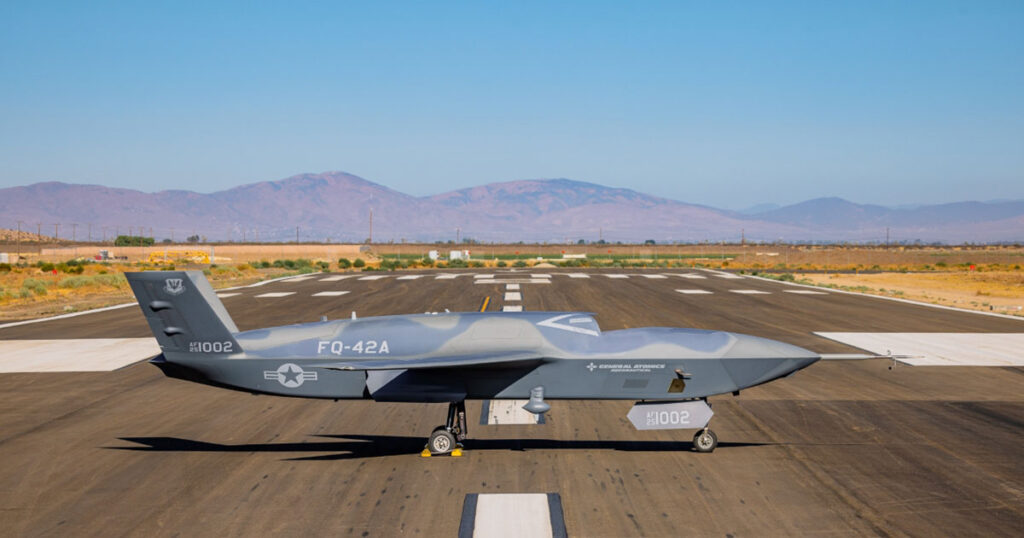
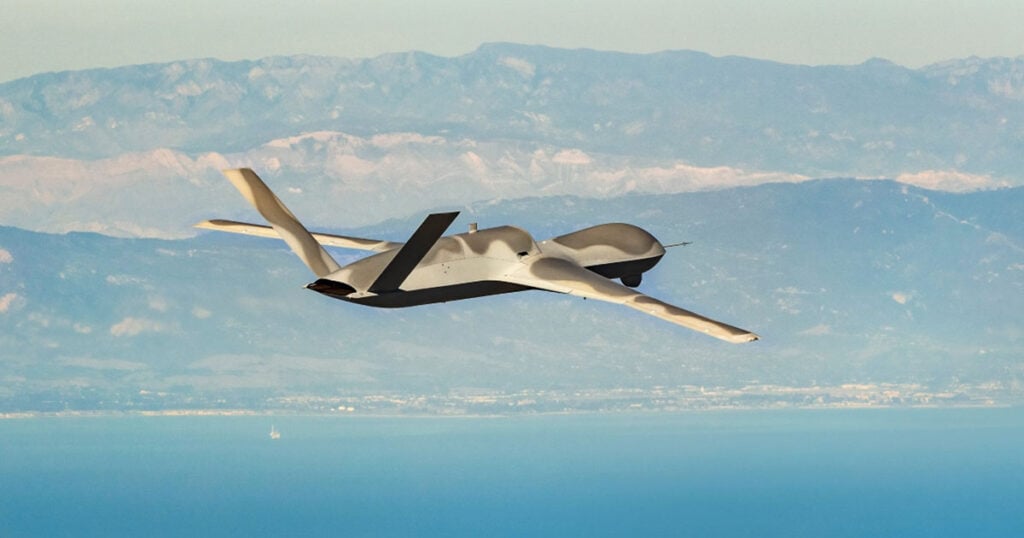
General Atomics Aeronautical Systems, Inc. (GA-ASI)‘s YFQ-42A Collaborative Combat Aircraft built for the U.S. Air Force, has returned to flight testing following a round of safety reviews and software enhancements for the new uncrewed fighter jet.

The return follows a strategic pause in flight testing stemming from an April 6 mishap shortly after takeoff. Other aspects of the YFQ-42A program, including ground testing and other Technology Maturation and Risk Reduction (TMRR) activities, continued without interruption.

No one was injured in the incident, though the aircraft was a total loss. A thorough safety review isolated the cause to an autopilot miscalculation for the weight and center of gravity of the aircraft, prompting a software remediation.

The Air Force and GA-ASI conducted a joint review following the mishap. Following a stringent evaluation, technical authorities endorsed the software changes and YFQ-42A has returned to the air.

GA-ASI President David R. Alexander, commented, “We’re excited to have YFQ-42A flying again. It’s been said that you learn more from your setbacks than your successes. We are applying what we’ve learned to our growing fleet of CCAs, as we continue building the most dependable and cost-efficient unmanned fighters in the world.”

The YFQ-42A is a purpose-built CCA platform developed as part of ongoing investment in next-generation semi-autonomous combat aircraft. The aircraft’s modular design enables rapid integration of mission systems and mission autonomy software. GA-ASI’s software architecture, demonstrated through multiple live flight tests on multiple airframes, provides the foundation for human-machine teaming in complex combat scenarios.

GA-ASI was selected by the U.S. Air Force in April 2024 to build production-representative flight test articles for the CCA program. The YFQ-42A successfully conducted its maiden flight in August 2025, validating a “genus/species” concept for rapid, modular, and low-cost uncrewed fighter aircraft development. This approach enables a common core aircraft design that can be rapidly adapted for different mission sets and service requirements.

To learn more, visit the General Atomics Aeronautical Systems, Inc Partner Hub: Innovation Partner Hub
Posted by Olivia Hannam Olivia is an Editor and Copywriter at Unmanned Systems Technology. She graduated with First-Class Honours in History from the University of Exeter, where she developed a passion for research and clear communication. Since joining UST in 2025, Olivia’s focus lies in creating well-crafted content that highlights the latest innovations and technologies shaping the unmanned sector. Connect

More from General Atomics Aeronautical Systems, Inc

GA-ASI & Saab Demonstrate Uncrewed Airborne Early Warning Flight Capabilities on MQ-9B

Flight trials in California paired General Atomics’ long-endurance uncrewed aircraft with Saab’s advanced radar to track multiple airborne and maritime targets, transforming persistent surveillance while eliminating operational risk to crewed platforms

Oct 29, 2026
GA-ASI & Spirit Defense Partner to Scale Collaborative Combat Aircraft Production

GA-ASI has partnered with Spirit Defense to manufacture fuselages for the Air Force's FQ-42 Collaborative Combat Aircraft, significantly expanding industrial capacity to accelerate autonomous military fleet production

Oct 27, 2026
GA-ASI Flight Tests New ESM System for Long-Range Sensing on Army Gray Eagle UAS

GA-ASI has completed successful flight testing of SNC's Electronic Support Measures system on the MQ-1C Gray Eagle ER, enhancing long-range threat detection and survivability for U.S. Forces

Oct 19, 2026
Arizona Army National Guard to Receive First Gray Eagle® 25M UAS

General Atomics Aeronautical Systems plans to deliver eight Gray Eagle® 25M unmanned aircraft to the Arizona Army National Guard in September 2027, with four additional units scheduled for fielding by the end of 2029 as part of a wider initiative to establish eight divisional UAS companies

Oct 14, 2026
GA-ASI Recognizes Three Small Business Suppliers for Quality Performance

General Atomics Aeronautical Systems has recognized three small business suppliers for their 2025 quality performance through its new annual Supplier Quality Recognition program, highlighting their leadership, collaboration, and commitment to continuous improvement

Oct 08, 2026
US Navy & GA-ASI Advance Autonomous Drone Swarm Mission Planning

GA-ASI and the US Navy have successfully integrated mission autonomy software with live aircraft to demonstrate real-time, autonomous fleet coordination and mission planning aligned with commander intent

Oct 07, 2026

THE WEEKLY eBRIEF

The latest unmanned systems news, straight to your inbox.

Get our weekly roundup of technology developments, new products and industry news.

By subscribing, you agree to receive the weekly UST eBrief newsletter from EchoBlue Ltd. Unsubscribe at any time using the link in every email. See our Privacy Notice.

Advancing Unmanned Systems Through Strategic Collaboration UST works with major OEMs to foster collaboration and increase engagement with SMEs, to accelerate innovation and drive unmanned systems capabilities forward.