Deep Trekker SPECTRA
HP MJF for Unmanned Systems
General Atomics Aeronautical Systems, Inc

GA-ASI & Mitchell Institute Honor 184th Attack Squadron as RPA Squadron of the Year

General Atomics Aeronautical Systems, Inc. and the Mitchell Institute have formally recognized the 184th Attack Squadron for its exceptional combat execution and pioneering humanitarian overwatch missions during the past year By Olivia Hannam / 06 Feb 2026
Follow UST

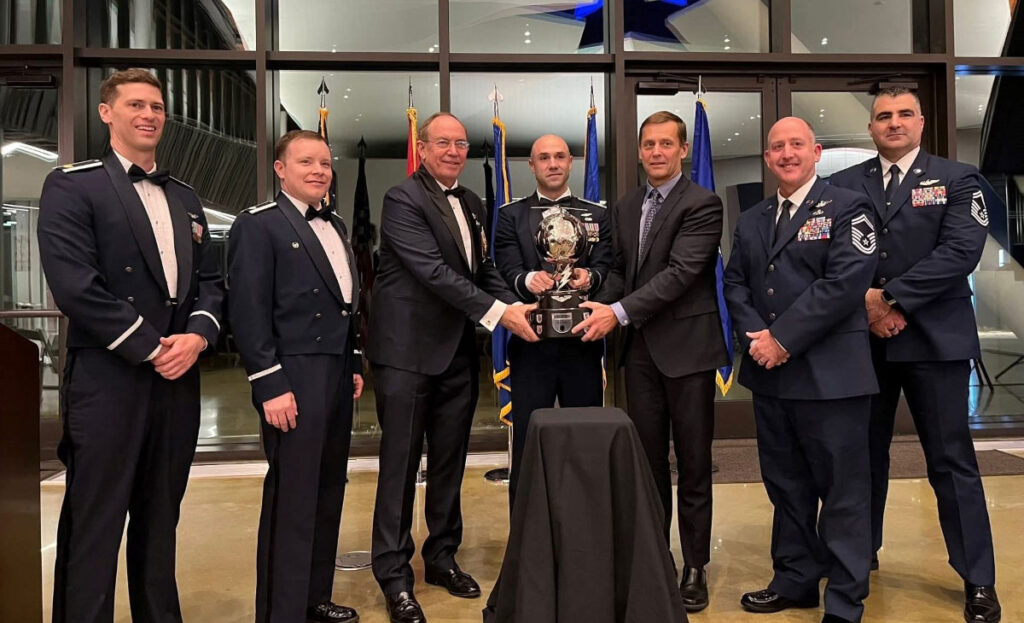
General Atomics Aeronautical Systems, Inc. (GA-ASI) and the Mitchell Institute for Aerospace Studies presented the 2024 Remotely Piloted Aircraft (RPA) Squadron of the Year Award to the 184th Attack Squadron (ATKS) from the Ebbing Air National Guard Base.

The award was initially announced at the U.S. Air Force’s annual Air, Space, and Cyber Conference, but GA-ASI and Mitchell held a formal presentation ceremony on January 30 in Fort Smith, Arkansas, the home of the 184th ATKS, in order to include the entire “Flying Razorbacks” squadron.

The award was presented by GA-ASI CEO Linden Blue and Lt. Gen. (Ret.) David Deptula of the Mitchell Institute. The RPA Squadron of the Year Award is given annually to the squadron that distinguishes itself through its employment of RPA in meritorious service.

Blue, commented, “Presenting this award is always one of the highlights of my year. I’m thrilled to recognize the Flying Razorbacks as the RPA Squadron of the Year.”

The 184th Attack Squadron distinguished itself by executing 314 combat sorties and delivering 5,972 hours of Intelligence, Surveillance, and Reconnaissance (ISR) in support of Operations INHERENT RESOLVE and PROSPERITY GUARDIAN. As the first unit tasked by the president of the United States to provide overwatch for humanitarian aid airdrops, the squadron demonstrated unparalleled innovation and mission versatility. Leading the Air Force in MQ-9A Reaper operations, the 184th Attack Squadron executed 66 percent of all non-traditional defensive counter-air and counter-small unmanned aerial system missions, significantly enhancing joint force lethality and integrated deterrence against adversarial threats.

Lt. Col. Jonathan Linn of the 184th Attack Squadron, added, “The important work of the Flying Razorbacks embodies the Air Force’s Units of Action and displays the agility, readiness, and multi-role capability of the MQ-9A, seamlessly transitioning from operational test to combat execution. Their contributions as citizen airmen not only advances remotely piloted aircraft operations but also solidifies the United States Air Force’s dominance in ISR.”

The 184th Attack Squadron’s exceptional performance reflects the highest standards of service, earning them recognition as the premier remotely piloted aircraft squadron in the Department of the Air Force.

To learn more, visit the General Atomics Aeronautical Systems, Inc Partner Hub: Innovation Partner Hub
Posted by Olivia Hannam Olivia is an Editor and Copywriter at Unmanned Systems Technology. She graduated with First-Class Honours in History from the University of Exeter, where she developed a passion for research and clear communication. Since joining UST in 2025, Olivia’s focus lies in creating well-crafted content that highlights the latest innovations and technologies shaping the unmanned sector. Connect

More from General Atomics Aeronautical Systems, Inc

US Navy & GA-ASI Advance Autonomous Drone Swarm Mission Planning

GA-ASI and the US Navy have successfully integrated mission autonomy software with live aircraft to demonstrate real-time, autonomous fleet coordination and mission planning aligned with commander intent

Oct 07, 2026
Airborne Network Pod Tested on MQ-9B RPA for Emergency Response

GA-ASI and SoftBank have successfully flight-tested an innovative aerial communications payload on an MQ-9B drone to deliver vital mobile connectivity in emergency zones during disaster response operations

Oct 05, 2026
U.S. Navy Evaluates SeaGuardian UAS at NAS Whidbey Island

General Atomics Aeronautical Systems showcases the maritime MQ-9B SeaGuardian to naval leaders at NAS Whidbey Island, highlighting its role as a force multiplier alongside the P-8A Poseidon for fleet operations

Oct 02, 2026
USAF Takes Delivery of FQ-42 Vengeance Combat Jet at Creech AFB

General Atomics Aeronautical Systems, Inc. delivers another FQ-42 Vengeance uncrewed fighter to Creech Air Force Base, advancing autonomous flight testing and operational experimentation for the U.S. Air Force Collaborative Combat Aircraft program

Sep 23, 2026
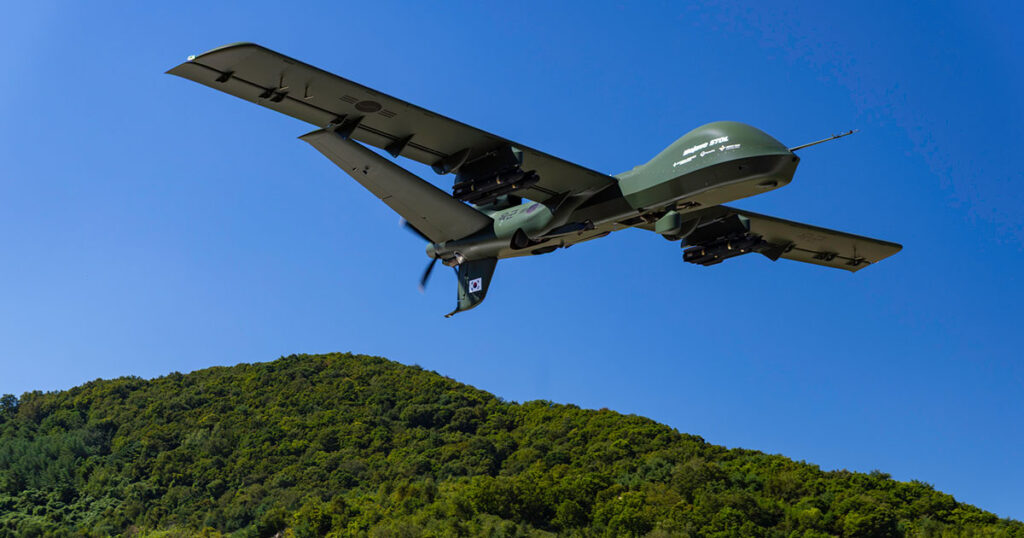
GA-ASI & Hanwha Aerospace Prove Uncrewed Battlefield Short Field Capabilities

General Atomics Aeronautical Systems and Hanwha Aerospace successfully demonstrate the Mojave STOL uncrewed aircraft performing landing and takeoff operations under simulated live-fire combat conditions at a South Korean maneuver trail

Sep 18, 2026
GA-ASI & Tactical Air Support Demonstrate Advanced Human-Machine Teaming in Live Exercise

General Atomics Aeronautical Systems, Inc. and Tactical Air Support, Inc. successfully execute live flight testing of multi-ship infrared passive sensing and open architecture software to close tactical kill chains against airborne threats

Sep 17, 2026

THE WEEKLY eBRIEF

The latest unmanned systems news, straight to your inbox.

Get our weekly roundup of technology developments, new products and industry news.

By subscribing, you agree to receive the weekly UST eBrief newsletter from EchoBlue Ltd. Unsubscribe at any time using the link in every email. See our Privacy Notice.

Advancing Unmanned Systems Through Strategic Collaboration UST works with major OEMs to foster collaboration and increase engagement with SMEs, to accelerate innovation and drive unmanned systems capabilities forward.