RTK GNSS
Discover cutting-edge solutions from 10 leading global suppliersArduSimple has launched the RTK Smart Antenna, the first type on the market designed to be configurable, modular, and repairable.
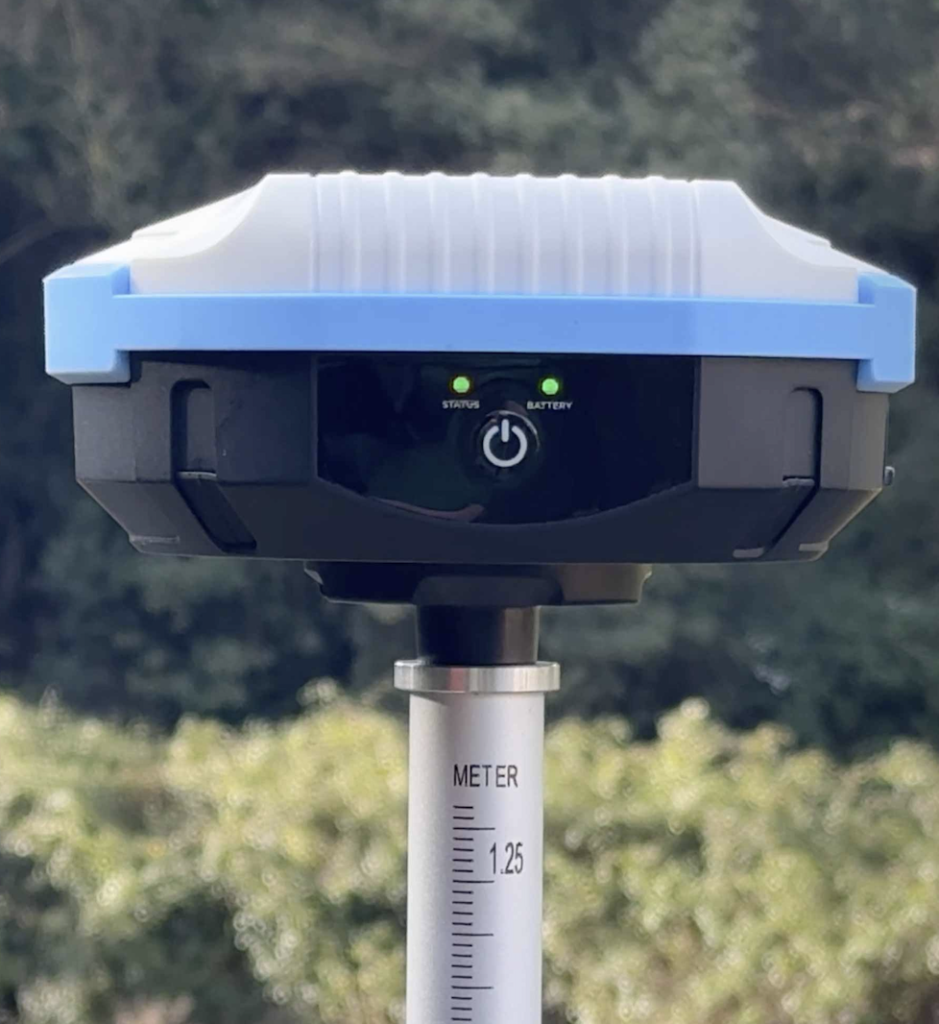
For years, professionals have had to adapt their workflows to fixed, closed GNSS devices, often paying for features they don’t need, replacing entire units when something breaks, or being locked into hardware that becomes outdated too quickly. The ArduSimple RTK Smart Antenna changes that approach completely.
Starting from €649, this new Smart Antenna is built around a simple idea: the user should decide the configuration they need and pay only for the hardware used, without subscription fees.
A Smart Antenna That Adapts to You
What makes ArduSimple RTK Smart Antenna unique is its modular architecture. Users can choose exactly the RTK capability they need, dual-band, triple-band or full all-band GNSS. and upgrade later if their requirements change. The same applies to connectivity options, including radio links for Base-Rover setups and 4G modems. Bluetooth and Wi-Fi capabilities are built-in all the units.
It works seamlessly with iOS, Android, Linux, and Windows using common surveying and GNSS applications. There are no subscriptions fee.
Built for Real Work, Not Just Specifications
The Smart Antenna is designed for real field conditions. Its IP65-rated enclosure protects it from dust, rain, and harsh environments, while the integrated survey-grade multi-band antenna ensures reliable performance even in challenging scenarios. The internal battery provides more than 12 hours of operation, making it suitable for full-day fieldwork without interruptions.
Unified Web interface
Setup is intentionally simple: power it on, connect, and start working. Configuration is handled through a clean web interface that allows users to switch between base and rover modes, enable PPK, check signal quality, or adjust settings, regardless of the GNSS receiver brand inside.
Modular by Design. Repairable by Choice.
Each unit ships with a waterproof transport case and includes mounting accessories, charging cable, and even a screwdriver, because the Smart Antenna is designed to be serviced, upgraded, and adapted over time. If a component fails, it can be replaced individually. If a new feature becomes available, it can be added. Spare parts are available and ship quickly, keeping downtime to a minimum.
Tilt compensation ready
The RTK Smart Antenna is already prepared for upcoming features such as tilt compensation, planned as an optional upgrade in 2027. When released, users will simply install the module into the existing device, no need to purchase new hardware. This future-ready approach ensures that the Smart Antenna bought today will remain useful and relevant for years to come.
The ArduSimple RTK Smart Antenna is not just another GNSS receiver. It’s a long-term tool designed around flexibility, transparency, and real user needs.