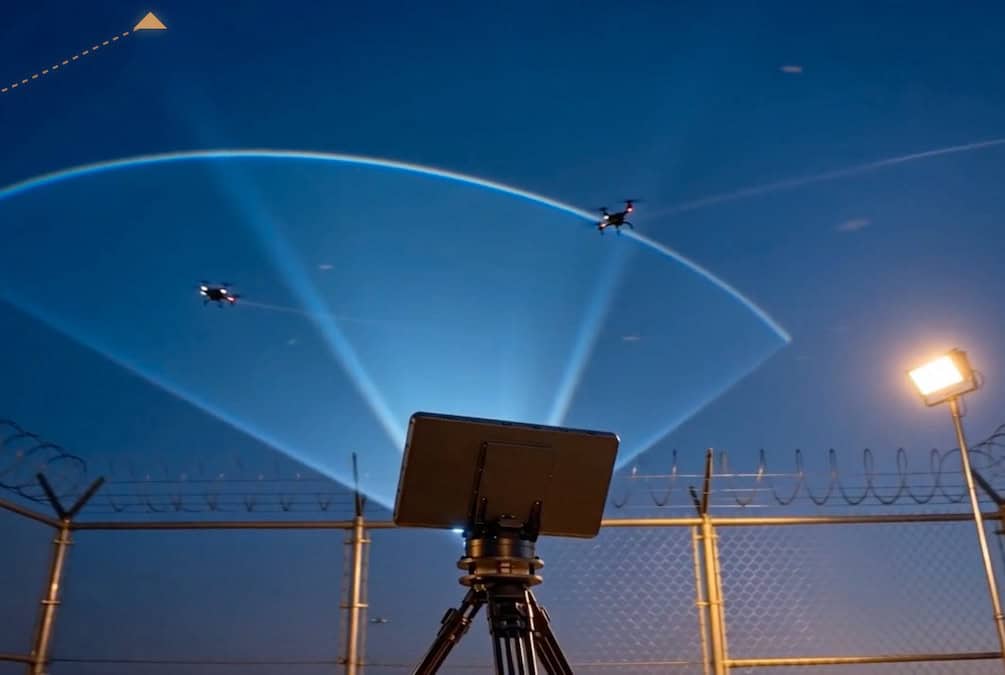
Tactien Group has published a dedicated C-UAS page outlining its approach to independent counter-UAS validation for critical infrastructure.
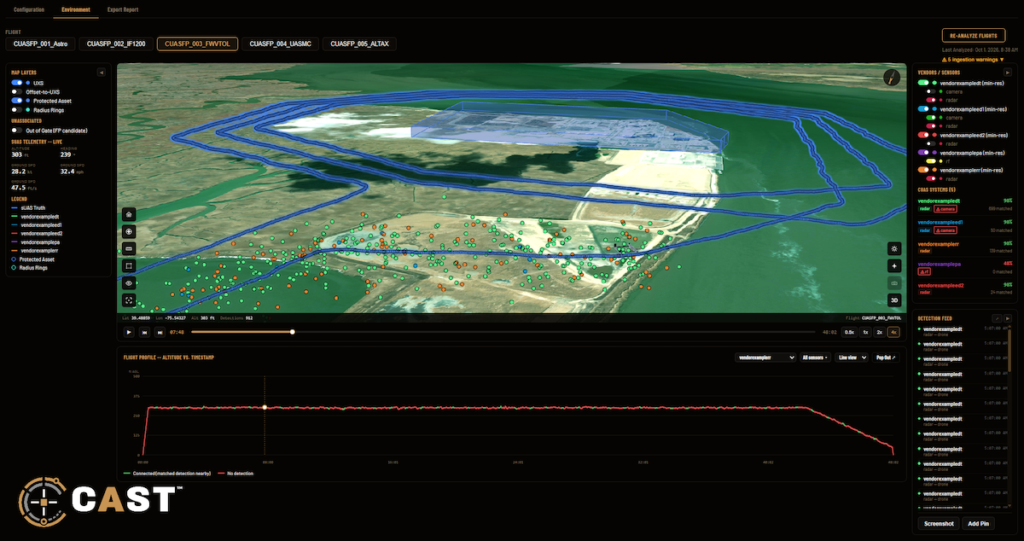
The page describes how the company supports organizations through C-UAS education and strategy, validation and selection, and full program integration. It also explains Tactien Group’s use of blind UAS testing and independently recorded GPS telemetry to compare C-UAS detection results with ground-truth flight data.
The approach is intended to help organizations assess how shortlisted systems perform at their own sites and under their own operating conditions, rather than relying solely on vendor demonstrations conducted with known flight paths, familiar environments, or ideal weather.
Establishing C-UAS Requirements Before Testing
Tactien Group’s validation process begins before sensors are switched on, with an initial focus on understanding the available detection technologies and establishing the requirements against which systems will be assessed.
The company works with clients to explain how different detection technologies function and advises on the regulatory environment surrounding counter-UAS programs.
This regulatory landscape continues to evolve, making an understanding of current requirements an important consideration when developing and validating a C-UAS program.
Once requirements have been defined, shortlisted vendors can move into blind testing.
Blind C-UAS Testing with Independent GPS Telemetry
Tactien Group conducts UAS flights using multiple aircraft types over multiple days, with participating C-UAS vendors unaware of the flight telemetry beforehand.
Independent GPS telemetry is logged for every sortie to establish ground truth. Detection output from the systems under evaluation is then measured against this independent flight record rather than assessed solely against data produced by the C-UAS system itself.
This process provides an independent basis for comparing detection performance with the aircraft activity that actually occurred during each test. The resulting validation data can also identify significant differences between vendor performance claims and independently measured results.
The newly published page organizes Tactien Group’s C-UAS support around three common engagement points, depending on how far an organization has progressed with its counter-UAS program. These are not fixed packages and can be scoped according to what a client already knows and what remains to be established.
C-UAS education and strategy
Education & Strategy is intended for teams beginning the process of developing a counter-UAS program.
This stage covers the C-UAS industry landscape, current capabilities and limitations by sensor type, regulatory and operational context, and requirements framework development.
The work provides organizations with information needed to understand available technologies and establish requirements before progressing further with system evaluation.
Independent validation and vendor selection
For organizations that have already developed a shortlist and require performance evidence, Tactien Group provides Validation & Selection support.
This stage incorporates the Education & Strategy elements and adds Tactien Group-managed red-team operations, side-by-side vendor testing on the client’s assets, full telemetry analysis, and vendor scorecards with KPI comparisons.
By comparing detection output with independently collected telemetry, the process is designed to provide data that can inform procurement decisions across shortlisted C-UAS systems.
Full C-UAS program integration
Organizations preparing to deploy and scale a C-UAS capability can progress to Full Program Integration.
In addition to the Validation & Selection work, this stage can cover commissioning, calibration and integration, end-to-end project management, operator and staff training, development of a multi-site scaling roadmap, a C-UAS response plan and policy, and coordination with local, state, and federal agencies.
This provides support beyond technology assessment as organizations move toward an operational C-UAS program.
Introducing Validation Earlier in C-UAS procurement
The new page also reflects Tactien Group’s emphasis on bringing independent data into the decision-making process as early as possible.
Engaging before an RFP is issued or a vendor is placed under contract gives validation data an opportunity to shape requirements and procurement decisions, rather than being used primarily to confirm choices afterward.
By setting out its approach to education, blind testing, independent telemetry analysis, vendor comparison, and program integration, Tactien Group’s dedicated C-UAS page provides critical infrastructure organizations with an overview of how independent validation can be incorporated throughout the counter-UAS evaluation and deployment process.