

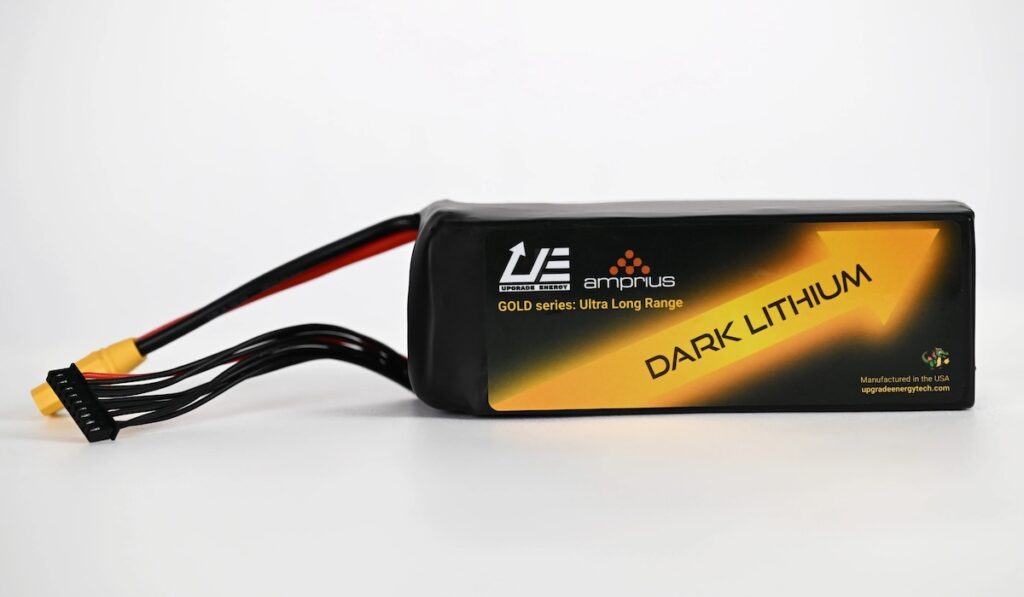
Battery sourcing requirements for unmanned aircraft systems (UAS) vary according to defense procurement regulations and program criteria. Upgrade Energy highlights the distinctions between battery pack assembly, cell manufacturing origin and procurement eligibility. Read more >>
The company designs and assembles battery packs in the United States using components that may be internationally sourced, making these distinctions particularly relevant when assessing National Defense Authorization Act (NDAA) requirements.
Understanding Battery Assembly and Component Origin
U.S. battery pack assembly does not necessarily mean that the cells or other components are manufactured domestically. For defense procurement, these distinctions are particularly important because sourcing restrictions may apply to different elements of a battery system.
There is no universal NDAA requirement that all battery cells be manufactured in the United States. Applicable restrictions depend on the relevant legislative provision, supplier, procurement program and date.
Consequently, Chinese-manufactured cells do not automatically make a battery ineligible under every NDAA provision. Equally, cells manufactured outside China do not independently establish compliance.
NDAA Provisions Affecting Battery Procurement
Several NDAA provisions establish different restrictions relevant to battery sourcing and procurement for defense applications.
FY2020 NDAA Section 848
Section 848 of the FY2020 NDAA, as amended, addresses specified components used in unmanned aircraft systems.
The enumerated restricted components include flight controllers, radios, data transmission devices, cameras and gimbals. Battery cells are not included in this list.
However, this does not establish battery eligibility under other legislation, agency policies or contractual requirements.
FY2024 NDAA Section 154
Beginning October 1, 2027, Section 154 of the FY2024 NDAA restricts Department of Defense (DoD) procurement of batteries produced by six named manufacturers and their successors. The provision does not establish a blanket prohibition on all Chinese-manufactured battery cells.
However, its definition of production extends to certain component sourcing arrangements, meaning that U.S. pack assembly alone is insufficient to determine eligibility.
FY2026 NDAA Section 842
Section 842 of the FY2026 NDAA introduces broader sourcing restrictions involving foreign entities of concern, including functional battery cell components and technology.
The requirements apply according to the acquisition category and the following implementation dates:
- January 1, 2028: New acquisition programs.
- January 1, 2029: Standard batteries.
- January 30, 2031: Existing acquisition programs.
The provision applies to contracts or agreements entered into after enactment, subject to the definitions established in the legislation, and includes exceptions and waiver provisions.
Determining eligibility therefore requires consideration of the applicable procurement category, supply chain and contractual requirements rather than cell manufacturing location alone.
Drone Dominance Battery Sourcing Requirements
The Drone Dominance supply chain framework dated July 23, 2026, establishes phased battery requirements that distinguish between pack assembly, cell manufacturing origin and other supply chain restrictions.
These program-specific requirements affect the suitability of different battery configurations for procurement under the framework.
Phase II and Phase III Minimum Requirements
Under the July 23, 2026 framework, Phase II and Phase III minimum battery requirements call for pack assembly in a non-covered country.
Chinese-manufactured cells do not, by themselves, prevent a battery from meeting this particular assembly criterion.
However, listed-entity restrictions and applicable battery management system (BMS) and electronics requirements must be evaluated separately.
Phase III Preferred and Phase IV Minimum Requirements
Phase III preferred requirements (February 2027), which become Phase IV minimum requirements (August 2027), specify non-covered-country cells that also meet FY2026 NDAA Section 842.
These requirements have different implications for Upgrade Energy’s RED battery configurations.
RED V4 uses China-manufactured cells, which do not meet the applicable cell-country criterion.
RED V3 uses Taiwan-manufactured Molicel cells, which meet the cell-country criterion.
However, the manufacturing location of these cells does not independently establish eligibility under Section 842.
Phase IV preferred requirements call for U.S.-manufactured cells. Neither the RED V3 nor RED V4 cell supplies meets this criterion.
The distinctions demonstrate how a battery may satisfy one program-specific sourcing requirement without meeting other criteria applicable to the same procurement.
GOLD and GREEN Battery Configurations
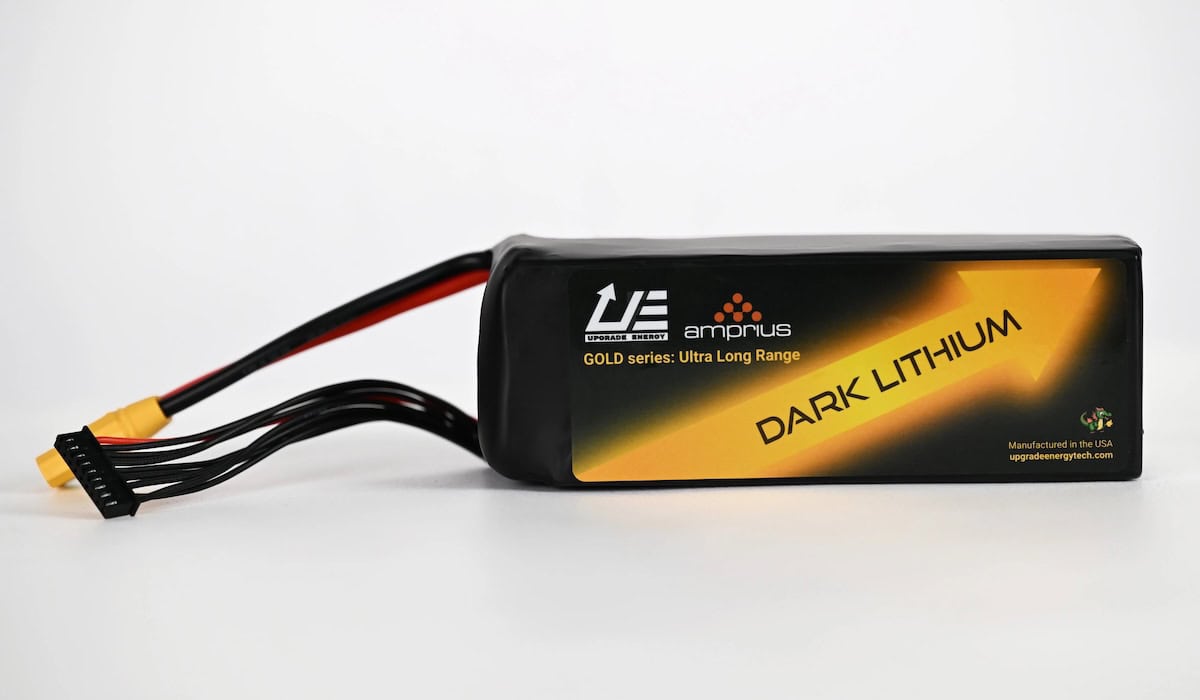
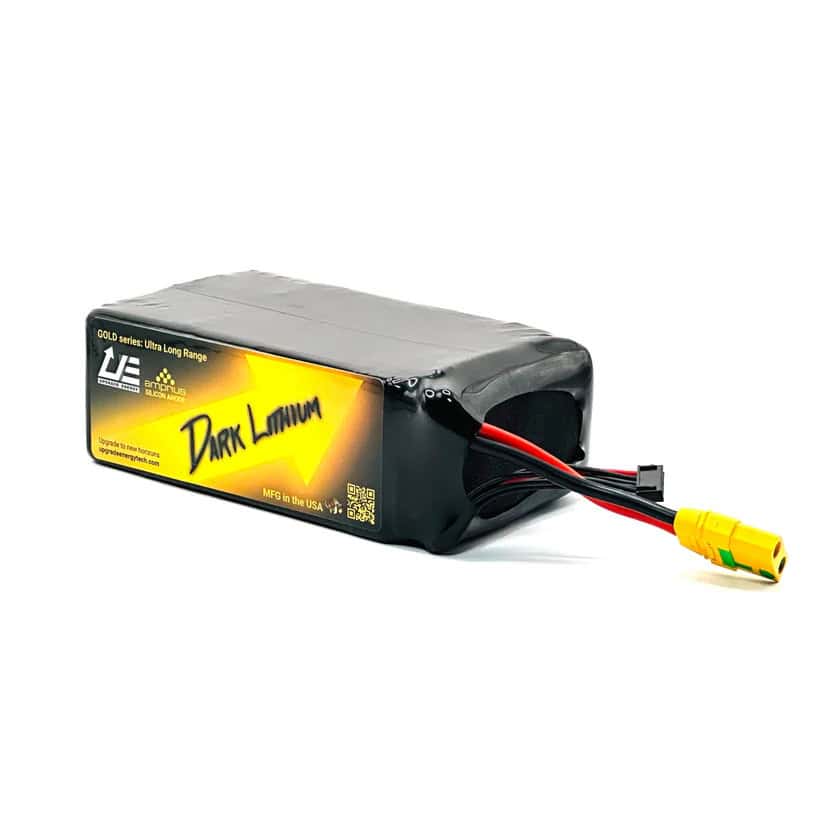
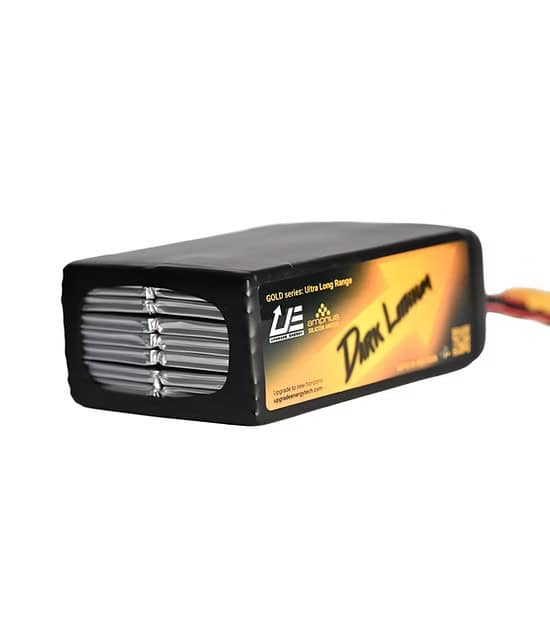
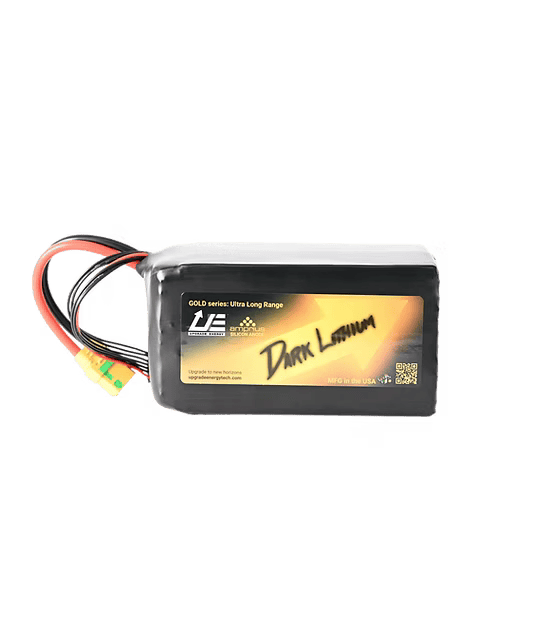
Upgrade Energy’s GOLD and GREEN battery packs incorporating Amprius SA03, SA08 and SA10 cells use cells manufactured in China.
These configurations therefore do not meet requirements specifying cells manufactured outside China or within the United States, including the relevant Drone Dominance cell-country criteria.
Their U.S. pack assembly location remains a separate consideration.
The manufacturing origin of a particular cell supply must also be distinguished from the wider production arrangements of its manufacturer. A supplier’s compliant production pathway does not automatically establish compliance for every cell sold under its brand.
The battery requirements are detailed on page 4 of the official Drone Dominance Supply Chain Framework dated July 23, 2026. These program-specific criteria may change.
Product-Specific Sourcing and Procurement Eligibility
Upgrade Energy identifies available cell options and provides responses to individual purchasing criteria on its battery product pages.
A product identified as meeting a particular sourcing requirement should not be interpreted as having universal NDAA certification or approval for a complete aircraft system. Such assessments apply only to the specified criterion.
For restricted procurement programs, configurations not currently offered as compliant with a mandatory requirement should not be ordered for purchases subject to that requirement.
This designation reflects the company’s current sales position rather than a legal determination that the battery is noncompliant.
For example, GOLD and GREEN configurations incorporating Amprius SA03, SA08 and SA10 cells are not suitable for orders requiring cells manufactured outside China or specifically within the United States.
Where alternative sourcing is required, the availability of a qualifying configuration and any supporting documentation must be confirmed in writing before procurement. A suitable alternative configuration is not guaranteed.
Battery Supply Resilience and Supplier Flexibility
For products without an agreed sourcing restriction, Upgrade Energy may use multiple qualified cell suppliers to support supply resilience.
The available sourcing options are disclosed on individual product pages. RED V4 listings, for example, identify the possible cell models that may be supplied.
Where procurement requirements specify a particular cell manufacturer or country of manufacture, the selected configuration must be verified before ordering.
This distinction allows sourcing flexibility to be considered separately from the specific requirements of restricted defense procurement programs.
Assessing Battery Eligibility for Defense Programs
Battery procurement eligibility depends on the requirements applicable to the specific purchase, rather than a single designation relating to assembly location or cell origin.
Relevant considerations include the applicable NDAA provision, procurement timeframe, program phase, component sourcing and any additional contractual or agency restrictions.
Customer sourcing preferences may also influence component selection but should be distinguished from mandatory requirements.
Upgrade Energy provides product-specific sourcing verification and supporting documentation where available, subject to confirmation of the selected configuration and supply.
For UAS procurement, evaluating these factors individually is necessary to determine whether a particular battery configuration meets the requirements of the intended program.