




















Showcase your capabilities
If you design, build or supply Heavy Lift Drone Motors, create a profile to showcase your capabilities and connect with visitors who have an active requirement for your solutions.




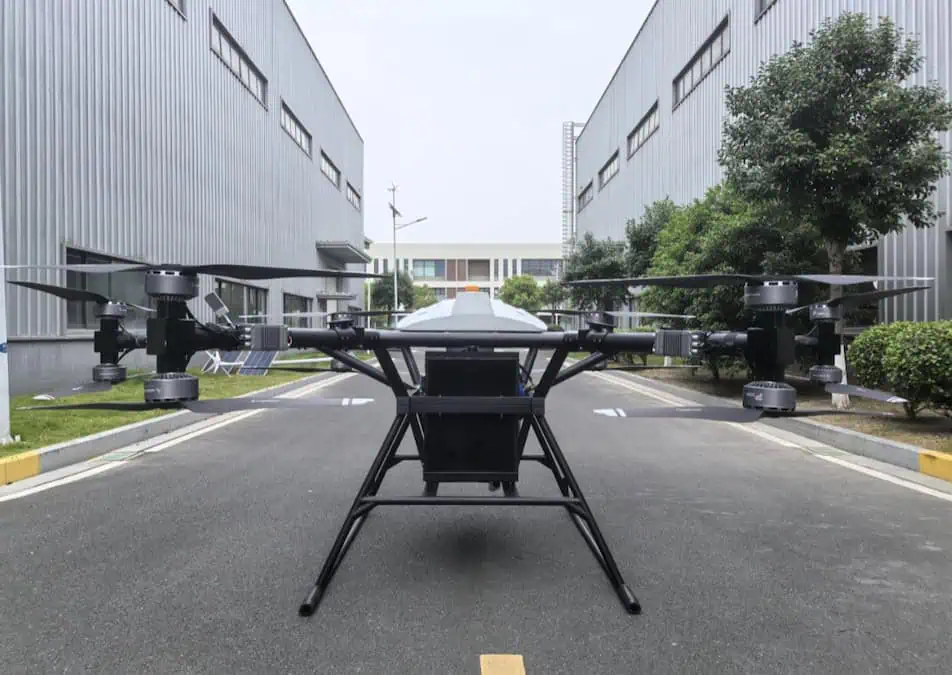
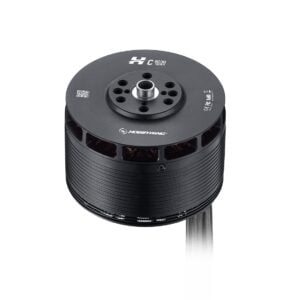
Heavy lift drone motors are high-torque electric propulsion systems engineered to generate sustained thrust for Unmanned Aerial Vehicles (UAVs) carrying substantial payloads. Designed for continuous high-load operation, these motors emphasize thermal management, redundancy, and SWaP optimization for reliable performance in demanding operational environments.
This page features leading heavy lift drone motor manufacturers, supporting large multirotor platforms across logistics, agriculture, construction, and defense applications.
Read the Technology Overview

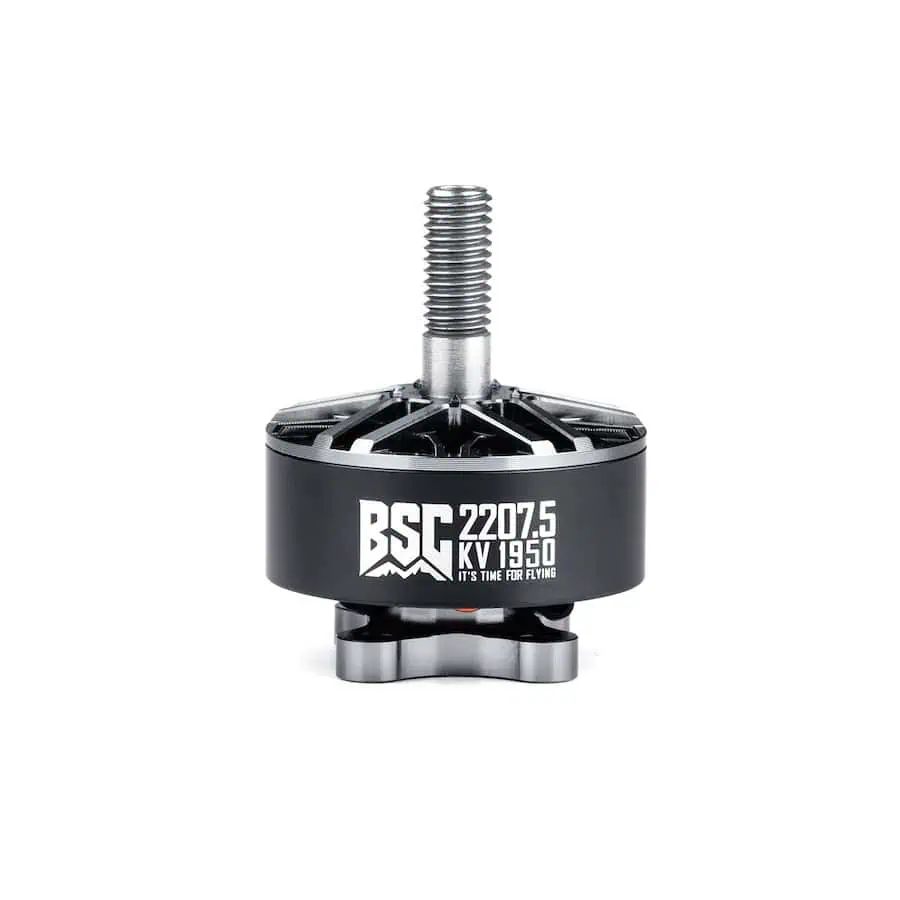
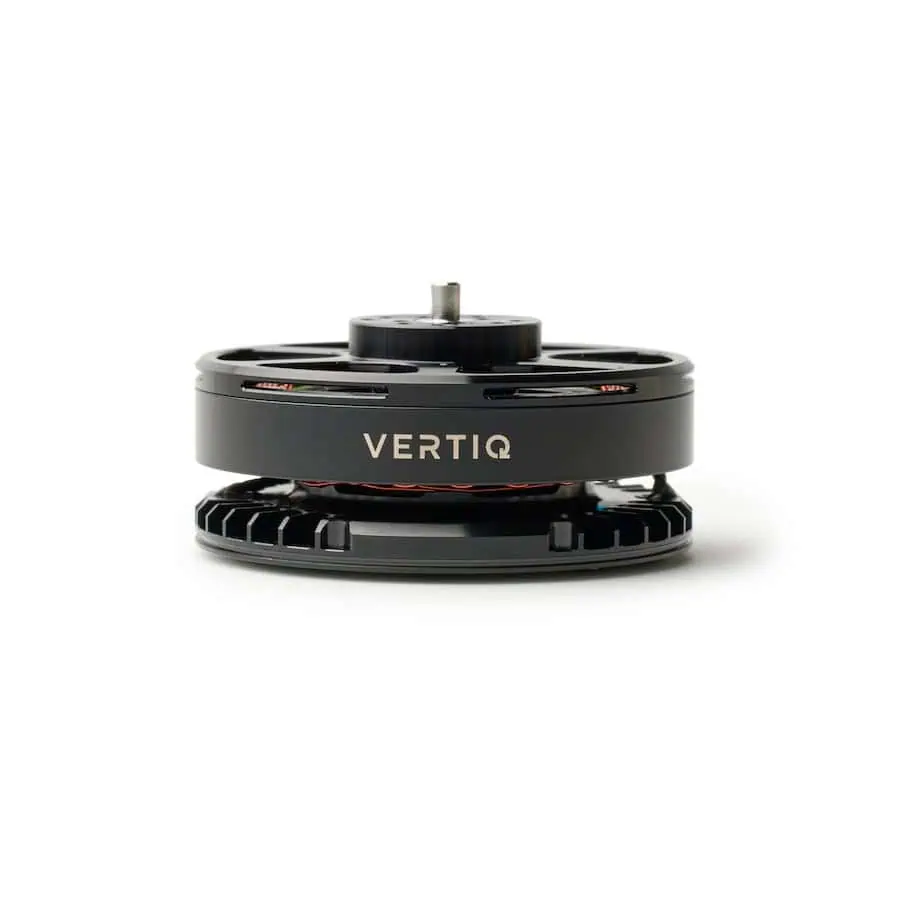

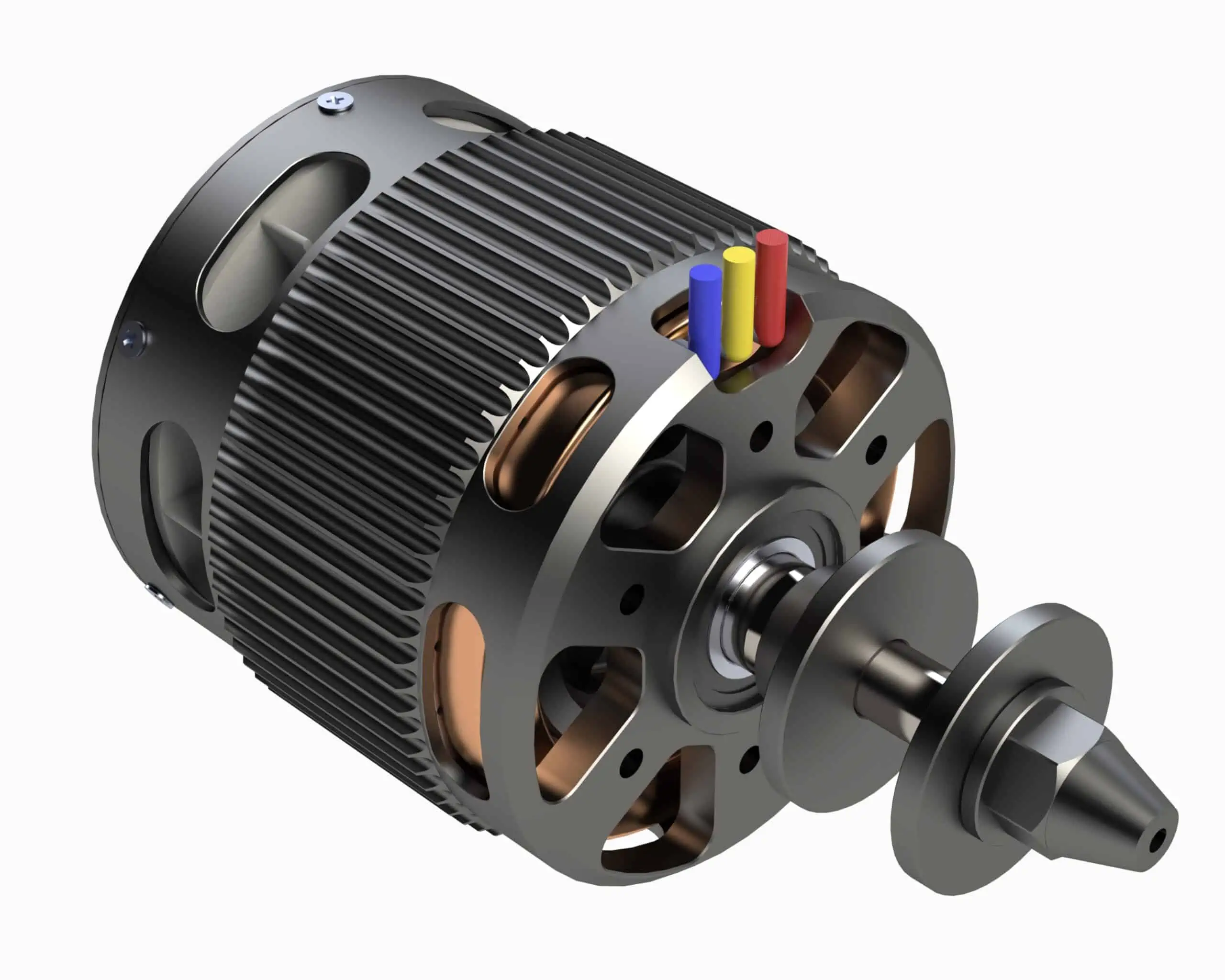
High Performance Electric Propulsion Systems for Uncrewed and Autonomous Platforms

Unified Propulsion Systems for Mission-Critical, High-Reliability UAV Platforms

Innovative Integrated Propulsion Systems for Professional Multirotor & Fixed-Wing Drone Platforms


Power & Propulsion Solutions for UAVs: Drone Motors, ESCs, Batteries & Propellers

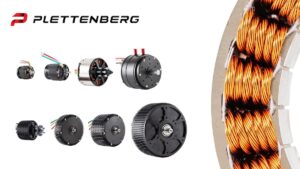
COTS & Custom Drone Propellers, Brushed & BLDC motors, and ESCs for UAVs

If you design, build or supply Heavy Lift Drone Motors, create a profile to showcase your capabilities and connect with visitors who have an active requirement for your solutions.

Heavy lift drone motors are purpose engineered electric propulsion units designed to generate sustained high thrust for Unmanned Aerial Vehicles (UAVs) carrying significant payloads. These drone motors typically support payload and gross weight classes ranging from tens of kilograms to high-mass industrial platforms, with larger systems often incorporating hybrid propulsion architectures.
Unlike standard UAV motors, these systems are optimized for continuous high load operation where reliability, thermal stability, and torque delivery are critical to mission success. In heavy lift drone platforms, the motor is a critical contributor to flight safety and performance, operating alongside Electronic Speed Controllers (ESCs), power systems, and control algorithms. It must deliver consistent torque to large diameter propellers, maintain efficiency under varying load conditions, and respond precisely to flight control inputs.
Engineering a heavy lift drone motor requires balancing electromagnetic force with mechanical durability to handle extreme operational stresses.
These design features collectively ensure that the propulsion system remains efficient and reliable during extended heavy lift missions.
Heavy lift drone motors enable cargo UAVs to transport goods over short to medium distances, supporting last mile delivery in urban environments and cargo resupply in remote regions. High thrust capability ensures stable flight even with variable payload weights, allowing logistics providers to maintain schedules in diverse weather conditions.

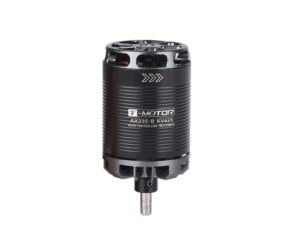
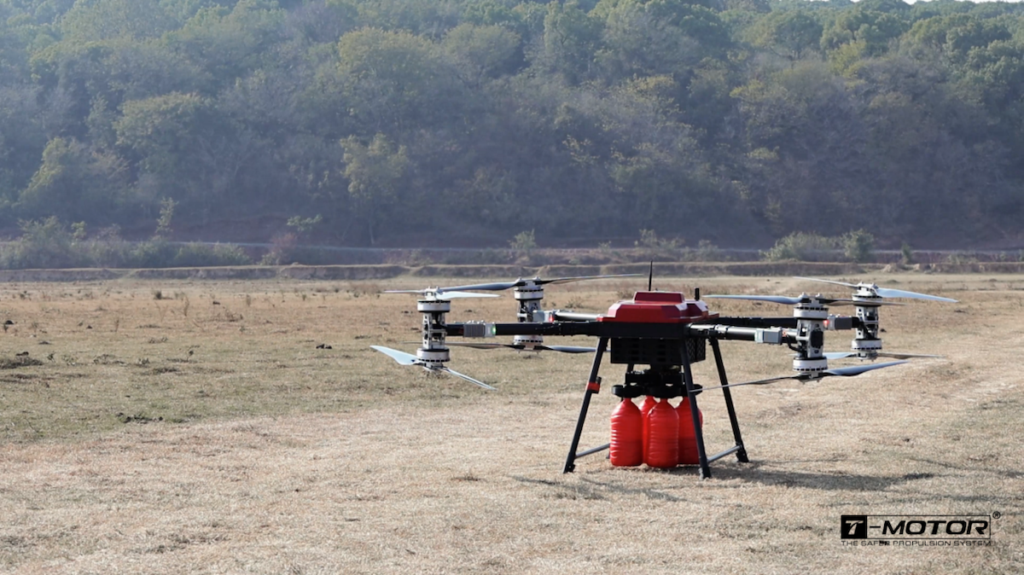
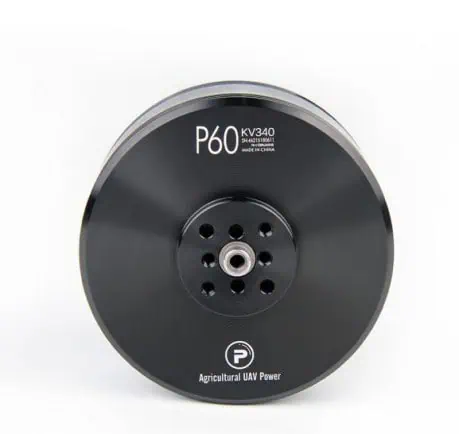
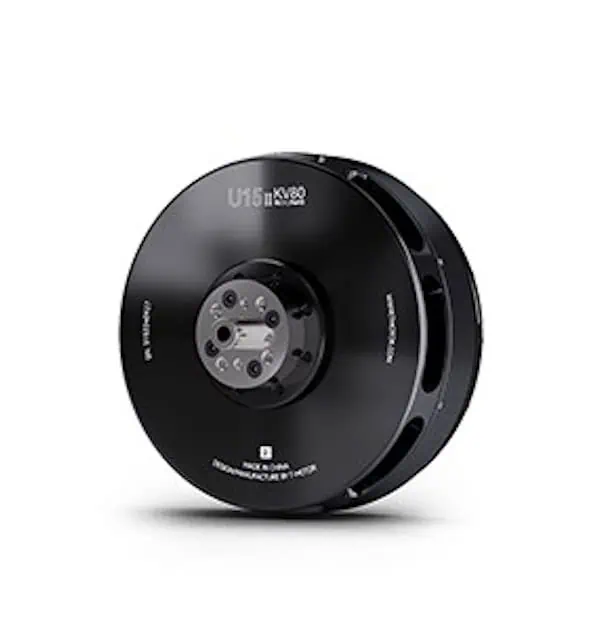
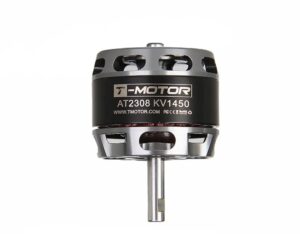
U-Series Heavy Lift Drone Motors by T-MOTOR
In agriculture, heavy lift platforms carry liquid tanks, spreaders, and sensing equipment that fluctuate in mass during operation. A high power motor for agricultural drone platforms must support consistent lift as fluid levels decrease, while maintaining the precise altitude and positioning required for effective crop treatment.
Construction UAVs equipped with a heavy lift drone motor can transport tools, materials, and components across sites or to high altitude infrastructure. These operations demand high reliability and precise control, particularly in confined or obstacle rich environments where traditional lifting equipment cannot reach.
In emergency response scenarios, high thrust drone motors deploy firefighting payloads or deliver critical medical supplies to disaster zones. These motors must perform reliably in high stress, time critical conditions, often operating in high temperature environments or through heavy smoke and debris.
Military UAV applications require drone motors for heavy lift capable of lifting ISR payloads, communications equipment, or tactical resupply packages. These missions often involve extended endurance and strict redundancy requirements to ensure survival and mission completion in contested environments.
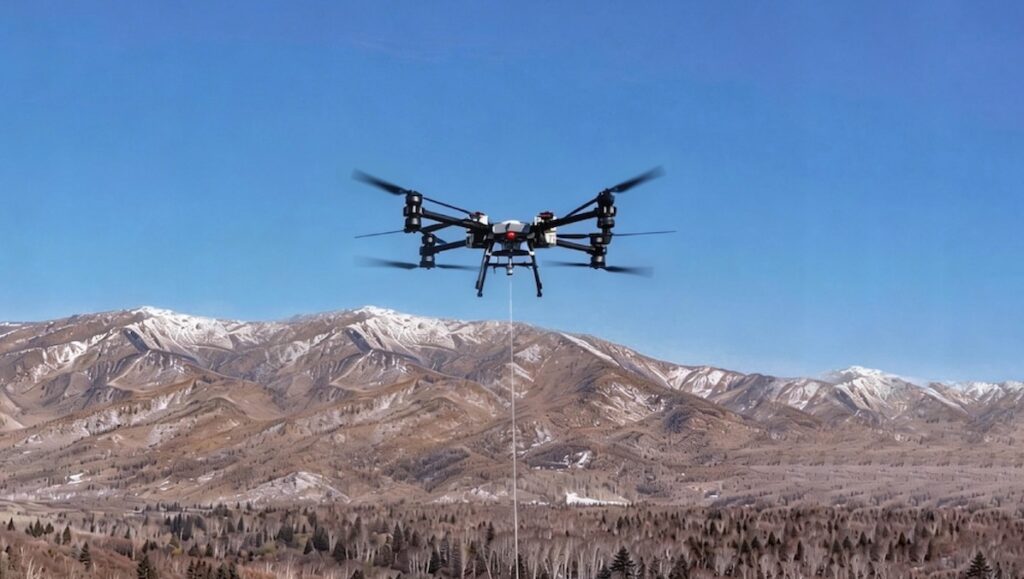
Heavy lift UAVs support inspection, maintenance, and installation tasks for power lines, wind turbines, and offshore platforms. Motors must handle specialized payloads such as LiDAR systems or heavy robotic tools, often operating in high wind conditions where stability is paramount.
Integrating high performance motors into a large scale airframe requires a holistic approach to power distribution and flight control.
Successful integration ensures that the propulsion system can adapt to real time environmental changes and maintain platform integrity.
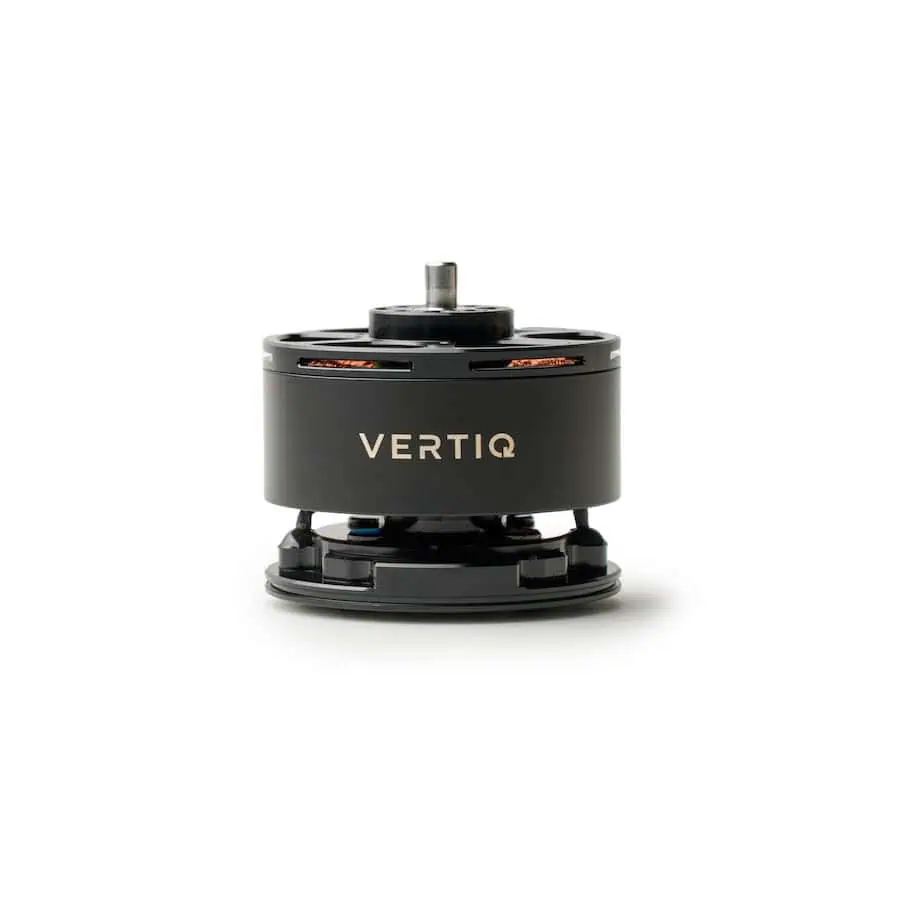
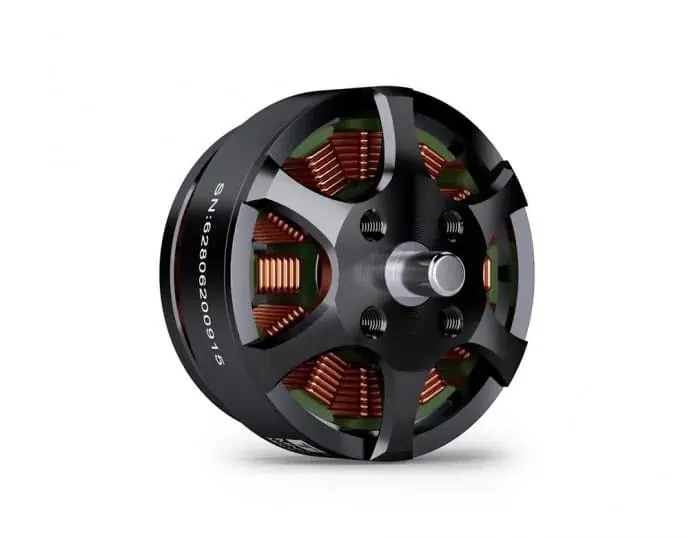
Most heavy lift drone motor manufacturers utilize large format outrunner designs to maximize leverage. This configuration provides higher torque by increasing the effective radius at which electromagnetic forces act on the rotating outer bell.

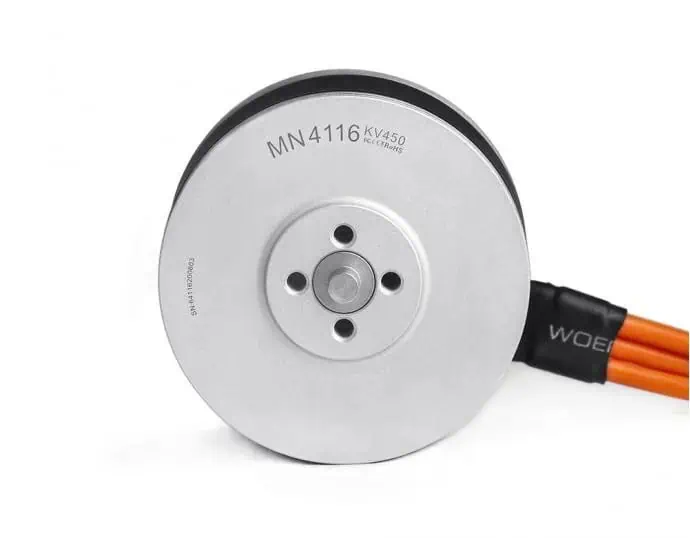
Heavy Lift Motors by MAD Components
Increasing the number of magnetic poles enhances torque density and improves low speed performance. High pole count designs are particularly suited to a drone motor with high power where smooth torque delivery is more important than high peak RPM.
Larger stator volumes allow for increased copper windings, supporting higher current capacity and sustained power output. Winding strategies are optimized to balance resistance and inductance, ensuring that the motor does not overheat during continuous high load operation.
Heavy lift motors incorporate oversized shafts and high load bearings to manage intense radial and axial forces. These components are critical for maintaining internal alignment and minimizing friction wear under the continuous stress of heavy lift operations.
Managing the electrical demands of high power drone motors requires specialized hardware capable of handling extreme voltage and current.
These electrical considerations are vital for maintaining the efficiency and safety of the entire propulsion chain.
Heavy lift motors are operated near their continuous load limits for extended periods during transport missions. Understanding the distinction between peak and continuous thermal performance is essential to prevent cumulative heat soak from damaging the motor windings.
Larger motors generate significant heat due to high current flow and the mass of the stator itself. Efficient heat transfer through the motor structure to the outer housing is necessary to maintain safe operating temperatures and prevent magnet degradation.
Cooling approaches include passive airflow, integrated heat sinks, and optimized motor geometry to enhance heat dissipation during flight. Some manufacturers utilize active centrifugal fans built into the motor bell to pull cool air through the windings during operation.
Overheating can lead to insulation breakdown, magnet degradation, and bearing failure. Thermal monitoring through internal sensors allows the flight controller to implement protective strategies, such as power throttling, before a catastrophic failure occurs.
The long term viability of heavy lift platforms depends on the mechanical endurance of the motors under constant stress.
Durability ensures that the motor remains a reliable asset throughout its operational lifecycle.
Changing payload conditions create fluctuating demands on motor output, requiring responsive and robust control logic. Shifting loads can cause asymmetric current draw across the motor array, testing the limits of the power distribution system.
Reduced air density at altitude decreases lift efficiency, forcing motors to work harder to maintain the same thrust. Extreme ambient temperatures further impact performance, as thin air provides less cooling capacity for the motor stators.
High power electrical systems can introduce electromagnetic interference, affecting onboard electronics and sensitive navigation sensors. Proper shielding and cable routing are required to ensure that the motor leads do not disrupt GPS or magnetometer signals.
Operational environments often require rapid maintenance and component replacement to minimize downtime. Motors must be designed for accessibility, allowing technicians to swap out units or replace bearings without specialized factory tooling.
Future developments in propulsion technology aim to push the boundaries of endurance, power density, and intelligence.
These innovations continue to expand the capabilities of heavy lift UAVs across all professional sectors.


 Searching Companies & Products



 Subscribe to the Weekly eBrief
The latest engineering and technical developments straight to your inbox - join thousands of engineers who receive it.
Subscribe to the Weekly eBrief
The latest engineering and technical developments straight to your inbox - join thousands of engineers who receive it.