Discover World-Leading Unmanned and Autonomous Technologies
Discover cutting-edge solutions from leading global suppliers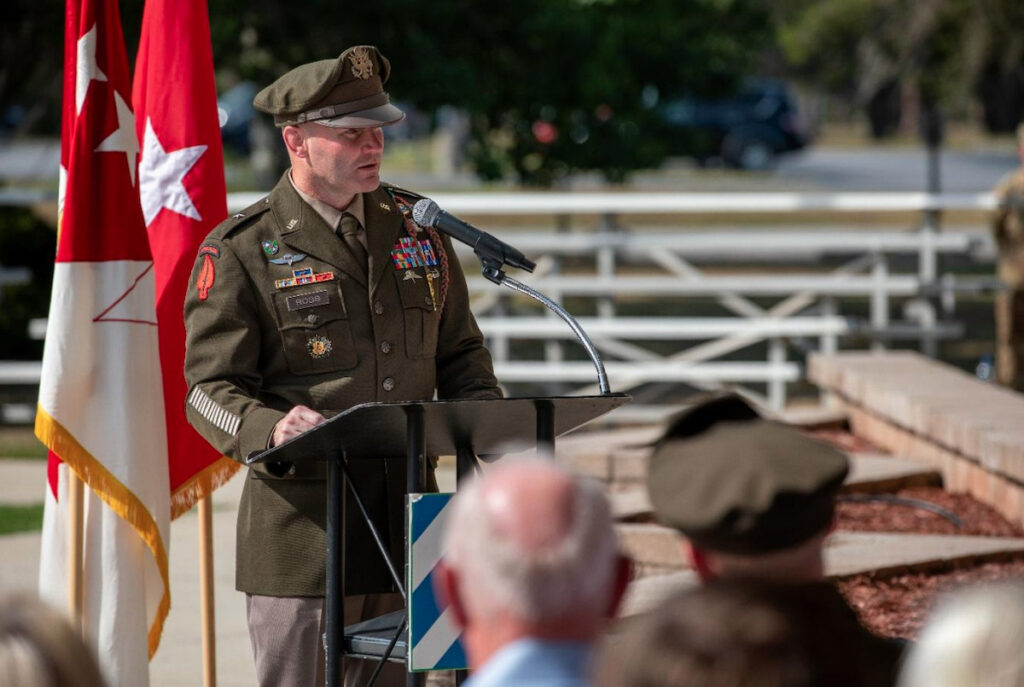
Written by Adam Jeffs, Editor at SAE Media Group
Brig. Gen. Matthew S. Ross, director of the U.S. Army’s Joint Interagency Task Force 401 (JIATF-401), will join the speaker lineup at the Counter-UAS Indo-Pacific conference in Honolulu, October 19-20, 2026.
Organized by SAE Media Group, the event will feature Ross delivering a session titled “Countering the Drone Threat at Scale: Building an Adaptive, Layered, Joint and Interagency Counter-UAS Enterprise.” The presentation focuses on how the U.S. military and its global partners can construct flexible Counter-Unmanned Aerial Systems (C-UAS) capabilities that keep pace with rapidly mutating aerial threats.
Ross will address the challenge of a drone threat that is evolving faster than traditional defense acquisition processes. His session will also examine the requirements beyond technology that affect C-UAS operations, including policy, processes, personnel and authorities.
Focus on C-UAS at Scale
Ross’ appointment as JIATF-401 director places him at the center of the U.S. Army’s efforts to address the growing small-drone threat across military and domestic environments.
JIATF-401 has recently focused on improving how counter-UAS technologies are evaluated, acquired and integrated. In February, the task force announced initial operational capability for a counter-UAS marketplace intended to give military and interagency users access to validated systems and components.
“Our goal is to integrate sensors, effectors and mission command systems into aresponsive, interoperable network that protects service members and American citizens alike.” Ross said when the marketplace was announced.
The task force has also been involved in efforts to improve information sharing with U.S. allies. Ross accompanied Army Secretary Dan Driscoll to the United Kingdom in 2025 for work on an agreement establishing a framework for sharing intelligence related to drones and counter-drone operations.
Indo-Pacific Perspective
At the Honolulu conference, Ross is expected to focus particularly on the implications of the evolving drone threat for the Indo-Pacific.
His session will examine counter-UAS as an enterprise rather than a standalone weapons problem, with the conference agenda identifying four key areas: the pace of the threat compared with acquisition processes, the expansion of C-UAS beyond the battlefield, the importance of policy and permissions alongside equipment and the need for layered defenses.
The approach reflects the increasingly diverse nature of the counter-drone problem. Detection, identification, tracking, command and control and effectors all need to function together if forces are to respond effectively to increasingly capable and varied unmanned aircraft.
Ross has previously emphasized the importance of interoperability between different counter-UAS capabilities. In discussing JIATF-401’s counter-UAS marketplace, he described the goal as creating a network that integrates sensors, effectors and mission command systems rather than relying on individual capabilities operating independently.
The Counter-UAS Indo-Pacific conference will take place in Honolulu in October, with Ross joining speakers from the military, government and defense industry to discuss the development and deployment of counter-UAS capabilities in the region.