SBG Systems Stellar-40
General Atomics Aeronautical Systems, Inc

GA-ASI Selected for U.S. Navy Collaborative Autonomy Project

General Atomics Aeronautical Systems (GA-ASI) has been selected to support the U.S. Navy’s Collaborative Autonomy Mission Planning and Debrief (CAMP) initiative, advancing mission planning, debrief capabilities, AI model management, and autonomy workflows By Eleanor Widdows / 22 Apr 2026
GA-ASI Selected for U.S. Navy Collaborative Autonomy Project
Follow UST

General Atomics Aeronautical Systems, Inc. (GA-ASI) was selected by the U.S. Navy’s Naval Air Systems Command (NAVAIR) PMA-281 for the Collaborative Autonomy Mission Planning and Debrief (CAMP) project.

The initiative will advance mission planning capabilities, AI model management, and autonomy workflows for Autonomous Combat Platforms, culminating in a government sponsored demonstration targeting a 2026 Fleet exercise.

The project will demonstrate the potential for extending PMA-281’s Mission Planning Software framework to support advanced autonomy operations, including behavioral tasking, Rules of Engagement (ROE) configuration, AI decision thresholds, and comprehensive mission debrief capabilities. The effort integrates with the Navy’s Joint Digital Autonomy Range (JDAR) and Joint Simulation Environment (JSE) to enable rapid testing and validation of autonomy-enabled mission profiles.

“This project demonstrates our commitment to delivering integrated mission planning and debrief solutions that enable effective human-autonomy teaming,” said Mike Atwood, Vice President of Advanced Programs for GA-ASI. “By advancing collaborative autonomy workflows and leveraging government simulation environments, we’re providing the Navy with critical capabilities to rapidly test, evaluate, and deploy autonomous systems for complex operational missions.”

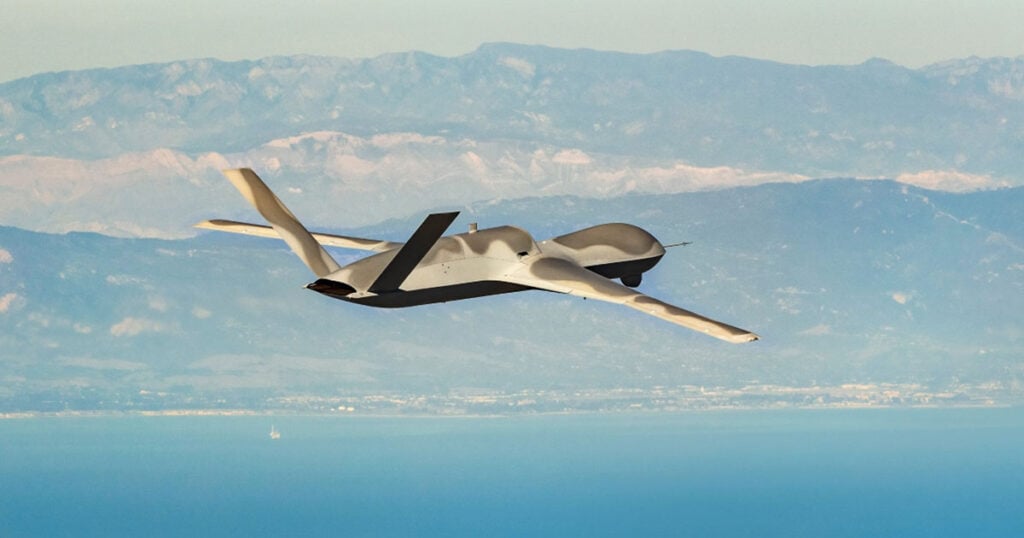
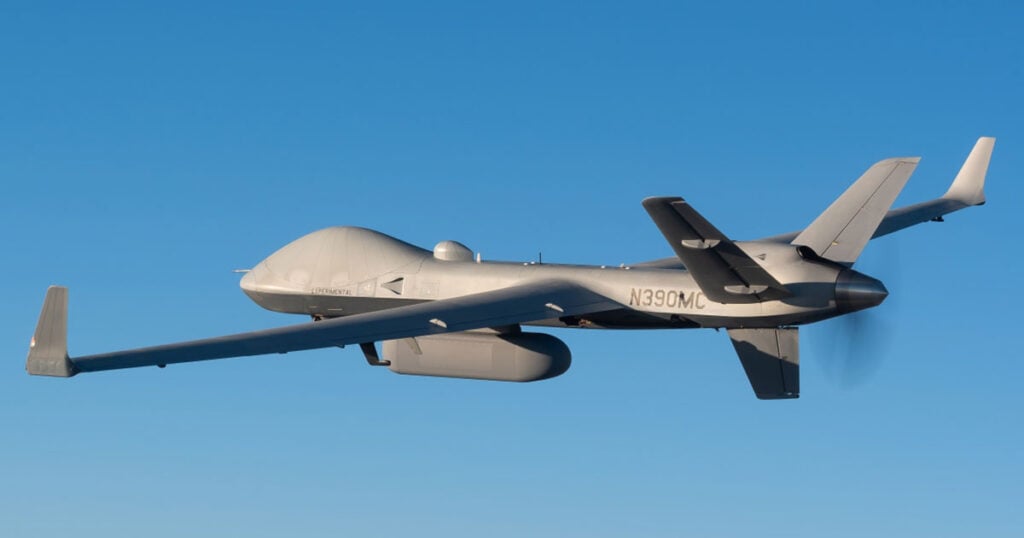
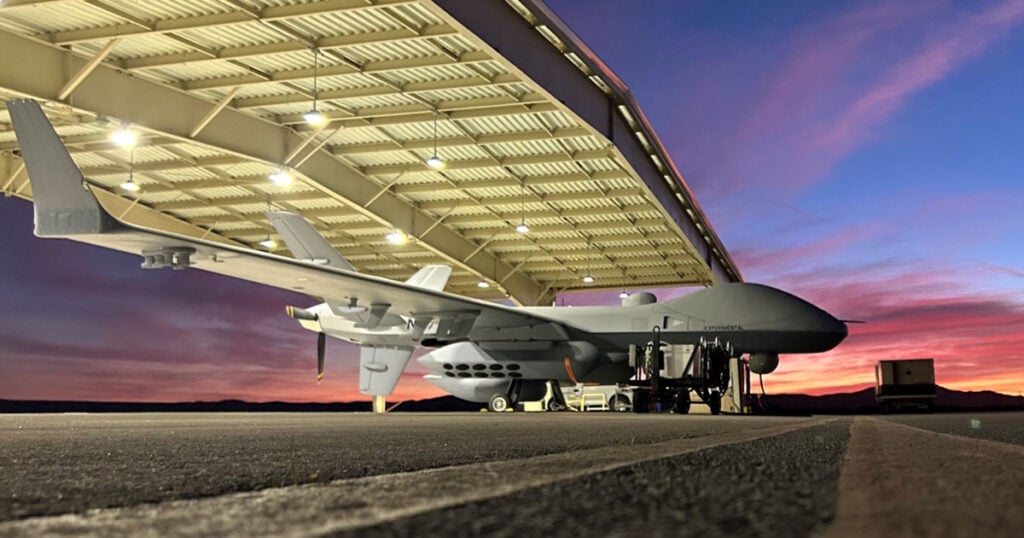
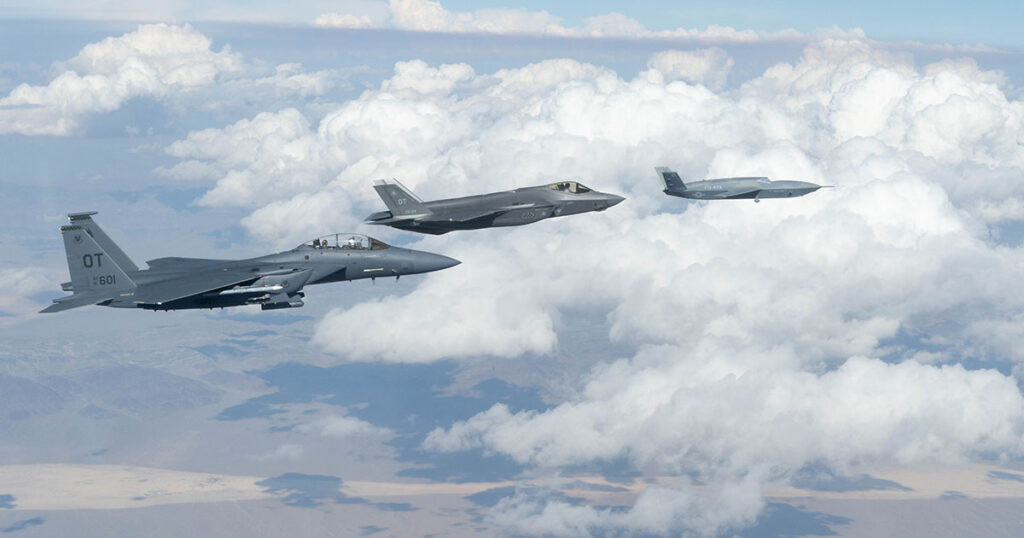
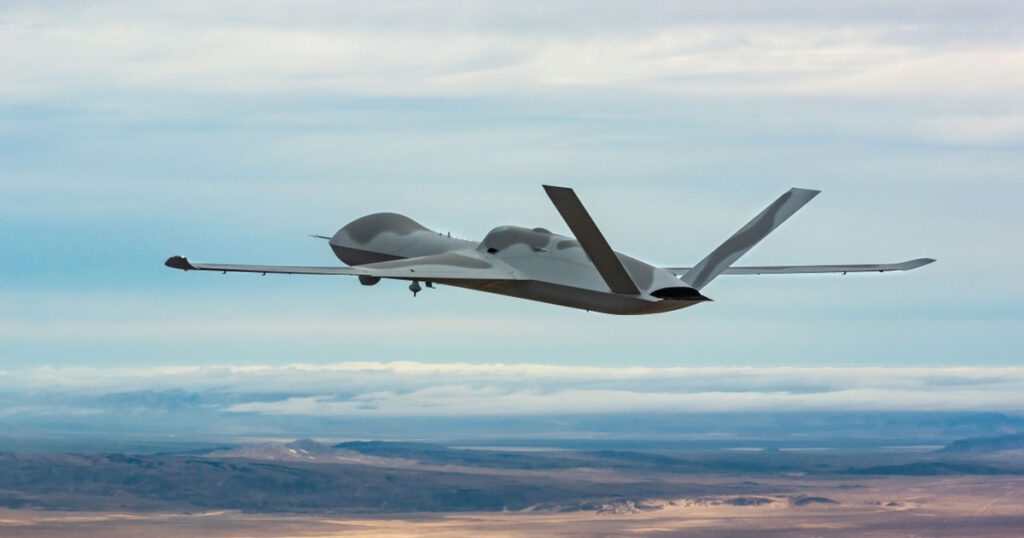
The CAMP project will demonstrate key capabilities on the MQ-20 Avenger® platform equipped with Government Reference Implementation (GRI) autonomy, Electronic Warfare (EW), and Infrared Search and Track (IRST) payloads. The initiative emphasizes robust communications architectures featuring Link 16, Tactical Targeting Network Technology (TTNT), and Starlink satellite communications for resilient command and control.

In addition, this project advances operationally scalable autonomy by delivering enterprise mission planning, trusted AI governance, and accelerated digital validation to support Autonomous Combat Aircraft. By integrating secure AI model lifecycle management, human-centered oversight, and high-fidelity simulation environments, GA-ASI is enabling rapid capability iteration and seamless human-autonomy teaming.

The planned demonstration will showcase advanced mission planning and debrief capabilities for autonomy-enabled operations, integrated with Navy systems and evaluated in complex contested operational scenarios. The effort will highlight how mission planning software enables behavioral tasking, Electronic Warfare (EW) and Infrared Search and Track (IRST) employment, combat air patrol, and target engagement, with execution and coordination demonstrated via Link 16-enabled platforms including F/A-18 Super Hornets.

To learn more, visit the General Atomics Aeronautical Systems, Inc Partner Hub: Innovation Partner Hub
Posted by Eleanor Widdows Joining in 2025, Eleanor is as an Editor and Copywriter at Unmanned Systems Technology. She holds a First-Class Honors degree in English Language and Linguistics from the University of Southampton and is passionate about producing clear, accessible content on UAVs, robotics, and sensing technologies, showcasing the latest innovations in the unmanned systems sector. Connect

More from General Atomics Aeronautical Systems, Inc

GA-ASI & Hanwha Aerospace Prove Uncrewed Battlefield Short Field Capabilities

General Atomics Aeronautical Systems and Hanwha Aerospace successfully demonstrate the Mojave STOL uncrewed aircraft performing landing and takeoff operations under simulated live-fire combat conditions at a South Korean maneuver trail

Sep 18, 2026
GA-ASI & Tactical Air Support Demonstrate Advanced Human-Machine Teaming in Live Exercise

General Atomics Aeronautical Systems, Inc. and Tactical Air Support, Inc. successfully execute live flight testing of multi-ship infrared passive sensing and open architecture software to close tactical kill chains against airborne threats

Sep 17, 2026
GA-ASI to Open 22,000-Square-Foot UAS Innovation Hub in Ohio

General Atomics Aeronautical Systems is expanding its presence in Dayton, Ohio, with a new 22,000-square-foot innovation hub focused on hardware, software, autonomy, rapid prototyping, integration, and testing of next-generation UAS capabilities for U.S. Air Force programs

Sep 16, 2026
GA-ASI Unveils Wildfire UAS for High-Capability & Cost-Conscious Ops

General Atomics Aeronautical Systems launches its groundbreaking Wildfire UAS, combining exceptional endurance, massive payload capacity, and high autonomy to deliver cost-effective mass for defense and commercial roles

Sep 11, 2026
GA-ASI to Expand Italian Air Force Fleet with Two Additional Reapers

General Atomics Aeronautical Systems will deliver two new MQ-9A Block 5 Reapers to the Italian Air Force, boosting long-endurance surveillance capabilities across domestic, Mediterranean, and NATO operational spheres

Sep 10, 2026
GA-ASI & Fujitsu Partner on MQ-9B UAS Support in Japan

General Atomics Aeronautical Systems and Fujitsu signed an MOU to establish local maintenance, training, and operational capabilities for Japan’s planned fleet of 23 MQ-9B maritime surveillance aircraft

Sep 01, 2026
Advancing Unmanned Systems Through Strategic Collaboration UST works with major OEMs to foster collaboration and increase engagement with SMEs, to accelerate innovation and drive unmanned systems capabilities forward.