


HP | MJF for Unmanned Systems
WOLF Advanced Technology
General Atomics Aeronautical Systems, Inc

Durability Test Completed for New Gray Eagle® Heavy Fuel Engine

The 200-horsepower heavy fuel engine underwent a simulated full 2500-hour engine life with the highest possible flight loads By Mike Ball / 05 Jun 2024
Follow UST

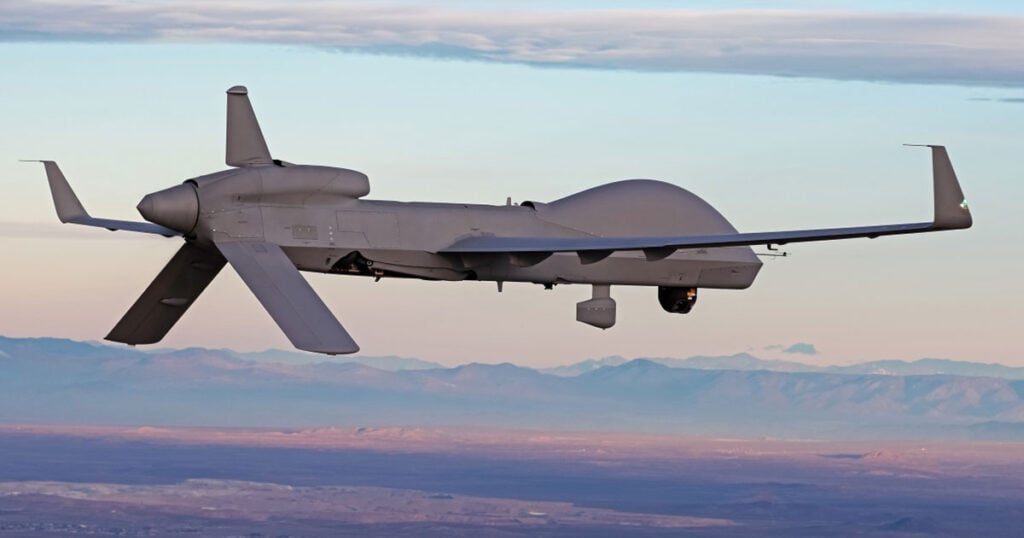
General Atomics Aeronautical Systems, Inc. (GA-ASI) has confirmed that the company has completed durability testing for its new 200-horsepower heavy fuel engine at its El Mirage, California, flight facility.

The Heavy Fuel Engine (HFE) 2.0, featuring a new GA-ASI-designed gear box and dual brushless generators from General Atomics Electromagnetic Systems (GA-EMS), is designed to bring the engine and all ancillary components to 2500 hours between scheduled overhauls and greatly increase maintenance-free operational periods.

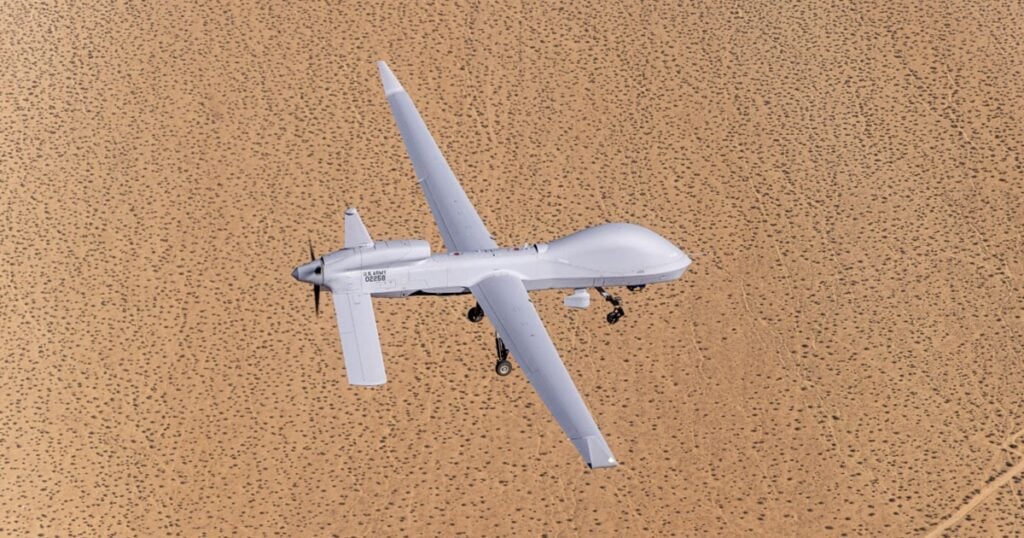
The HFE 2.0 engine is being considered by the U.S. Army to become the fleet replacement for the current 180-horsepower engine used on GA-ASI’s Gray Eagle Extended Range (GE ER) Unmanned Aircraft System (UAS). HFE 2.0 is also the cornerstone of the modernized Gray Eagle 25M (GE 25M) UAS currently being produced under a U.S. Army-funded program to support future Multi-Domain Operations (MDO) UAS missions.

The final durability test simulated a full 2500-hour engine life operating the highest flight loads that could ever be seen in the field. The test included conditions simulating 1250 full power take-offs and climbs to high-cruising altitude, and over 200 hours of cruise in a worst-case generator loading conditions.

GA-ASI and its affiliate General Atomics Europe partnered with global leaders in high-performance engines — supported by propulsion technology innovator Cosworth — to develop an engine with increased horsepower, durability, and reliability. GA-ASI also brought in GA-EMS to design and build the engine’s dual brushless generators, which will dramatically reduce field maintenance and with the same Size, Weight, and Power (SWaP) of the existing brushed generator, will deliver over 50 percent more electrical power for new payloads and mission capabilities.

Final 150-hour qualification testing is scheduled to be completed in September followed by certification from the U.S. Army.

David R. Alexander, GA-ASI President, commented: “Our HFE 2.0 engine is now the best heavy fuel engine in aviation. Hats off to our Internal Research and Development team whose ingenuity and technical sophistication inspired the HFE 2.0 program, allowing us to develop a more reliable and durable engine that also addresses diminishing manufacturing sources for aviation heavy fuel engines and components.”


To learn more, visit the General Atomics Aeronautical Systems, Inc Partner Hub: Innovation Partner Hub
Posted by Mike Ball Mike Ball is our resident technical editor here at Unmanned Systems Technology. Combining his passion for teaching, advanced engineering and all things unmanned, Mike keeps a watchful eye over everything related to the unmanned technical sector. With over 10 years’ experience in the unmanned field and a degree in engineering, Mike’s been heading up our technical team here for the last 8 years. Connect

More from General Atomics Aeronautical Systems, Inc

Thirteen Dutch Innovators Selected to Pitch Defense & Dual-Use Technologies at Blue Magic Netherlands

Featuring keynotes from senior military and NATO leaders, thirteen Dutch tech companies prepare to pitch cutting-edge solutions addressing critical defense challenges to industry decision-makers at the Eindhoven innovation event

Nov 05, 2026
GA-ASI Opens North Dakota Facility for Remote MQ-9A Operations

GA-ASI has opened a new Remote Split Operation (RSO) facility in North Dakota to support MQ-9A aircraft missions for U.S. Africa Command, reducing overseas personnel requirements and operational costs through US-based remote flight operations

Nov 03, 2026
GA-ASI & Saab Demonstrate Uncrewed Airborne Early Warning Flight Capabilities on MQ-9B

Flight trials in California paired General Atomics’ long-endurance uncrewed aircraft with Saab’s advanced radar to track multiple airborne and maritime targets, transforming persistent surveillance while eliminating operational risk to crewed platforms

Oct 29, 2026
GA-ASI & Spirit Defense Partner to Scale Collaborative Combat Aircraft Production

GA-ASI has partnered with Spirit Defense to manufacture fuselages for the Air Force's FQ-42 Collaborative Combat Aircraft, significantly expanding industrial capacity to accelerate autonomous military fleet production

Oct 27, 2026
GA-ASI Flight Tests New ESM System for Long-Range Sensing on Army Gray Eagle UAS

GA-ASI has completed successful flight testing of SNC's Electronic Support Measures system on the MQ-1C Gray Eagle ER, enhancing long-range threat detection and survivability for U.S. Forces

Oct 19, 2026
Arizona Army National Guard to Receive First Gray Eagle® 25M UAS

General Atomics Aeronautical Systems plans to deliver eight Gray Eagle® 25M unmanned aircraft to the Arizona Army National Guard in September 2027, with four additional units scheduled for fielding by the end of 2029 as part of a wider initiative to establish eight divisional UAS companies

Oct 14, 2026

THE WEEKLY eBRIEF

The latest unmanned systems news, straight to your inbox.

Get our weekly roundup of technology developments, new products and industry news.

By subscribing, you agree to receive the weekly UST eBrief newsletter from EchoBlue Ltd. Unsubscribe at any time using the link in every email. See our Privacy Notice.

Advancing Unmanned Systems Through Strategic Collaboration UST works with major OEMs to foster collaboration and increase engagement with SMEs, to accelerate innovation and drive unmanned systems capabilities forward.