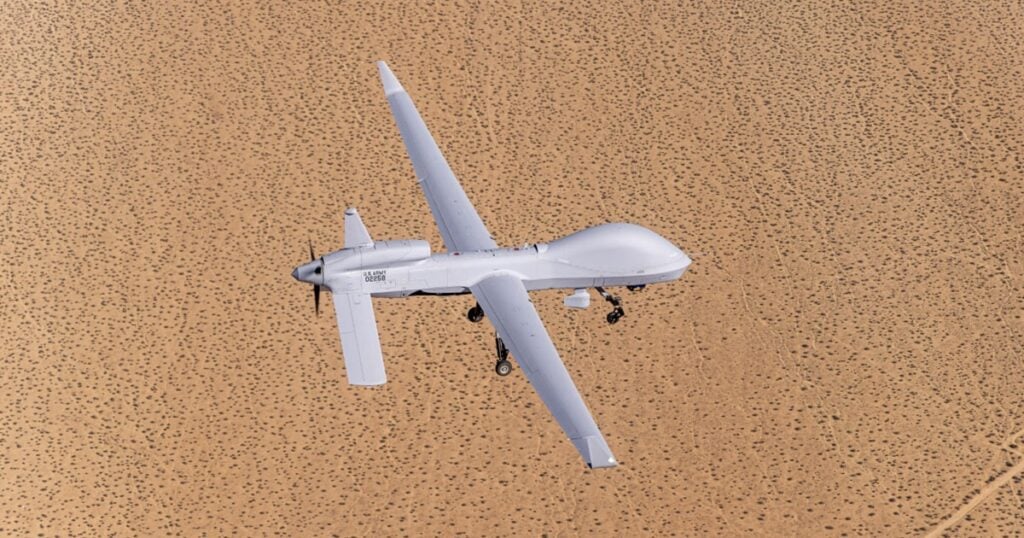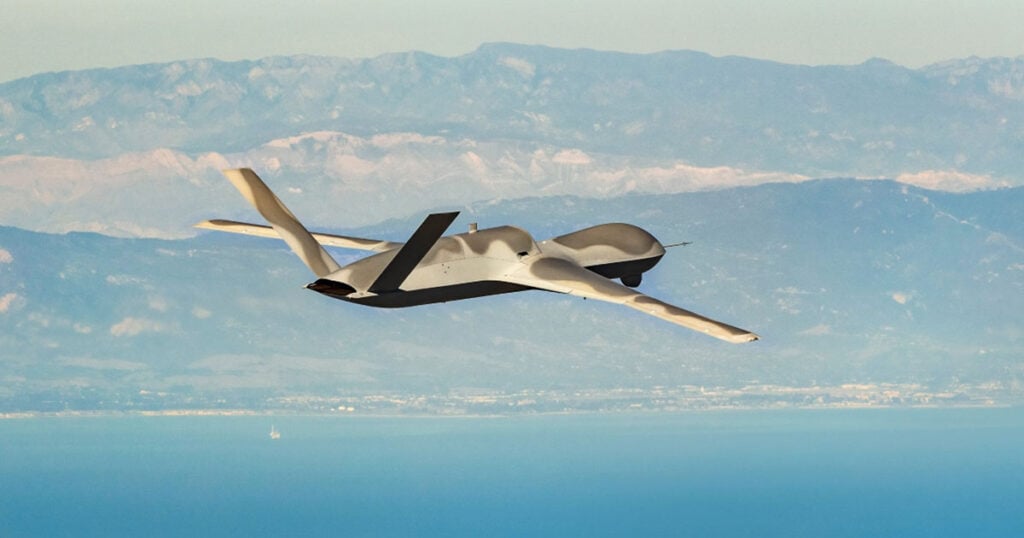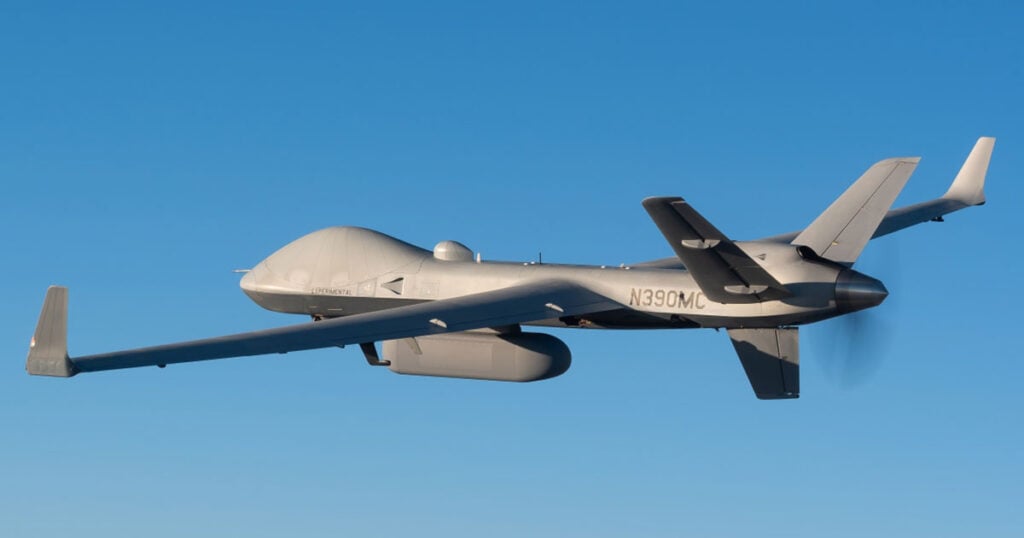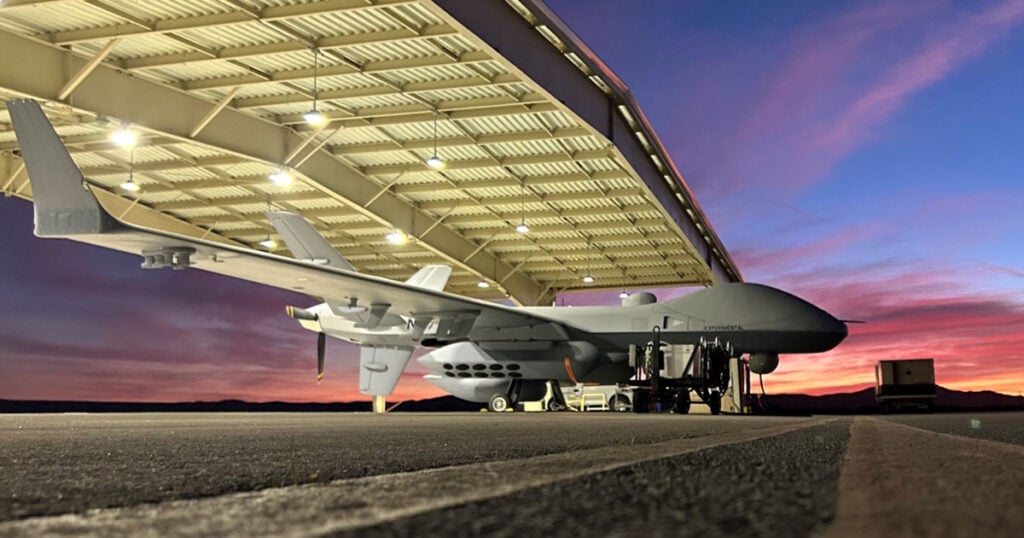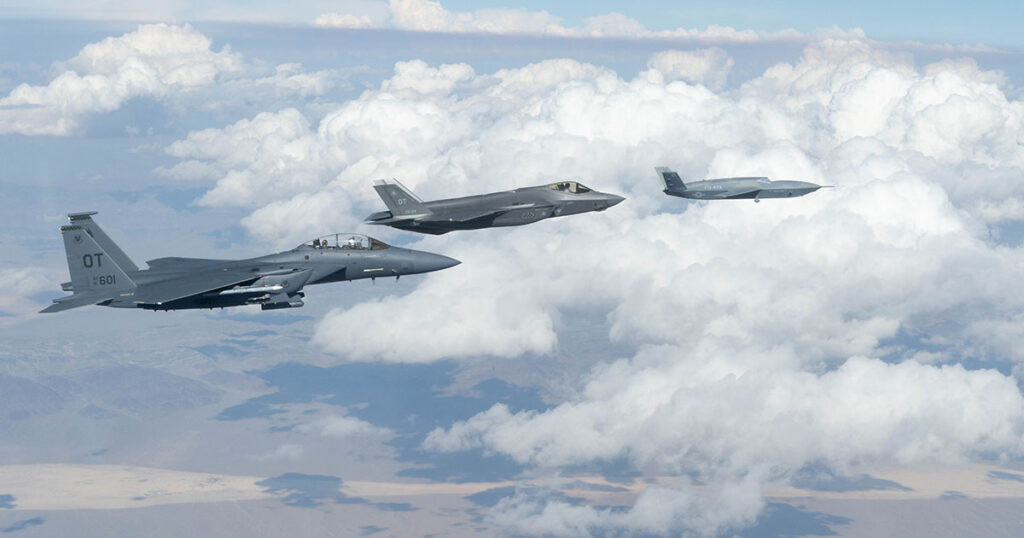
General Atomics Aeronautical Systems, Inc. (GA-ASI) has unveiled its new Integrated Intelligence Center (I2C), which presents innovative ways to improve the user experience for operators of Remotely Piloted Aircraft (RPA) using automation and user experience-based design (UX).
“I2C will rapidly transform data into actionable intelligence,” said David R. Alexander, president, GA-ASI. “We see benefits to the warfighter on many fronts, including the reduction of operational cost – whether it’s Ground Ops, Air Ops, or Intel Ops. By combining XC2, Automatic Takeoff and Landing, MMC and our single-seat Certifiable Ground Control Station, we will reduce manning by 50 percent.”
GA-ASI’s modular and open software architecture designs promote horizontal integration of third party software and rapid integration of new capabilities, making the following developments the ideal set of Intelligence, Surveillance and Reconnaissance (ISR) tools for streamlined and improved collaboration:
- eXpeditionary Command & Control (XC2): XC2 laptop leverages GA-ASI’s Advanced Cockpit development by porting select capabilities to a ruggedized laptop. A forward-deployed maintainer can use the laptop to employ automated pre-flight and post-flight checklists that reduce setup times by up to 50 percent, and reduces the airlift requirements by eliminating the need for a forward-deployed Ground Control Station (GCS).
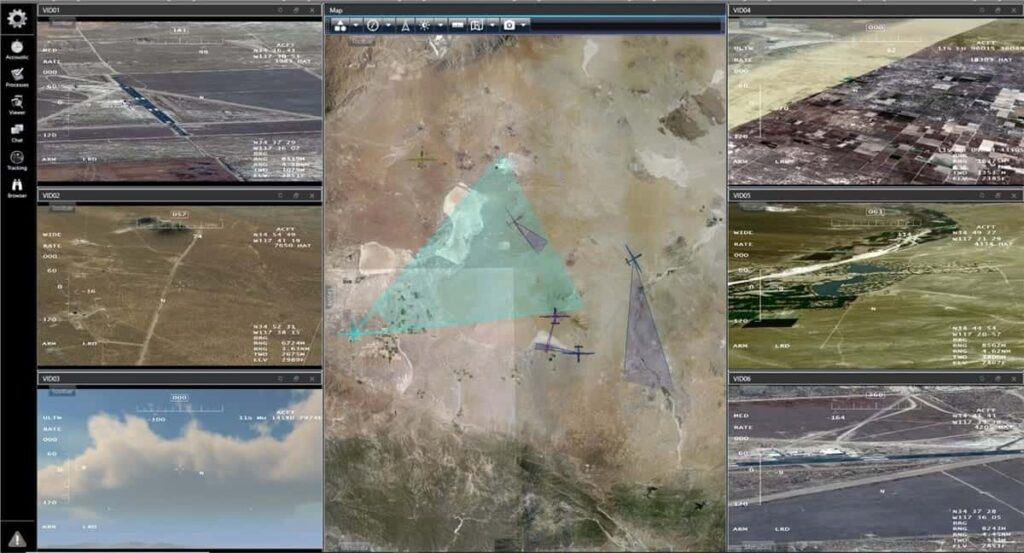
- Certifiable Ground Control Station (CGCS): The CGCS enables single-seat operations to reduce manpower requirements. Its tactical situation display unifies ISR and C4ISR data, as well as mission planning into a single Common Operating Picture (COP). The integrated Collins Pro Line Fusion enables CGCS certifiability for operation in national airspace.
- Multi-Mission Controller (MMC): The MMC enables a single user to safely control multiple aircraft and perform transit and routine ISR missions using a hand controller. When an aircraft is tasked with performing more dynamic ISR or a strike mission, MMC allows a rapid handoff of the aircraft to a dedicated GCS, where a mission crew can take control.
- Metis – Automated intelligence Collection Management: Metis is a map-based interface that enables a pre-approved Metis user to request ISR products from the RPA, similar to ordering a car from Uber. Once the Metis user sends a task, it’s transmitted to MMC in real time. The MMC user selects the task and an integrated third party auto-router automatically generates a safe route to the requested target.
- STARE Imagery: The System for Tactical Archival, Retrieval, and Exploitation’s (STARE) Common Operation Picture shows aircraft locations, where the operator can look and what they are looking at. The Multi-INT exploitation tool ingests, archives, disseminates and makes ISR data discoverable for imagery analysts to utilize. STARE reduces data exploitation tasks from hours to minutes.
- Automation of Intel Ops: I2C integrates third party capabilities and software services to make Intel analysts more effective. Automated Activity Alerts – based on Multi-INT data correlation – reduces the need for eyes-on RPA sensor data to pick out significant activity. GA-ASI is partnering with best-of-breed companies specializing in Artificial Intelligence (AI) and Machine Learning with proven AI-based systems deployed across multiple commercial sectors. GA-ASI works with these businesses to train their AI capability with MQ-9, MQ-1C and Predator ISR data.
These tools and capabilities are either operationally deployed, undergoing customer operational assessment or are actively flying aircraft.