


HP MJF for Unmanned Systems
Deep Trekker SPECTRA
General Atomics Aeronautical Systems, Inc

Guardian UAS Completes Demonstration Flights in Japan

By Mike Ball / 25 Jun 2018
Follow UST

GA-ASI Guardian UAS

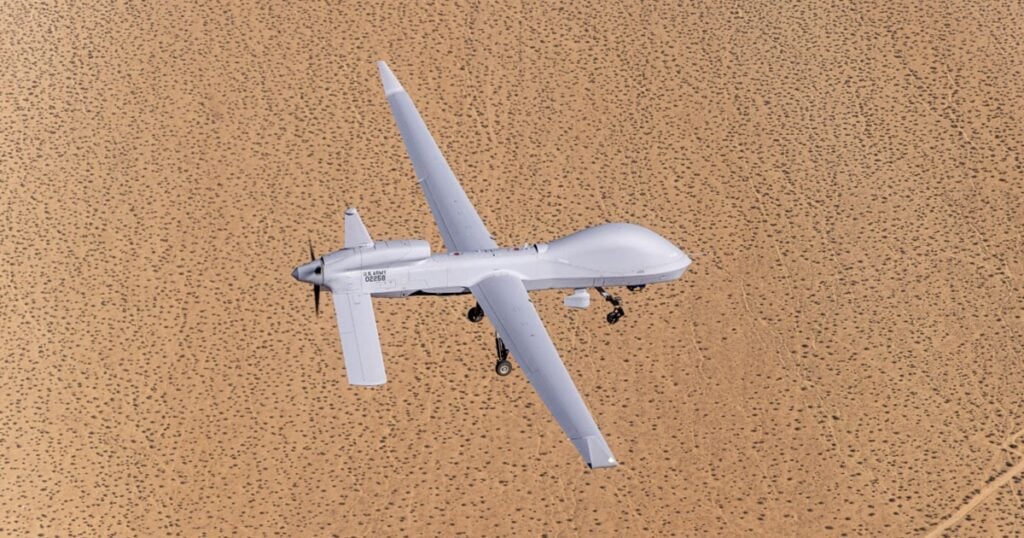
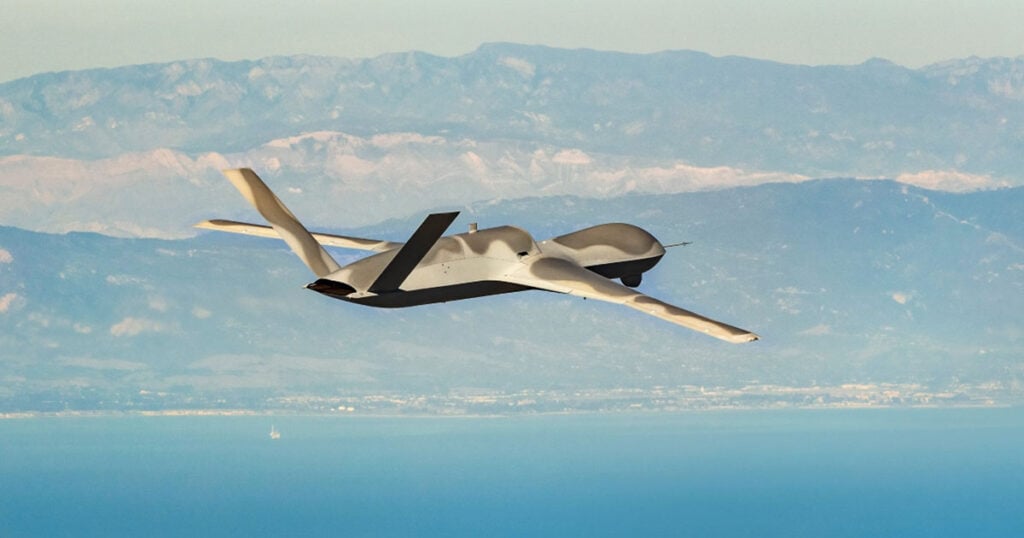
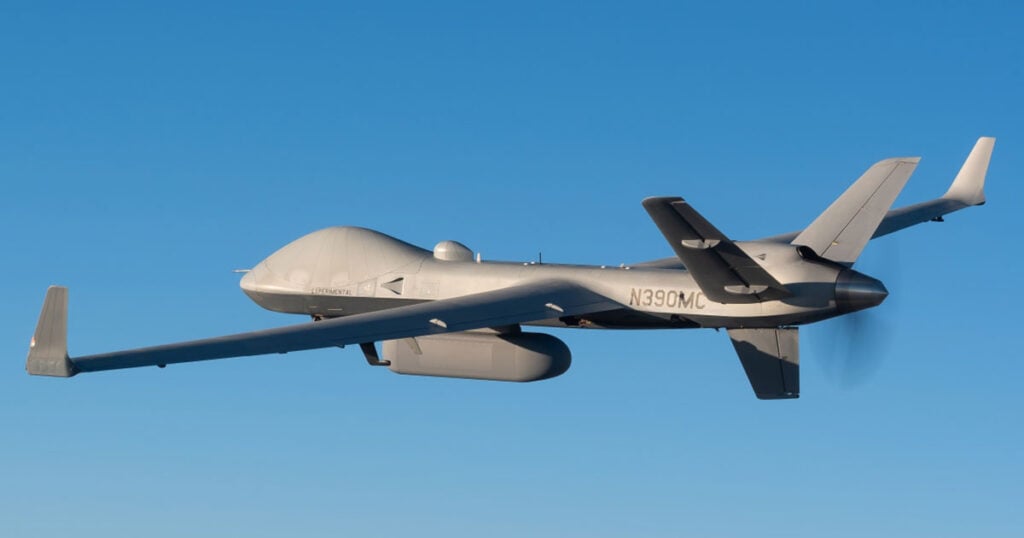
General Atomics Aeronautical Systems, Inc. (GA-ASI) has announced that the Guardian Remotely Piloted Aircraft (RPA) has concluded the first large-scale demonstration flights in Japan. The demonstration flights, which took place over a period of two weeks, were intended to promote the civil and scientific applications of the RPA.

“We thank the Mayor of Iki and the many other public and private stakeholders who made this demonstration possible,” said Linden Blue, CEO, GA-ASI. “We believe that the flights of long-endurance RPAs in Japan’s maritime environment yielded valuable information, and we now begin the process of reviewing the important data gathered from these flights.”

During the demonstration which operated from the Island of Iki in Japan’s Nagasaki Prefecture, GA-ASI’s Guardian:

  • Successfully demonstrated utility in Humanitarian and Disaster Response, by monitoring the volcano on Fugendake, and tracking the spread of a small brush fire on Iki
  • Monitored the environmental impact of overfishing in the Exclusive Economic Zone (EEZ)
  • Provided overwatch support to the Japanese Fisheries Agency during routine patrols
  • Demonstrated the utility of GA-ASI’s “Detect and Avoid” system which ensured safe operational flight throughout Japanese airspace
  • Verified the Automatic Identification System (AIS) ability of SeaVue Radar, enabling rapid identification of ships at sea as a method of countering piracy and illegal fishing

The Guardian configuration RPA has an endurance of in excess of 20 hours, and has been operated successfully by the United States Department of Customs and Border Protection since 2008.

This was the first demonstration of a long-endurance RPA by a private company in Japan. The aircraft’s sensors included a long-range maritime surface-search radar, stabilized optical and infrared video cameras, and an active collision-avoidance system, including a short range air-to-air radar.

GA-ASI led the demonstrations in cooperation with Iki Airport personnel and Japanese national authorities. The sensor data collected by Guardian will be provided to scientific research institutions, and flight data will be given to airspace management organizations to help establish procedures for using RPA systems in national and international civil airspace.

GA-ASI sent its own team of experienced RPA pilots, sensor operators, and maintenance personnel to Japan to ensure safe operation during all phases of the demonstration. The demonstration was funded by GA-ASI and the equipment used belongs to the company.


To learn more, visit the General Atomics Aeronautical Systems, Inc Partner Hub: Innovation Partner Hub
Posted by Mike Ball Mike Ball is our resident technical editor here at Unmanned Systems Technology. Combining his passion for teaching, advanced engineering and all things unmanned, Mike keeps a watchful eye over everything related to the unmanned technical sector. With over 10 years’ experience in the unmanned field and a degree in engineering, Mike’s been heading up our technical team here for the last 8 years. Connect

More from General Atomics Aeronautical Systems, Inc

Arizona Army National Guard to Receive First Gray Eagle® 25M UAS

General Atomics Aeronautical Systems plans to deliver eight Gray Eagle® 25M unmanned aircraft to the Arizona Army National Guard in September 2027, with four additional units scheduled for fielding by the end of 2029 as part of a wider initiative to establish eight divisional UAS companies

Oct 14, 2026
GA-ASI Recognizes Three Small Business Suppliers for Quality Performance

General Atomics Aeronautical Systems has recognized three small business suppliers for their 2025 quality performance through its new annual Supplier Quality Recognition program, highlighting their leadership, collaboration, and commitment to continuous improvement

Oct 08, 2026
US Navy & GA-ASI Advance Autonomous Drone Swarm Mission Planning

GA-ASI and the US Navy have successfully integrated mission autonomy software with live aircraft to demonstrate real-time, autonomous fleet coordination and mission planning aligned with commander intent

Oct 07, 2026
Airborne Network Pod Tested on MQ-9B RPA for Emergency Response

GA-ASI and SoftBank have successfully flight-tested an innovative aerial communications payload on an MQ-9B drone to deliver vital mobile connectivity in emergency zones during disaster response operations

Oct 05, 2026
U.S. Navy Evaluates SeaGuardian UAS at NAS Whidbey Island

General Atomics Aeronautical Systems showcases the maritime MQ-9B SeaGuardian to naval leaders at NAS Whidbey Island, highlighting its role as a force multiplier alongside the P-8A Poseidon for fleet operations

Oct 02, 2026
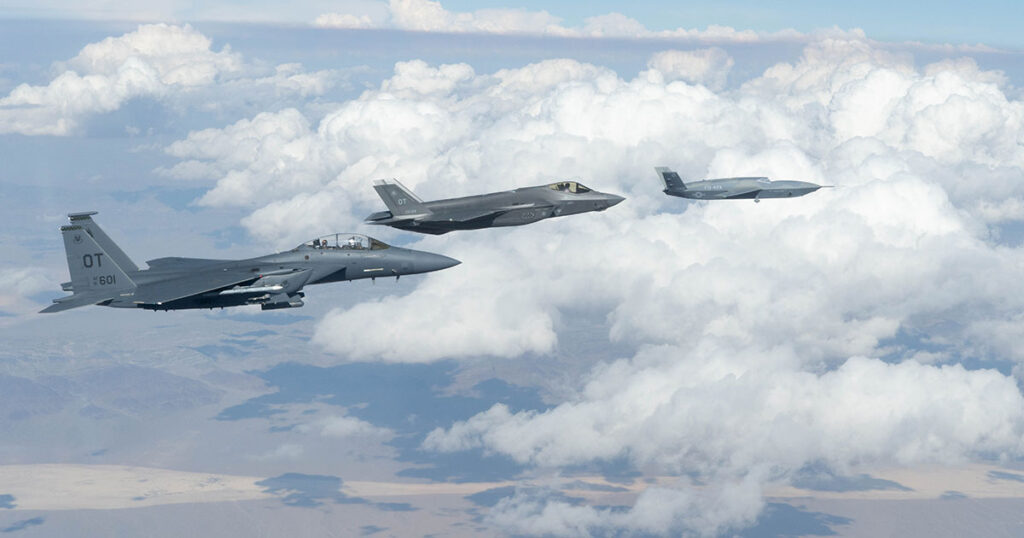
USAF Takes Delivery of FQ-42 Vengeance Combat Jet at Creech AFB

General Atomics Aeronautical Systems, Inc. delivers another FQ-42 Vengeance uncrewed fighter to Creech Air Force Base, advancing autonomous flight testing and operational experimentation for the U.S. Air Force Collaborative Combat Aircraft program

Sep 23, 2026

THE WEEKLY eBRIEF

The latest unmanned systems news, straight to your inbox.

Get our weekly roundup of technology developments, new products and industry news.

By subscribing, you agree to receive the weekly UST eBrief newsletter from EchoBlue Ltd. Unsubscribe at any time using the link in every email. See our Privacy Notice.

Advancing Unmanned Systems Through Strategic Collaboration UST works with major OEMs to foster collaboration and increase engagement with SMEs, to accelerate innovation and drive unmanned systems capabilities forward.