

SBG Systems Stellar-40
General Atomics Aeronautical Systems, Inc

GA-ASI Demonstrates MQ-9B Automatic Takeoff and Landing

By Mike Ball / 22 Jan 2018
Follow UST

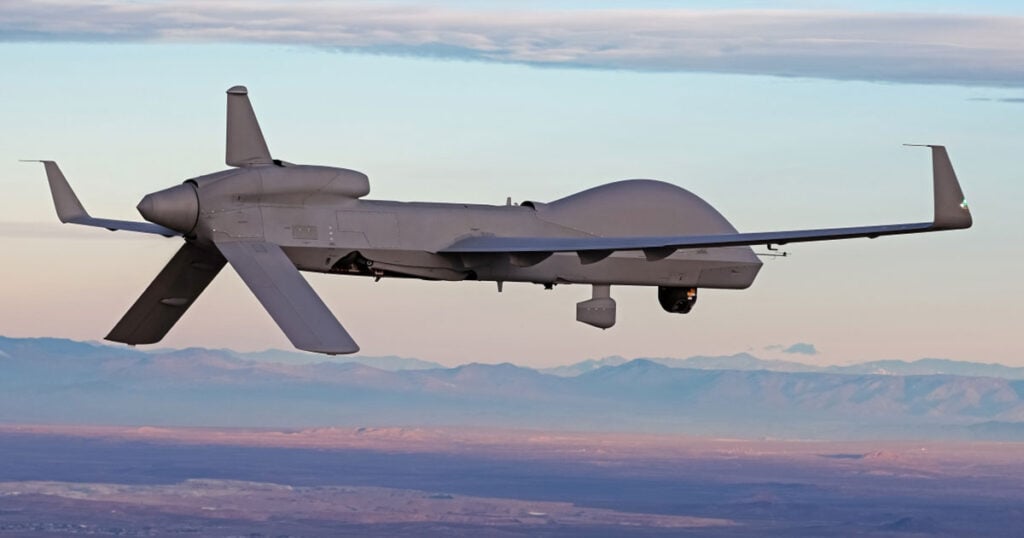
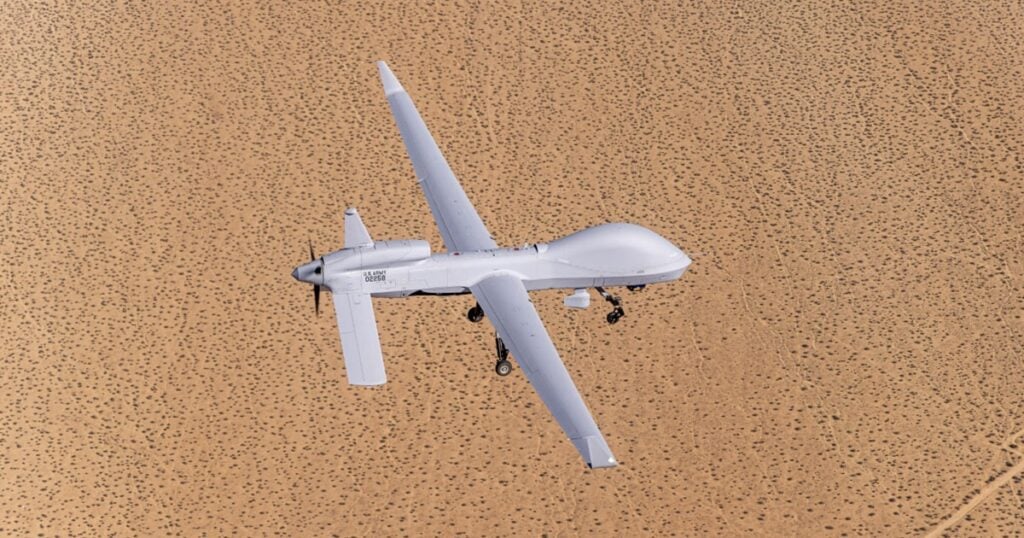
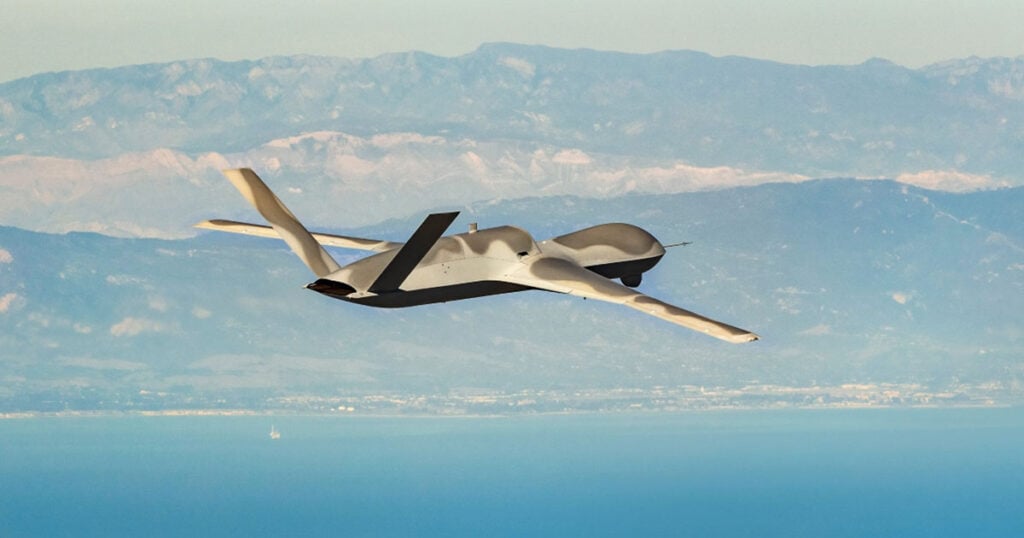
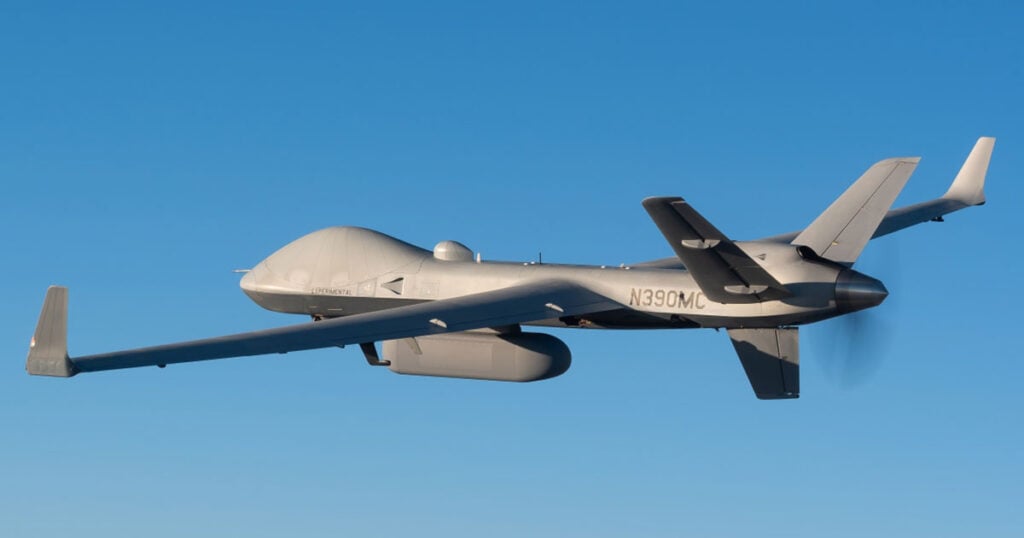
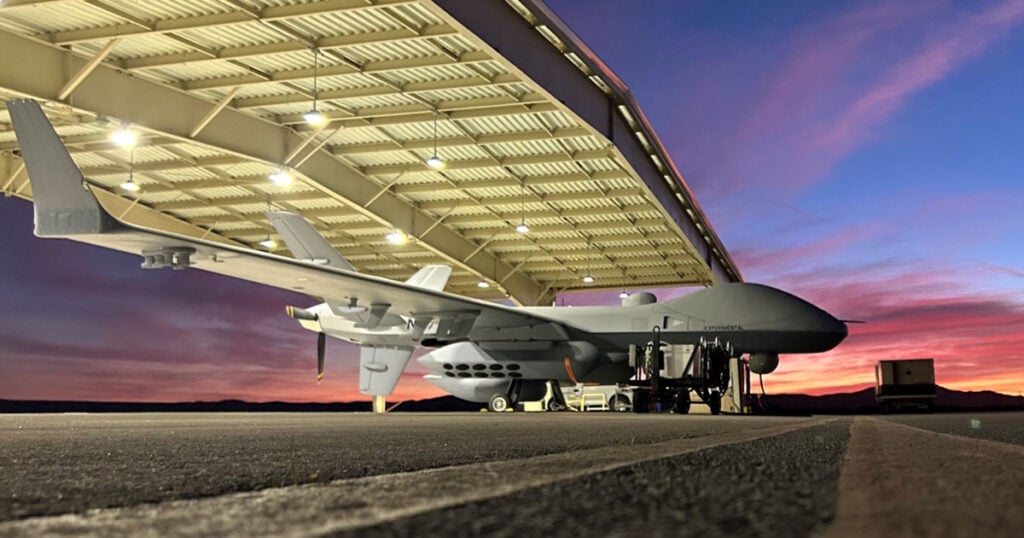
MQ-9B SkyGuardian RPA

General Atomics Aeronautical Systems (GA-ASI) has announced that it has successfully demonstrated its latest Automatic Takeoff and Landing Capability (ATLC) using a Satellite Communications (SATCOM) data link for its MQ-9B SkyGuardian/SeaGuardian Remotely Piloted Aircraft (RPA). The demonstration also included the first SATCOM taxi of the MQ-9B. This capability will eliminate the need for a ground control station and pilot/flight crew to be located at the aircraft’s base which will drastically reduce airlift requirements when the RPA is “forward deployed”.

In addition to the SATCOM-only Launch and Recovery Element (LRE) operations, recent MQ-9B development has included an endurance flight of more than 48 hours and the first FAA-approved flight for a RPA in non-segregated airspace. The MQ-9B will become the first RPA with SATCOM LRE functions when the MQ-9B PROTECTOR is delivered to the UK’s Royal Air Force (RAF) in the early 2020s.

“MQ-9B is continuing its momentous development, which now includes SATCOM taxi, takeoff, and landing capability,” said David R. Alexander, president, Aircraft Systems, GA-ASI. “When we partnered with the RAF to develop the world’s most advanced RPA, we identified SATCOM ATLC and SATCOM taxi as important safety and efficiency features, and we’re proud to have demonstrated it successfully using one of our capital aircraft.”

The demonstrations were conducted in December 2017 using GA-ASI’s capital MQ-9B SkyGuardian. The supervisory crew and Ground Control Stations (GCS) operated out of the company’s Gray Butte Flight Operations Center near Palmdale, Calif., and the aircraft was flown out of Laguna Army Airfield near Yuma, Ariz. Using only a SATCOM datalink, the team successfully taxied the aircraft and initiated six auto takeoff and landing events.

SATCOM ATLC enables taxi, launch and recovery operations from anywhere in the world and will reduce required aircrew manpower and LRE footprints. With trained RPA aircrew only required at the mission control element GCS location, the overall operating cost of the RPA is reduced. It also enables rapid self-deployment of aircraft to any global runway with a Global Positioning System (GPS) surveyed file.


To learn more, visit the General Atomics Aeronautical Systems, Inc Partner Hub: Innovation Partner Hub
Posted by Mike Ball Mike Ball is our resident technical editor here at Unmanned Systems Technology. Combining his passion for teaching, advanced engineering and all things unmanned, Mike keeps a watchful eye over everything related to the unmanned technical sector. With over 10 years’ experience in the unmanned field and a degree in engineering, Mike’s been heading up our technical team here for the last 8 years. Connect

More from General Atomics Aeronautical Systems, Inc

GA-ASI to Expand Italian Air Force Fleet with Two Additional Reapers

General Atomics Aeronautical Systems will deliver two new MQ-9A Block 5 Reapers to the Italian Air Force, boosting long-endurance surveillance capabilities across domestic, Mediterranean, and NATO operational spheres

Sep 10, 2026
GA-ASI & Fujitsu Partner on MQ-9B UAS Support in Japan

General Atomics Aeronautical Systems and Fujitsu signed an MOU to establish local maintenance, training, and operational capabilities for Japan’s planned fleet of 23 MQ-9B maritime surveillance aircraft

Sep 01, 2026
GA-ASI Partners with Belgian Defense Leaders on MQ-9B ISR Technology

GA-ASI, Thales, Octave, and dotOcean sign a landmark MoU to integrate advanced C4ISR software, geospatial visualization, and AI sensor processing into MQ-9B SkyGuardian and SeaGuardian platforms for European defense operations

Jul 30, 2026
GA-ASI Enters Partnership to Integrate SPEAR Missiles on MQ-9B & Gambit 6

General Atomics Aeronautical Systems and MBDA have committed to integrate SPEAR precision strike missiles onto the MQ-9B and Gambit 6 uncrewed aircraft to deliver advanced long range combat capabilities worldwide

Jul 28, 2026
GA-ASI Progresses Joint Strike Missile Integration for MQ-9B UAS

General Atomics Aeronautical Systems and KONGSBERG are advancing the integration of the Joint Strike Missile with the MQ-9B, completing key design reviews as part of a jointly funded effort to add long-range strike capability to the uncrewed platform

Jul 24, 2026
GA-ASI Completes Weapons Qualification Testing for RAF Protector

General Atomics Aeronautical Systems has concluded weapons qualification testing for the Royal Air Force’s Protector RG Mk1, qualifying Paveway IV and Brimstone 3 following six years of US-UK governmental and industry collaboration

Jul 22, 2026
Advancing Unmanned Systems Through Strategic Collaboration UST works with major OEMs to foster collaboration and increase engagement with SMEs, to accelerate innovation and drive unmanned systems capabilities forward.