


HP MJF for Unmanned Systems
Deep Trekker SPECTRA
General Atomics Aeronautical Systems, Inc

Japan Plans to Fly MALE UAS in Non-Segregated Civil Airspace

By Mike Ball / 27 Mar 2017
Follow UST

General Atomics Guardian UAV

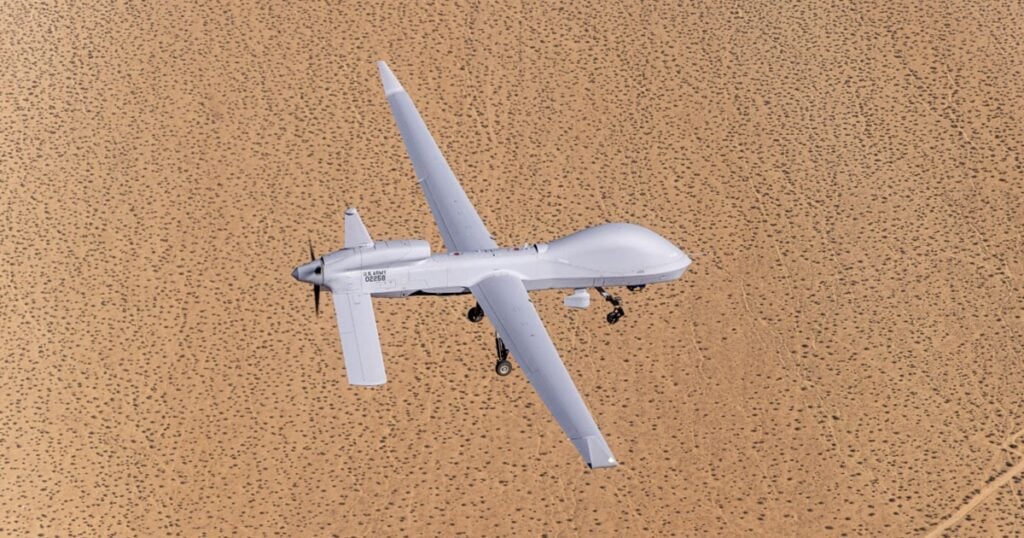
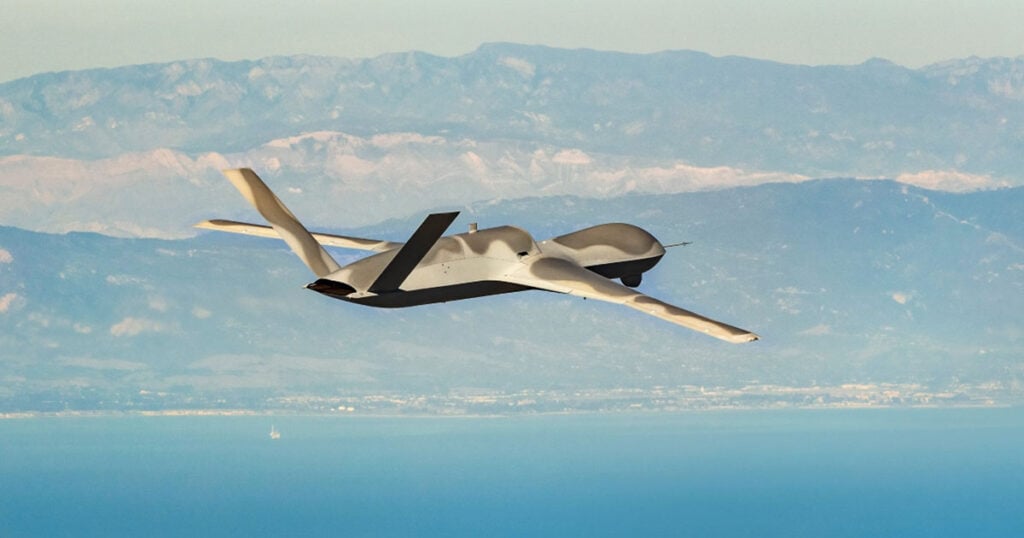
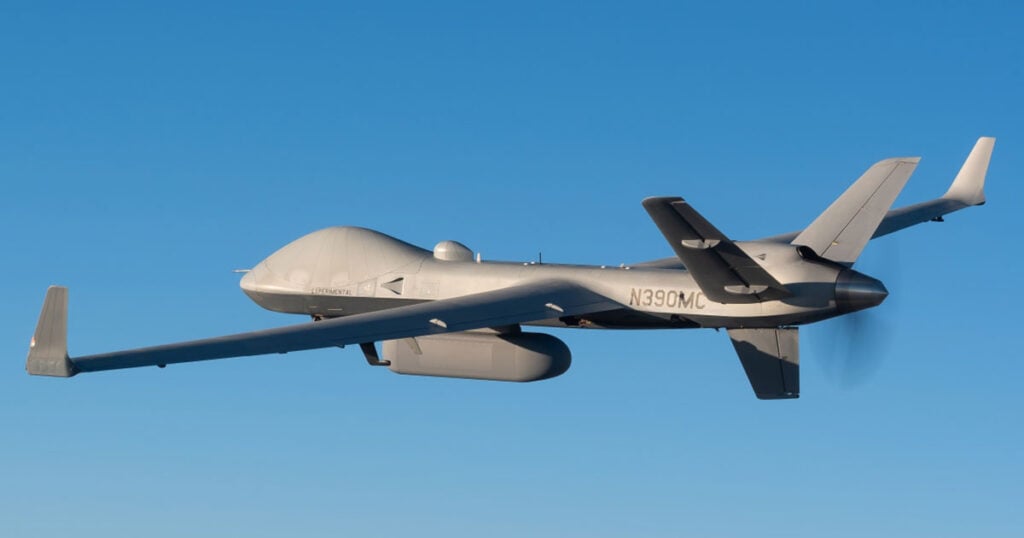
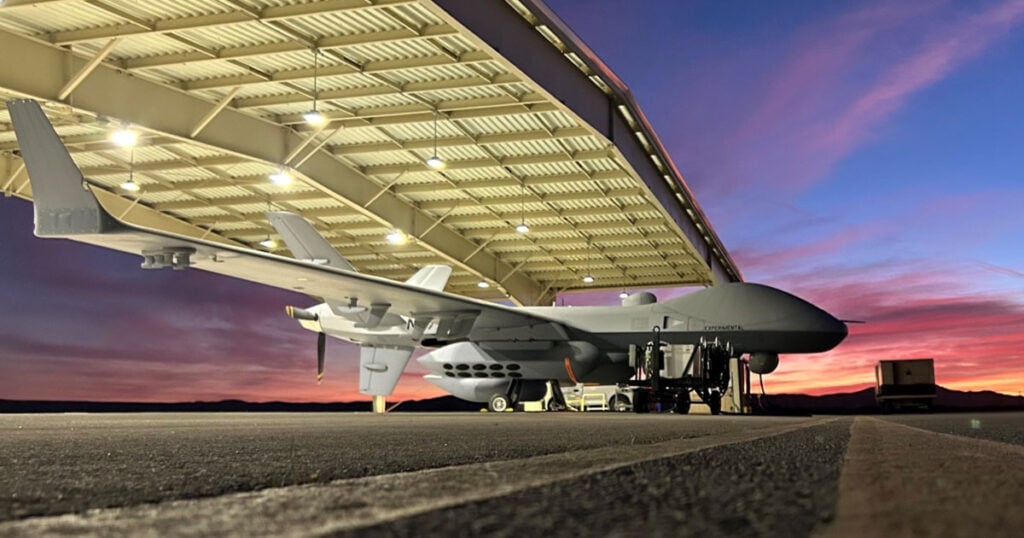
General Atomics Aeronautical Systems has announced during a briefing at the Japan Drone expo that it has executed a research collaboration agreement with a consortium of Japanese industry, government, and academia groups to accelerate operational approval for Medium-altitude Long-endurance (MALE) Remotely Piloted Aircraft (RPA) to fly in non-segregated Japanese civil airspace.

“The expertise arising from this collaboration in air traffic control, communications technology, and operations will help drive our efforts to validate Japanese airspace integration concepts for our Guardian aircraft and other RPA,” said David R. Alexander, president, Aircraft Systems, GA-ASI. “Local partnerships and their contributions in gaining RPA acceptance in Japanese civil airspace is the first major step in validating these concepts.”

The partnership seeks to establish the first civil MALE RPA flight approval in Japan and examine its utility for public and commercial operations. As a nation surrounded by sea and frequently impacted by natural disasters such as earthquakes, tsunamis, and typhoons, Japan is a country in strong need of resilient situational awareness and communication capabilities. RPA such as Guardian are expected to play a critical role in fulfilling these needs.

“We believe that it’s important to explore a framework that will allow the full potential of RPA efficacy on missions to be maximized so that it can contribute to humanitarian efforts such as disaster relief and border protection to support Japan’s social priorities,” said Nobuyuki Otsubo, director of strategic development, GA-ASI.

GA-ASI’s briefing at Japan Drone highlighted Japan’s significant need for surveillance of the area around Japan. Japan Coast Guard, for example, has an area 12 times the size of Japan that it is responsible for. This area includes coverage of exclusive economic zones, search and rescue, and immediate disaster relief. Guardian is an aircraft specifically designed to provide the kind of coverage and information that is critical for Japan today. It represents a multi-agency solution for a multi-domain challenge. GA-ASI is working with several agencies in Japan to be able to perform a demonstration of its technology later this year.

The long-term goal of this collaboration is to fly the GA-ASI-designed Guardian in non-segregated Japanese airspace and to expand the RPA’s mission capabilities. Currently, RPA airspace regulations do not exist in Japan, and this new partnership will strive to become the pathfinder program in doing so.


To learn more, visit the General Atomics Aeronautical Systems, Inc Partner Hub: Innovation Partner Hub
Posted by Mike Ball Mike Ball is our resident technical editor here at Unmanned Systems Technology. Combining his passion for teaching, advanced engineering and all things unmanned, Mike keeps a watchful eye over everything related to the unmanned technical sector. With over 10 years’ experience in the unmanned field and a degree in engineering, Mike’s been heading up our technical team here for the last 8 years. Connect

More from General Atomics Aeronautical Systems, Inc

Arizona Army National Guard to Receive First Gray Eagle® 25M UAS

General Atomics Aeronautical Systems plans to deliver eight Gray Eagle® 25M unmanned aircraft to the Arizona Army National Guard in September 2027, with four additional units scheduled for fielding by the end of 2029 as part of a wider initiative to establish eight divisional UAS companies

Oct 14, 2026
GA-ASI Recognizes Three Small Business Suppliers for Quality Performance

General Atomics Aeronautical Systems has recognized three small business suppliers for their 2025 quality performance through its new annual Supplier Quality Recognition program, highlighting their leadership, collaboration, and commitment to continuous improvement

Oct 08, 2026
US Navy & GA-ASI Advance Autonomous Drone Swarm Mission Planning

GA-ASI and the US Navy have successfully integrated mission autonomy software with live aircraft to demonstrate real-time, autonomous fleet coordination and mission planning aligned with commander intent

Oct 07, 2026
Airborne Network Pod Tested on MQ-9B RPA for Emergency Response

GA-ASI and SoftBank have successfully flight-tested an innovative aerial communications payload on an MQ-9B drone to deliver vital mobile connectivity in emergency zones during disaster response operations

Oct 05, 2026
U.S. Navy Evaluates SeaGuardian UAS at NAS Whidbey Island

General Atomics Aeronautical Systems showcases the maritime MQ-9B SeaGuardian to naval leaders at NAS Whidbey Island, highlighting its role as a force multiplier alongside the P-8A Poseidon for fleet operations

Oct 02, 2026
USAF Takes Delivery of FQ-42 Vengeance Combat Jet at Creech AFB

General Atomics Aeronautical Systems, Inc. delivers another FQ-42 Vengeance uncrewed fighter to Creech Air Force Base, advancing autonomous flight testing and operational experimentation for the U.S. Air Force Collaborative Combat Aircraft program

Sep 23, 2026

THE WEEKLY eBRIEF

The latest unmanned systems news, straight to your inbox.

Get our weekly roundup of technology developments, new products and industry news.

By subscribing, you agree to receive the weekly UST eBrief newsletter from EchoBlue Ltd. Unsubscribe at any time using the link in every email. See our Privacy Notice.

Advancing Unmanned Systems Through Strategic Collaboration UST works with major OEMs to foster collaboration and increase engagement with SMEs, to accelerate innovation and drive unmanned systems capabilities forward.