HP MJF for Unmanned Systems
General Atomics Aeronautical Systems, Inc

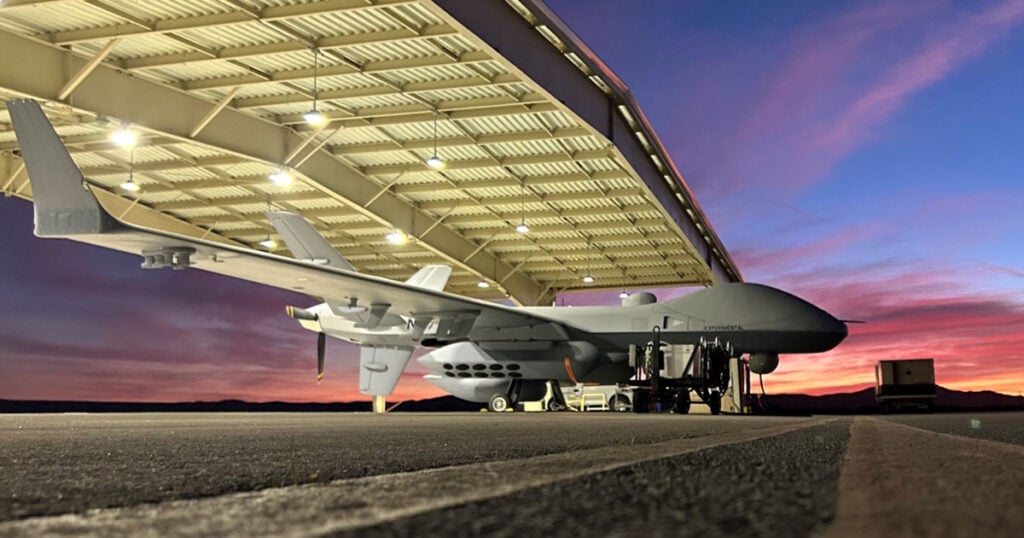
GA-ASI Begins Flight Testing for Gray Eagle Extended Range UAS

By Mike Ball / 09 Dec 2016
Follow UST

Gray Eagle Extended Range UAS

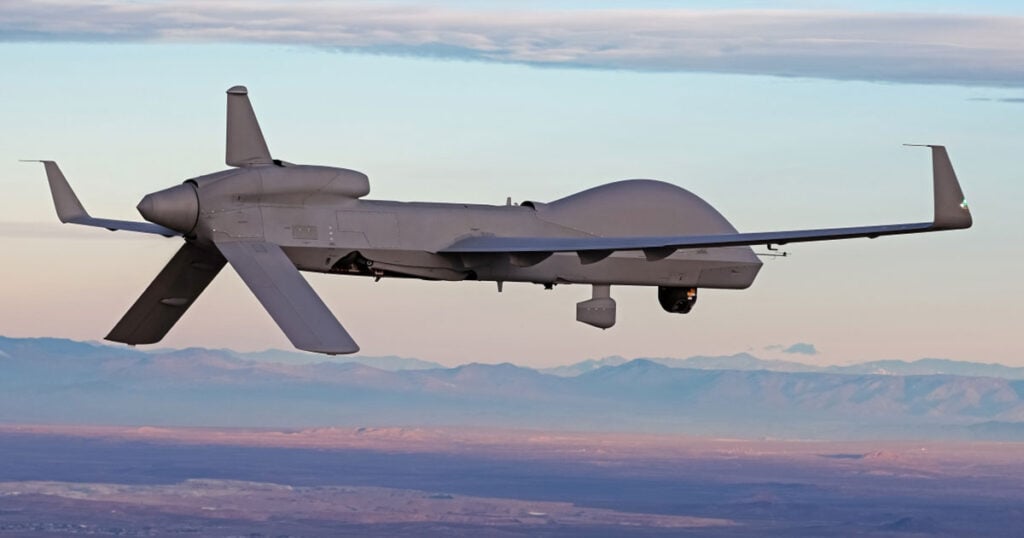
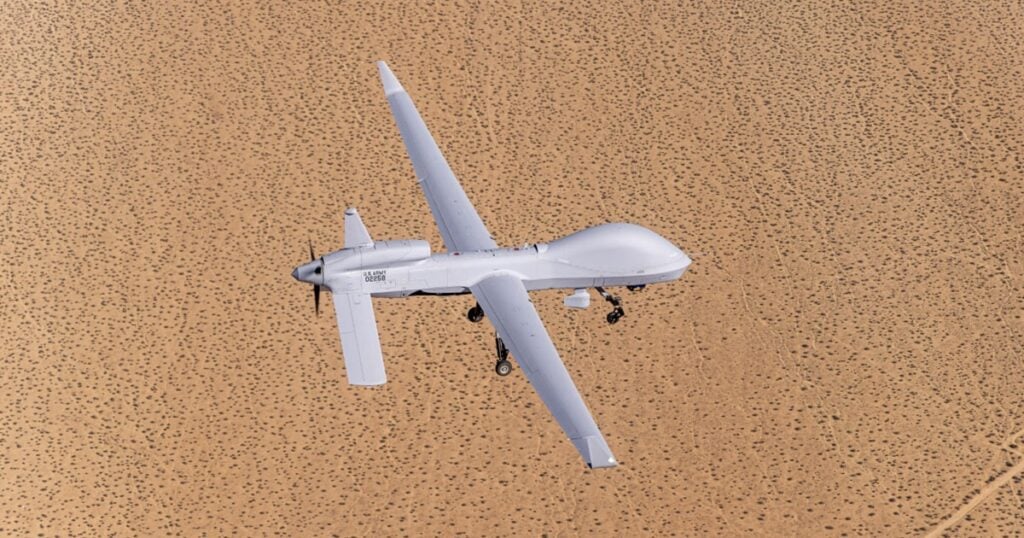
General Atomics Aeronautical Systems has announced the commencement of flight testing for its MQ-1C Gray Eagle Extended Range (ER) series with the successful first flight of the company’s production representative MQ-1C aircraft from its El Mirage Flight Operations Facility in Adelanto, California.

“The flight of our capital MQ-1C Gray Eagle ER UAS [Unmanned Aircraft System] is a significant milestone in the continued evolution of the MQ-1C program with our U.S. Army customer,” said David R. Alexander, president, Aircraft Systems, GA-ASI. “This marks the next step in delivering the aircraft’s increased endurance and payload capability to the warfighter.”

MQ-1C Gray Eagle ER, developed by GA-ASI on Internal Research and Development (IRAD) specifically to increase endurance and payload capacity, is a next-generation derivative of the combat-proven Gray Eagle UAS, which has accumulated over 300,000 flight hours since 2008. MQ-1C ER is expected to complete flight testing in June 2017, at which point it will begin a series of Army test events culminating in the program’s second Follow-on Operational Test and Evaluation in late 2017. The first four aircraft are expected to be delivered in Q2 and Q3 2017, with an additional 15 over the course of 2018.

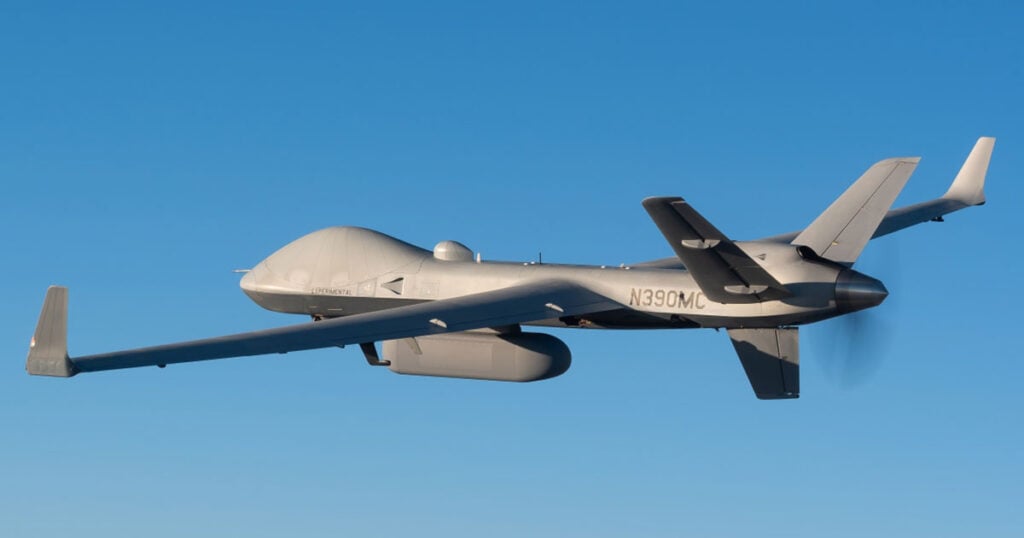
MQ-1C ER delivers an advanced Medium-altitude Long-endurance (MALE) capability for the Army, adding increased payload capacity, greater range and endurance, and improved maintainability. The aircraft is engineered with a Maximum Gross Takeoff Weight (MGTOW) of 4,200 pounds compared with Gray Eagle’s MGTOW of 3,600 pounds. The incorporation of MQ-1C ER’s straight belly design allows for more than 910 pounds of internal fuel and a centerline hard point that can accommodate an optional fuel pod with an additional 450 pounds. With endurance at more than 40 hours, the aircraft will exceed the Army’s requirement for 14 hours on station at 1,000 kilometers for all mission types.

MQ-1C ER features an upgraded Heavy Fuel Engine-180 (HFE-180) which provides increased horsepower and reliability. HFE-180 includes propulsion reliability enhancements, an improved cooling system and high-performance induction system. The new engine began flight tests on Block 1 Gray Eagle in February 2016.

MQ-1C ER’s enhanced capabilities will expand the tactical range for Intelligence, Reconnaissance, Surveillance (ISR), electronic warfare, and attack missions for the U.S. Army and other prospective customers.


To learn more, visit the General Atomics Aeronautical Systems, Inc Partner Hub: Innovation Partner Hub
Posted by Mike Ball Mike Ball is our resident technical editor here at Unmanned Systems Technology. Combining his passion for teaching, advanced engineering and all things unmanned, Mike keeps a watchful eye over everything related to the unmanned technical sector. With over 10 years’ experience in the unmanned field and a degree in engineering, Mike’s been heading up our technical team here for the last 8 years. Connect

More from General Atomics Aeronautical Systems, Inc

USAF Takes Delivery of FQ-42 Vengeance Combat Jet at Creech AFB

General Atomics Aeronautical Systems, Inc. delivers another FQ-42 Vengeance uncrewed fighter to Creech Air Force Base, advancing autonomous flight testing and operational experimentation for the U.S. Air Force Collaborative Combat Aircraft program

Sep 23, 2026
GA-ASI & Hanwha Aerospace Prove Uncrewed Battlefield Short Field Capabilities

General Atomics Aeronautical Systems and Hanwha Aerospace successfully demonstrate the Mojave STOL uncrewed aircraft performing landing and takeoff operations under simulated live-fire combat conditions at a South Korean maneuver trail

Sep 18, 2026
GA-ASI & Tactical Air Support Demonstrate Advanced Human-Machine Teaming in Live Exercise

General Atomics Aeronautical Systems, Inc. and Tactical Air Support, Inc. successfully execute live flight testing of multi-ship infrared passive sensing and open architecture software to close tactical kill chains against airborne threats

Sep 17, 2026
GA-ASI to Open 22,000-Square-Foot UAS Innovation Hub in Ohio

General Atomics Aeronautical Systems is expanding its presence in Dayton, Ohio, with a new 22,000-square-foot innovation hub focused on hardware, software, autonomy, rapid prototyping, integration, and testing of next-generation UAS capabilities for U.S. Air Force programs

Sep 16, 2026
GA-ASI Unveils Wildfire UAS for High-Capability & Cost-Conscious Ops

General Atomics Aeronautical Systems launches its groundbreaking Wildfire UAS, combining exceptional endurance, massive payload capacity, and high autonomy to deliver cost-effective mass for defense and commercial roles

Sep 11, 2026
GA-ASI to Expand Italian Air Force Fleet with Two Additional Reapers

General Atomics Aeronautical Systems will deliver two new MQ-9A Block 5 Reapers to the Italian Air Force, boosting long-endurance surveillance capabilities across domestic, Mediterranean, and NATO operational spheres

Sep 10, 2026

THE WEEKLY eBRIEF

The latest unmanned systems news, straight to your inbox.

Get our weekly roundup of technology developments, new products and industry news.

By subscribing, you agree to receive the weekly UST eBrief newsletter from EchoBlue Ltd. Unsubscribe at any time using the link in every email. See our Privacy Notice.

Advancing Unmanned Systems Through Strategic Collaboration UST works with major OEMs to foster collaboration and increase engagement with SMEs, to accelerate innovation and drive unmanned systems capabilities forward.