


Showcase your capabilities
If you design, build or supply Attritable Drones, create a profile to showcase your capabilities and connect with visitors who have an active requirement for your solutions.



Attritable drones are unmanned aircraft designed to deliver advanced mission capabilities at a cost point that allows commanders to accept platform losses in contested environments. Bridging the gap between expendable systems and high-value reusable UAVs, these platforms support ISR, electronic warfare, communications relay, target acquisition, force protection, and precision strike missions across air, land, and maritime domains.
This page showcases leading attritable UAV manufacturers offering platforms with modular payload architectures, scalable manufacturing, and open-system integration.
Read the Technology Overview
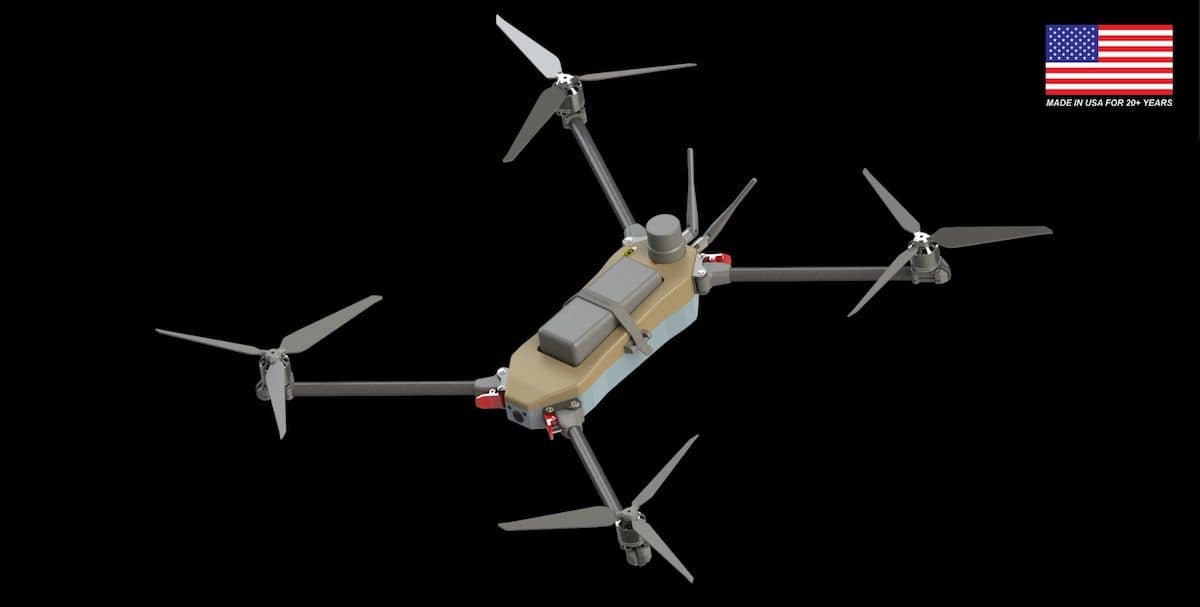

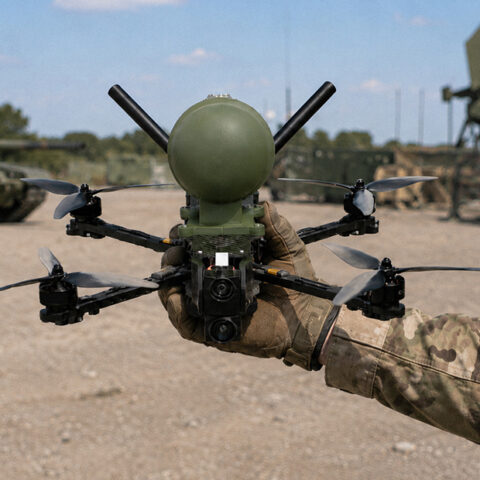
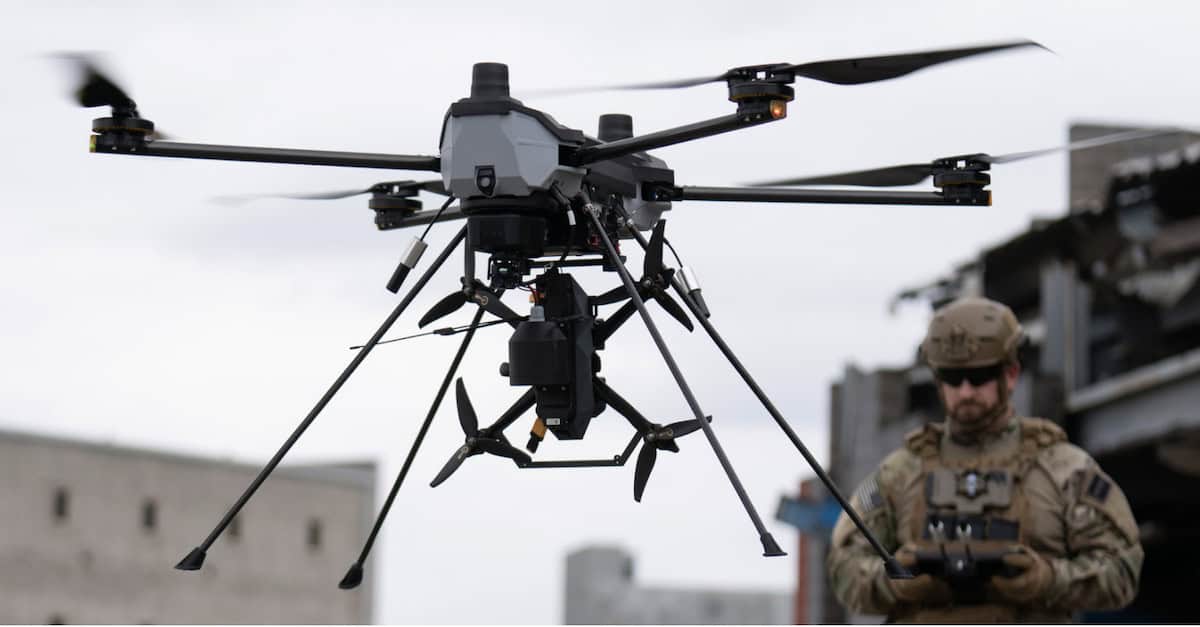
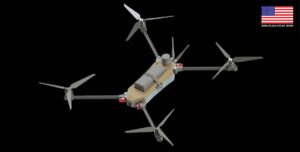
Cutting-Edge USA-Made Helicopter & Multirotor UAVs for Demanding Industrial Applications

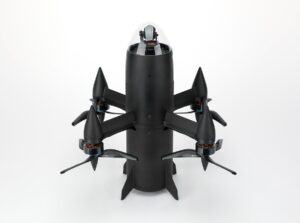
AI-Powered Autonomous Drone Solutions for Public Safety, Defense, and Industrial Inspection

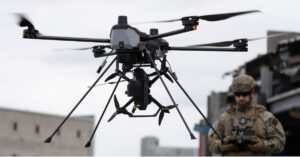
High-Performance Autonomous Drones for Mission-Critical Civilian & Military Applications

If you design, build or supply Attritable Drones, create a profile to showcase your capabilities and connect with visitors who have an active requirement for your solutions.

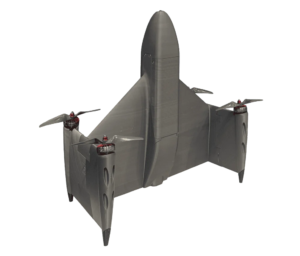
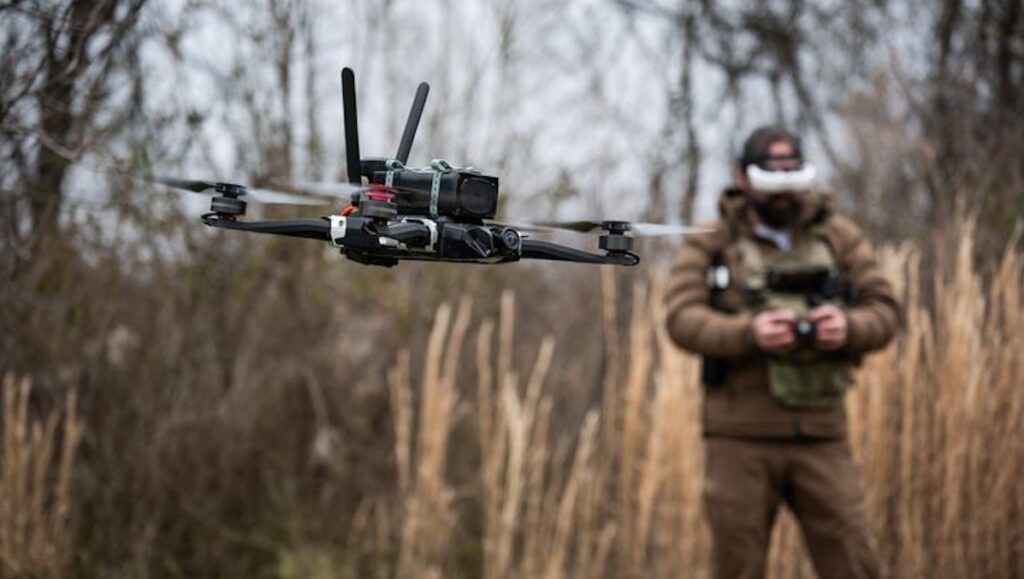
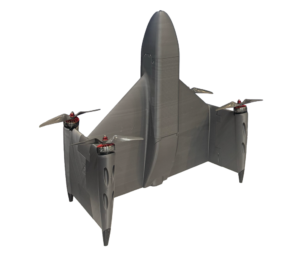
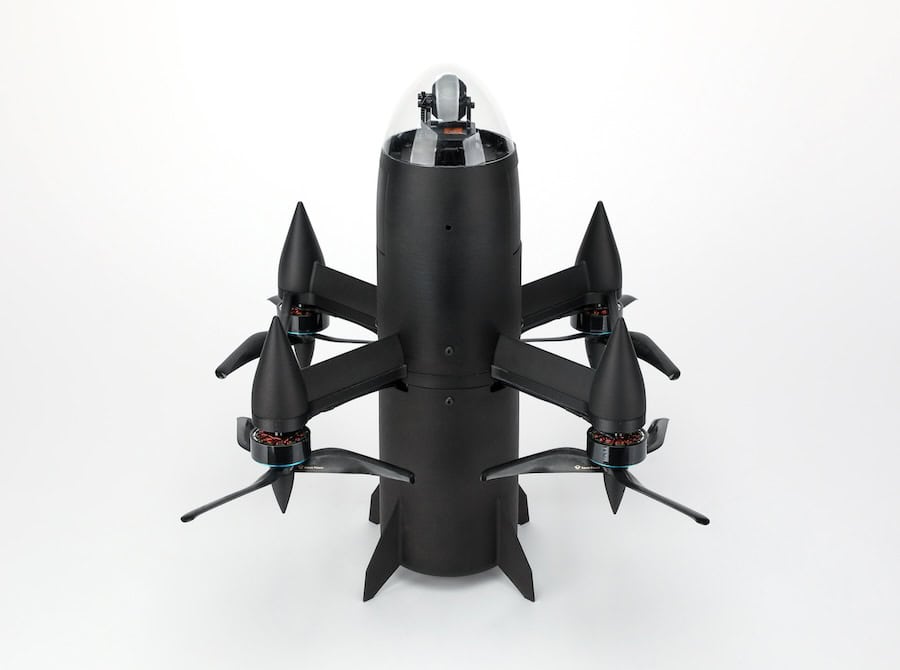
Halley, a 3D-printed Group 1 sUAS offered in an attritable configuration, from Tycho.AI
Attritable drones occupy a distinct operational space between single-use expendable weapons and high-consequence, multi-million-dollar assets. Built to be affordable enough that commanders can accept tactical losses in contested environments, an attritable UAV still delivers significantly greater range, processing power, and payload capacity than fully expendable hardware. This strategic category addresses a critical vulnerability in modern force design, specifically the logistical and financial impossibility of relying solely on small fleets of low-density, high-cost aircraft.
By distributing mission capabilities across larger numbers of lower-cost platforms, military organizations can generate mass and complicate adversary targeting equations. These systems support operations across air, land, and maritime domains through intelligence gathering, electronic warfare, communications relay, force protection, and precision strike missions.
Instead of replacing high-end UAVs or crewed fighters, attritable platforms act as force multipliers. They extend sensor grids, absorb initial operational risk, and project combat power directly into Anti-Access/Area Denial (A2/AD) zones where deploying an exquisite asset would be a critical risk.
| Characteristic | Expendable UAVs | Attritable UAVs | Reusable UAVs |
| Unit Cost | Very Low | Moderate | High to Extremely High |
| Expected Recovery | No | Optional / Threat-Dependent | Yes |
| Mission Complexity | Limited | Medium to High | High |
| Operational Risk Tolerance | Very High | High | Moderate to Low |
| Endurance | Short | Medium to Long | Long to Ultra-Long |
| Payload Capacity | Limited (Often Integrated) | Moderate to High | Extensive |
| Survivability Features | Minimal | Selective / Signature Managed | Extensive / Active Countermeasures |
| Production Volume | Very High | High | Lower |
| Typical Applications | Loitering munitions, decoys | ISR, EW, loyal wingman, strike support | Strategic ISR, MALE/HALE operations |
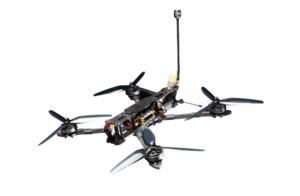
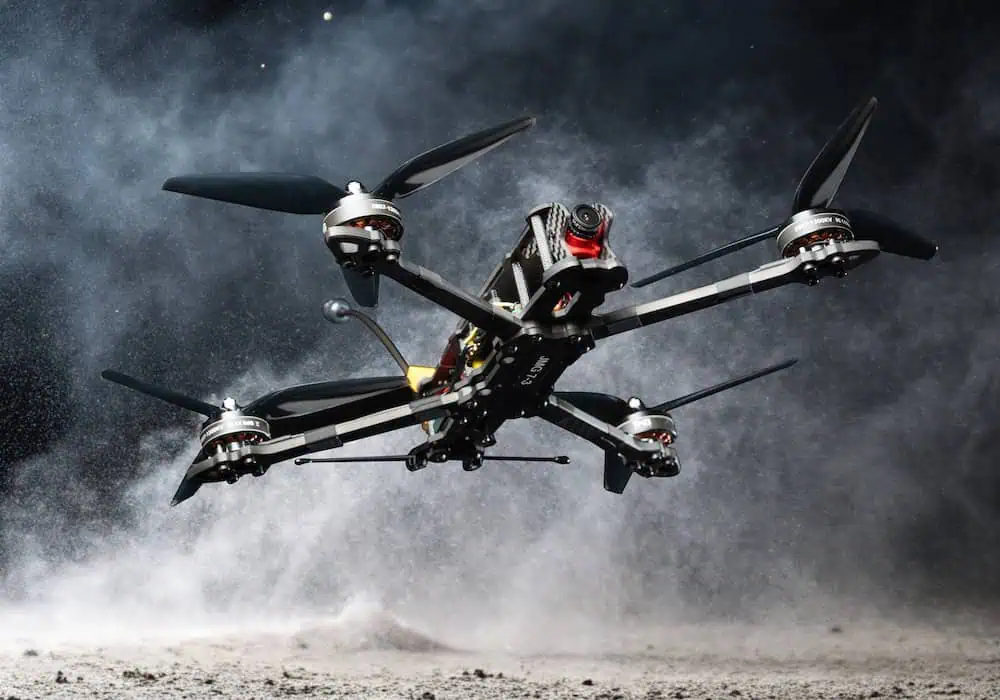
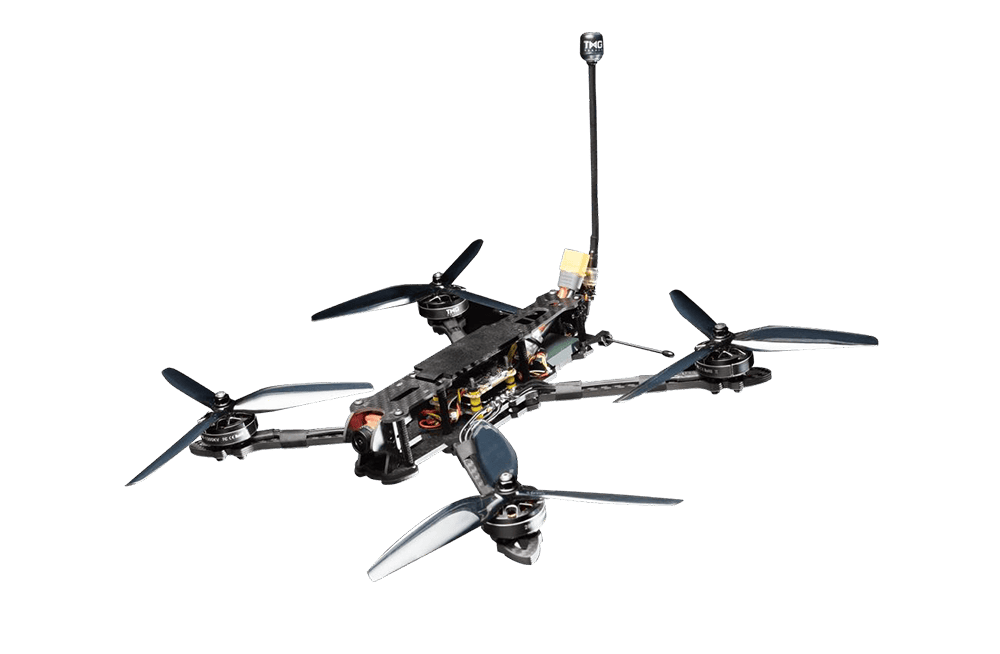
Viper Series, an attritable UAV, from INSANIX
The economic viability of an attritable drone relies on breaking traditional aerospace design paradigms. Systems engineers achieve low unit costs by minimizing total part counts, simplifying structural geometries, and leveraging commercial manufacturing techniques. Because these platforms are designed for conditional reuse rather than decades of service, long-life structural fatigue requirements can often be reduced compared to those applied to traditional reusable military aircraft. This shift allows for the integration of high-performance commercial subcomponents without driving up procurement costs.
Many modern attritable drone designs incorporate modular and open-architecture principles. By decoupling the hardware from the software and mission systems, integrators can rapidly swap sensors, communications suites, and specialized payloads. This modular framework minimizes initial integration costs and ensures that the airframe can absorb rapid technology upgrades throughout its operational lifecycle to counter evolving threats.
To keep battlefield logistics lean, a single attritable UAV platform must perform multiple roles. A standard airframe can be reconfigured for intelligence gathering, electronic warfare, targeting relay, or strike-support missions through the integration of different payload packages at a forward operating base.
Industrial responsiveness is a core pillar of attritable system design. These platforms are engineered from the outset for high-rate, scalable production, drawing on assembly principles from the automotive and commercial electronics industries rather than slow-moving defense aerospace pipelines. This approach allows manufacturers to surge production capacity quickly during security crises or prolonged resource consumption.
While attritable systems bypass the exotic materials and ultra-expensive stealth coatings of premium aircraft, they still integrate smart, selective survivability features. Engineers utilize digital design tools to optimize radar cross-section shaping, incorporate basic infrared signature shielding, and utilize low-probability-of-intercept communications. The focus is on confusing enemy tracking networks and completing the mission without inflating the platform’s price tag.
Persistent ISR in high-threat areas represents the baseline application for these platforms. Flying ahead of crewed assets, attritable systems map enemy positions, provide wide-area surveillance, and feed real-time targeting data back into the battle network without exposing personnel to surface-to-air threats.
When entering heavily defended airspace, attritable platforms can scout ahead to unmask active air defense systems and isolate electronic emission sources. Their deliberate affordability makes them the logical choice for high-risk penetration missions where platform loss is budgeted into the mission design.
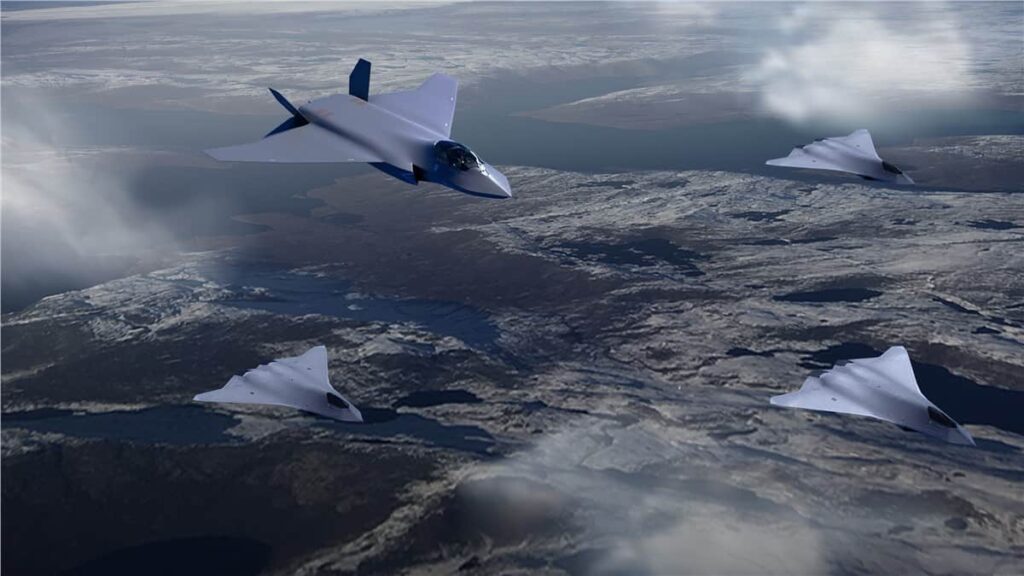
Within Collaborative Combat Aircraft (CCA) concepts, attritable systems serve as loyal wingmen alongside crewed fighters. In this role, they fly ahead to expand the radar horizon, carry complementary weapons packages, or present a decoy target to absorb incoming missile fire.
Equipped with stabilized electro-optical, infrared, and radar sensors, these platforms can locate and track high-value assets and, where equipped, provide target designation capabilities. This capability extends the organic targeting range of long-range standoff weapons deployed by naval vessels or ground forces.
While certain configurations can carry or deliver lightweight precision effects to support strike missions, other variants optimize the engagement cycle through distributed edge-computing, battle management, and real-time sensor fusion.
Mass remains a powerful tactical tool. By deploying large numbers of attritable drones simultaneously, forces can oversaturate enemy integrated air defense systems. This tactic forces adversaries to deplete limited interceptor stocks, reveal hidden radar positions, and struggle with multi-axis tracking.
Following a strike, an attritable drone can immediately enter the target zone to gather high-resolution imagery and electronic verification. This provides commanders with rapid impact analysis without exposing high-value manned reconnaissance assets to lingering dangers.
Distributed maritime operations require flexible aviation assets that do not depend on vulnerable, fixed runways. Attritable platforms can deploy directly from surface combatants, auxiliary vessels, or austere forward operating locations, delivering organic air support wherever the fleet or tactical unit moves.
The engineering goal is to balance aerodynamic performance with rapid, automated assembly. Rather than utilizing labor-intensive hand-laid carbon fiber composites, manufacturers often turn to advanced thermoplastics, lightweight structural alloys, and extensive additive manufacturing (3D printing). This minimizes structural weight while providing sufficient durability to handle tactical maneuvering and transportation stresses.
Internal volume is tightly contested during the design phase. Engineers must optimize the spatial balance between fuel capacity, propulsion machinery, cooling systems, and modular payload bays to meet specific range and weight requirements while maintaining aerodynamic stability.
Signature management focuses on tactical cost-efficiency. Designers prioritize basic geometric shaping to scatter radar returns, shield hot engine exhaust to lower the infrared signature, and leverage directional, low-probability-of-detection communications links to keep the drone digitally concealed.
Integrators utilize a wide array of swappable sensor and mission hardware packages within these platforms to meet real-time operational demands.
These advanced packages turn the foundational airframe into a highly flexible tactical asset.
Where established, secure airfield infrastructure is accessible, conventional landing gear configurations offer the maximum fuel capacity and payload weight limits for long-range missions.
Pneumatic, hydraulic, or rocket-assisted catapult systems launch fixed-wing platforms cleanly from rugged clearings or forward bases, eliminating the need for hard runway surfaces.
VTOL mechanisms provide complete operational flexibility, allowing drones to take off and land safely on moving naval combatants, small offshore platforms, and unprepared expeditionary clearings.
Deploying attritable drones directly from cargo aircraft, bombers, or larger unmanned assets extends their operational range significantly. This method is a cornerstone of evolving joint-force collaborative architectures.
Several technological shifts are completely transforming the capabilities and roles of these unmanned platforms in next-generation warfare.
These emerging trends ensure that upcoming deployments will feature unprecedented levels of tactical autonomy and coordination.


 Searching Companies & Products