HP MJF for Unmanned Systems
General Atomics Aeronautical Systems, Inc

GA-ASI Tests Detect and Avoid System on U.S. Customs’ Guardian UAS

By Caroline Rees / 01 Jun 2016
Follow UST
Customs and Border Protection Guardian UAS

CBP’s Guardian UAS with the DAA system

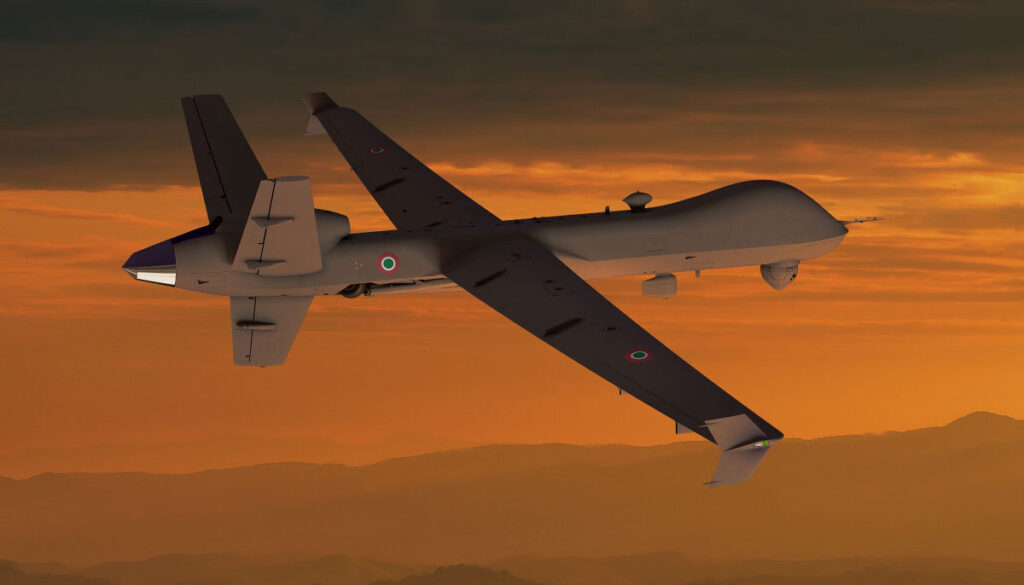
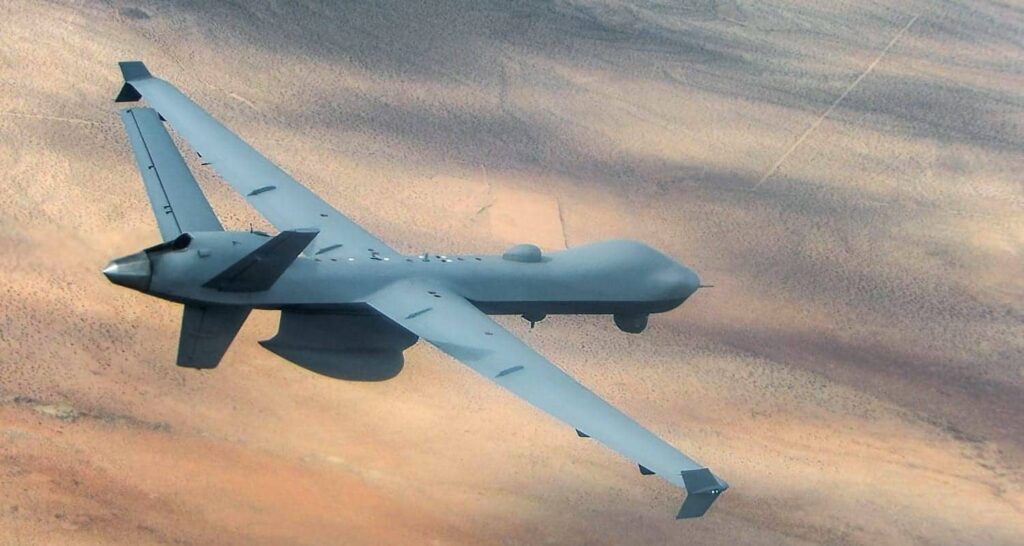
General Atomics Aeronautical Systems, Inc. (GA ASI), has announced the successful operational testing of a Detect and Avoid (DAA) system including GA-ASI’s Due Regard Radar (DRR) aboard a U.S. Customs and Border Protection (CBP) Guardian Unmanned Aircraft System (UAS), a maritime variant of GA-ASI’s Predator® B RPA. The DAA system also includes Honeywell’s Traffic Alert and Collision Avoidance System (TCAS) and Sensor Tracker, specifically designed for DAA.

“The successful completion of our anti-collision radar system operational testing by CBP is a huge milestone for our DAA system as it represents the first integration and evaluation of DRR on an operational UAS,” said David R. Alexander, president, Aircraft Systems, GA-ASI. “CBP’s follow-on operational use of the DAA system in domestic and international airspace will further validate the work being done by the FAA and NASA to introduce RPA into the National Airspace System.”

Installed on a Guardian UAS in cooperation with CBP, these tests demonstrated DRR’s functionality in the national and international airspace operational environment. DAA scenarios included “intruder” aircraft such as a Cessna C-210 and UH-60 Black Hawk equipped with a mix of Mode A/C Transponders, TCAS, and Automatic Dependent Surveillance-Broadcast (ADS-B) transponder capabilities flying close to Guardian.

During each encounter, onboard sensor data was combined and downlinked to the pilot’s traffic display with DAA-specific alerts and guidance, ensuring safe separation between Guardian and the intruder aircraft. The initial overland testing began at GA-ASI’s Gray Butte Flight Operations facility near Palmdale, Calif., on March 10 and concluded April 25 over the eastern Pacific Ocean. The tests confirmed that the DAA system provided the RPA pilot with a clear picture of surrounding air traffic, at least as good as “eyes in the cockpit” of a manned aircraft. They also proved the DAA system’s ability to be operated in concert with other radar payloads on the same aircraft, such as Guardian’s SeaVue maritime surface search radar.

Find suppliers of Sense & Avoid Systems >

CBP operates nine Predator B and Guardian aircraft and is the first customer to employ GA-ASI’s DAA/DRR system in an operational environment. The successful operational testing of DRR aboard Guardian coincides with continued Predator B flight demonstrations conducted in partnership with the FAA, NASA, and industry partners. This work is helping to define airspace regulations that will allow further integration of RPA/UAS into civilian airspace.


To learn more, visit the General Atomics Aeronautical Systems, Inc Partner Hub: Innovation Partner Hub
Posted by Caroline Rees Caroline co-founded Unmanned Systems Technology and has been at the forefront of the business ever since. With a Masters Degree in marketing Caroline has her finger on the pulse of all things unmanned and is committed to showcasing the very latest in unmanned technical innovation. Connect

More from General Atomics Aeronautical Systems, Inc

USAF Takes Delivery of FQ-42 Vengeance Combat Jet at Creech AFB

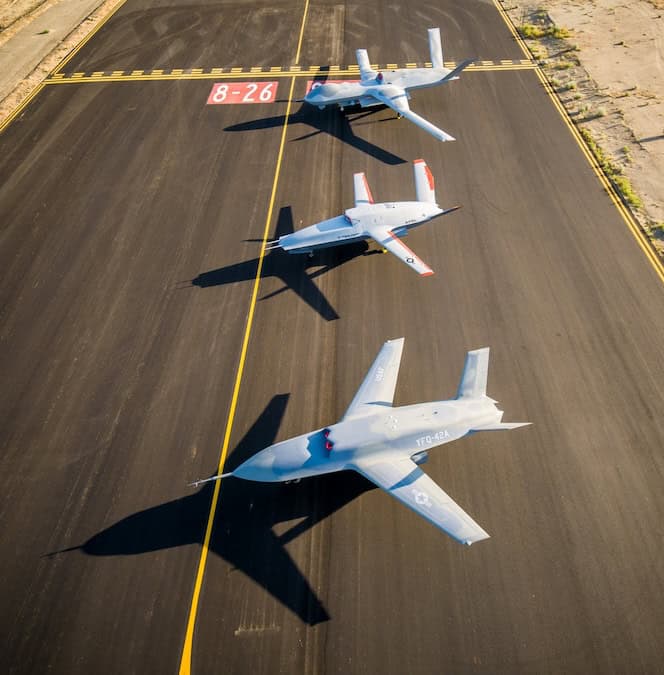
General Atomics Aeronautical Systems, Inc. delivers another FQ-42 Vengeance uncrewed fighter to Creech Air Force Base, advancing autonomous flight testing and operational experimentation for the U.S. Air Force Collaborative Combat Aircraft program

Sep 23, 2026
GA-ASI & Hanwha Aerospace Prove Uncrewed Battlefield Short Field Capabilities

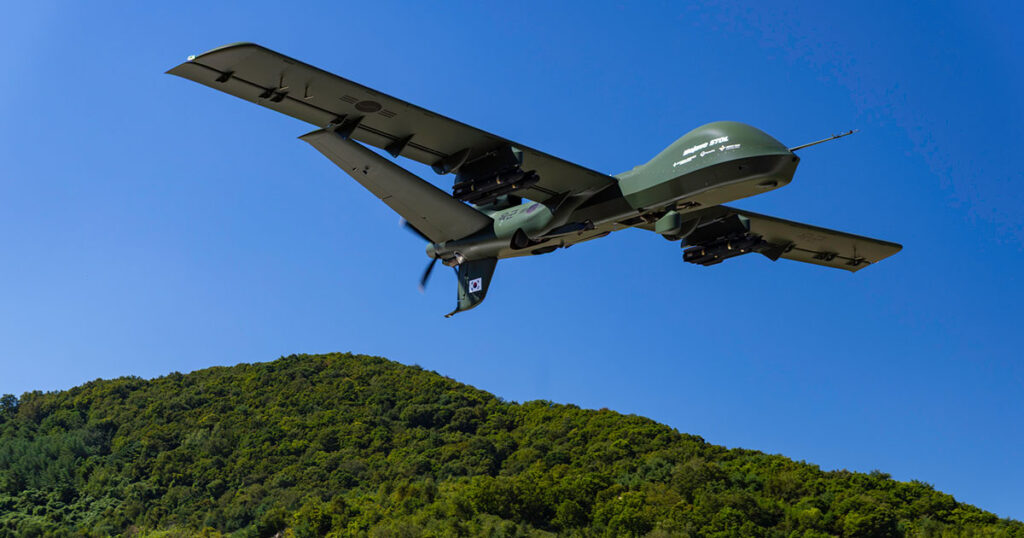
General Atomics Aeronautical Systems and Hanwha Aerospace successfully demonstrate the Mojave STOL uncrewed aircraft performing landing and takeoff operations under simulated live-fire combat conditions at a South Korean maneuver trail

Sep 18, 2026
GA-ASI & Tactical Air Support Demonstrate Advanced Human-Machine Teaming in Live Exercise

General Atomics Aeronautical Systems, Inc. and Tactical Air Support, Inc. successfully execute live flight testing of multi-ship infrared passive sensing and open architecture software to close tactical kill chains against airborne threats

Sep 17, 2026
GA-ASI to Open 22,000-Square-Foot UAS Innovation Hub in Ohio

General Atomics Aeronautical Systems is expanding its presence in Dayton, Ohio, with a new 22,000-square-foot innovation hub focused on hardware, software, autonomy, rapid prototyping, integration, and testing of next-generation UAS capabilities for U.S. Air Force programs

Sep 16, 2026
GA-ASI Unveils Wildfire UAS for High-Capability & Cost-Conscious Ops

General Atomics Aeronautical Systems launches its groundbreaking Wildfire UAS, combining exceptional endurance, massive payload capacity, and high autonomy to deliver cost-effective mass for defense and commercial roles

Sep 11, 2026
GA-ASI to Expand Italian Air Force Fleet with Two Additional Reapers

General Atomics Aeronautical Systems will deliver two new MQ-9A Block 5 Reapers to the Italian Air Force, boosting long-endurance surveillance capabilities across domestic, Mediterranean, and NATO operational spheres

Sep 10, 2026

THE WEEKLY eBRIEF

The latest unmanned systems news, straight to your inbox.

Get our weekly roundup of technology developments, new products and industry news.

By subscribing, you agree to receive the weekly UST eBrief newsletter from EchoBlue Ltd. Unsubscribe at any time using the link in every email. See our Privacy Notice.

Advancing Unmanned Systems Through Strategic Collaboration UST works with major OEMs to foster collaboration and increase engagement with SMEs, to accelerate innovation and drive unmanned systems capabilities forward.