



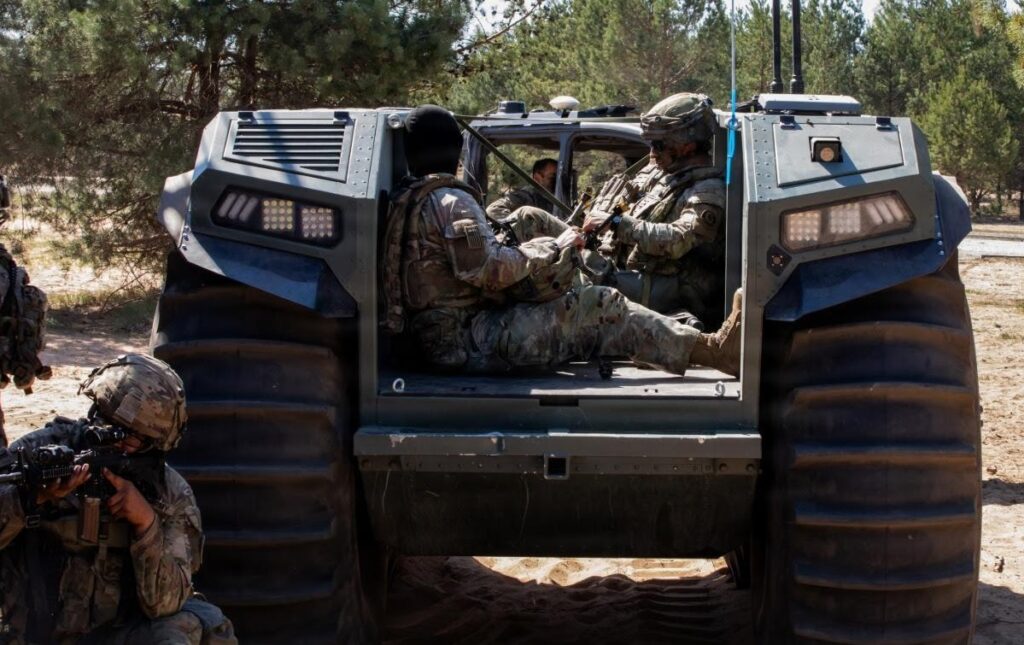
ABRIS Design Group’s UNEX Unmanned Ground Vehicle (UGV) recently took part in U.S. Army medical evacuation training during Project Flytrap in Pabradė, Lithuania, where soldiers from the 2nd Squadron, 2nd Cavalry Regiment evaluated the platform’s mobility and payload performance in demanding operational conditions.
Held in Lithuania from 27 April to 31 May, Project Flytrap is a Counter-UAS (C-UAS) exercise focused on the integration of emerging defence technologies across a range of operational domains. The U.S Army training event includes the assessment of more than 50 industry-supplied systems, spanning radars, launched effects, radio-frequency defeat technologies, kinetic interceptors, and unmanned ground platforms. The exercise is intended to improve battlefield mobility, accelerate decision-making, and increase operational effectiveness in complex environments.
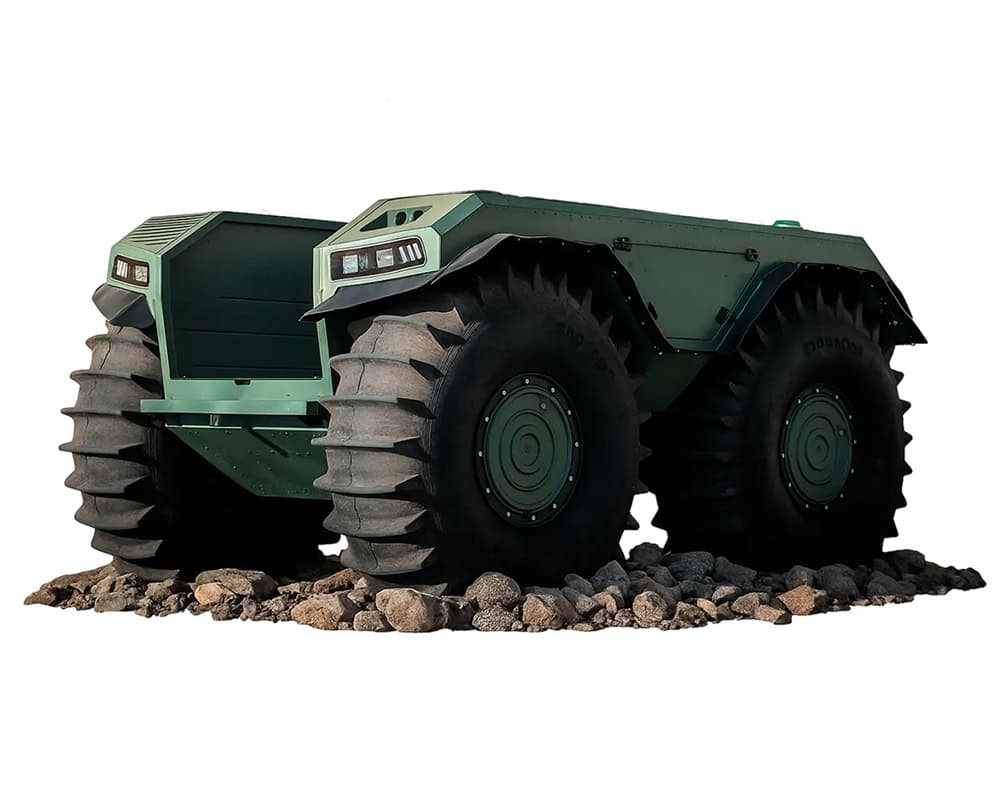
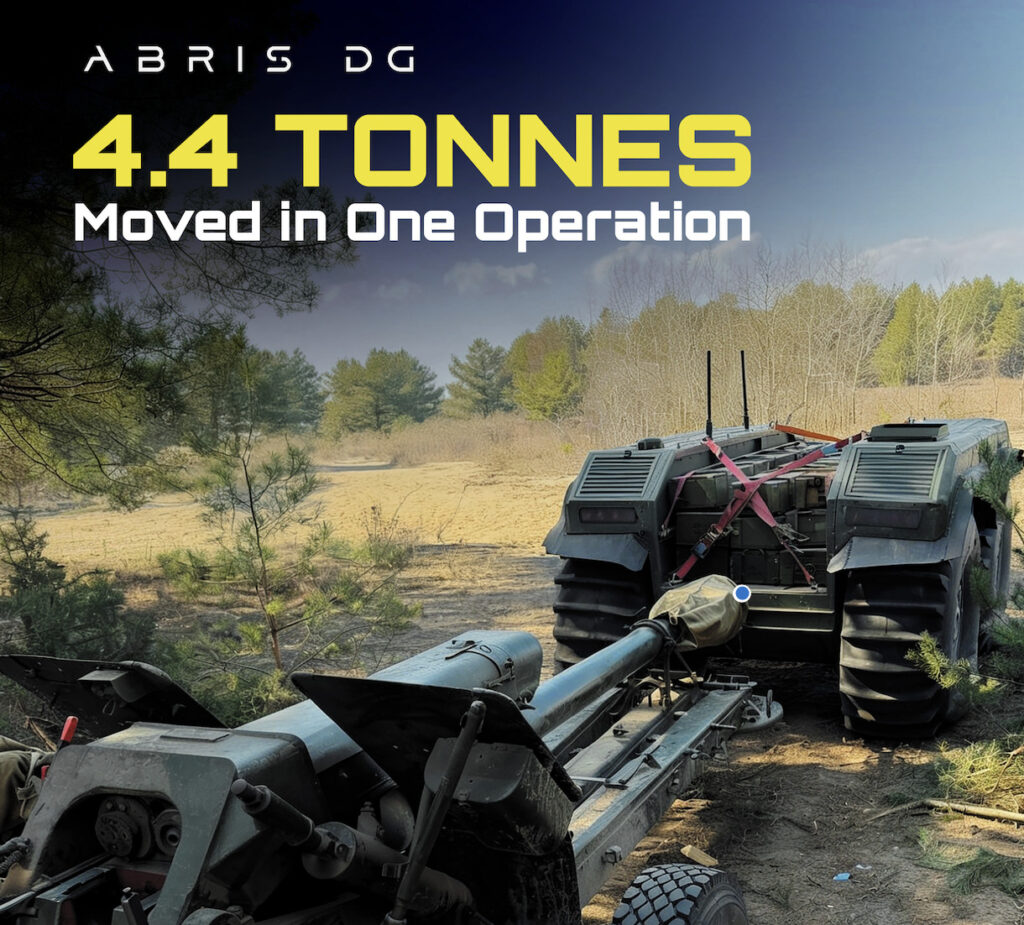
During the training activities, the UNEX autonomous UGV was used in casualty evacuation scenarios across varied terrain, including forested, sandy, and sloped areas. The platform’s amphibious capability and off-road mobility supported realistic CASEVAC operations under difficult conditions.
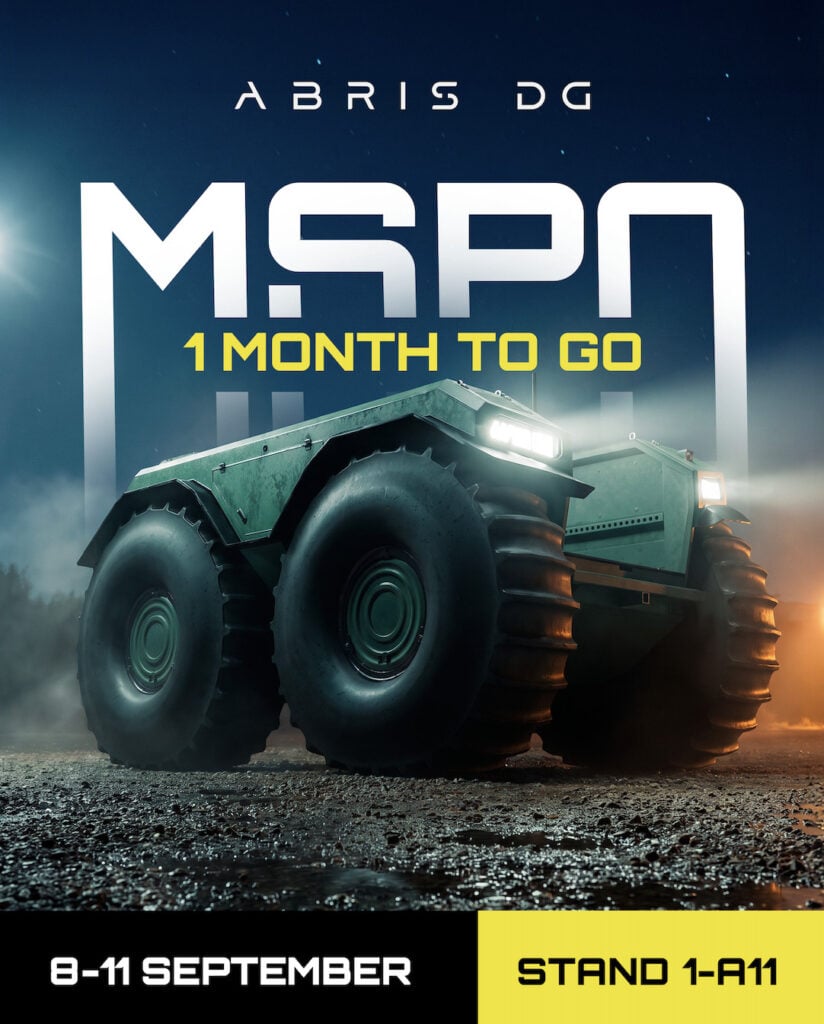
Designed with a modular architecture, the UNEX vehicle can be configured for multiple mission profiles. The system offers a payload capacity of up to 1,700 kg and can overcome obstacles up to 1 m high, supporting dependable evacuation operations in contested environments.
The use of robotic casualty evacuation systems helps limit personnel exposure in high-threat areas by allowing wounded soldiers to be extracted more safely under fire. This capability is particularly important in drone-heavy operational environments, where evacuation teams face continuous observation and targeting risks.
UNEX also features a fully electric drivetrain that reduces both acoustic and thermal signatures, helping improve operational security during sensitive missions. Its low-signature design enhances safety during casualty evacuation tasks, where excess noise or heat could expose personnel positions. The recent U.S. Army training exercise further demonstrated the platform’s suitability for medical evacuation operations in high-risk conditions.