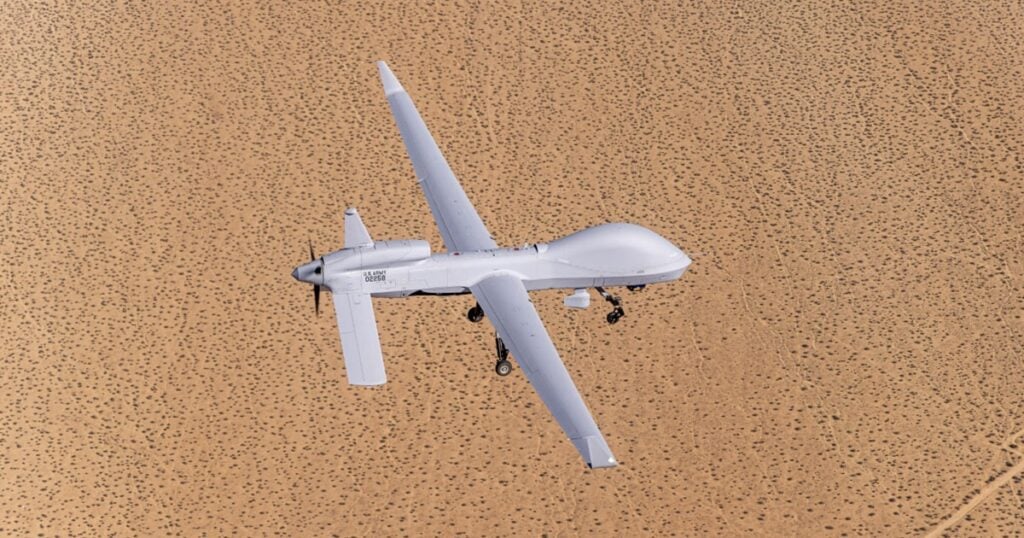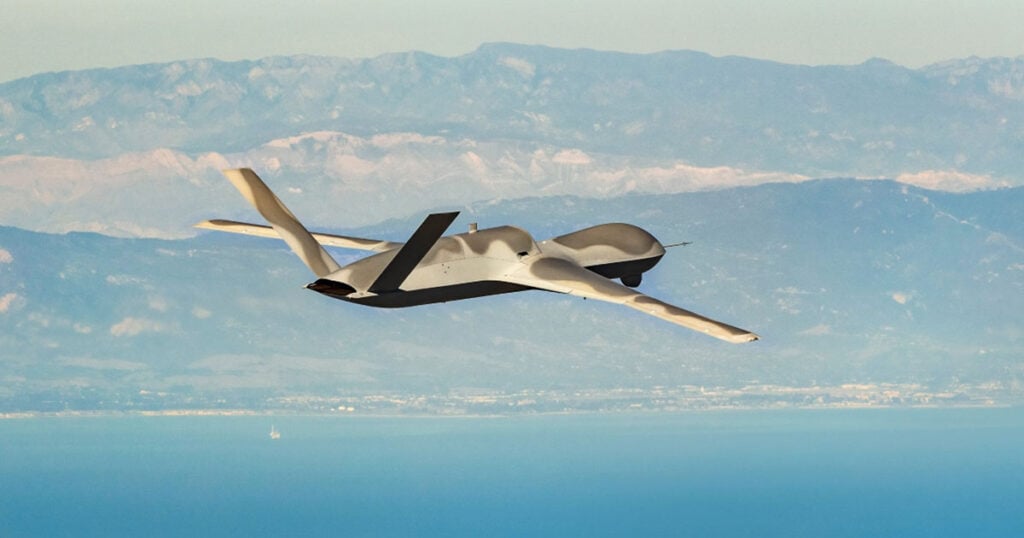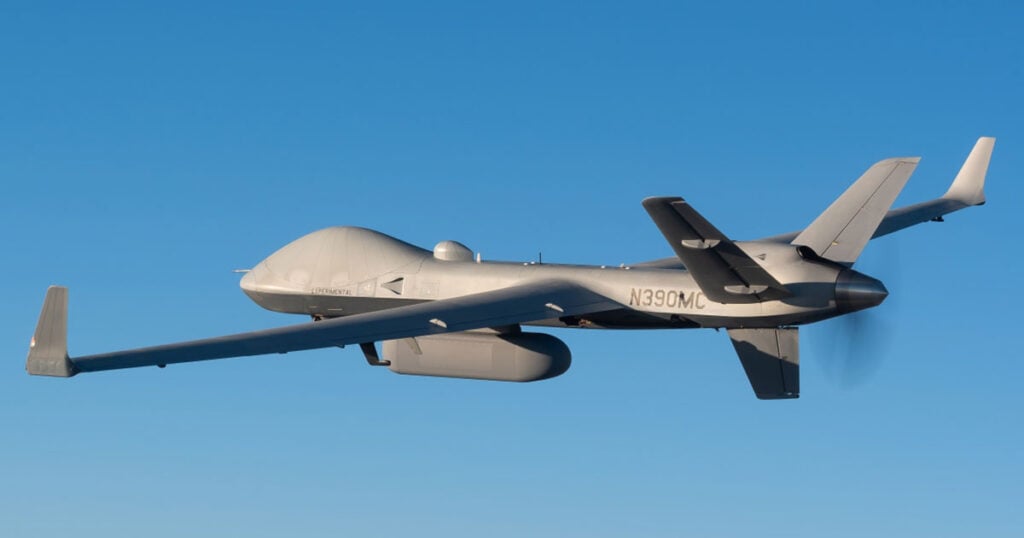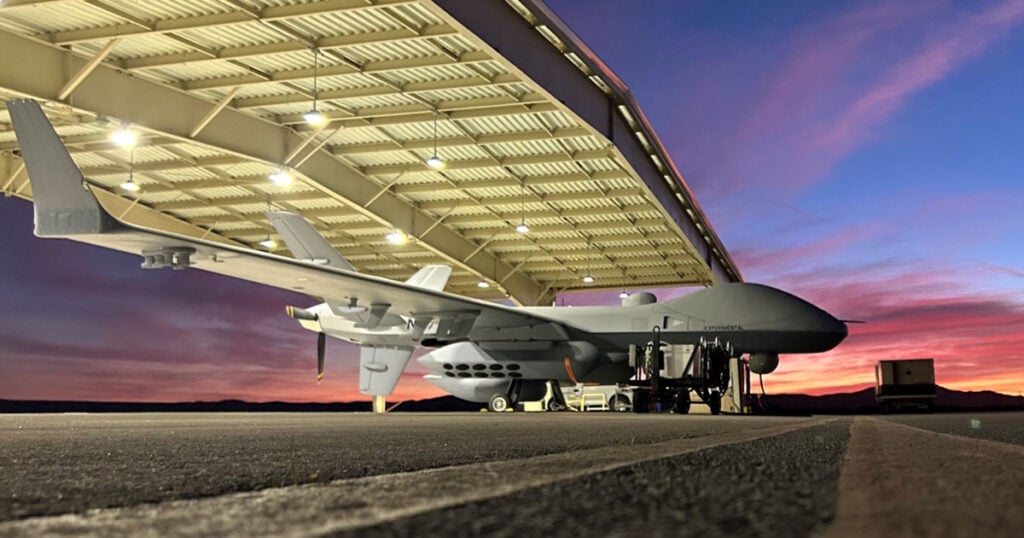


General Atomics Aeronautical Systems, Inc. (GA-ASI) has introduced a new laptop-based interface for its Gray Eagle Extended Range (GE-ER) Unmanned Aircraft Systems (UAS), known as Scalable Command & Control (SC2). SC2 is a collection of standalone software applications that reduce operator workload through automated check lists and optimizes the operator steps for pre-flight, taxi, launch and recovery, health and status monitoring, sensor and payload control and maintenance of the UAS.
The new interface has been successfully flight-tested, with the software being hosted on the U.S. Government’s Improved Portable Maintenance Aid (IPMA) that is fielded to all UAS units in the Army. The IPMA provides 100 percent of the functionalities of the Ground Control Station (GCS) shelter hosted on a laptop, greatly reducing the logistics burden of set-up, transportation and operation of a Gray Eagle UAS. The effort was closely coordinated with GA-ASI’s Government customer to fully control a company-owned Gray Eagle Extended Range (GE-ER) UAS including pre-flight, taxi, takeoff and landing.
Test flights were conducted using a Government-owned GE-ER to confirm functionality with the field GCS software. The SC2 software enables control of the GE-ER and its payloads, while also allowing aircraft, payloads and sensors to be controlled by disparate users replicating a ground maneuver force or other disadvantaged user. SC2 also efficiently controlled the onboard sensors and commanded release of various payloads from disparate manufacturers.
SC2 leverages previous automation tools and government approved architectures to reduce overhead and integration and sustainment costs. SC2 software incorporates GE-ER-specific capabilities needed for conducting everything from simple maintenance checks to full mission operations and flight testing. General Atomics is working closely with the Army to ensure SC2’s open architecture is aligned with the Army’s plans for Scalable Control Interface (SCI).
Incorporating SC2 into the fielded GE-ER configuration will allow the Army to significantly reduce the logistical footprint of a GE-ER platoon as well as enhancing flexibility in the conduct of Multi-Domain Operations (MDO), providing situational awareness, critical and timely long range targeting information and enabling future vertical lift aircraft to focus on their missions. The Army plans for any laptop computer hosting the SC2 software with a datalink interface (line of sight or beyond line of sight) to be able to interface with the GE-ER aircraft and control onboard systems.
David R. Alexander, GA-ASI President, commented: “SC2 incorporated significant automation and cognitive workload reduction for GE-ER operators, allowing them to focus on mission tasks. SC2’s pre-flight automation reduces emplacement and mission launch timelines by 75 percent from the currently-fielded Ground Control Station (GCS).”
“This capability will eliminate over 100,000 pounds of Army vehicles in each GE-ER platoon, providing maximum flexibility to unit commanders on the MDO battlefield.”