HP MJF for Unmanned Systems
Deep Trekker SPECTRA
General Atomics Aeronautical Systems, Inc

GA-ASI to Develop New Predator B UAS Variant

By Caroline Rees / 27 Jun 2013
Follow UST
The Predator® B UAS RPA

The Predator® B UAS RPA

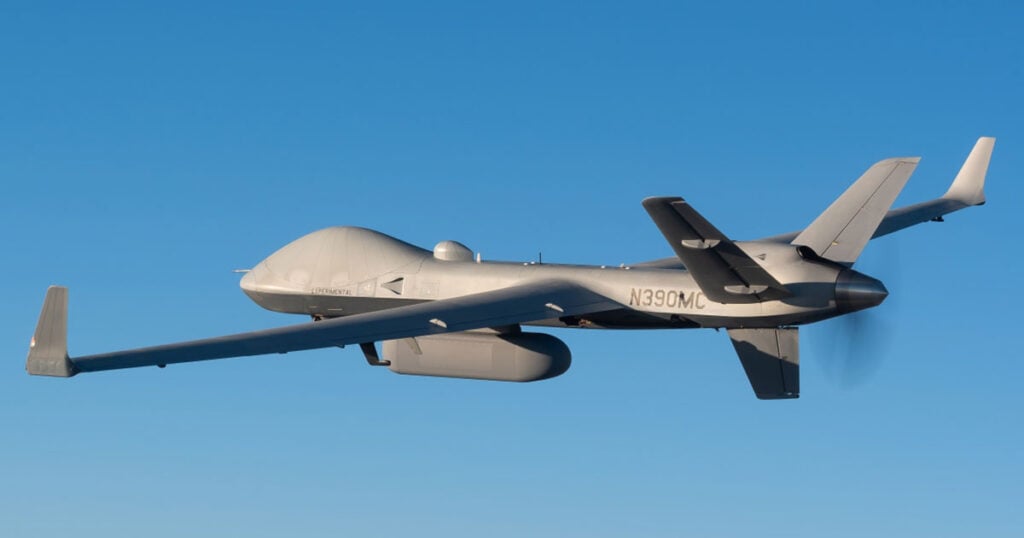
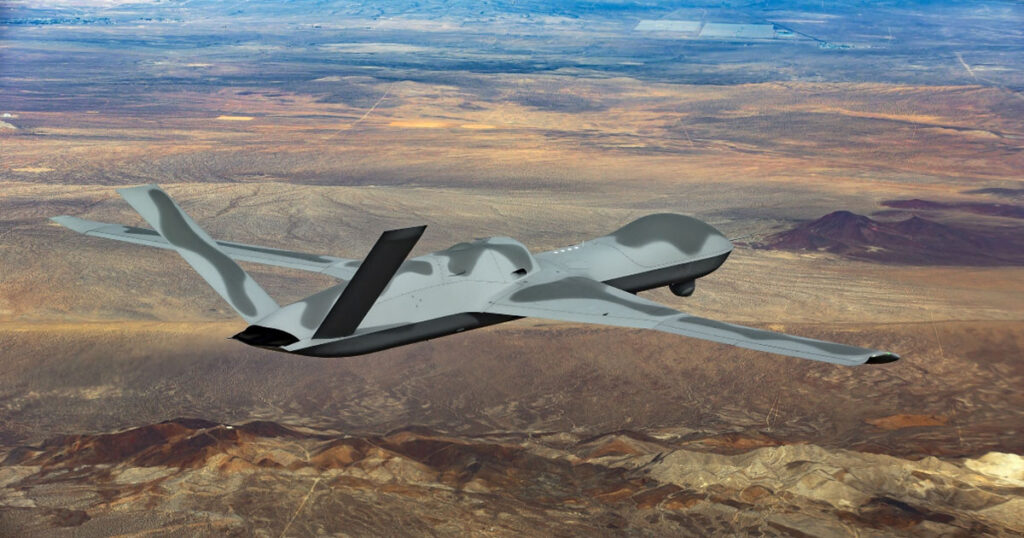
General Atomics Aeronautical Systems, Inc. (GA‑ASI), a leading manufacturer of Remotely Piloted Aircraft (RPA), tactical reconnaissance radars, and electro-optic surveillance systems, has announced that it is undertaking an Independent Research and Development (IRAD) effort to develop a variant of its Predator® B RPA that is fully compliant with the airworthiness requirements of the U.S. Air Force and anticipated NATO foreign customers, as well as offers enhanced capabilities for integration into domestic and international airspace.

It is envisioned that the system solution will be a multi-nation, certifiable, exportable configuration built upon the company’s Block 5 Predator B aircraft capabilities and Advanced Cockpit Ground Control Station (GCS) layout.

“Predator B is the most cost-effective and best-valued RPA in its class and continues to draw significant interest from our NATO allies,” said Neal Blue, chairman and CEO, GA-ASI. “It is imperative that we ensure airworthiness certification of Predator B both at home and abroad as coalition forces withdraw from Afghanistan and nations transition mission focus to protection of the homeland and other civil uses.”

GA-ASI has expanded its relationship with RUAG Aerospace Services GmbH, its German partner, to allow for increased collaboration in defining long-term solutions and enhancements for airworthiness to the NATO Standardization Agreements (STANAGs) and UK Defence Standardizations (DEFSTANs). The two companies have been teamed for the past two years to offer Predator B to meet the surveillance needs of the Federal Republic of Germany, but this is the first formal contract between them. Effective April 1, RUAG has been engaged to provide technical assistance with the analysis, decomposition, and management of airworthiness requirements as they pertain to Predator B RPA airworthiness.

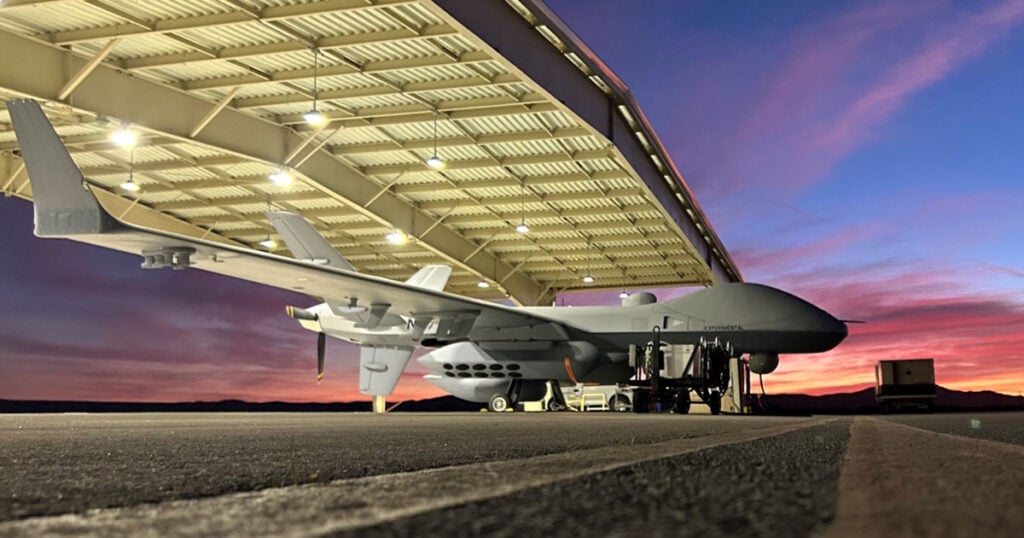
The multi-mission Predator B is a long-endurance, medium-high-altitude RPA that can be used for surveillance, military reconnaissance, and targeting missions. The current aircraft configuration features an extensive payload capacity (850 lb/386 kg internally, 3,000 lb/1361 kg externally), with a maximum gross takeoff weight of 10,500 lb/4763 kg, is powered by a Honeywell turboprop engine, has a maximum altitude of 50,000 feet/15240 meters, and can stay aloft for up to 27 hours.

Predator B is currently operational with the U.S. Air Force and Royal Air Force as MQ-9 Reaper and with the Italian Air Force as MQ-9. The aircraft provides unparalleled close air support and persistent situational awareness over land or sea to coalition forces, demonstrating proven NATO interoperability. Some 140 Predator Bs have amassed more than 575,000 flight hours since the RPA’s first flight in 2001.


To learn more, visit the General Atomics Aeronautical Systems, Inc Partner Hub: Innovation Partner Hub
Posted by Caroline Rees Caroline co-founded Unmanned Systems Technology and has been at the forefront of the business ever since. With a Masters Degree in marketing Caroline has her finger on the pulse of all things unmanned and is committed to showcasing the very latest in unmanned technical innovation. Connect

More from General Atomics Aeronautical Systems, Inc

Airborne Network Pod Tested on MQ-9B RPA for Emergency Response

GA-ASI and SoftBank have successfully flight-tested an innovative aerial communications payload on an MQ-9B drone to deliver vital mobile connectivity in emergency zones during disaster response operations

Oct 05, 2026
U.S. Navy Evaluates SeaGuardian UAS at NAS Whidbey Island

General Atomics Aeronautical Systems showcases the maritime MQ-9B SeaGuardian to naval leaders at NAS Whidbey Island, highlighting its role as a force multiplier alongside the P-8A Poseidon for fleet operations

Oct 02, 2026
USAF Takes Delivery of FQ-42 Vengeance Combat Jet at Creech AFB

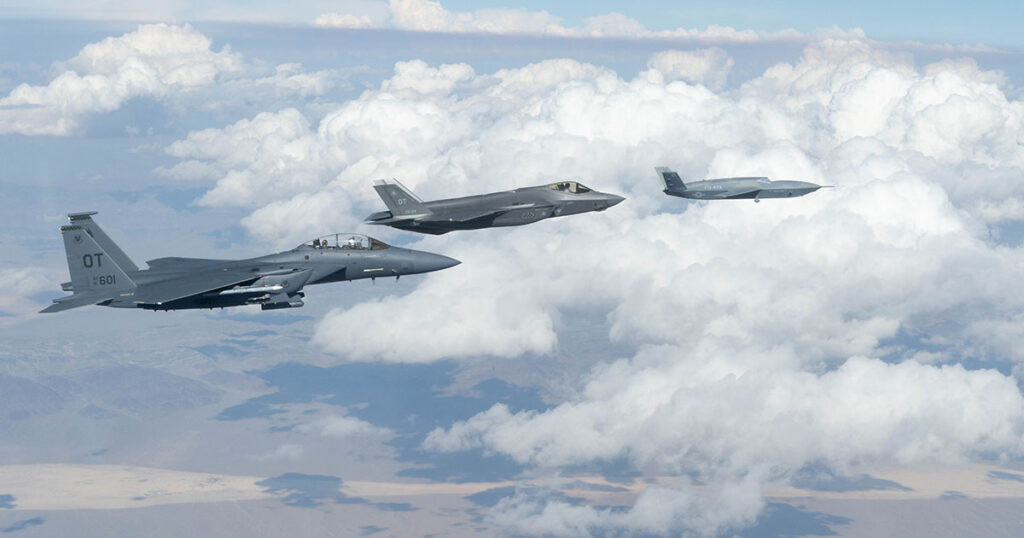
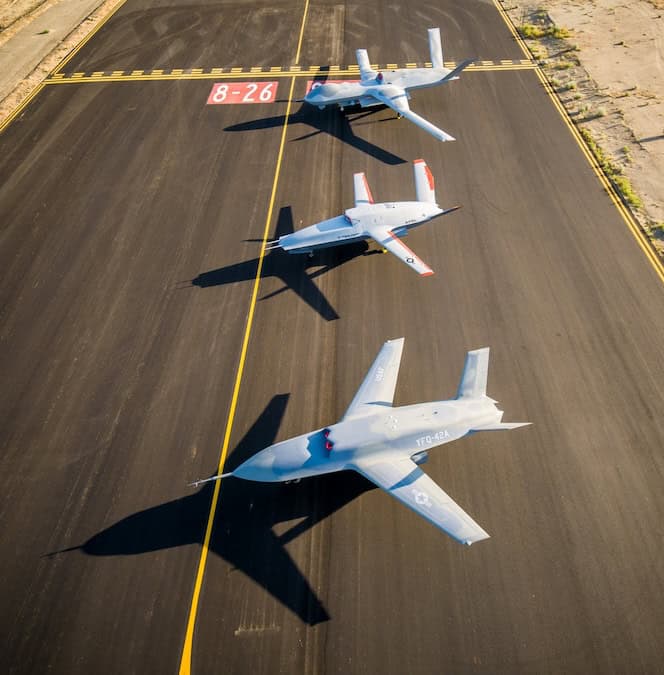
General Atomics Aeronautical Systems, Inc. delivers another FQ-42 Vengeance uncrewed fighter to Creech Air Force Base, advancing autonomous flight testing and operational experimentation for the U.S. Air Force Collaborative Combat Aircraft program

Sep 23, 2026
GA-ASI & Hanwha Aerospace Prove Uncrewed Battlefield Short Field Capabilities

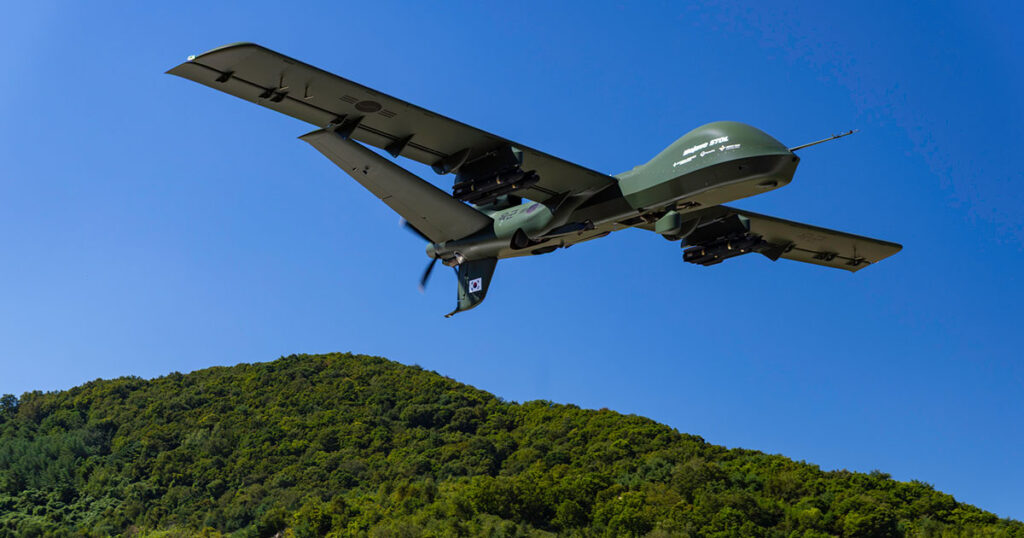
General Atomics Aeronautical Systems and Hanwha Aerospace successfully demonstrate the Mojave STOL uncrewed aircraft performing landing and takeoff operations under simulated live-fire combat conditions at a South Korean maneuver trail

Sep 18, 2026
GA-ASI & Tactical Air Support Demonstrate Advanced Human-Machine Teaming in Live Exercise

General Atomics Aeronautical Systems, Inc. and Tactical Air Support, Inc. successfully execute live flight testing of multi-ship infrared passive sensing and open architecture software to close tactical kill chains against airborne threats

Sep 17, 2026
GA-ASI to Open 22,000-Square-Foot UAS Innovation Hub in Ohio

General Atomics Aeronautical Systems is expanding its presence in Dayton, Ohio, with a new 22,000-square-foot innovation hub focused on hardware, software, autonomy, rapid prototyping, integration, and testing of next-generation UAS capabilities for U.S. Air Force programs

Sep 16, 2026

THE WEEKLY eBRIEF

The latest unmanned systems news, straight to your inbox.

Get our weekly roundup of technology developments, new products and industry news.

By subscribing, you agree to receive the weekly UST eBrief newsletter from EchoBlue Ltd. Unsubscribe at any time using the link in every email. See our Privacy Notice.

Advancing Unmanned Systems Through Strategic Collaboration UST works with major OEMs to foster collaboration and increase engagement with SMEs, to accelerate innovation and drive unmanned systems capabilities forward.