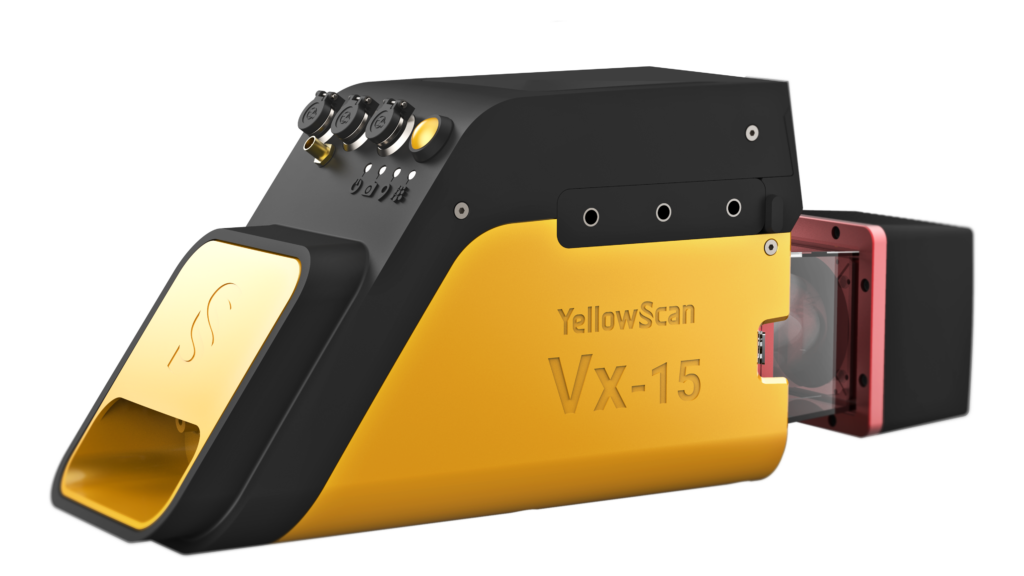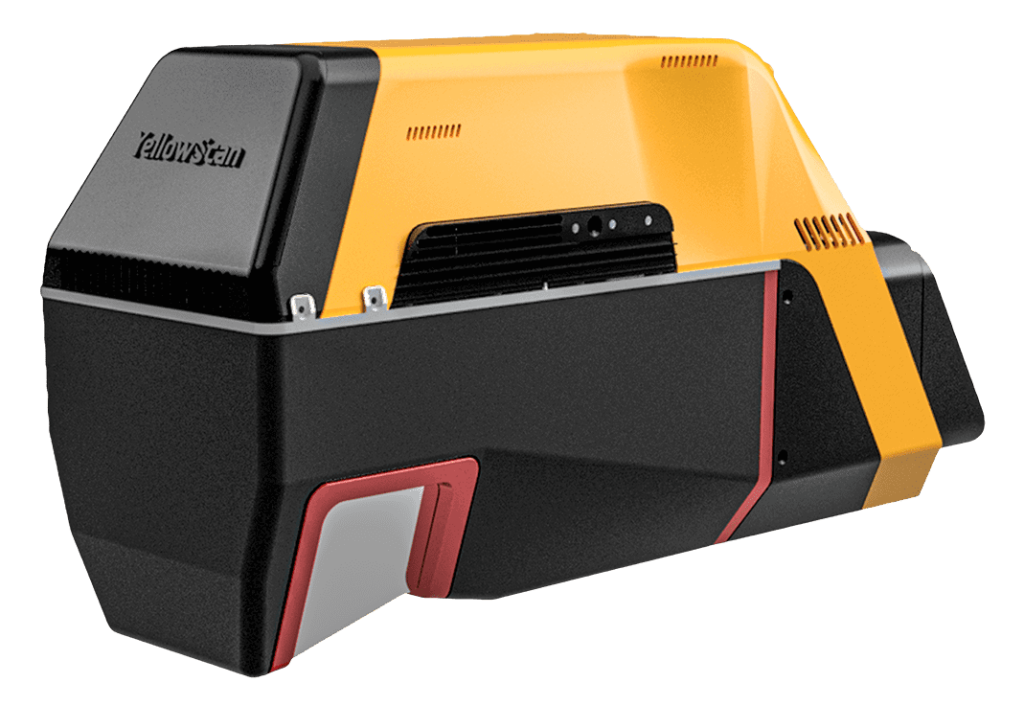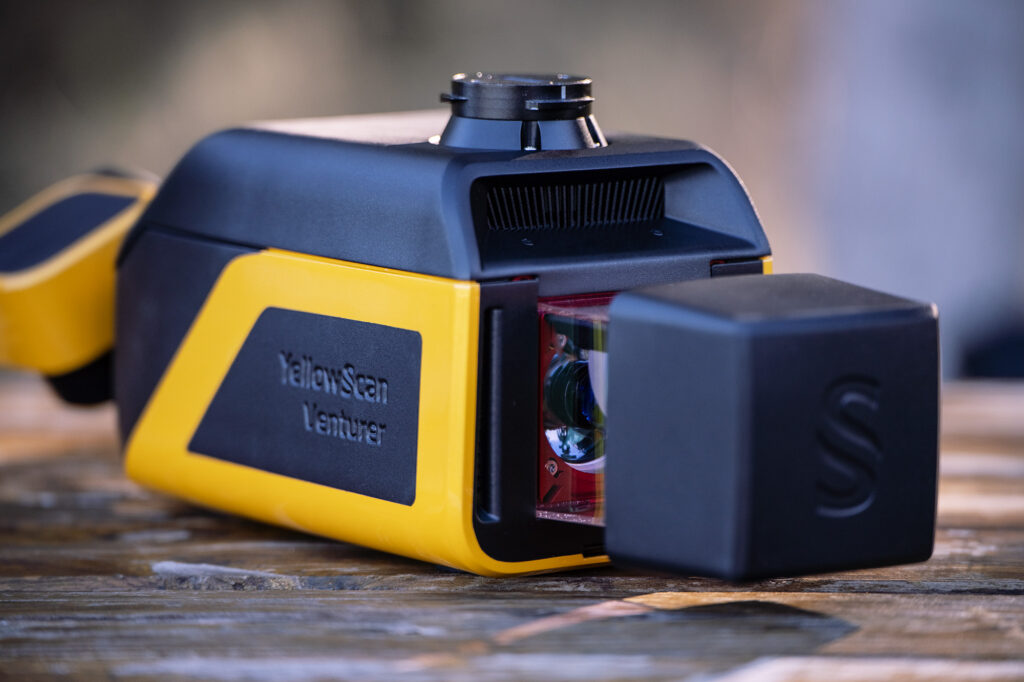

YellowScan, in collaboration with its Australian distributor Sphere Drones, has demonstrated the deployment of the YellowScan Navigator for rapid coastal mapping under real-world conditions.
The project focused on monitoring an artificial reef located approximately 200 meters from Port Beach, with objectives centered on real-time usability, bathymetric mapping, and detection of submerged structures.
The Port Beach demonstration confirmed that the YellowScan Navigator can deliver reliable, detailed bathymetric mapping efficiently and safely, even in challenging coastal environments.
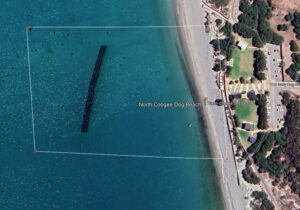
Aerial view showing the artificial reef beneath the water surface
Operational Challenges
The demonstration sought to validate several key operational requirements:
- Rapid deployment: The system had to be mounted on a drone and airborne within minutes, taking advantage of a narrow flight window at a busy public beach.
- Subsurface detection: Accurate capture of the reef structure and identification of submerged objects in turbid winter waters.
- Minimal disruption: Safe operation among beachgoers without the need for restricted zones.
- Comparison to conventional methods: Delivery of same-day three-dimensional results, providing an advantage over diver surveys and boat-based sonar, which are slower, tide-dependent, and less adaptable.
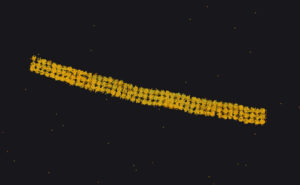
Pointcloud of the artificial reef
Integrated Solution
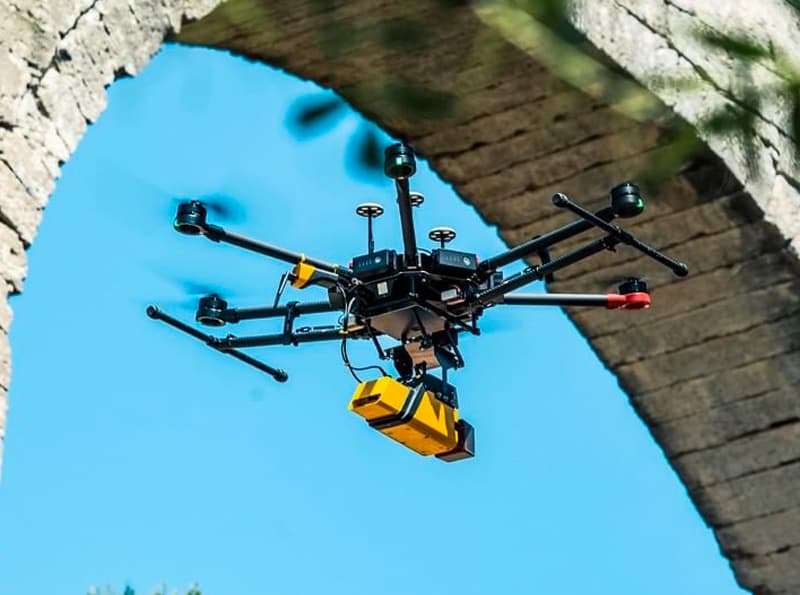
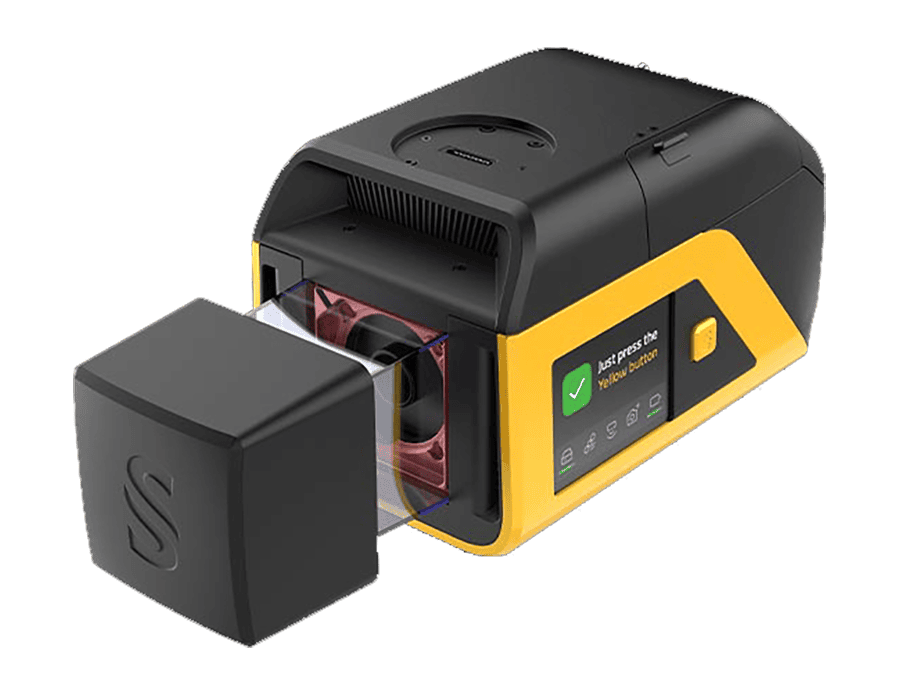
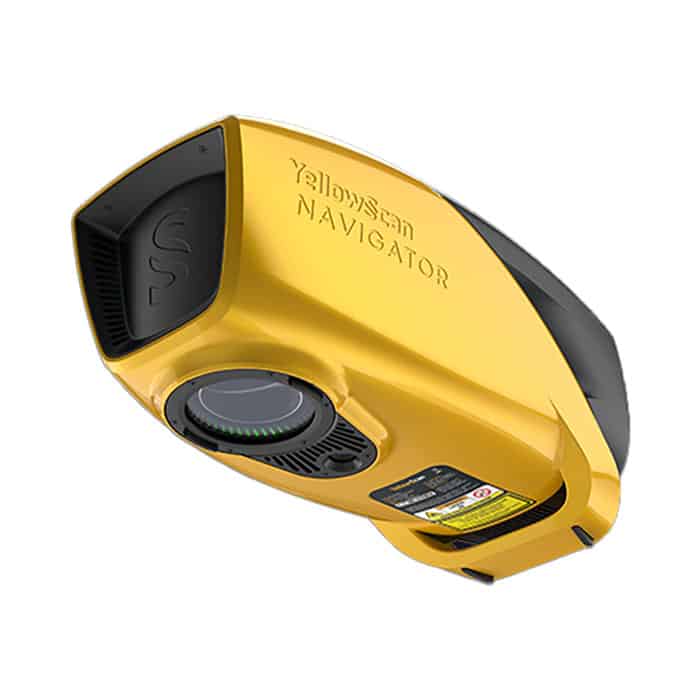
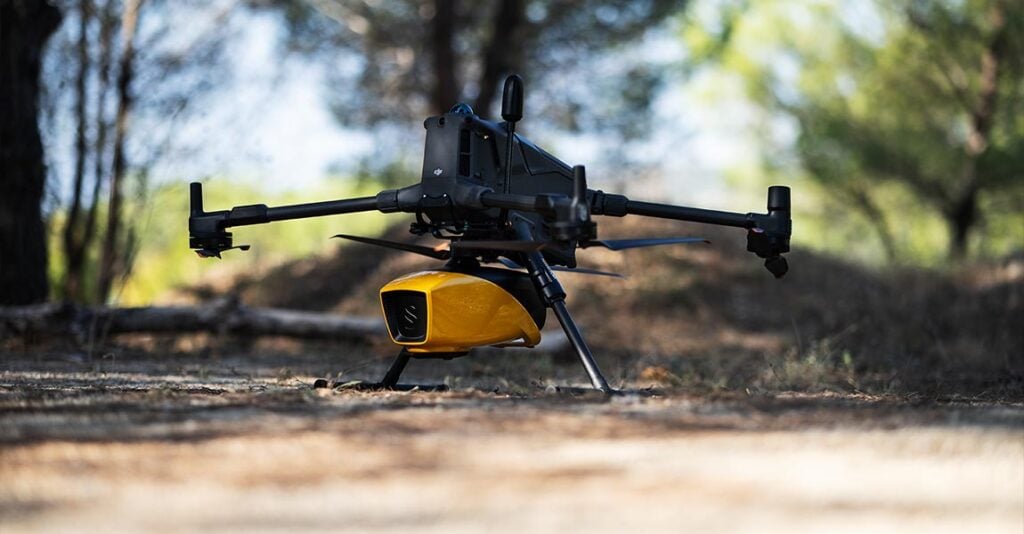
The mission employed the YellowScan Navigator integrated with an RTRobotics drone. The solution was chosen for its compact design, embedded camera, and streamlined workflow. The complete operation, including planning, flight, and data processing, was carried out in less than four hours. Setup and mission planning took approximately 10 minutes, followed by a 10 minute flight to cover the reef grid.
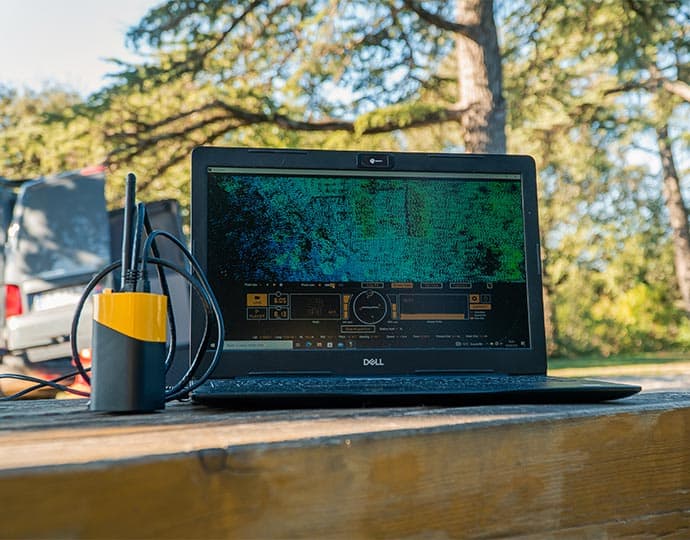
Processing in CloudStation Ultimate and TerraSolid required under three hours. Despite the busy coastal environment, the system performed efficiently and confirmed both ease of deployment and the capability to produce high-quality bathymetric datasets.
Mission Parameters
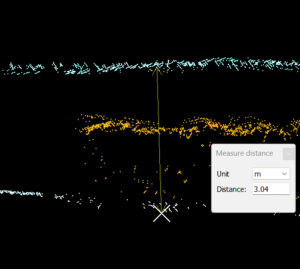
Water depth from surface to seabed: 3 meters
- Survey area: 2.56 hectares
- Flights: 1
- Altitude and speed: 70 meters AMSL at 5 m/s
- Acquisition and processing time: 10 minutes and 3 hours (CloudStation + TerraSolid)
- Equipment: YellowScan Navigator with embedded camera, RTRobotics drone, CloudStation Ultimate, TerraSolid
Results
The 10-minute flight produced detailed outputs, including the full reef structure and surrounding sand ripples, despite limited visibility caused by seasonal turbidity.
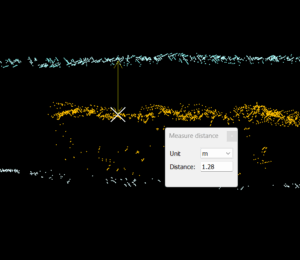
Water depth from surface to top of artificial reef: 1.28 meters
Key findings included:
- Point density: 47 pts/m²
- Depth to seabed: 3 m
- Depth to reef apex: 1.3 m
- Vertical accuracy: Within ±5 cm when compared with independent reference measurements
The survey required no boats, divers, or exclusion zones, enabling safe operation in a public setting. The workflow also allows additional perpendicular flight lines to increase point density and improve side coverage, supporting long-term monitoring and ecological studies.
Advantages Over Traditional Methods
Compared to diver-based surveys or boat-mounted sonar, the YellowScan Navigator provided same-day three-dimensional results with improved adaptability to environmental and operational constraints. Users noted the intuitive workflow and effective processing through CloudStation, with some comparing the outputs favorably against independent reference datasets.
The case study confirmed the YellowScan Navigator’s capacity to generate precise bathymetric datasets with speed and safety, demonstrating effectiveness in demanding coastal settings.