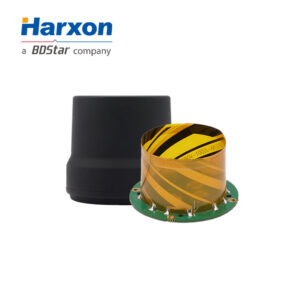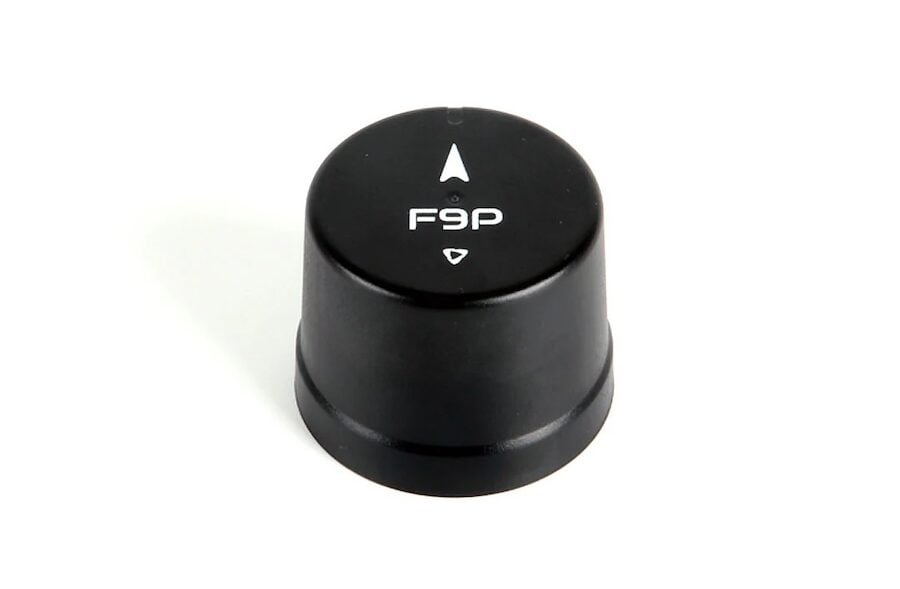
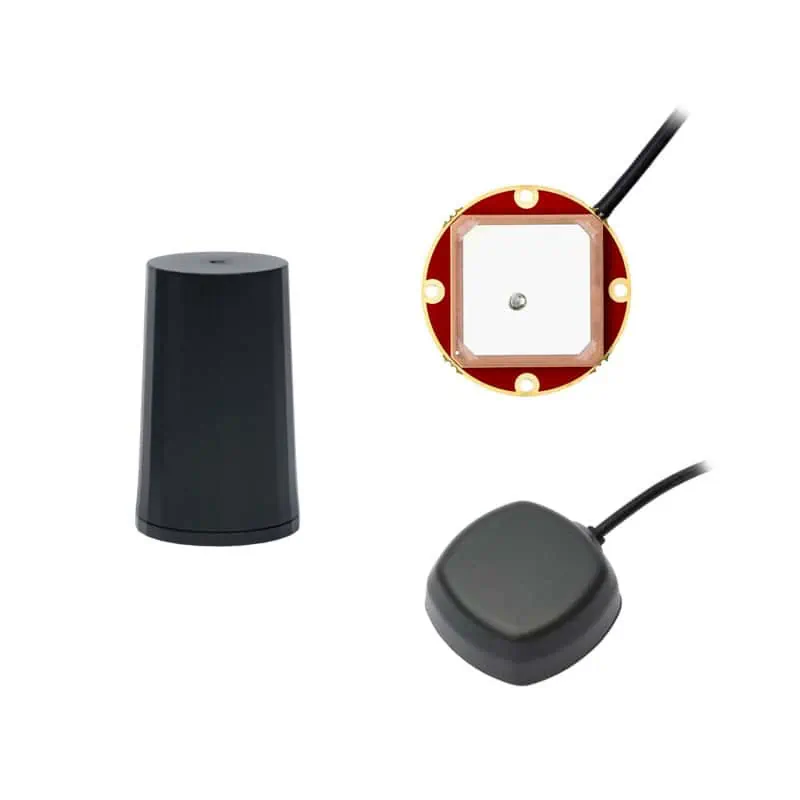
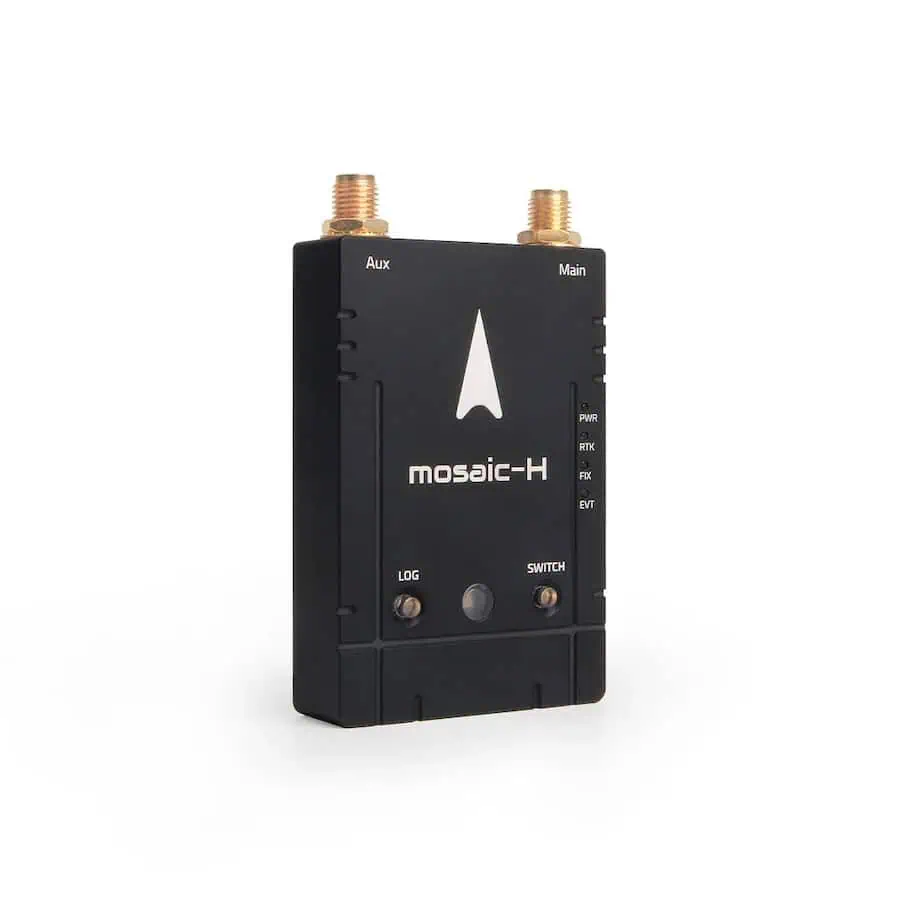



Showcase your capabilities
If you design, build or supply UAV GNSS Antennas, create a profile to showcase your capabilities and connect with visitors who have an active requirement for your solutions.




Find Drone/UAV antennas from specialist suppliers supporting high precision navigation, autonomous flight, and mission-critical unmanned operations.
Read the Technology Overview

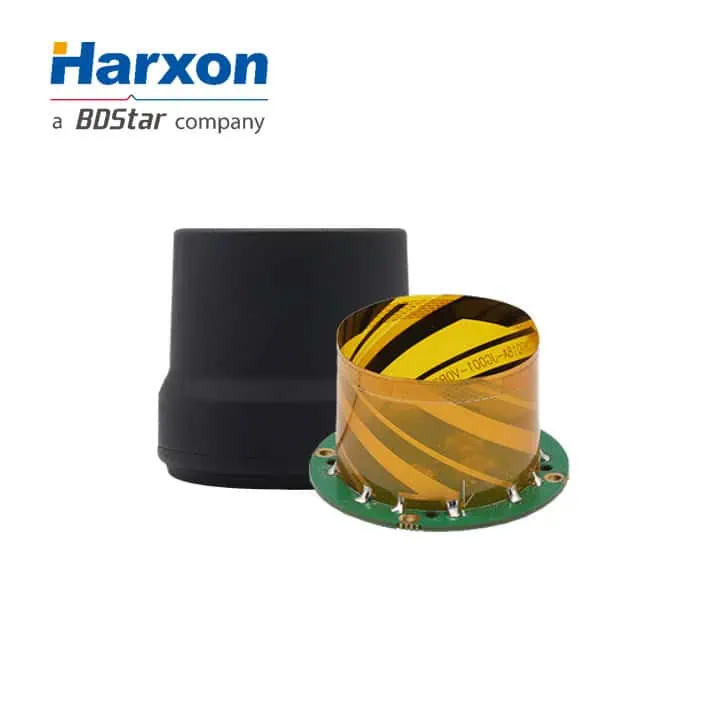
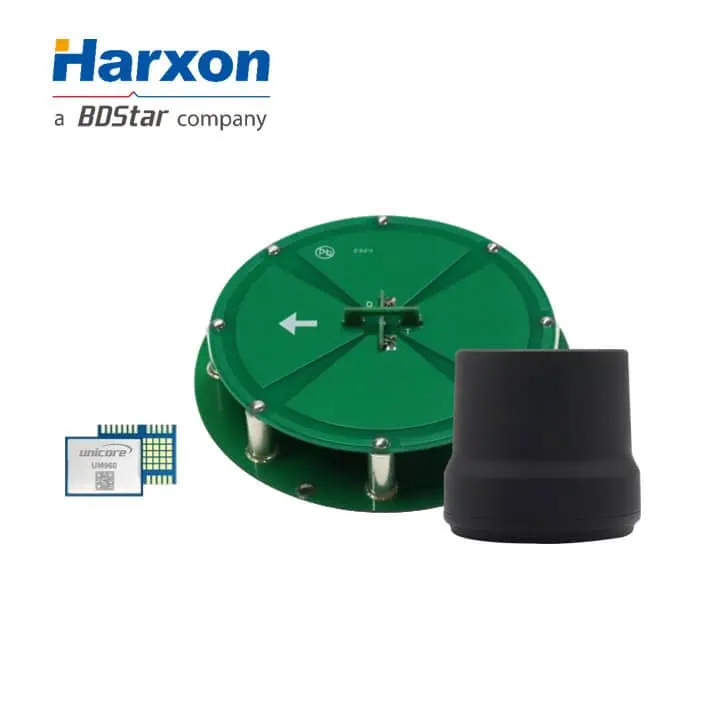
High-Precision GNSS Antennas for Position, Navigation & Timing in Drones, Robots & Autonomous Vehicles

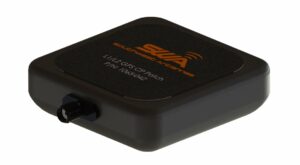
High Performance RF & Microwave Antennas for UAVs, Robotics, USVs and Unmanned Marine Vehicles

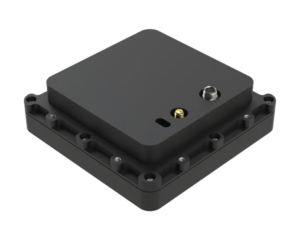
Inertial Navigation Sensors: MEMS IMU, Accelerometers, Gyroscopes, AHRS, GPS-INS & Point Cloud Generation

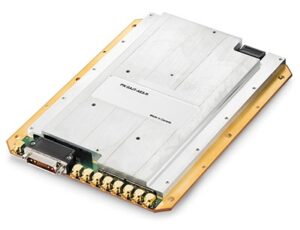
Precise Positioning for Unmanned Vehicles: GPS & GNSS Receivers, Antennas & Inertial Systems

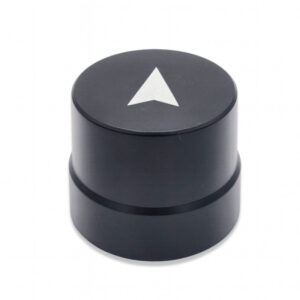
High-Performance GNSS/RTK/GPS PNT Solutions for Drone & Robotics OEMs & Systems Integrators

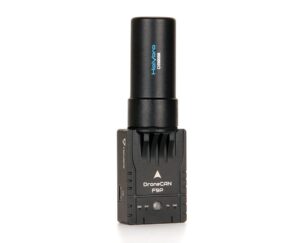
Innovative Drone Autopilots, Navigation Systems, and Other Hardware Peripherals & Accessories for UAVs

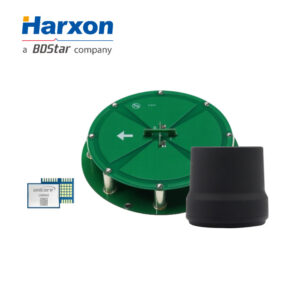
High-Precision GNSS Antennas: Assured Autonomy & Positioning for Unmanned Systems

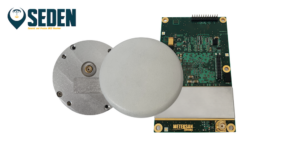
UAV Components: SAR, Radar Altimeter, Data Links, Telemetry, GNSS Products & C-UAS | Tactical USVs

If you design, build or supply UAV GNSS Antennas, create a profile to showcase your capabilities and connect with visitors who have an active requirement for your solutions.

UAV GNSS antennas are essential components within drone navigation systems, enabling reliable satellite positioning across commercial, industrial, and military platforms. Designed to meet demanding size, weight, power, and environmental constraints, these antennas support applications ranging from drone mapping and photogrammetry to autonomous navigation and beyond-visual-line-of-sight operations.
UAV GNSS antennas receive signals from global navigation satellite systems to provide accurate positioning, velocity, and timing data to onboard navigation systems. Antenna performance directly affects flight stability, waypoint navigation accuracy, and the effectiveness of advanced positioning techniques, including real-time kinematic and post-processed kinematic corrections.

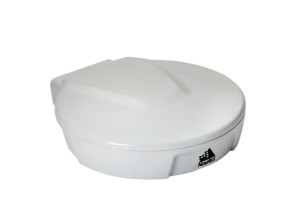
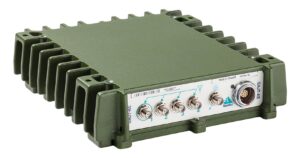
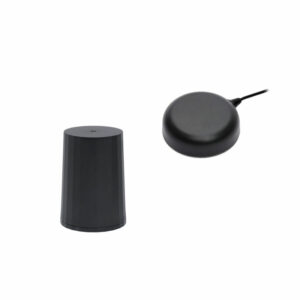
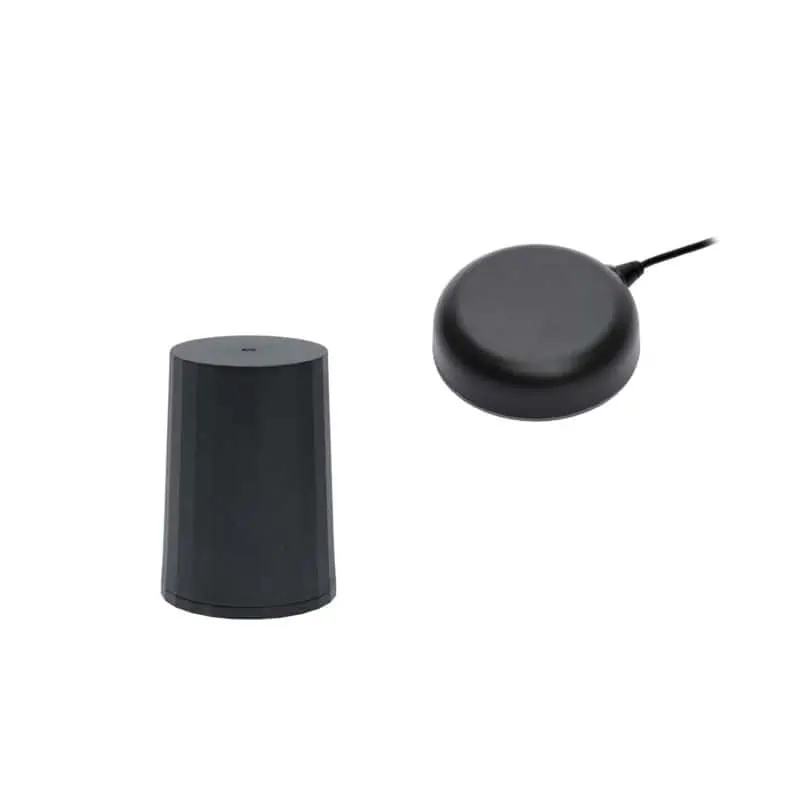
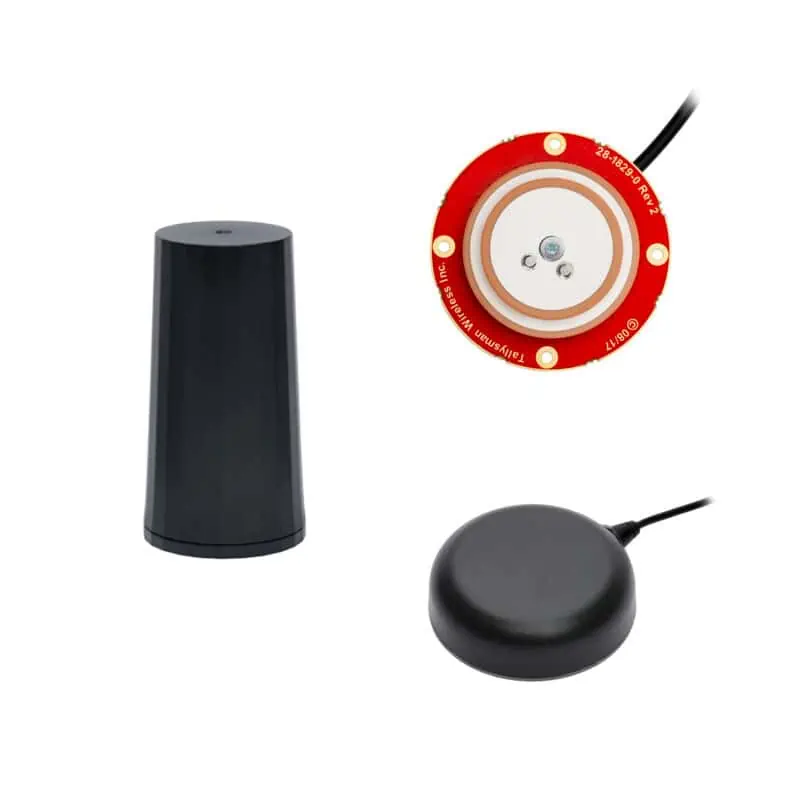
Full-Band UAV GNSS Antennas by Calian.
Active GNSS antennas integrate a low-noise amplifier within the antenna assembly to amplify received satellite signals before transmission to the receiver. These designs are widely used in UAV platforms where long coaxial cable runs or compact receivers may introduce signal loss. Active antennas typically require a bias tee or external power supply and are common in high-precision navigation and RTK-enabled drone systems.
Passive antennas rely on the GNSS receiver for signal amplification and do not include integrated electronics. They are favored in applications where simplicity, low power consumption, or reduced electromagnetic interference is required. Passive designs are often used in smaller drones or tightly integrated navigation modules with short RF paths.
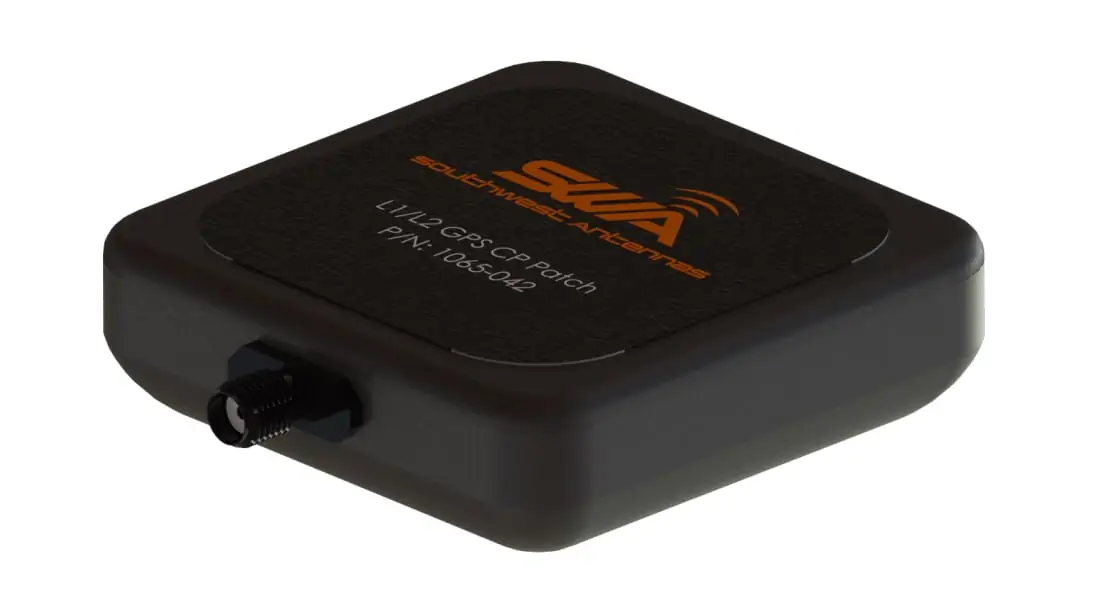
Patch antennas are among the most common UAV GNSS antenna types due to their compact form factor and predictable radiation patterns. Typically based on ceramic patch elements, they are well-suited for top-mounted installations with an adequate ground plane. Patch antennas are widely deployed across commercial drones, industrial inspection platforms, and mapping UAVs.
Helical GNSS antennas offer improved multipath rejection and more stable phase center performance than patch designs. Their three-dimensional structure allows better reception of right-hand circularly polarized satellite signals, making them suitable for high-precision GNSS applications such as surveying, photogrammetry, and autonomous navigation in complex environments.
Dual- and multi-band GNSS antennas support multiple frequency bands, including L1, L2, and L5. These designs are essential for RTK and PPK workflows that require ionospheric error mitigation and signal redundancy. Multi-band antennas are increasingly used in professional UAV mapping, precision agriculture, and autonomous flight systems.
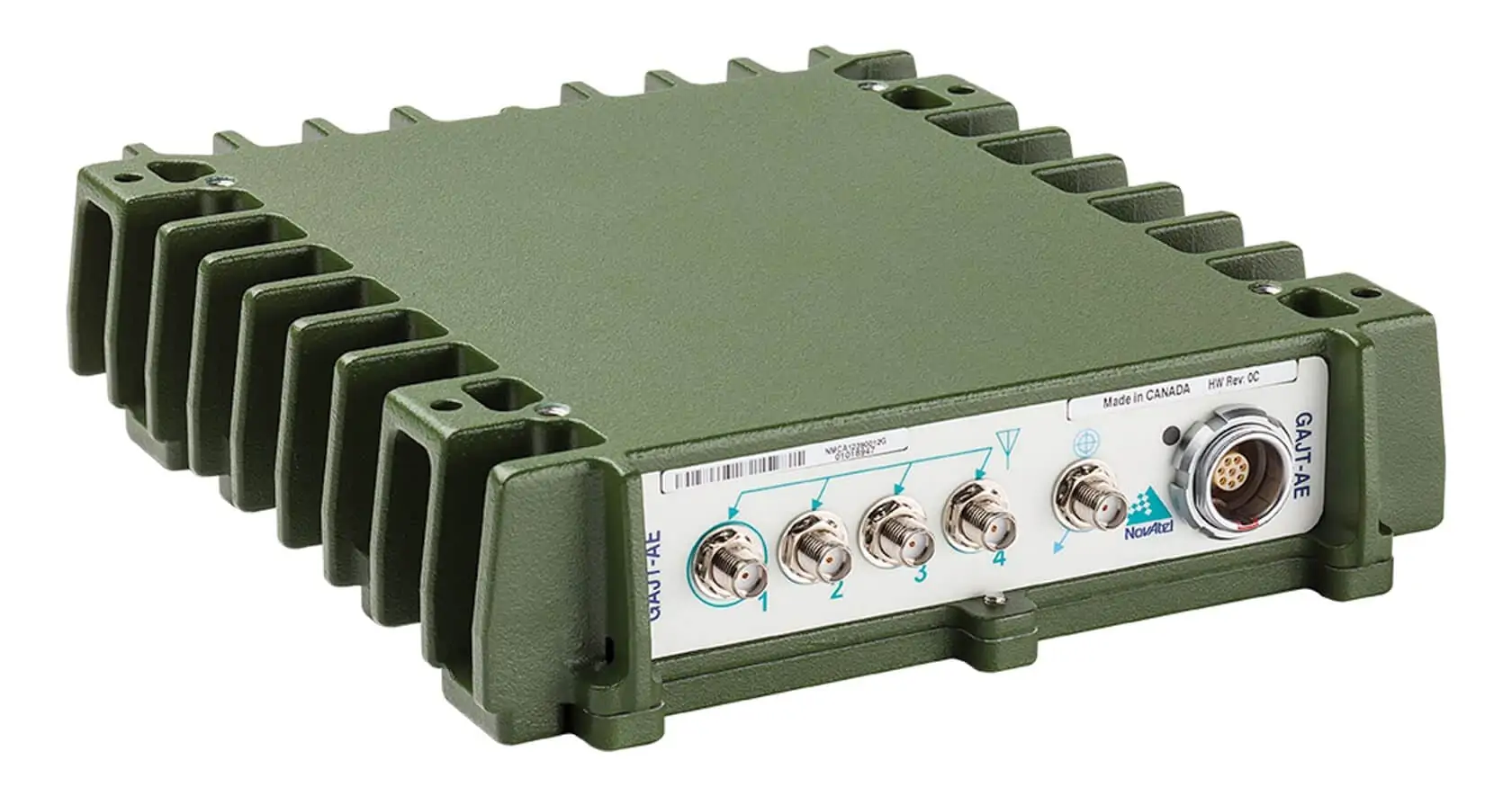
Anti-jamming GNSS antennas are designed to mitigate intentional or unintentional interference that can disrupt satellite navigation signals. These antennas may incorporate filtering, shielding, or controlled radiation patterns to improve resilience. They are commonly specified for military drones, border surveillance platforms, and UAVs for critical infrastructure inspection.

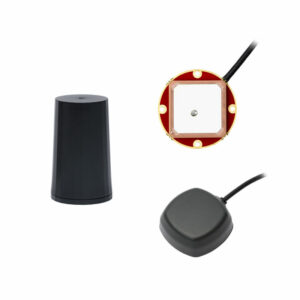
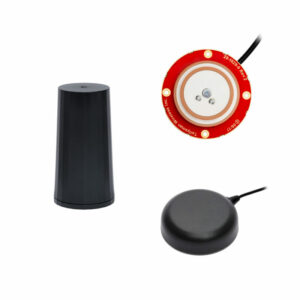
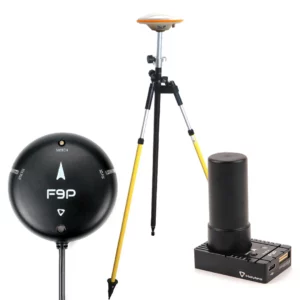
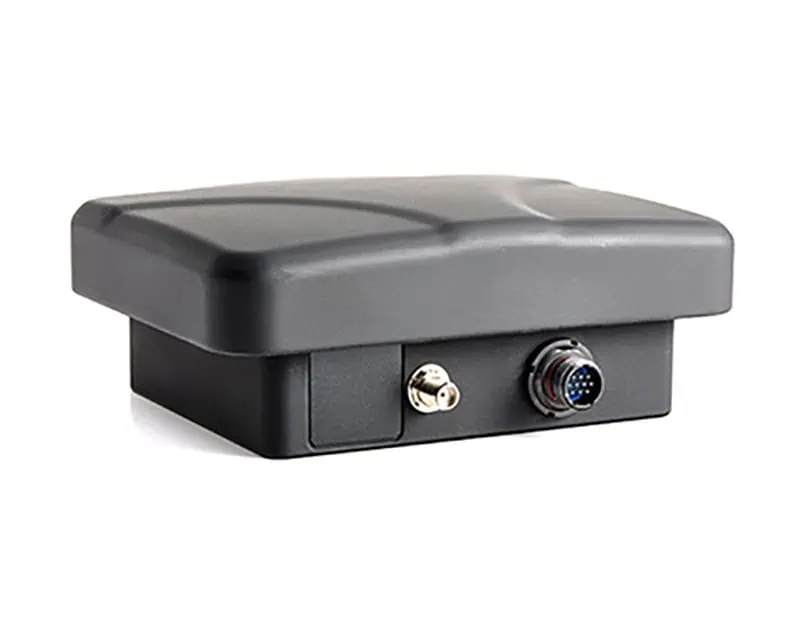
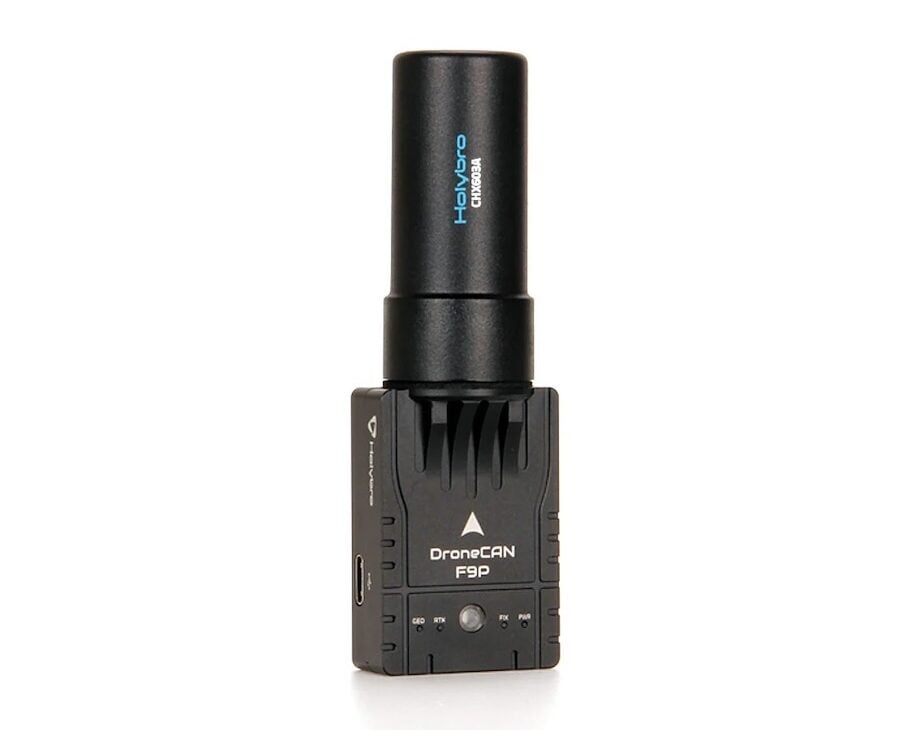
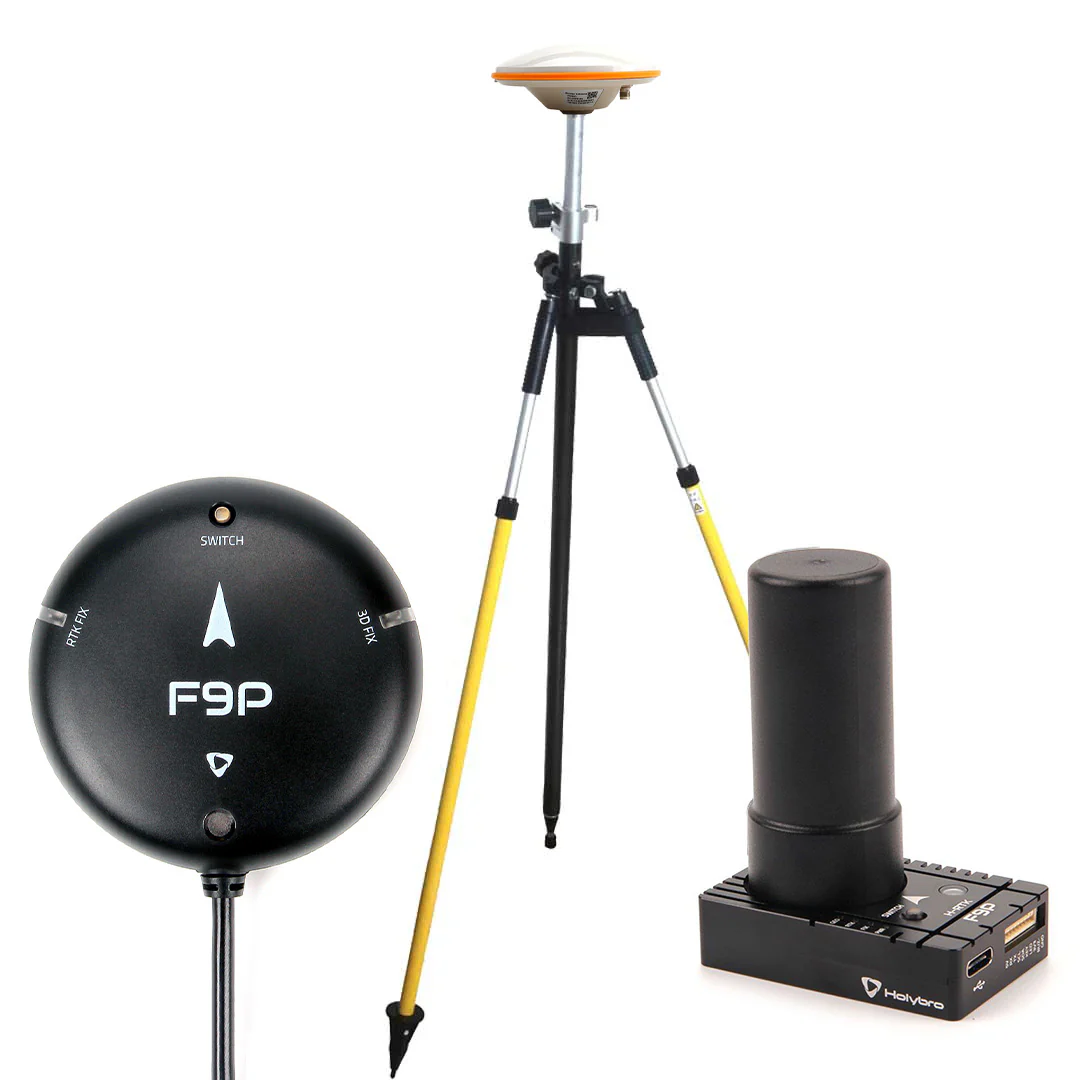
RTK drone GNSS Antennas by GNSS.store.
Applications span a wide range of operational domains, including precision agriculture, infrastructure inspection, drone surveying, environmental monitoring, cargo drones, and defense-oriented unmanned aircraft. In higher-accuracy use cases such as lidar mapping or survey-grade positioning, antenna phase center stability and multipath rejection become critical performance factors.
Within unmanned systems technology, GNSS antennas must operate reliably in electrically noisy environments, withstand vibration and temperature extremes, and maintain signal integrity when integrated with compact airframes. Key design considerations include frequency band support, polarization, ground plane requirements, connector interfaces, and compatibility with active or passive antenna architectures.
UAV GNSS antennas are commonly designed to support multiple satellite constellations, including GPS, Galileo, GLONASS, and BeiDou, improving availability and resilience in challenging operating environments. Multi-band and dual-band designs enable centimeter-level positioning when paired with RTK- or PPK-capable receivers, supporting high-precision navigation and autonomous flight operations.
Integration considerations for UAV GNSS antennas include connector selection (e.g., SMA, MMCX, or UFL), mounting hardware compatibility, and radome protection. Proper antenna placement and grounding are essential to minimize electromagnetic interference from onboard electronics and propulsion systems.
Relevant standards and specifications may influence antenna selection depending on the operational domain. Defense and government programs often reference military or NATO standards related to electromagnetic compatibility and environmental durability. At the same time, commercial UAV platforms may prioritize compliance with aviation authority requirements and regional spectrum regulations.
By selecting GNSS antennas optimized for unmanned systems, integrators and operators can improve navigation accuracy, operational reliability, and mission effectiveness across a wide range of UAV applications.


 Searching Companies & Products


 Subscribe to the Weekly eBrief
The latest engineering and technical developments straight to your inbox - join thousands of engineers who receive it.
Subscribe to the Weekly eBrief
The latest engineering and technical developments straight to your inbox - join thousands of engineers who receive it.