
Showcase your capabilities
If you design, build or supply High Density Connectors, create a profile to showcase your capabilities and connect with visitors who have an active requirement for your solutions.




High-density connectors are critical components that facilitate the transmission of power, signal, and data within the stringent SWaP-C constraints of modern unmanned platforms.
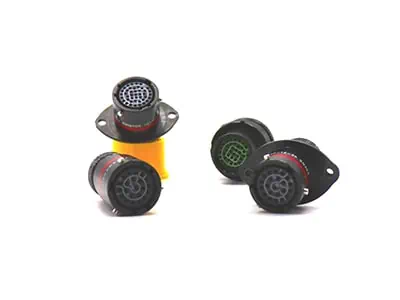
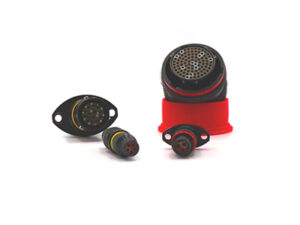
This category details leading providers and manufacturers of high-density connector solutions, including micro-circular and hybrid designs. The following guide explores technical considerations for specifying high-density application connectors within unmanned land, sea, and air platforms.
Read the Technology Overview
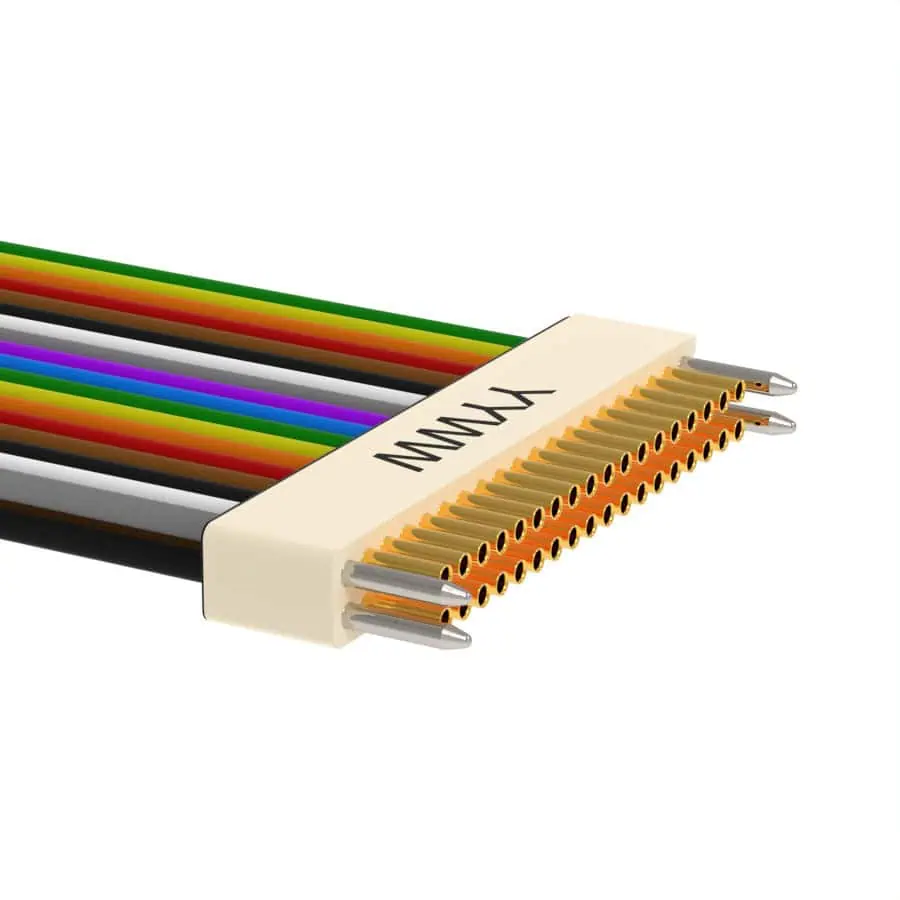
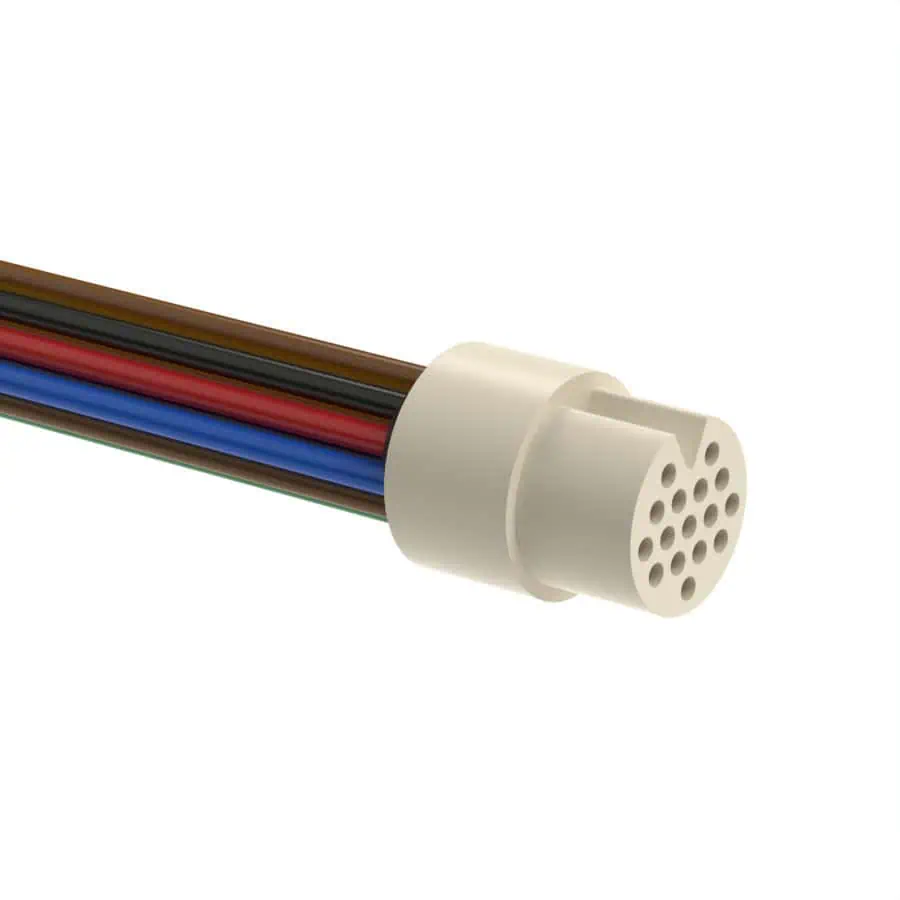
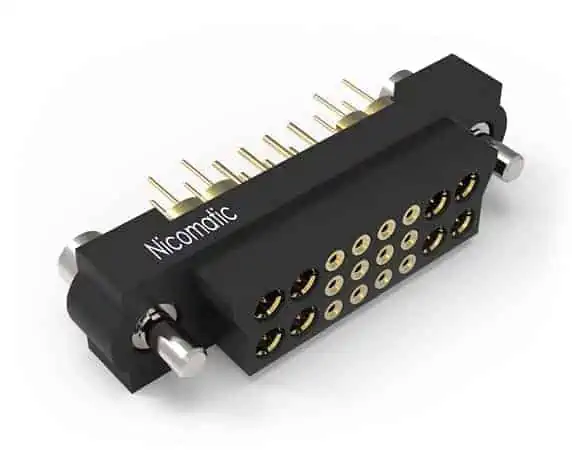
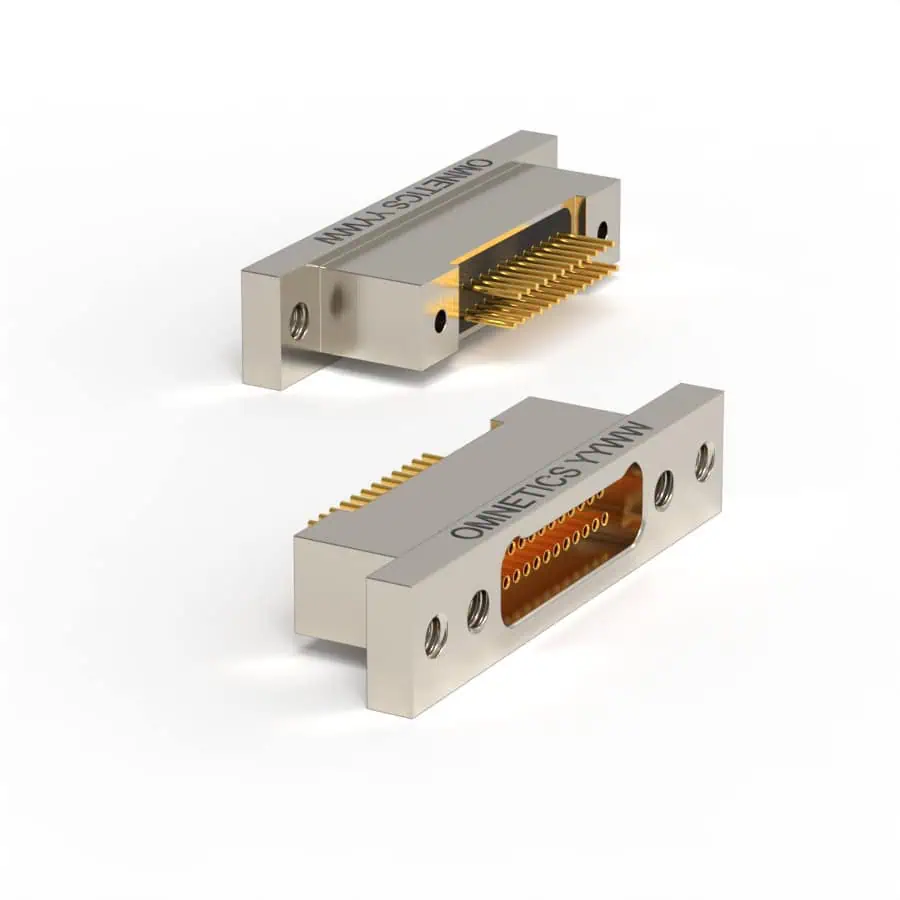
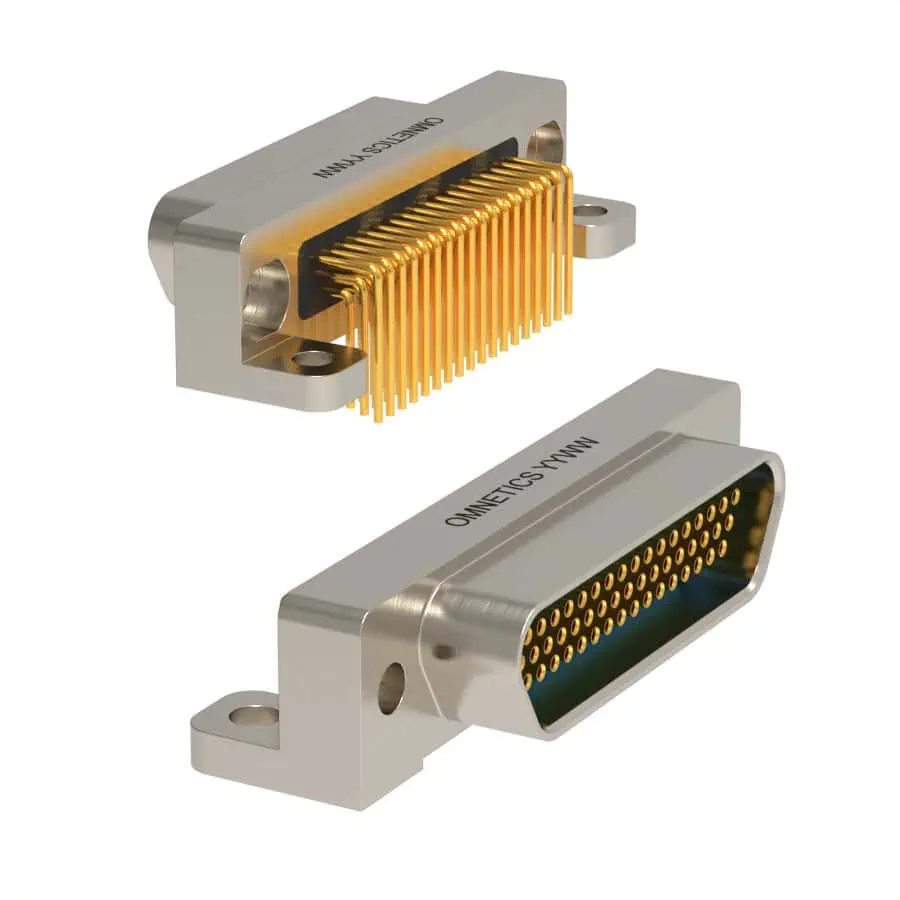
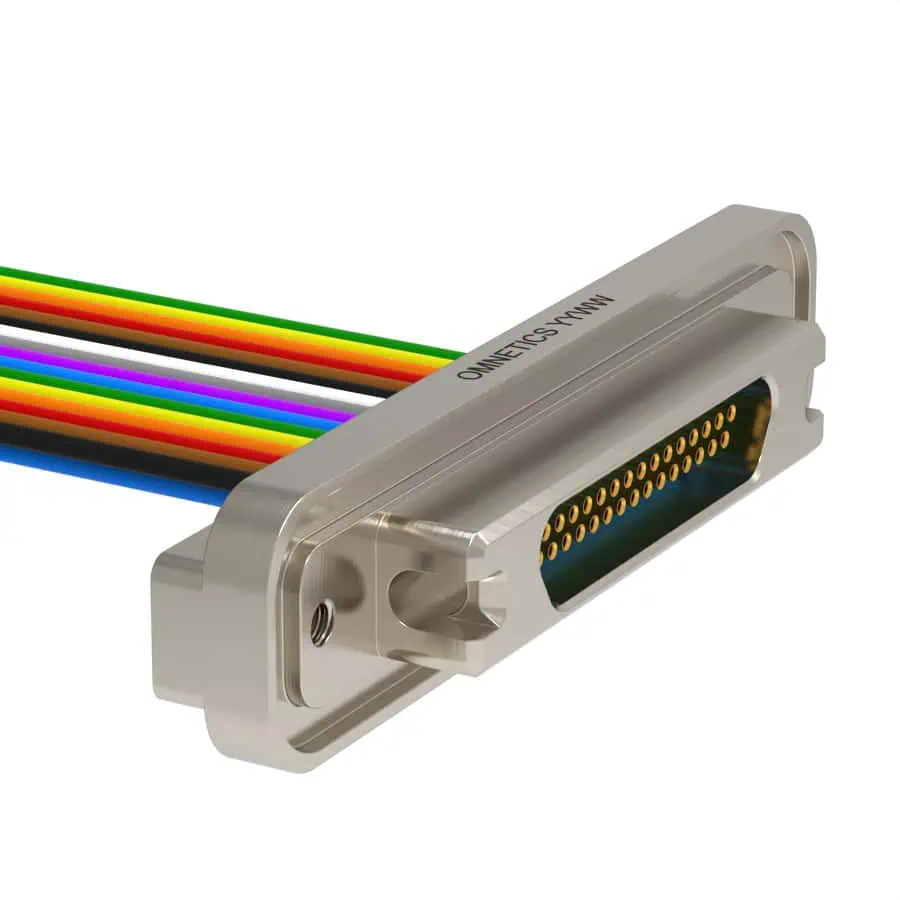
Micro Connectors for Aerospace, UAVs & Robotics - Rugged, Modular, High-Performance

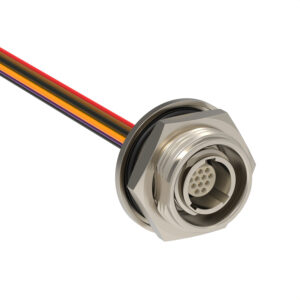
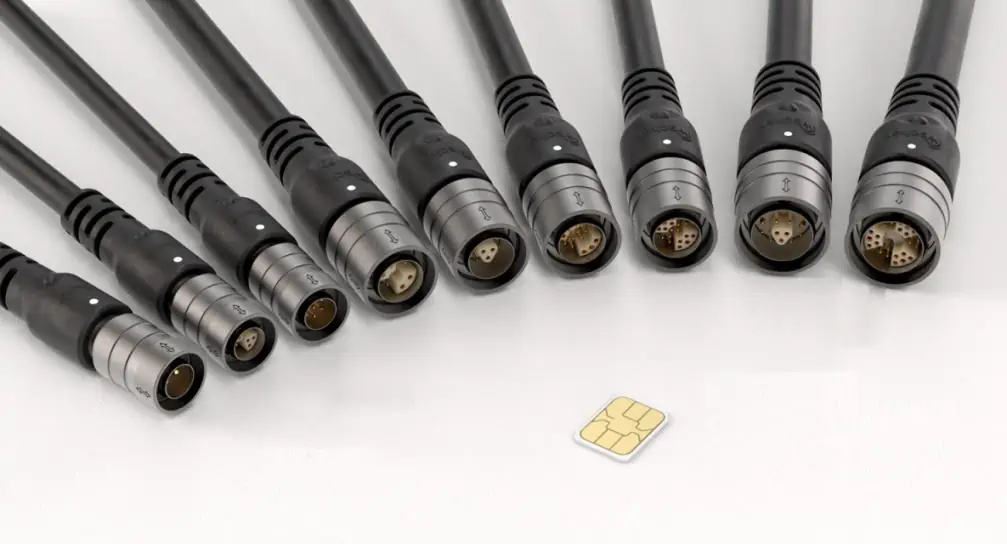
Micro and Nano Miniature Connectors for Unmanned Systems

If you design, build or supply High Density Connectors, create a profile to showcase your capabilities and connect with visitors who have an active requirement for your solutions.

High-density connectors occupy a pivotal position in the hardware stack of unmanned systems, serving as the nexus between Size, Weight, Power, and Cost (SWaP-C), operational reliability, and modular architecture. As payloads such as EO/IR gimbals, LiDAR, SIGINT, and high-performance autonomy compute modules evolve, the interconnect must facilitate increased power throughput and high-speed data transmission without expanding the physical envelope or adding mass. Selecting the wrong high density connector often results in non-graceful failures: intermittent faults, signal degradation, or thermal hotspots that manifest as phantom avionics issues.
True density encompasses reduced contact pitch, heightened sensitivity to environmental contaminants, and the mitigation of coupling between adjacent signals. In unmanned systems, these factors are amplified by high vibration-to-mass ratios and aggressive maintenance cycles. Engineers must treat the interconnect as a system-level element: mechanical, electrical, and ergonomic: rather than a commodity line item. Achieving mission success requires an evidence-based supplier funnel, mapping specific needs to connector families such as rugged micro-circular, high-density rectangular, or high density hybrid connectors that explicitly support harsh environments.
Airborne integration patterns consolidate high-value electronics into compact bays, including flight computers, RF front ends, and GNSS/INS units. In these environments, high density miniature connectors serve as backplane substitutes, allowing for modular payload swaps and quick-release Line Replaceable Units (LRUs). Air platforms penalize harness bulk and parasitic mass, making fewer connectors with higher pin counts highly desirable.

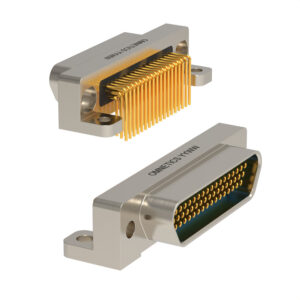
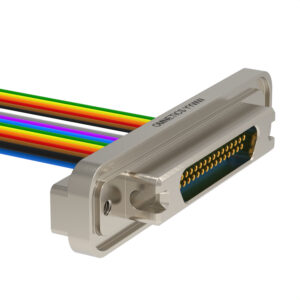
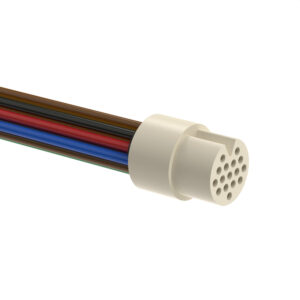
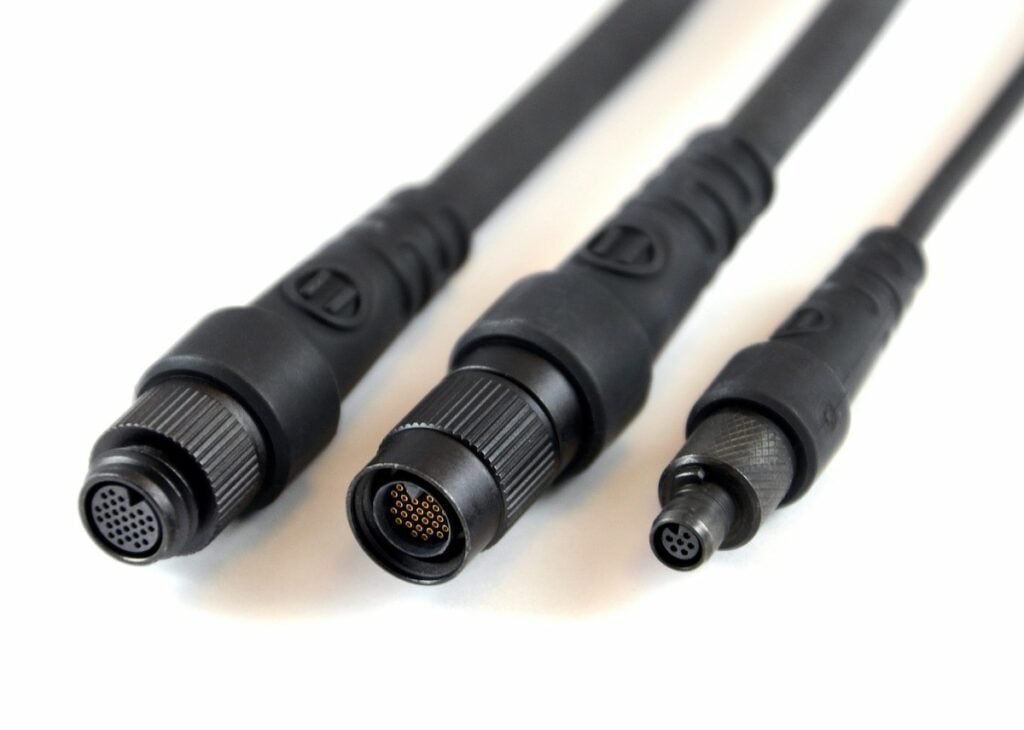
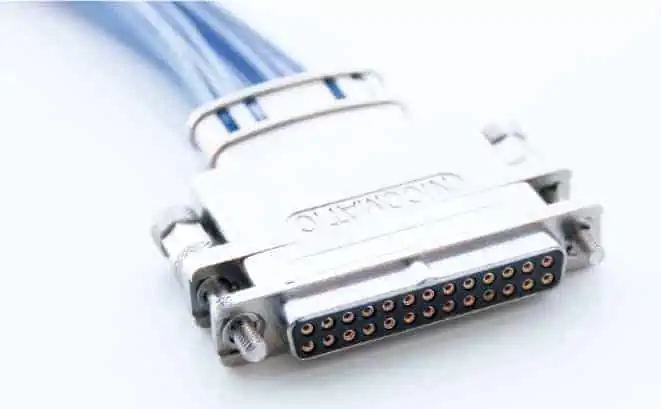
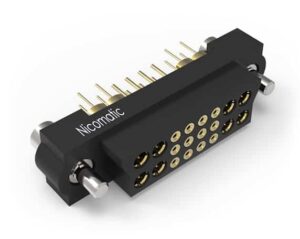
CMM Micro Connectors by Nicomatic
Integration often involves mixed-domain signals: power, high-speed digital, and RF: sharing a single corridor. This necessitates high speed high density connectors that support protocols like 10GbE or PCIe Gen 4 while maintaining shielding continuity. High density connectors with small pitch are particularly susceptible to fretting under aviation-grade vibration. Consequently, locking robustness and contact retention, often governed by standards like MIL-DTL-38999 or MIL-DTL-83513 (Micro-D), are as critical as pin count. Temperature cycling at altitude can drive condensation during descent, making environmental sealing a mandatory requirement even in non-marine airframes.
Unmanned Ground Vehicles (UGVs) integrate heavy actuators and ruggedized compute modules that face intense cable strain from articulation and repeated handling. High-density interconnects are common at controller-to-actuator junctions and sensor masts. Unlike aerial platforms, land systems often involve high transient currents, such as motor startup and braking regeneration, adjacent to sensitive sensor signals.
Mobility-driven constraints prioritize high shock connectors and mechanisms with strong tactile feedback. Micro-pitch contacts must be engineered to withstand sudden impacts and repeated maintenance in the field. Ingress protection is paramount: grit and mud can prevent full engagement, leading to multi-symptom faults. Engineers should prioritize high-density connectors that offer a complete accessory ecosystem, including strain-relief backshells, boots, and abrasion protection.
Maritime unmanned systems, including USVs and AUVs, require a bifurcation in connector strategy. Topside compartments face salt spray and galvanic coupling, while submerged systems require pressure-rated interfaces where the connector becomes part of the hull boundary. High density circular connector designs are preferred here for their superior sealing stack-ups.
Corrosion engineering is the headline challenge. Small contact areas in dense geometries are less forgiving of oxide films. Sourcing must focus on material pairing and plating systems to resist crevice corrosion under gaskets. For submerged applications, the distinction between environmental sealing and true hermetic sealing is vital for maintaining the integrity of electronics pressure vessels during deep-sea operations.
Fretting corrosion remains a leading cause of intermittent faults. Under vibration, microscopic motion at the contact interface disrupts plating, increasing contact resistance. This is mitigated by selecting contact systems that maintain stable normal force. Furthermore, ingress is rarely a binary state. Contamination often enters during mating or via cable wicking. Specifying a layered defense: interface seals, backshell boots, and protective caps: is the only way to ensure long-term performance.
Thermal cycling pumps moisture into assemblies and shifts contact normal force. In dense configurations, heat dissipation per pin is a limiting factor. Specification practices must include derating based on realistic thermal paths rather than catalog current ratings alone. Additionally, as platforms adopt faster data links, high density array connectors must be managed to prevent crosstalk. Effective EMI/EMC design requires 360-degree shield termination and disciplined pin assignment to separate high-speed pairs from high dI/dt power pins.
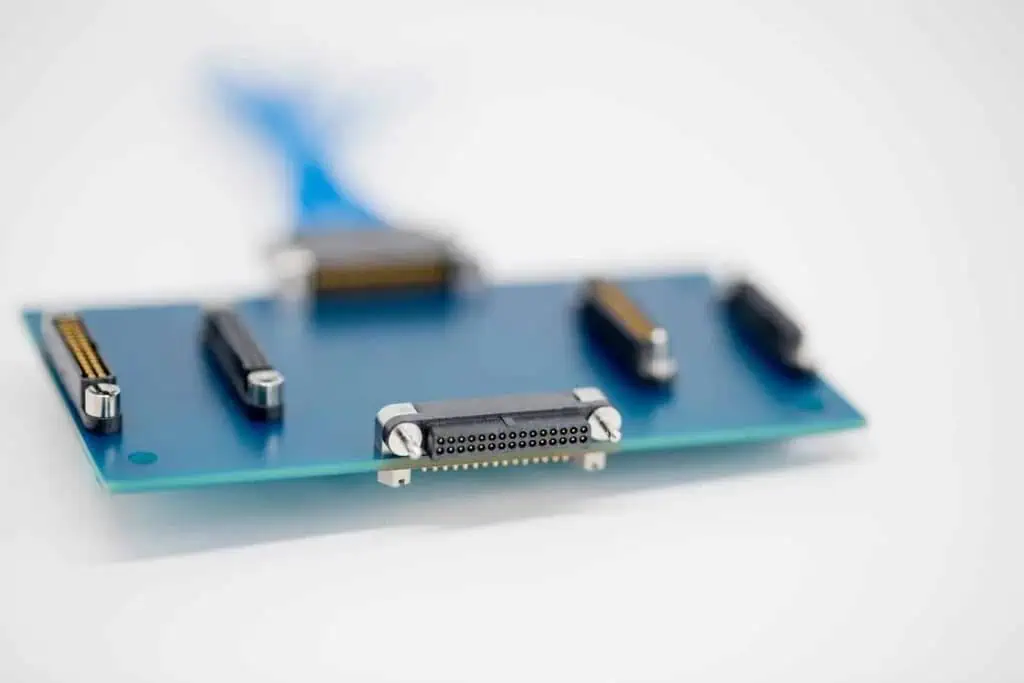
Density decisions must be driven by system architecture. Circular micro connectors offer robust coupling, while four row high density connectors or rectangular double density connectors provide efficient packing in protected bays. For internal board-to-board links, high density board mount connectors enable compact electronics stacking.
Hybridization is a key trend. A high density power contact design integrated into a signal housing reduces the overall connector count. However, this requires strict segregation of signal classes in the Interface Control Document (ICD).
Interoperability begins with adherence to standards like MIL-STD and Def Stan. Sourcing teams must require Certificates of Conformance (C of C) and lot traceability to mitigate counterfeit risks. Quality control should include magnification requirements for inspecting micro-pitch terminations during harness assembly.
Backshells and strain relief determine if a connector survives the field. Without them, cable loads translate into contact micro-motion. For maintainability, LRU designs should feature alignment aids and recessed pins to prevent “blind-mate” damage. Spares strategy must align with the maintenance echelon, ensuring that specialized tooling for high-density contacts is available to field technicians.
The directory at the top of this page features leading global suppliers of high density connectors suitable for unmanned applications. It is the primary resource for qualifying vendors against specific mission or application requirements. Selecting a supplier that supports the entire integration stack: including backshells, contact tooling, and documented test data: significantly reduces program risk. Engineers should prioritize partners with proven performance in high-reliability unmanned domains to ensure long-term platform sustainment.


 Searching Companies & Products


 Subscribe to the Weekly eBrief
The latest engineering and technical developments straight to your inbox - join thousands of engineers who receive it.
Subscribe to the Weekly eBrief
The latest engineering and technical developments straight to your inbox - join thousands of engineers who receive it.