
General Atomics Aeronautical Systems, Inc

XQ-67A Off-Board Sensing Station Flown for the First Time

The "genus/species" concept developed as part of a program to build several unmanned aircraft variants from a common core chassis has been validated by the flight of GA-ASI’s XQ-67A By Abi Wylie / 05 Mar 2024
XQ-67A Off-Board Sensing Station Flown for the First Time
Follow UST

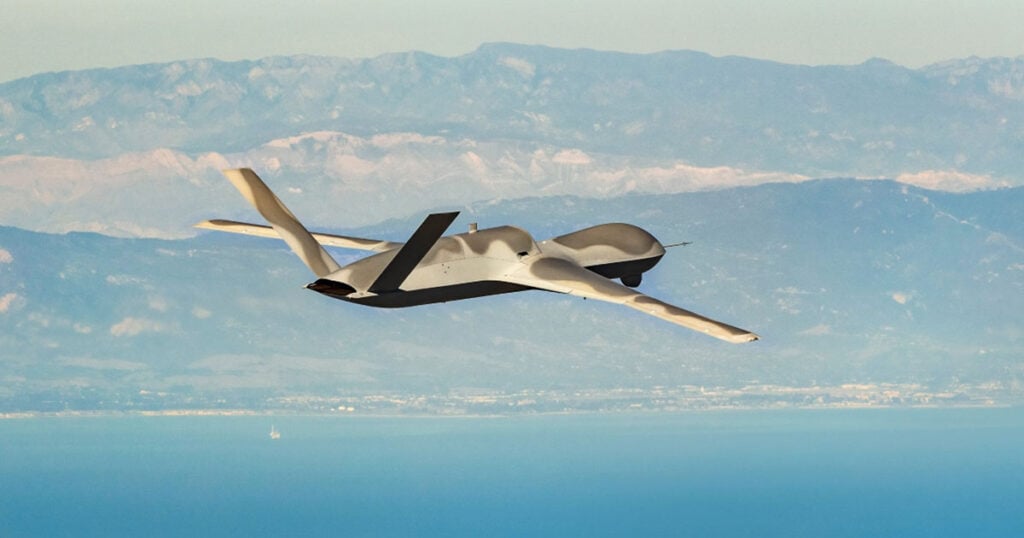
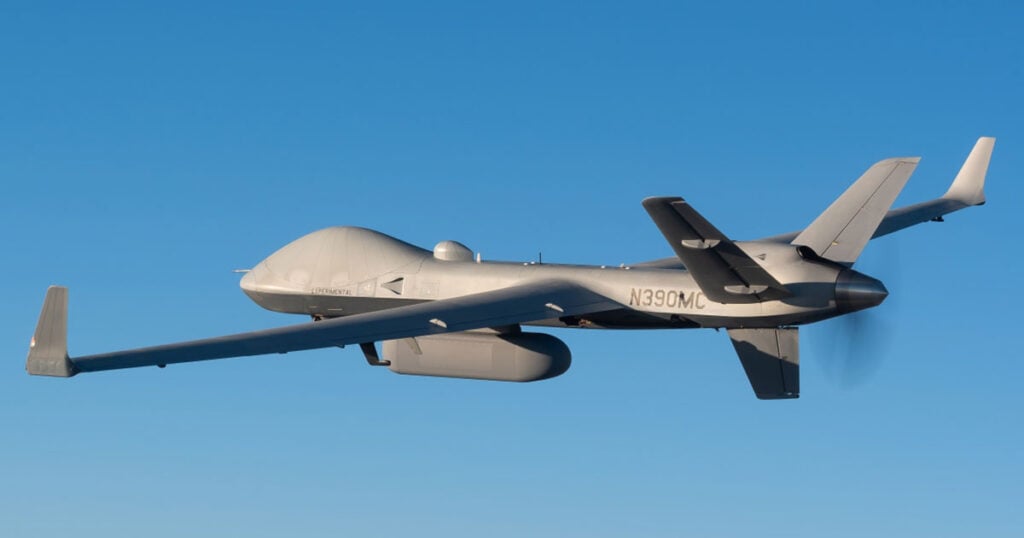
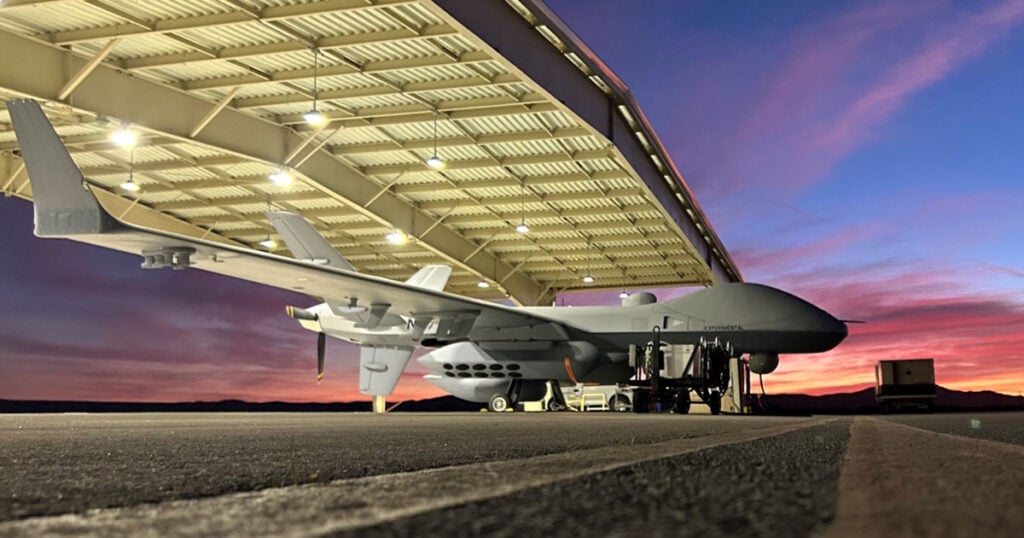
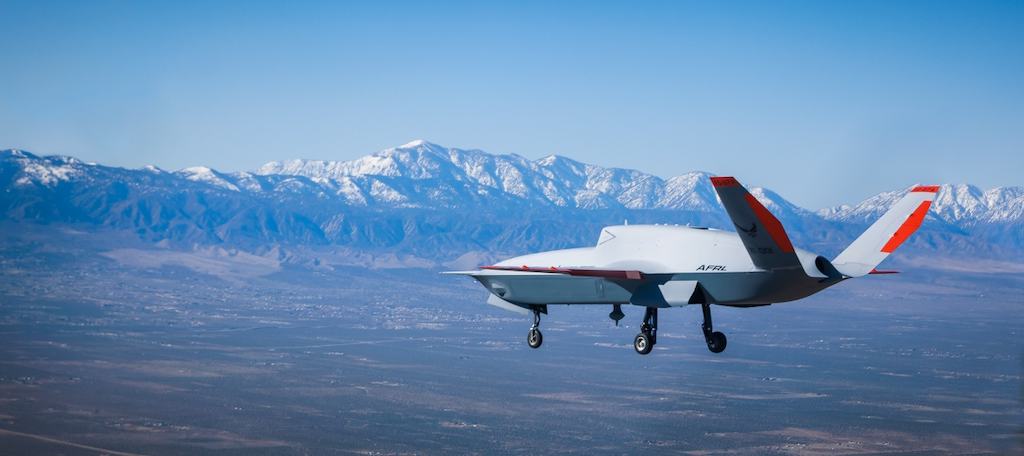
General Atomics Aeronautical Systems, Inc. (GA-ASI) has flown the XQ-67A Off-Board Sensing Station (OBSS) for the first time on Feb. 28, 2024. 

OBSS is an Air Force Research Laboratory (AFRL) program and GA-ASI was selected in 2021 to design, build and fly the new aircraft.

With flight of the AFRL-funded XQ-67A, GA-ASI has validated the “genus/species” concept first developed with AFRL as part of the Low-Cost Attritable Aircraft Platform Sharing (LCAAPS) program focused on building several aircraft variants from a common core chassis.

Under LCAAPS, AFRL and GA-ASI explored the development of a chassis, termed a “genus”, as the foundational core architecture from which several “species” of aircraft can be built.

Trenton White, OBSS Program Manager and aerospace engineer in AFRL’s Aerospace Systems Directorate, said; “This provides an alternative acquisition approach for military aircraft that enables faster development, lower costs and more opportunities for frequent technology refresh. 

“XQ-67A is the first ‘species’ to be designed and built from this shared platform. Flight demonstration of this system is a major first step toward showing the ability to produce affordable combat mass.”

GA-ASI Vice President of Advanced Programs Michael Atwood said; “OBSS is the first aircraft type built and flown using a common core chassis developed by GA-ASI that promotes commonality across multiple vehicle types.”


To learn more, visit the General Atomics Aeronautical Systems, Inc Partner Hub: Innovation Partner Hub
Posted by Abi Wylie Edited by Abigail Wylie, Editor and Copywriter experienced in digital media with a keen interest in ocean science technology. Connect

More from General Atomics Aeronautical Systems, Inc

GA-ASI Demonstrates Manned-Unmanned Teaming in Autonomy Exercise

General Atomics Aeronautical Systems has demonstrated manned-unmanned teaming capabilities during a joint autonomy exercise involving an MQ-20 Avenger® surrogate Collaborative Combat Aircraft and an F-35 fighter jet using beyond line of sight communications

May 29, 2026
GA-ASI & US Air Force Return YFQ-42A CCA to Flight Testing Following Software Updates

Following a brief strategic pause and successful software remediation, General Atomics Aeronautical Systems' YFQ-42A has resumed flight operations to continue its next-generation technology maturation and risk reduction mission

May 26, 2026
GA-ASI & Saab Complete Initial Flight of RPA Equipped With Early Warning Radar

GA-ASI and Saab have successfully conducted the first flight of the MQ-9B aircraft with LoyalEye pods, advancing next-generation airborne early warning capabilities

May 22, 2026
GA-ASI & USAF Successfully Test Laser-Guided Rockets for MQ-9A Reaper®

GA-ASI and the U.S. Air Force demonstrate new low-cost aerial intercept capabilities using laser-guided rockets on the MQ-9A Reaper®

May 13, 2026
GA-ASI Commends VMU-3 & Capt. Goar for Prestigious Marine Corps Aviation Awards

Marine Unmanned Aerial Vehicle Squadron 3 has been named the USMC’s UAV Squadron of the Year for exceptional operational effectiveness using the MQ-9A platform within the Marine Air-Ground Task Force program

Apr 28, 2026
GA-ASI Selected for U.S. Navy Collaborative Autonomy Project

General Atomics Aeronautical Systems (GA-ASI) has been selected to support the U.S. Navy’s Collaborative Autonomy Mission Planning and Debrief (CAMP) initiative, advancing mission planning, debrief capabilities, AI model management, and autonomy workflows

Apr 22, 2026
Advancing Unmanned Systems Through Strategic Collaboration UST works with major OEMs to foster collaboration and increase engagement with SMEs, to accelerate innovation and drive unmanned systems capabilities forward.