

SBG Systems Stellar-40
General Atomics Aeronautical Systems, Inc

MQ-9B SkyGuardian UAS Surpasses 100 Test Flights

By Mike Ball / 17 Jun 2019
Follow UST

MQ-9B SkyGuardian

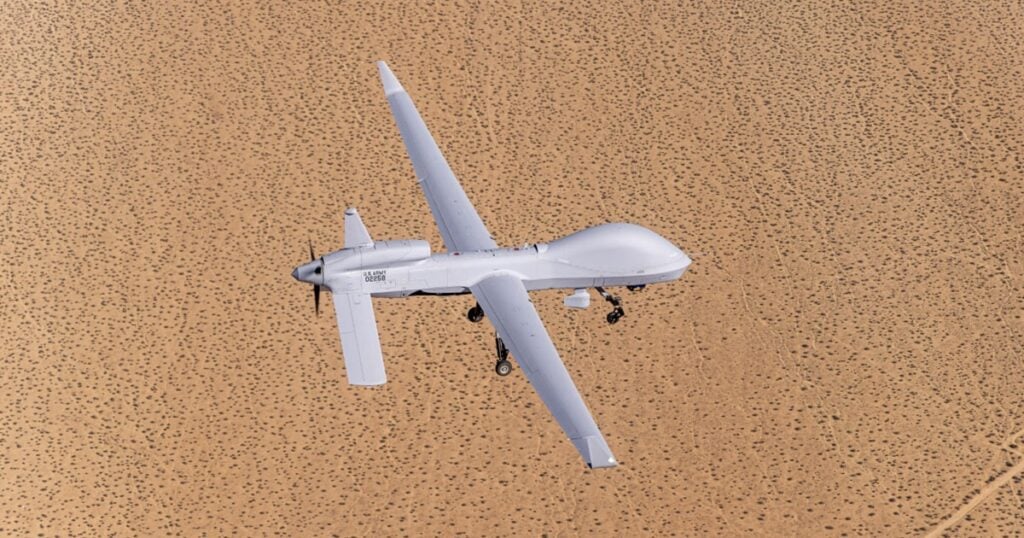
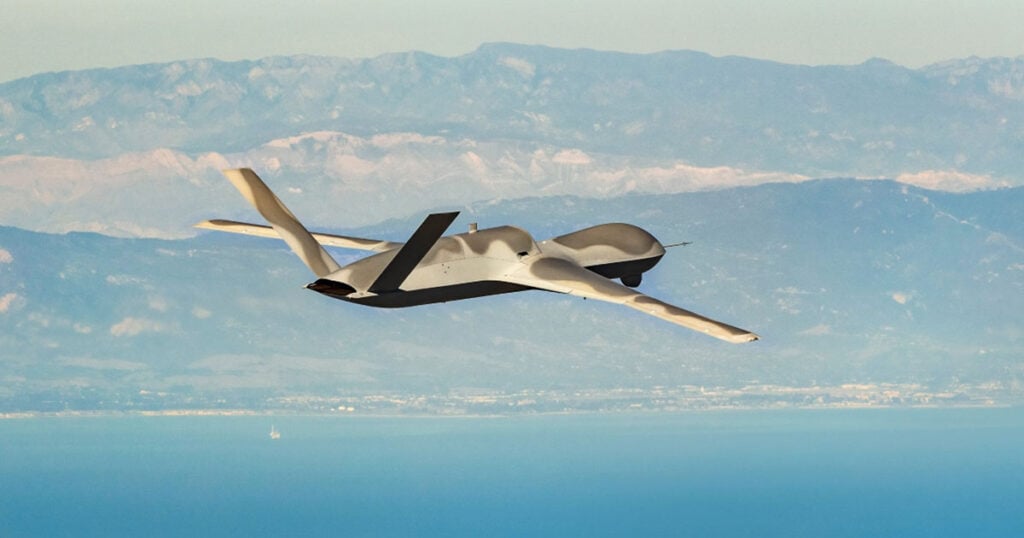
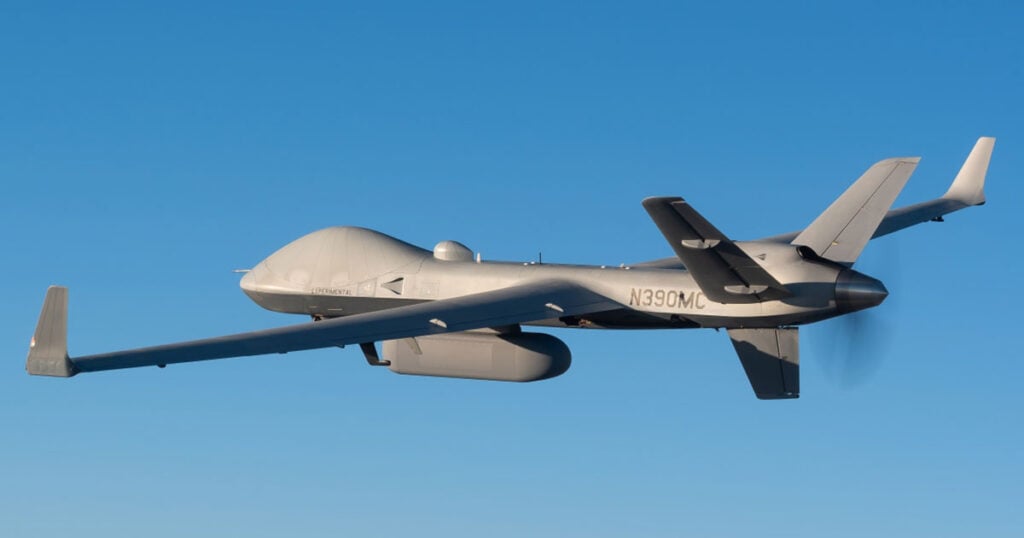
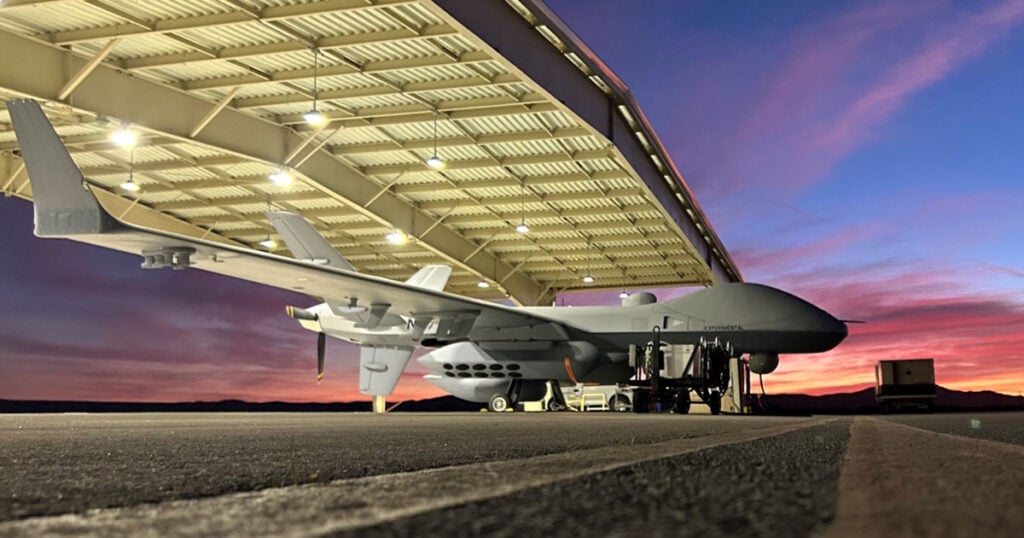
General Atomics Aeronautical Systems, Inc. (GA-ASI) has announced that its MQ-9B SkyGuardian unmanned aerial system (UAS) has now flown more than 100 test flights as development continues towards its first delivery to the Royal Air Force (RAF) as part of the Protector RG Mk1 Remotely Piloted Aircraft (RPA) programme.

Since making its first flight in November 2016, GA-ASI has kept the new RPA busy performing a variety of flights, from long endurance testing (logging 48.2 consecutive hours in flight in May 2017) to becoming the first Medium-altitude, Long-range RPA to perform a trans-Atlantic flight in July 2018. A second company-owned SkyGuardian was completed in September 2018 to support the aggressive development workload.

“There’s no rest for these aircraft,” said David R. Alexander, president, Aircraft Systems, GA-ASI. “They’re built to remain aloft for long periods of time performing the important missions our customers require. SkyGuardian is customizable with nine hardpoints and payloads to meet customer requirements. Just another reason why we’re getting so much interest from international customers.”

The Royal Air Force (RAF) is acquiring SkyGuardian as part of its Protector RG Mk1 programme and is scheduled for first delivery in the early 2020s. The Government of Belgium has approved Belgian Defense to negotiate the acquisition of SkyGuardian to meet the nation’s RPA requirements. The aircraft is also being considered by the Australian Defence Force, who chose GA-ASI to supply an RPA system for Project Air 7003.

GA-ASI designed the new RPA as the next generation of multi-mission Predator B fleet. GA-ASI named its baseline MQ-9B aircraft SkyGuardian, and the maritime surveillance variant SeaGuardian, which is available with a multimode 360 degree Maritime Patrol Radar and a host of other maritime capabilities.

MQ-9B development is the result of a five-year, company funded program to deliver an unmanned aircraft to meet the stringent airworthiness type-certification requirements of NATO and various civil authorities. As part of the certification effort, MQ-9B is being provisioned with a GA-ASI-developed Detect and Avoid (DAA) system. The DAA system consists of a Due Regard Radar and processor, coupled with an advanced Traffic alert and Collision Avoidance System (TCAS II), and Automatic Dependent Surveillance-Broadcast (ADS-B). The new RPA is also built for all-weather performance with lightning protection, damage tolerance, and a de-icing system.


To learn more, visit the General Atomics Aeronautical Systems, Inc Partner Hub: Innovation Partner Hub
Posted by Mike Ball Mike Ball is our resident technical editor here at Unmanned Systems Technology. Combining his passion for teaching, advanced engineering and all things unmanned, Mike keeps a watchful eye over everything related to the unmanned technical sector. With over 10 years’ experience in the unmanned field and a degree in engineering, Mike’s been heading up our technical team here for the last 8 years. Connect

More from General Atomics Aeronautical Systems, Inc

USAF Takes Delivery of FQ-42 Vengeance Combat Jet at Creech AFB

General Atomics Aeronautical Systems, Inc. delivers another FQ-42 Vengeance uncrewed fighter to Creech Air Force Base, advancing autonomous flight testing and operational experimentation for the U.S. Air Force Collaborative Combat Aircraft program

Sep 23, 2026
GA-ASI & Hanwha Aerospace Prove Uncrewed Battlefield Short Field Capabilities

General Atomics Aeronautical Systems and Hanwha Aerospace successfully demonstrate the Mojave STOL uncrewed aircraft performing landing and takeoff operations under simulated live-fire combat conditions at a South Korean maneuver trail

Sep 18, 2026
GA-ASI & Tactical Air Support Demonstrate Advanced Human-Machine Teaming in Live Exercise

General Atomics Aeronautical Systems, Inc. and Tactical Air Support, Inc. successfully execute live flight testing of multi-ship infrared passive sensing and open architecture software to close tactical kill chains against airborne threats

Sep 17, 2026
GA-ASI to Open 22,000-Square-Foot UAS Innovation Hub in Ohio

General Atomics Aeronautical Systems is expanding its presence in Dayton, Ohio, with a new 22,000-square-foot innovation hub focused on hardware, software, autonomy, rapid prototyping, integration, and testing of next-generation UAS capabilities for U.S. Air Force programs

Sep 16, 2026
GA-ASI Unveils Wildfire UAS for High-Capability & Cost-Conscious Ops

General Atomics Aeronautical Systems launches its groundbreaking Wildfire UAS, combining exceptional endurance, massive payload capacity, and high autonomy to deliver cost-effective mass for defense and commercial roles

Sep 11, 2026
GA-ASI to Expand Italian Air Force Fleet with Two Additional Reapers

General Atomics Aeronautical Systems will deliver two new MQ-9A Block 5 Reapers to the Italian Air Force, boosting long-endurance surveillance capabilities across domestic, Mediterranean, and NATO operational spheres

Sep 10, 2026

THE WEEKLY eBRIEF

The latest unmanned systems news, straight to your inbox.

Get our weekly roundup of technology developments, new products and industry news.

By subscribing, you agree to receive the weekly UST eBrief newsletter from EchoBlue Ltd. Unsubscribe at any time using the link in every email. See our Privacy Notice.

Advancing Unmanned Systems Through Strategic Collaboration UST works with major OEMs to foster collaboration and increase engagement with SMEs, to accelerate innovation and drive unmanned systems capabilities forward.