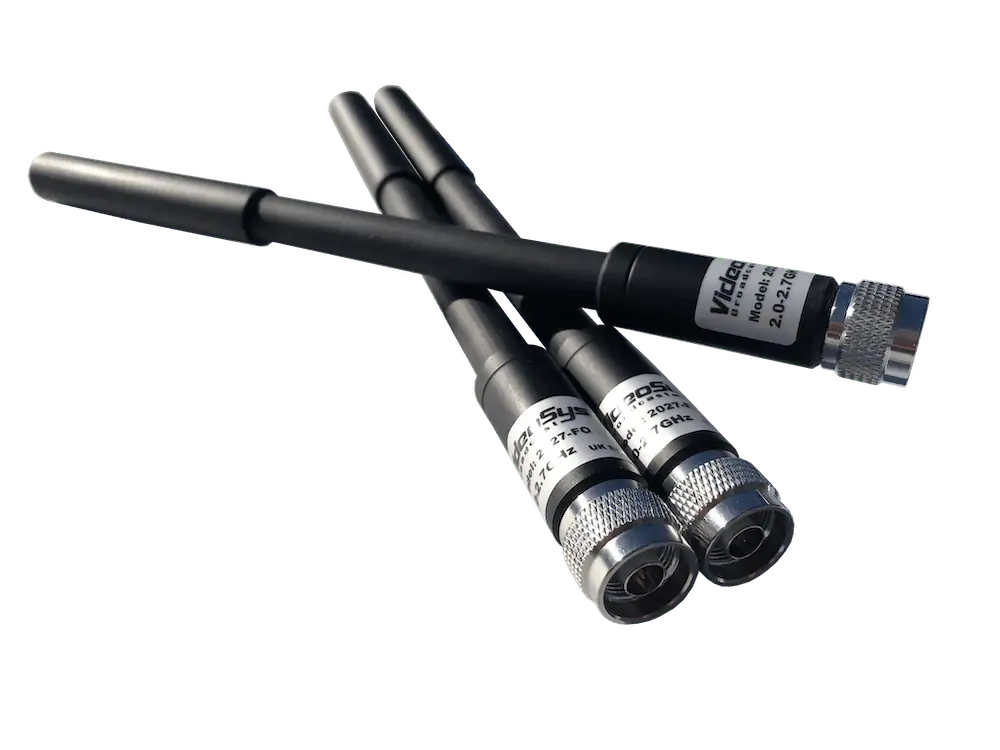
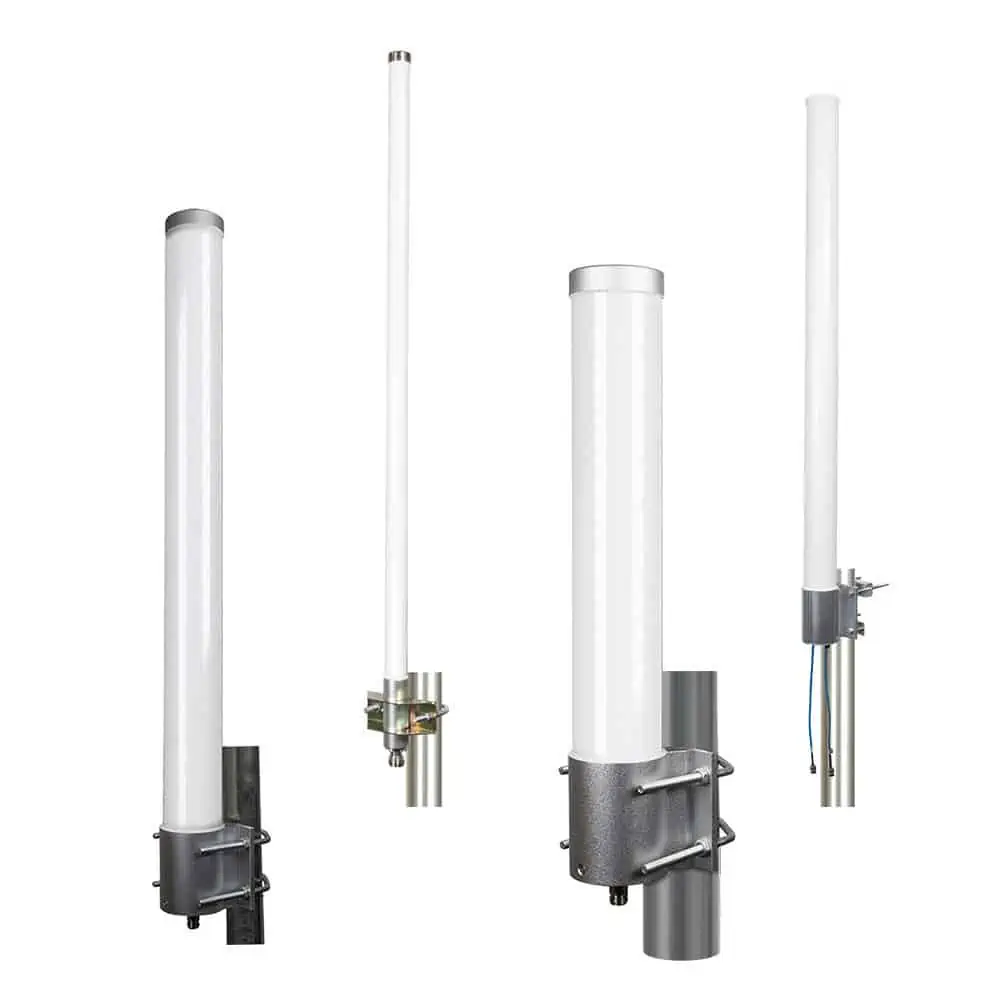
Omni-directional antennas are designed to transmit and receive signals uniformly in all directions, enabling comprehensive coverage without the need for constant orientation adjustments. In unmanned and autonomous applications, omni-directional antennas play a key role in maintaining constant communication between vehicles and control centers, ensuring seamless data exchange for navigation, monitoring, and remote operation tasks, thereby enhancing operational efficiency and safety in diverse environments.
If you design, build or supply Omni-Directional Antennas, create a profile to showcase your capabilities and connect with visitors who have an active requirement for your solutions.
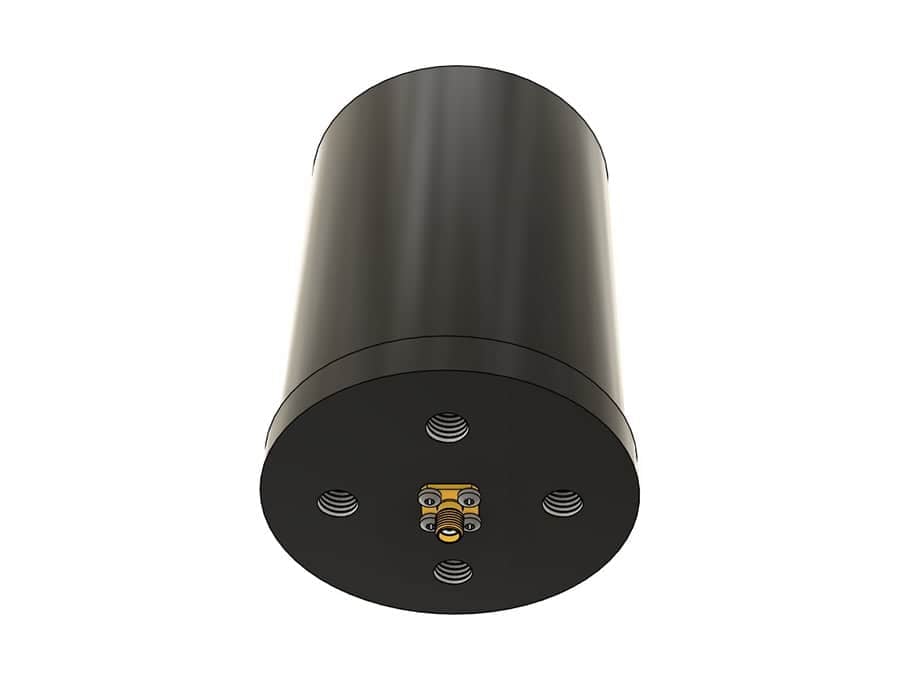
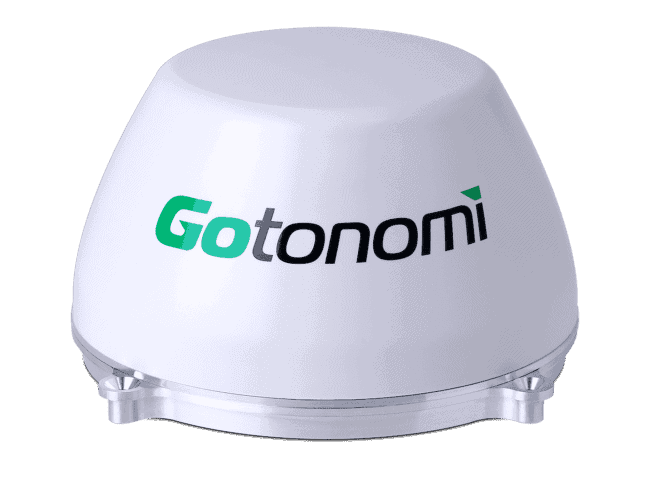
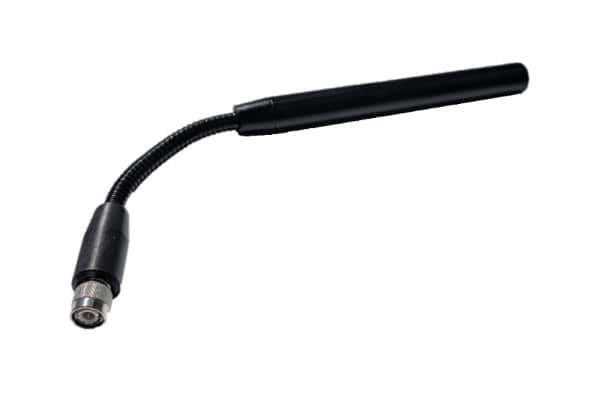
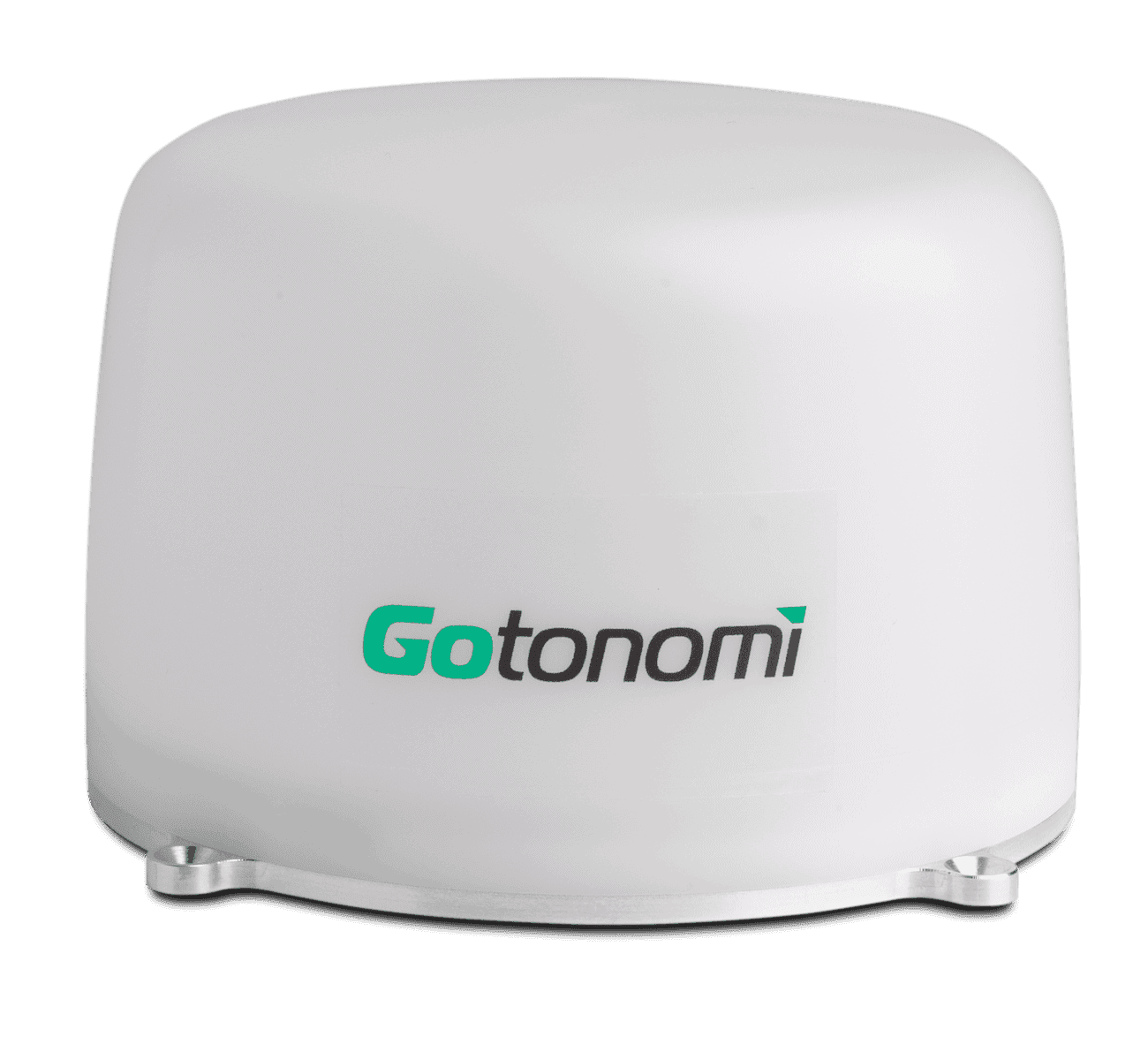
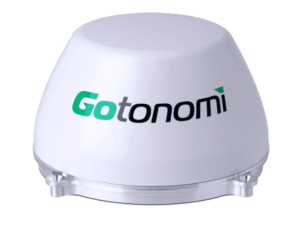
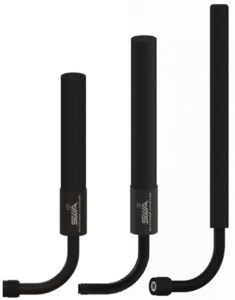
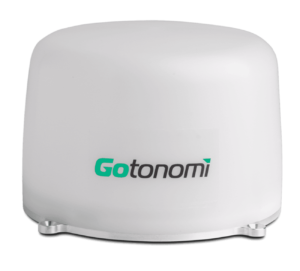
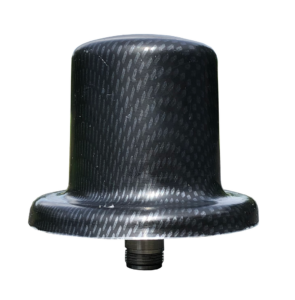
Lightweight & robust L-band antenna for UAV satcom
Lightweight & robust L-band antenna for UAV satcom
...ctional L-band antenna that has been specifically designed for use with Gotonomi UAV satcom... ...... compact and lightweight antenna is IP67-rated, enabling it to withstand harsh weather...
Omni-directional antennas, also known as omni antennas, are designed to transmit or receive signals with equal strength in all directions. The design is in contrast to directional antennas, which provide maximal signal strength in a specific direction.
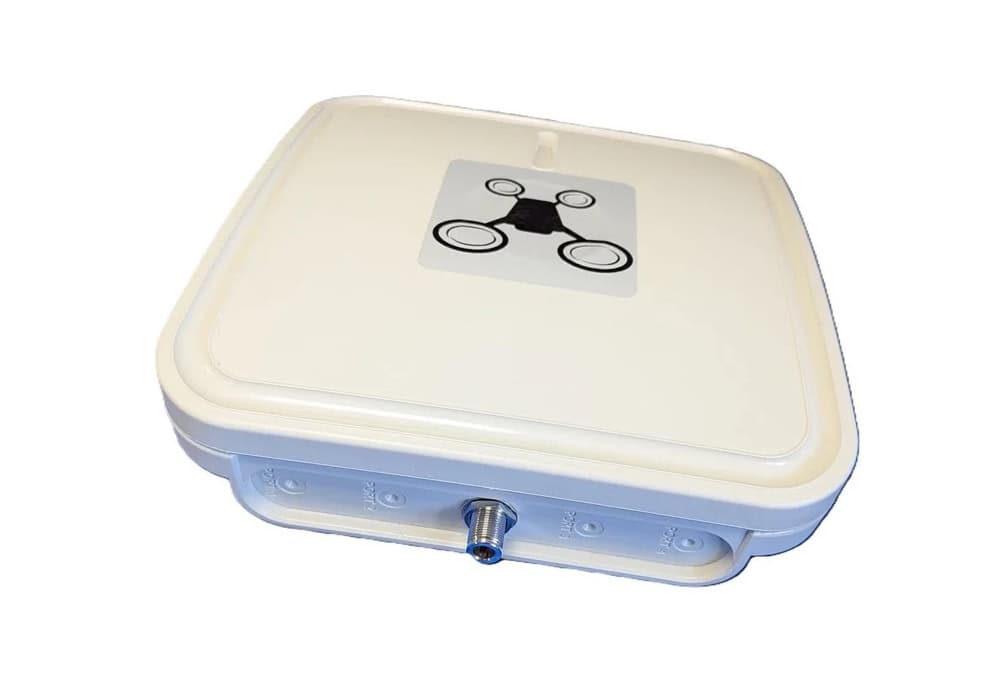
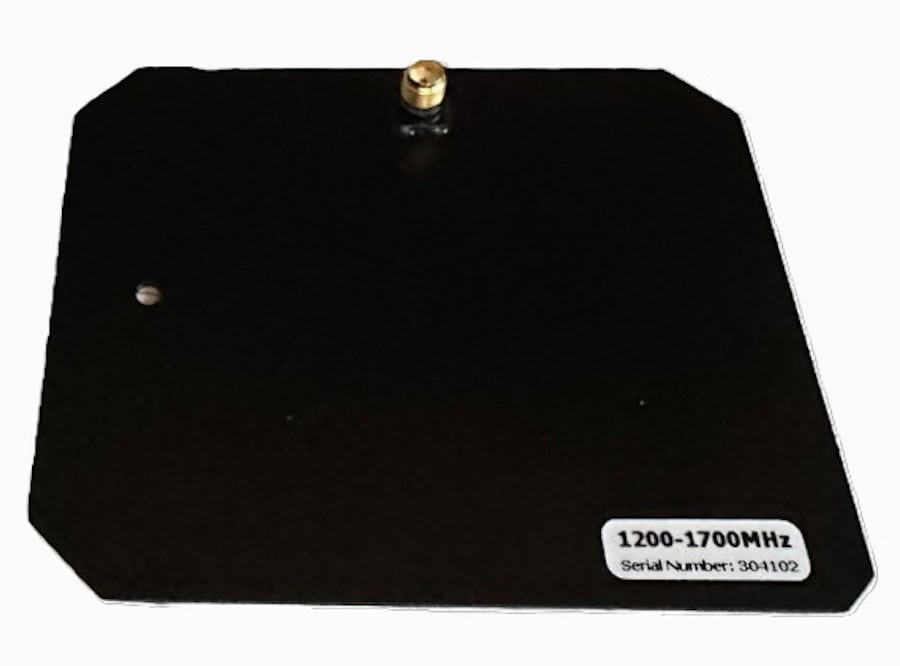
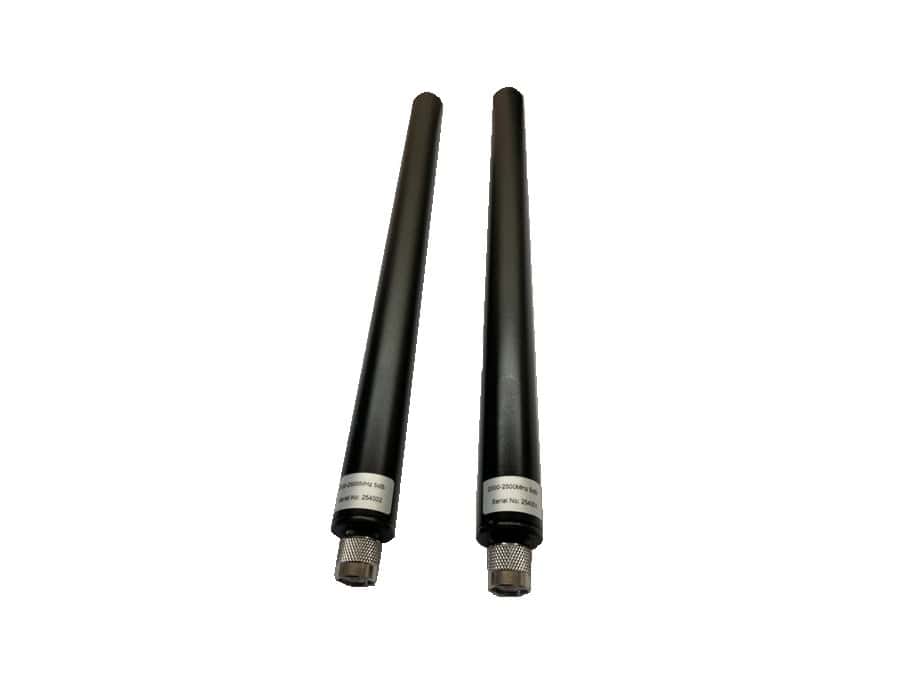
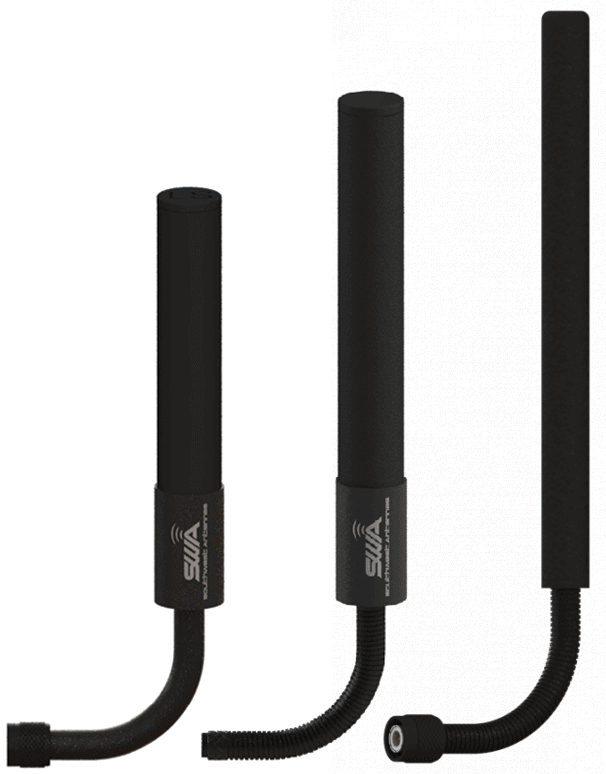
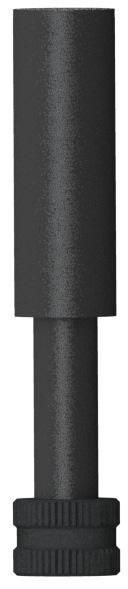
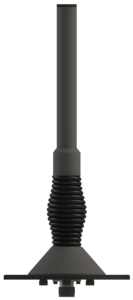
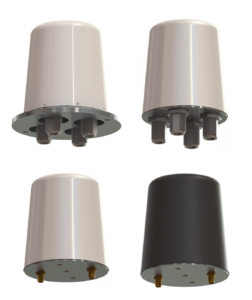
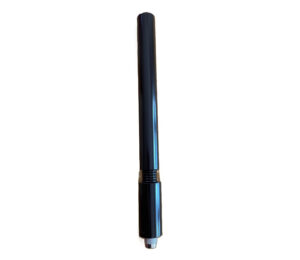
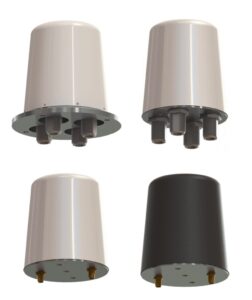
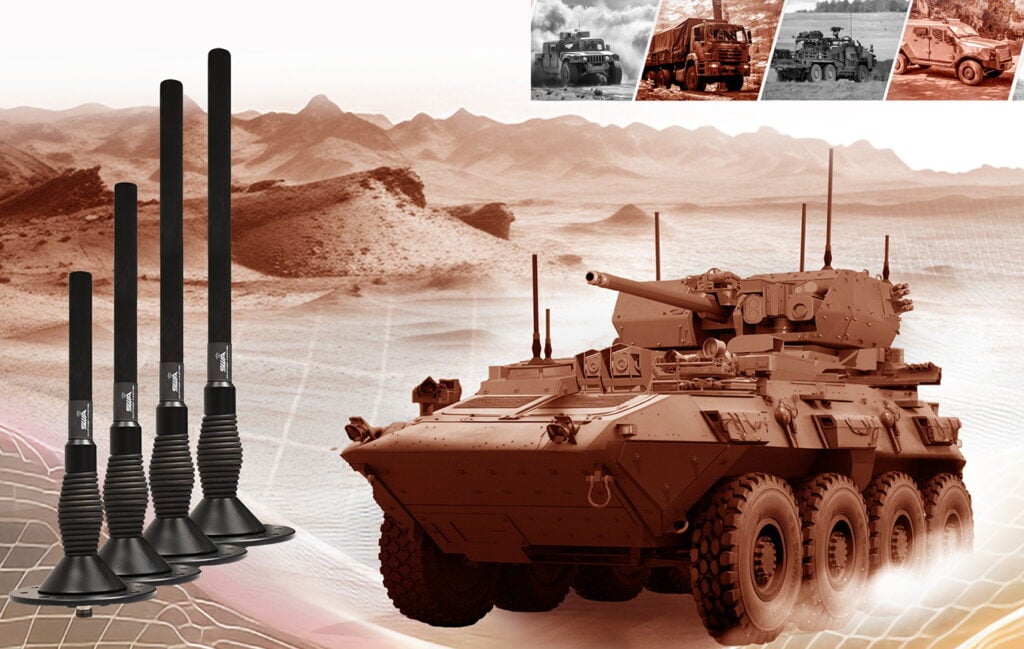
Omni-directional MIMO:MANET Antennas by Southwest Antennas
Omni-directional antennas are used for a wide variety of UAV (unmanned aerial vehicle) and unmanned systems applications. They may be used as part of the communications system between a drone or robotic vehicle and its ground control station (GCS), transmitting and receiving command and control data, telemetry, or payload and sensor data such as streaming video.
Due to their ability to transmit and receive equally in all directions, omnidirectional antennas may be useful in situations where a drone or vehicle is constantly changing direction and orientation with respect to the GCS and lacks the ability to track and reorient a directional antenna. They are also useful in point-to-multipoint situations, such as when a GCS needs to communicate with a swarm of drones over a wide area.
Range & Signal Strength
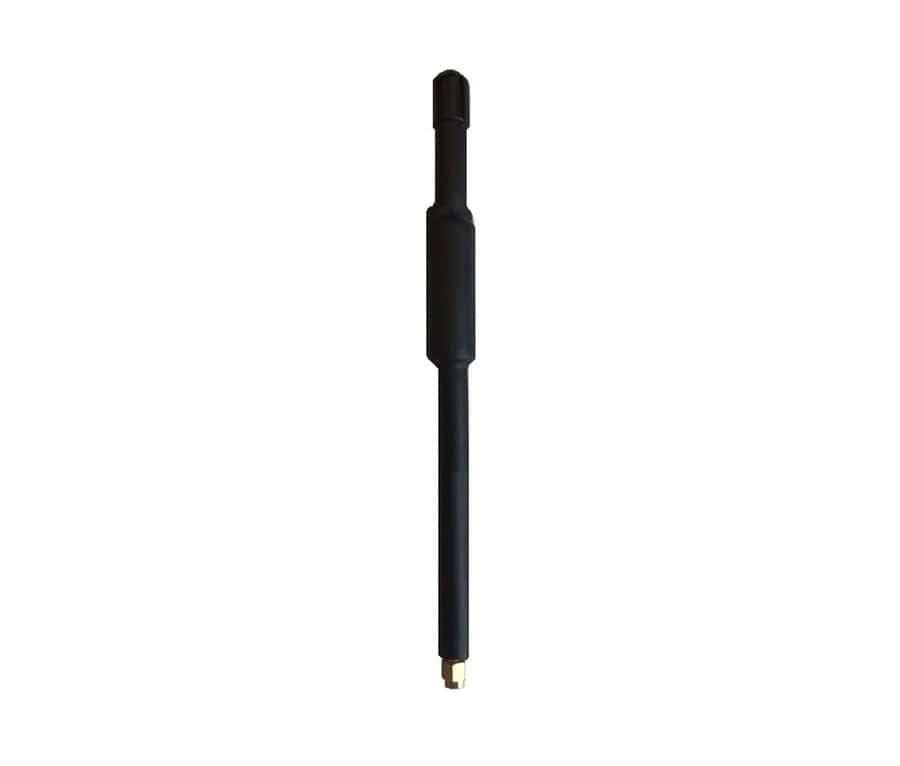
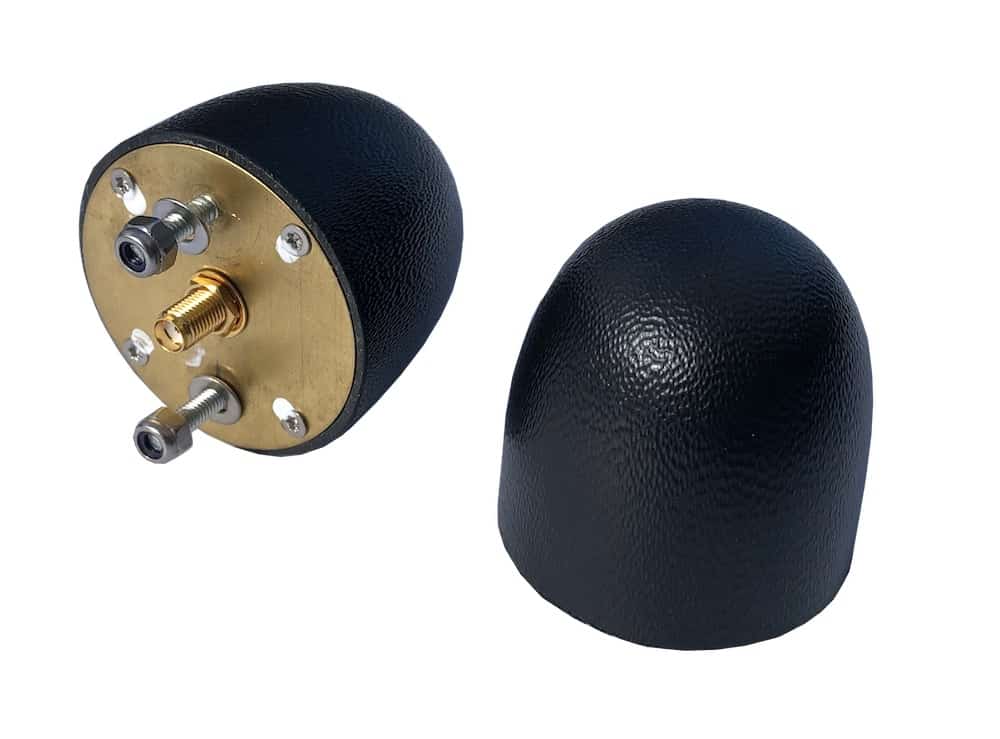
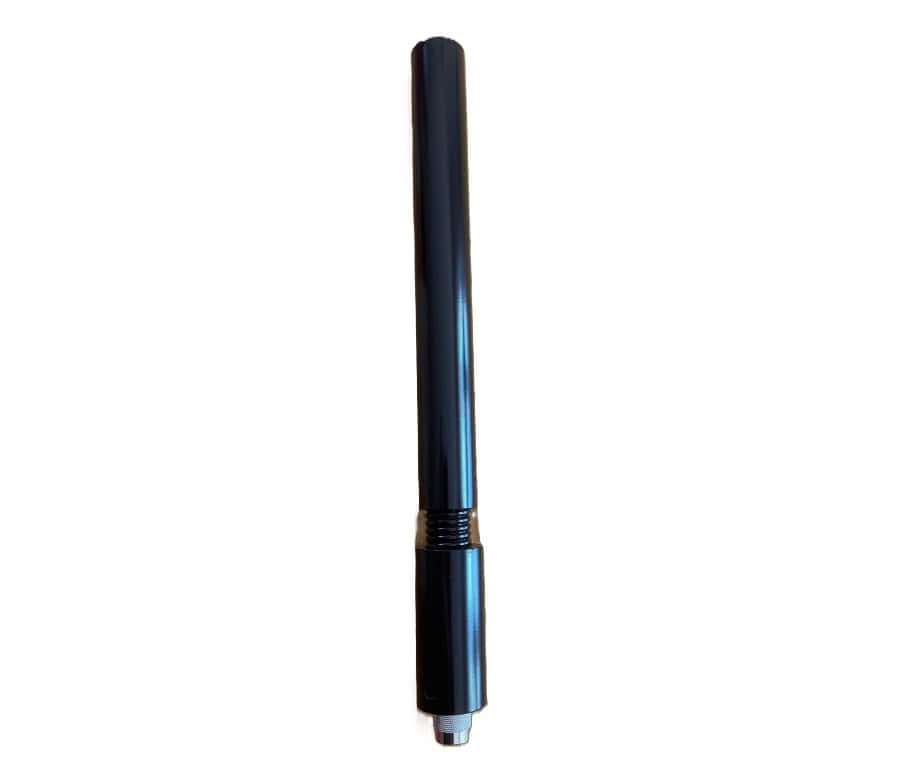
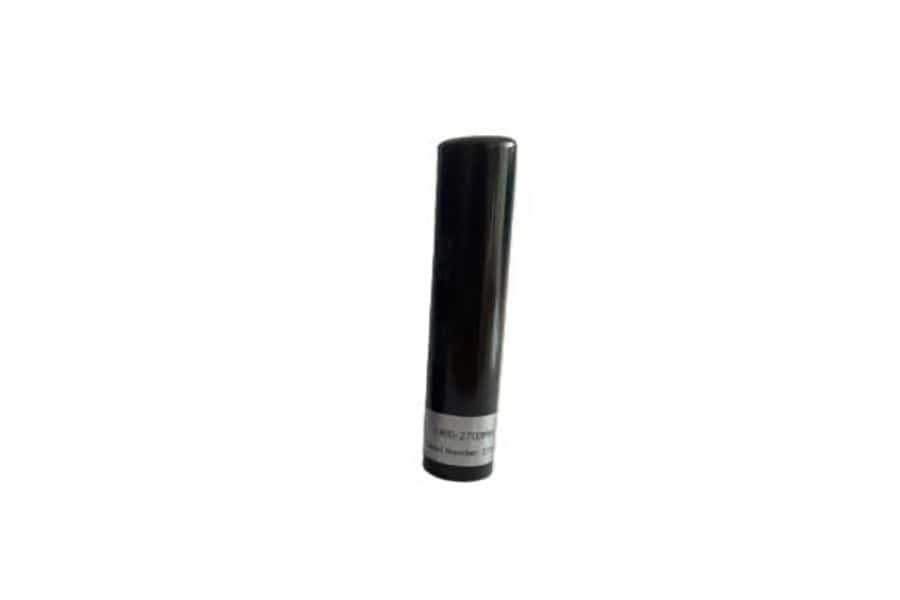
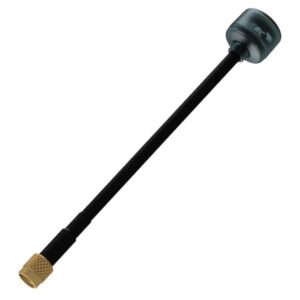
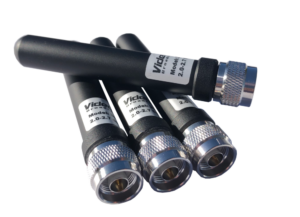
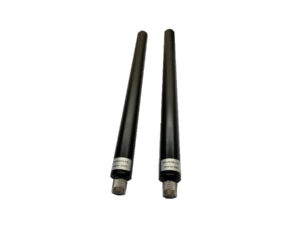
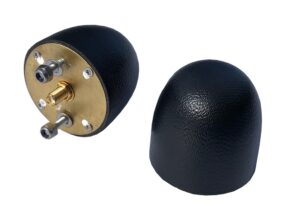
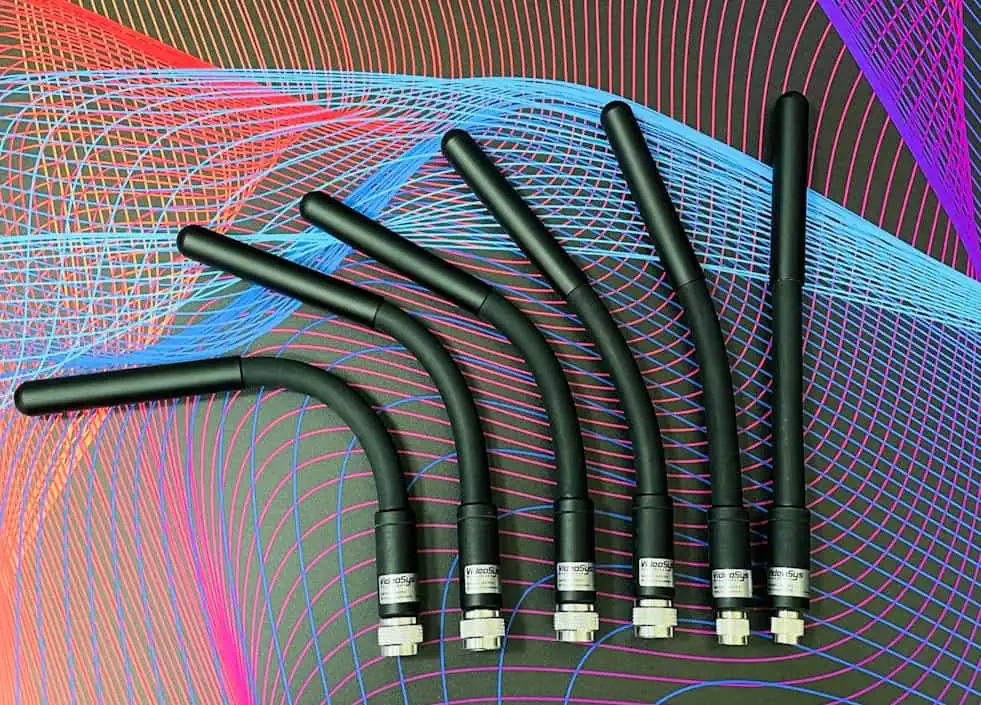
08-ANT-0956 Micro Omni Antennas by MP Antenna
While omnidirectional antennas provide coverage in all directions without the need for pointing and tracking mechanisms, and are thus relatively simple and cost effective, this comes at the expense of range and signal strength. They are also more susceptible to noise and interference, due to receiving signals from all directions.
Design
Drone omnidirectional antennas may be ruggedized in order to withstand harsh airborne conditions as well as those experienced during takeoff and landing. They may be designed with ingress protection and robust sealing against water and dust, and antennas for marine environments may feature enhanced saltwater corrosion protection. They may also be designed to withstand impact, shock and vibration, with protective enclosures, shock-absorbing structures, and springs to withstand snagging.
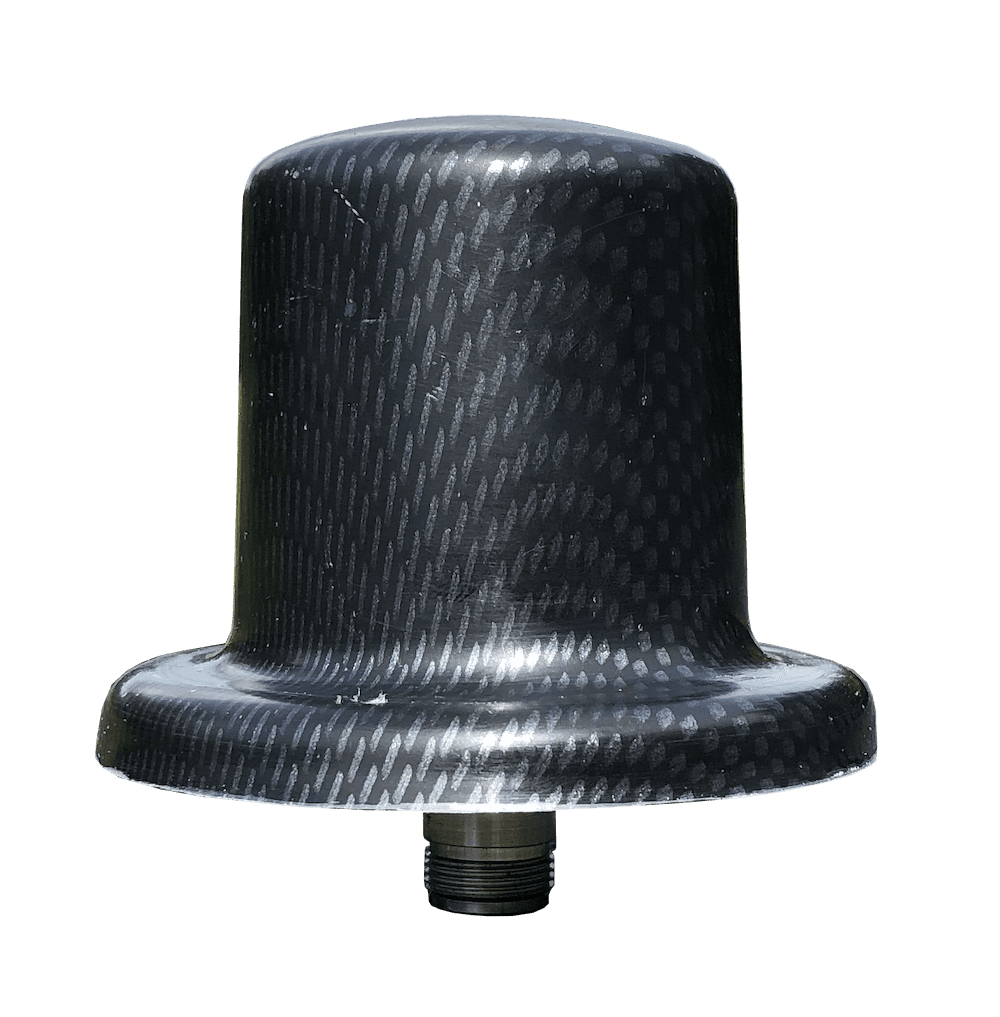
Apella Solutions explains how right-hand circularly polarized antennas improve unmanned aerial vehicle link reliability at 5 GHz by reducing polarization mismatch, mitigating multipath fading, and maintaining consistent performance during movement
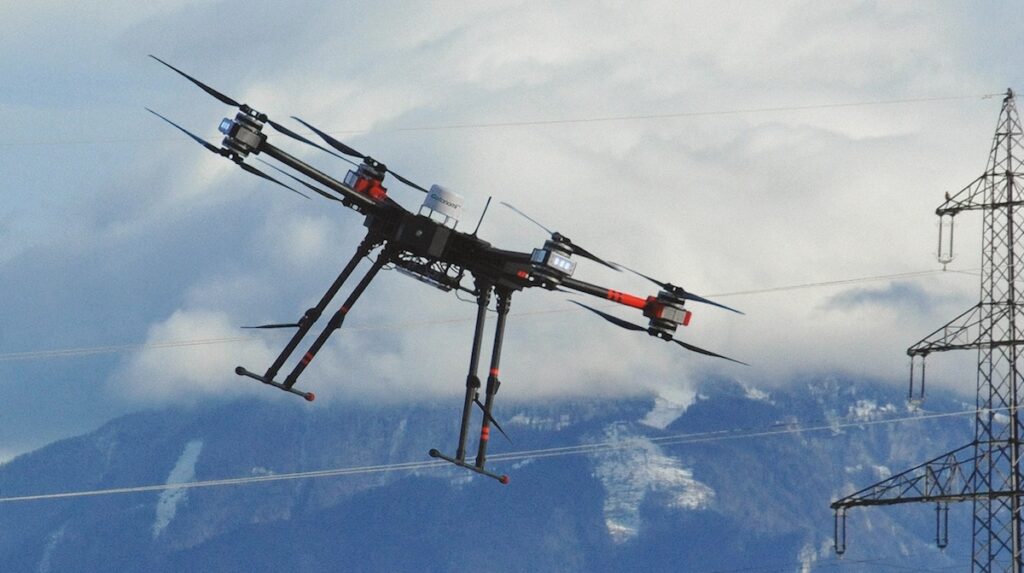
Xer Technologies and Gotonomi have partnered to equip the X8 multicopter with satellite modules for reliable command and control in remote environments
Gotonomi will demonstrate long-range beyond visual line of sight drone connectivity at XPONENTIAL Europe 2026, streaming live video and telemetry from an AIR8 drone operating in Klagenfurt, Austria, to Düsseldorf
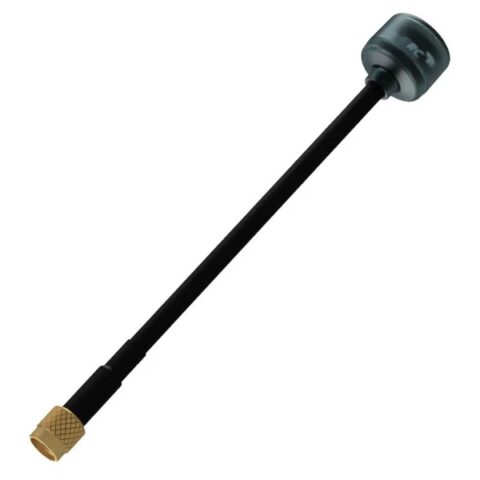
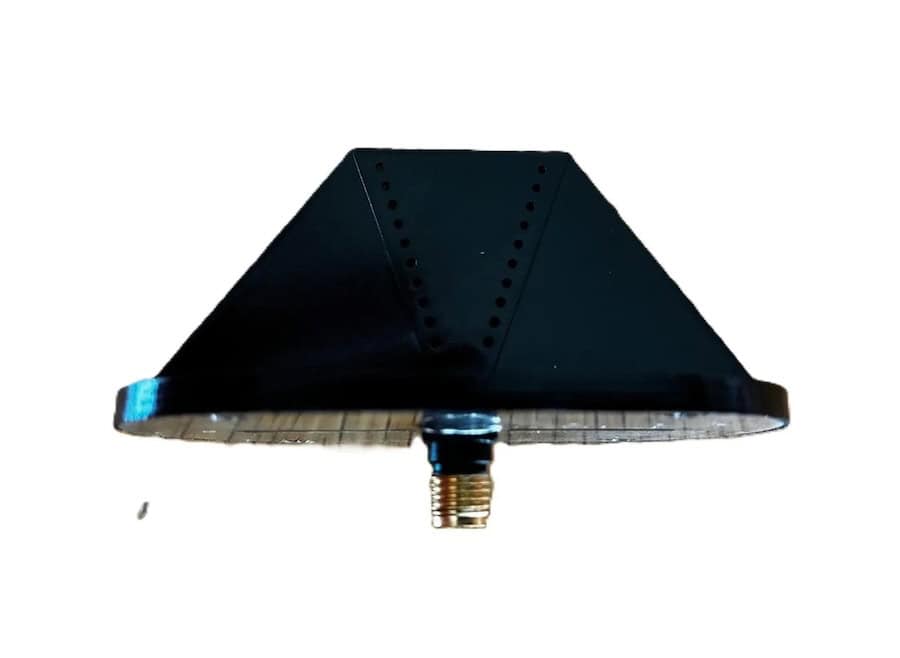
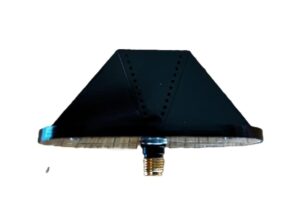
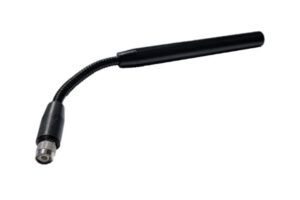
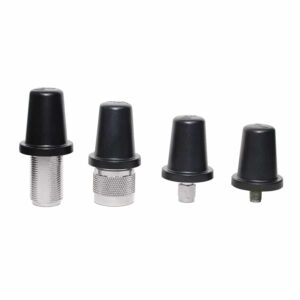
Fairview Microwave’s small form factor omni antennas are designed for high performance in extreme weather conditions and rural areas for broad coverage of wireless networking needs
The latest unmanned systems news, straight to your inbox.
Get our weekly roundup of technology developments, new products and industry news.
THANK YOU FOR SIGNING UP
Thanks for joining us. Check your inbox.
We've sent you an email. Click the confirmation link to complete your subscription to the weekly eBrief. In the meantime, explore the latest news, suppliers and technologies on UST.
Advancing Unmanned Systems Through Strategic Collaboration
UST works with major OEMs to foster collaboration and increase engagement with SMEs, to accelerate innovation and drive unmanned systems capabilities forward.