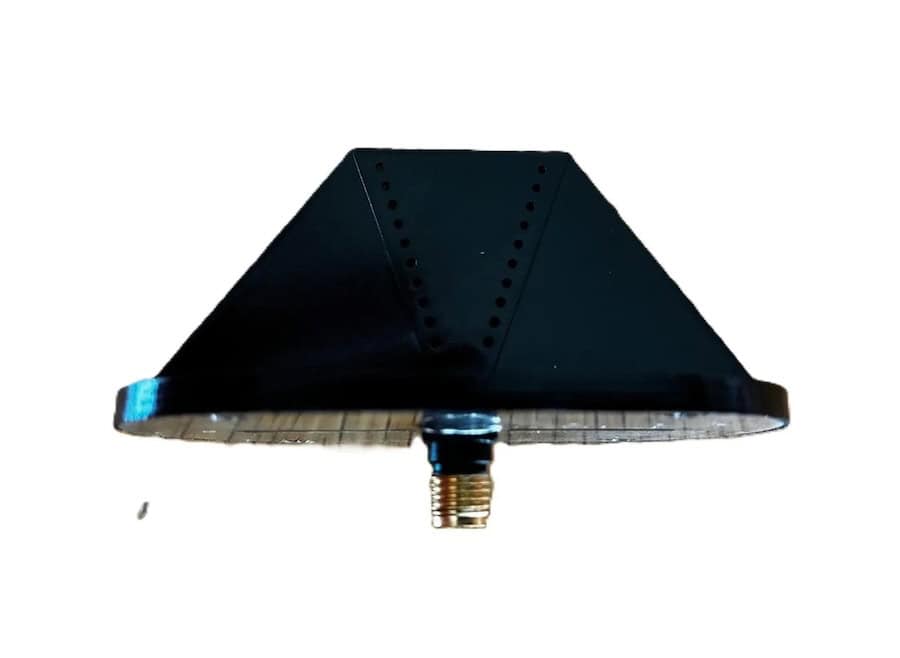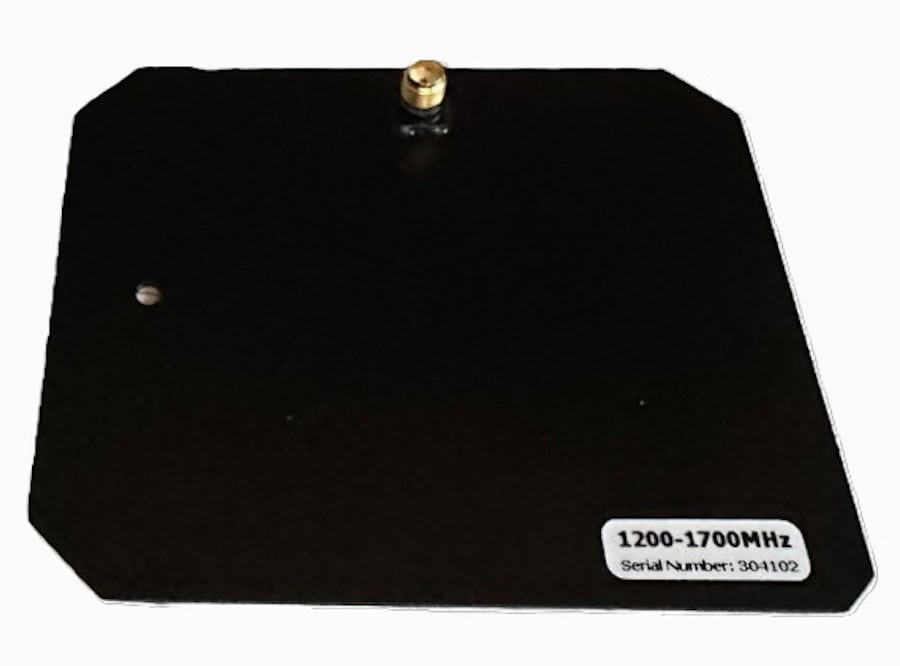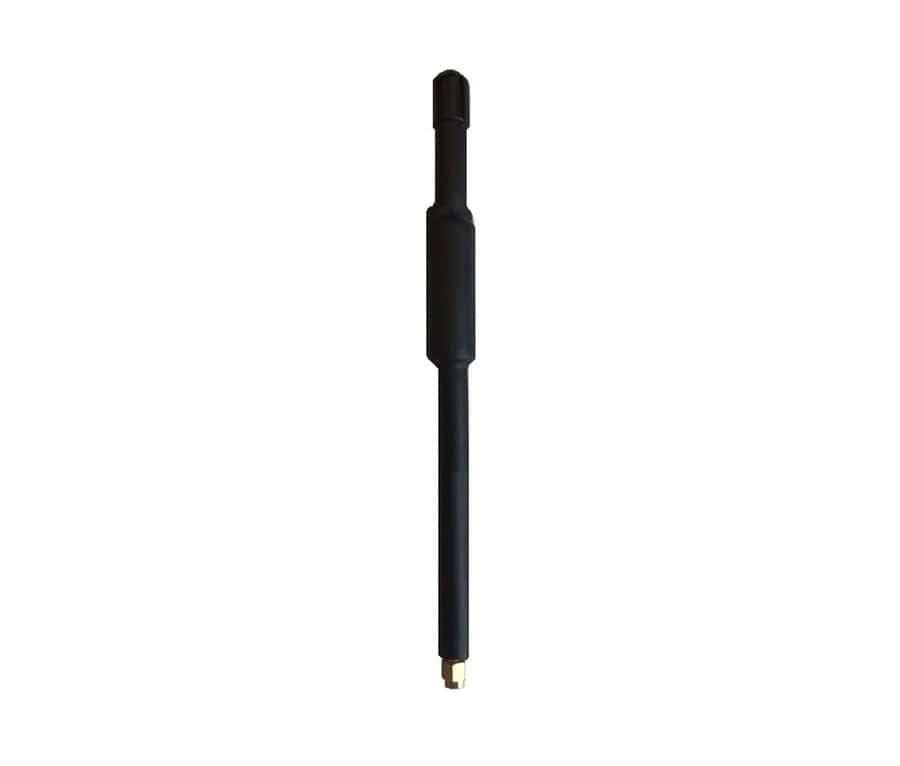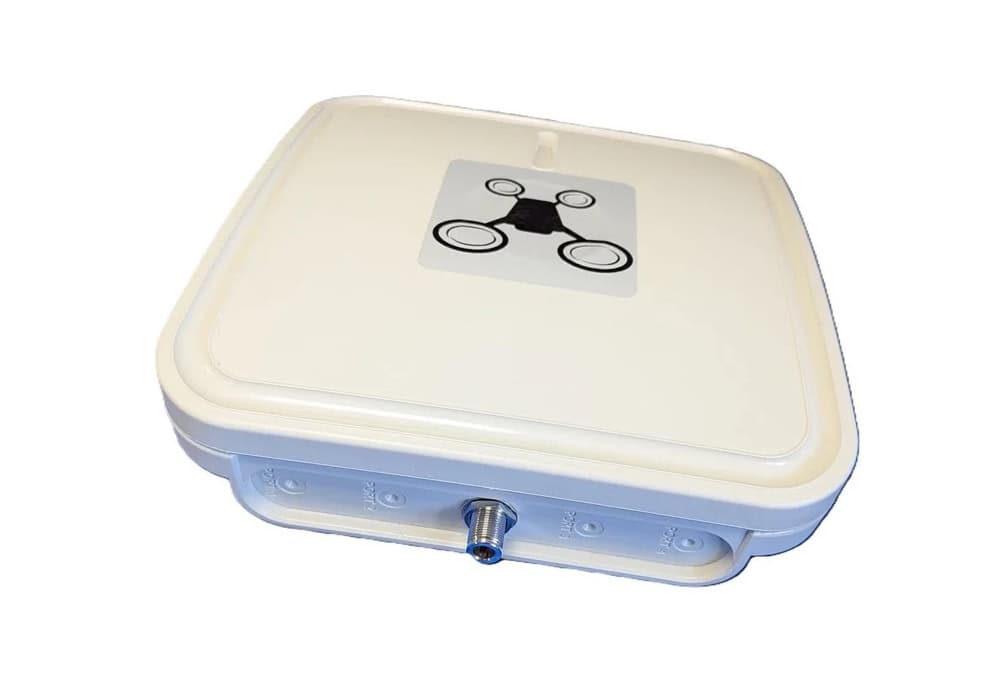
Apella Solutions examines why Right-Hand Circularly Polarized (RHCP) antennas can deliver more reliable UAV communication links, particularly in the 4.4 to 5.0 GHz band where real-world conditions introduce variability.
Unmanned Aerial Vehicles (UAVs) rarely maintain a fixed orientation in flight. Roll during turns, pitch from acceleration or braking, stabilization corrections, and wind response all introduce tilt, typically in the range of 10 to 30 degrees or more during maneuvers.
For linear antennas, increasing angular misalignment directly results in signal loss. Approximate losses include 1.25 dB at 30 degrees, 3 dB at 45 degrees, around 6 dB at 60 degrees, and a near-complete null at 90 degrees. This means link quality can shift rapidly as the aircraft moves.
RHCP antennas are not affected by rotation in the same way, enabling more consistent performance despite continuous attitude changes.
Multipath at 5 GHz
Multipath propagation is a primary driver of link instability. The receiver captures both the direct signal and reflections from the ground or surrounding features such as trees, vehicles, buildings, or terrain.
At approximately 5 GHz, with a wavelength of about 6 cm, small geometric changes produce significant phase differences. This leads to rapid signal variation, deep fades, and sudden dropouts, where a link can transition from stable to unusable in a short period.
Even in rural environments, strong ground reflections combined with limited scattering can create dominant secondary paths that contribute to destructive interference.
Reflection Behavior & Polarization
Reflected circularly polarized signals typically return with opposite handedness. An RHCP signal becomes predominantly left-hand circular polarization after reflection.
An RHCP receiver inherently reduces sensitivity to these reflected signals, limiting their impact on interference and reducing the severity of multipath fading.
The 3 dB Consideration
The often-cited 3 dB loss applies only when a linear antenna is paired with a circular antenna under ideal conditions.
In practical UAV operations, linear systems experience additional losses from misalignment and multipath, including fades that can reach 10 to 20 dB or more, as well as nulls caused by antenna pattern distortion during tilt.
RHCP systems maintain a consistent characteristic while avoiding these larger and less predictable variations.
Diversity & Directional Performance
RHCP antennas integrate effectively with diversity systems by increasing the likelihood that at least one antenna maintains a usable signal.
They also enhance directional antenna performance at 5 GHz by focusing energy toward the UAV while reducing sensitivity to reflected signals, supporting more stable links at extended distances.
Practical Configurations
Reliable configurations in the 4.4 to 5.0 GHz range use RHCP antennas on both the UAV and the ground system. A common setup includes an RHCP omnidirectional antenna on the UAV and a combination of RHCP directional and omnidirectional antennas on the ground, particularly when using diversity.
Mixed polarization setups remain viable but introduce a consistent 3 dB mismatch.
RHCP antennas improve tolerance to UAV movement, reduce the impact of multipath reflections, and provide more consistent link performance. In dynamic operating conditions, this consistency often outweighs theoretical advantages associated with linear antenna alignment.