









Showcase your capabilities
If you design, build or supply High-Capacity Batteries, create a profile to showcase your capabilities and connect with visitors who have an active requirement for your solutions.




High-capacity batteries are energy storage systems designed to support long-endurance drones and robotics platforms where power availability directly defines mission capability. In unmanned systems, these batteries enable extended flight times, heavier payloads, and persistent ground or marine operations by maximizing usable energy within practical SWaP limits.
This page showcases high-capacity battery suppliers for fixed-wing UAVs, VTOL platforms, UGVs, and autonomous marine vehicles, delivering high energy density, discharge rates, and voltage to match specific mission profiles.
Read the Technology Overview





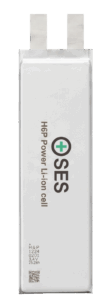
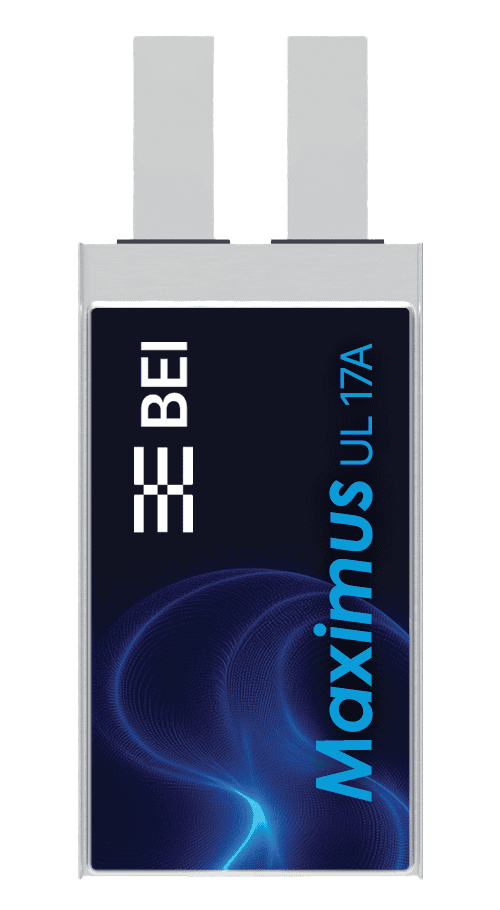
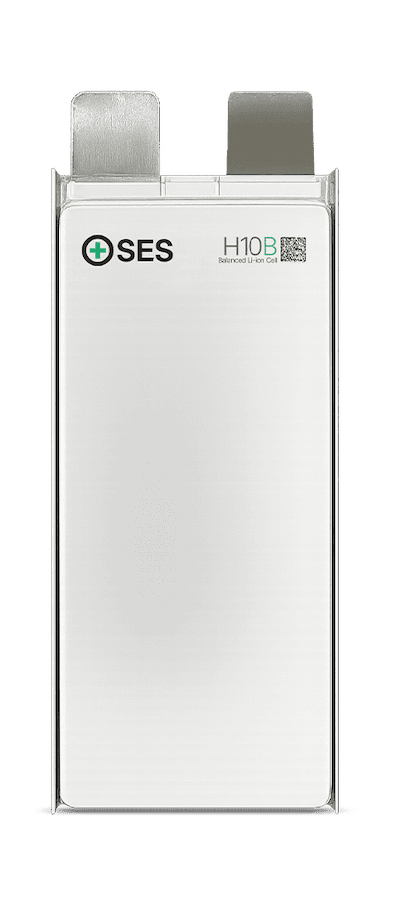
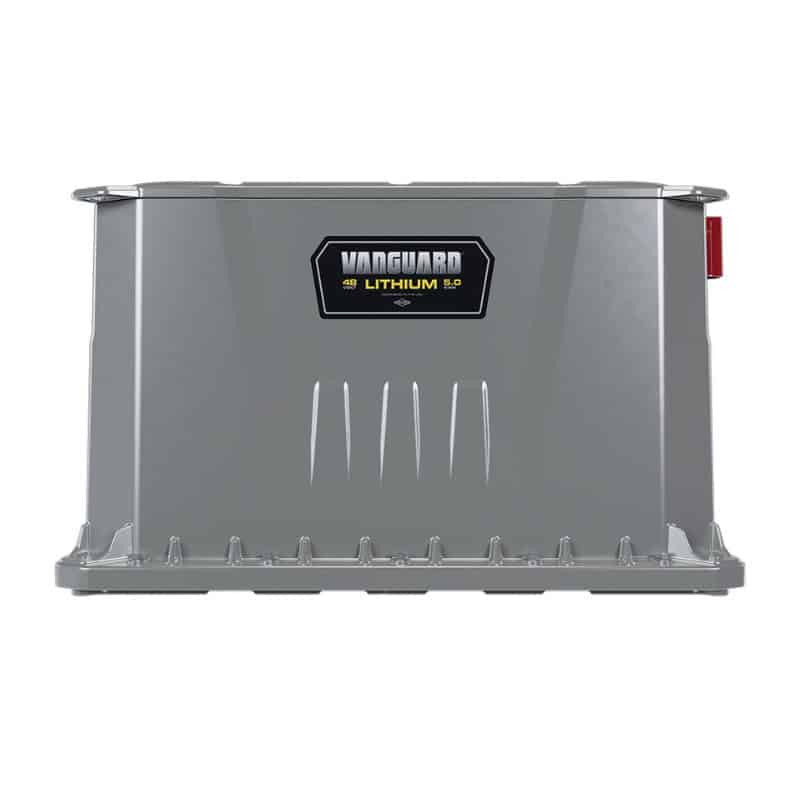
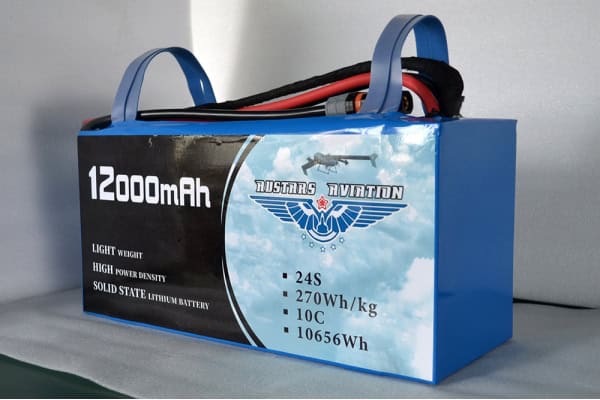
Innovative Battery Technologies | High-Performance Battery Packs for Drones & Unmanned Systems

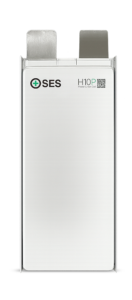
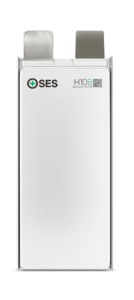
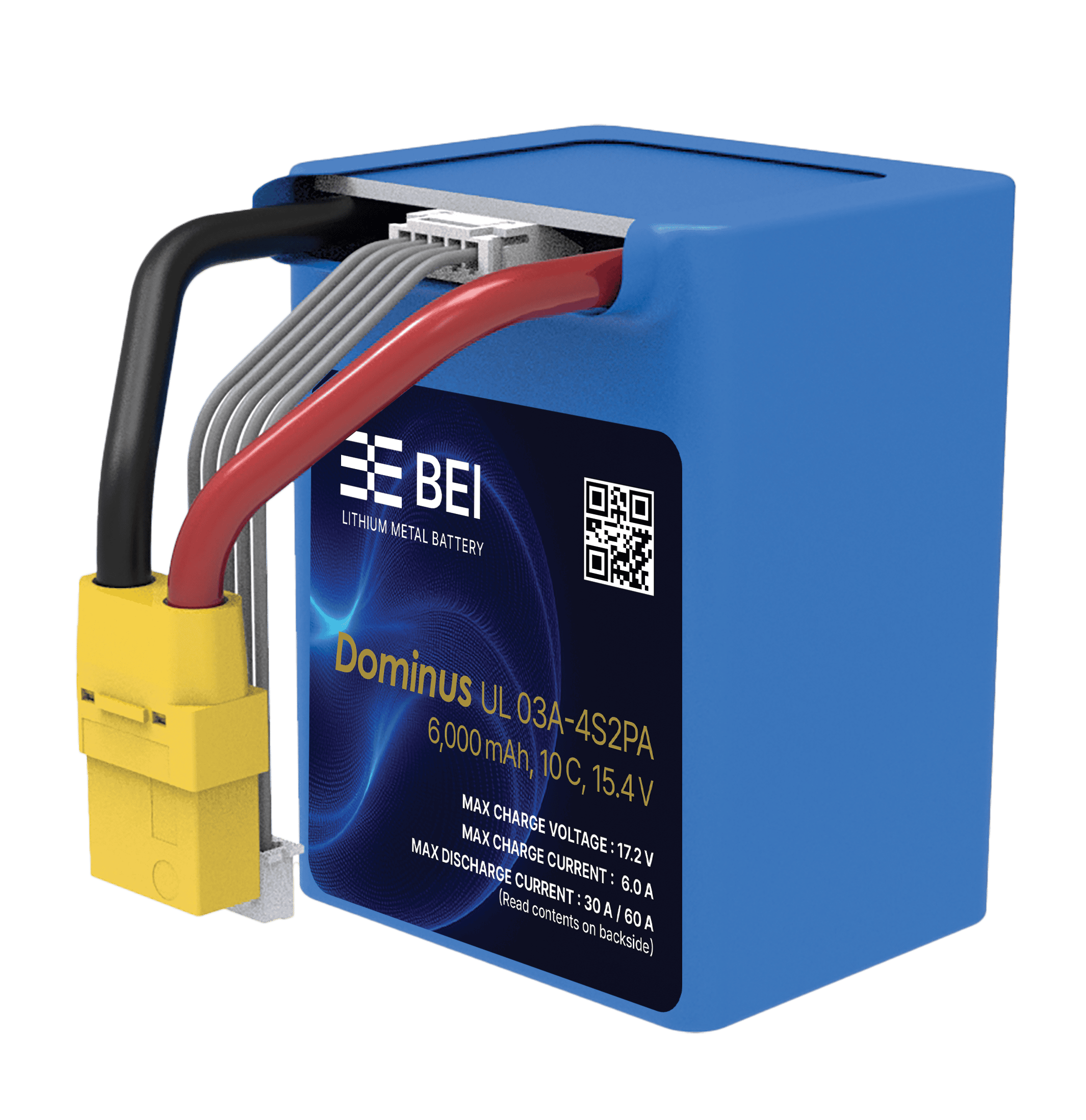
AI-Enhanced, NDAA-compliant High-Energy Density Batteries for Drones & Unmanned Systems

Advanced VTOL & Fixed-Wing UAVs | State-Of-The-Art Technologies for Unmanned & Autonomous Aircraft

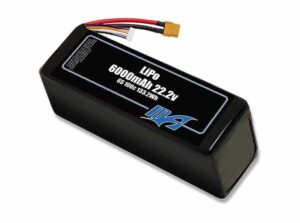
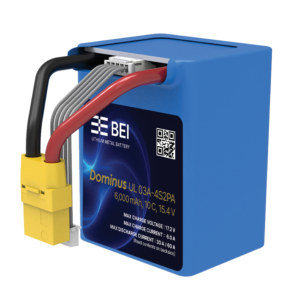
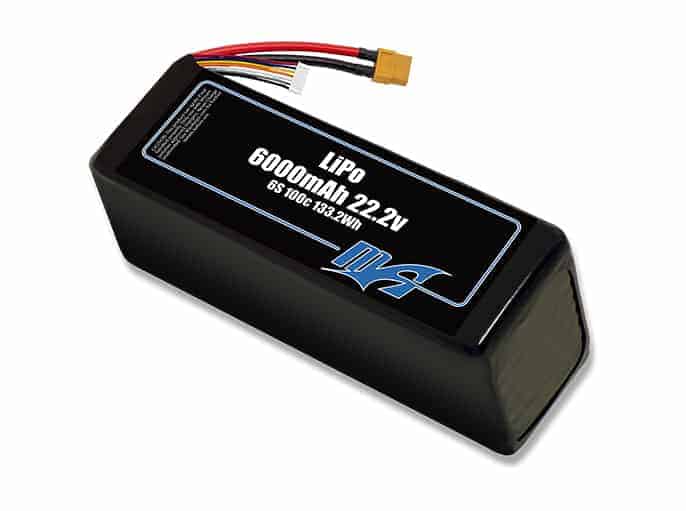
Custom Lithium Batteries for Drones & UAV - Lithium Polymer Batteries & LiPo Battery Packs

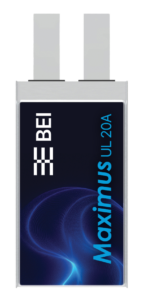
Ultra-Lightweight & High-Energy Density Lithium Battery Solutions for UAVs & Robotic Vehicles

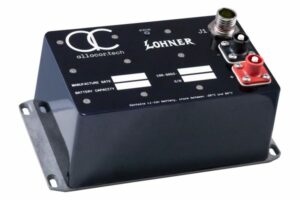
Custom & COTS Hardware & Software Solutions for Next-Generation Vehicle Systems


High-Energy Density Lithium Ion Batteries for Drones & Unmanned Systems | Nanoporous Silicon Anode Technology

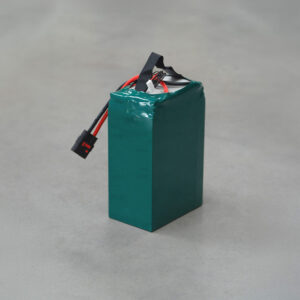
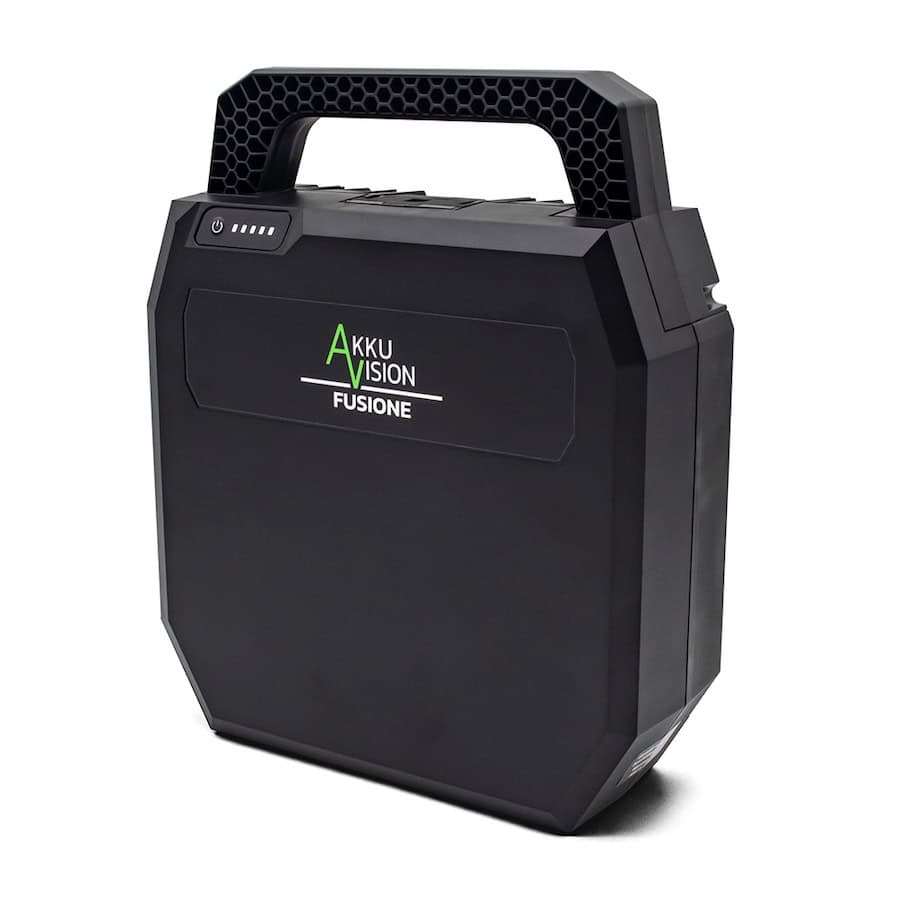
Innovative High-Energy Density Battery Solutions for UAVs and Unmanned Systems

If you design, build or supply High-Capacity Batteries, create a profile to showcase your capabilities and connect with visitors who have an active requirement for your solutions.

High-capacity batteries enable long-endurance fixed-wing UAVs, heavy-lift multirotors, and persistent ground robotics to operate for extended durations in demanding environments. In these systems, the battery functions as a primary subsystem rather than just a power source. It is the core variable that dictates mission range, time on station, and the weight of the payload the platform can successfully carry.
Because every additional watt-hour adds weight and increases thermal management burden, energy storage is the fundamental bottleneck in drone and robotics design. While high energy density lithium batteries have improved the power-to-weight ratio, designers still face a hard limit where battery mass begins to negatively impact propulsion efficiency. For engineering professionals, selecting and integrating the right high-capacity battery is often the most critical factor in meeting specific operational requirements.
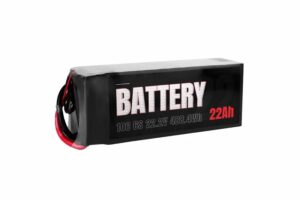
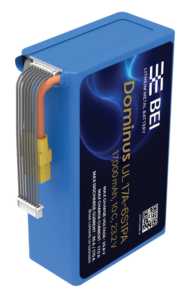
High-capacity batteries for long-range multirotor & VTOL UAS from T-Drones
A fundamental distinction must be made between battery capacity and energy or power density. In unmanned and robotic systems, batteries described as high-capacity typically refer to systems with a large amount of stored energy, which directly determines mission duration and time on station. Energy density and power density describe how that energy is packaged and delivered relative to mass or volume, rather than how much energy the system holds overall.
Within high-capacity battery systems, a trade-off exists between energy density and power density at both the cell and pack levels. High energy density batteries are optimized to store more usable energy within a given battery mass, extending endurance for platforms such as fixed-wing UAVs performing ISR missions.
Conversely, high power density batteries are engineered to deliver large currents over short durations. These are essential for VTOL platforms and legged robots that require high burst power for lift, acceleration, and maneuvering. Increasing energy density often constrains peak discharge capability, requiring engineers to select chemistries and pack designs that align with the mission’s power and endurance demands.
The C-rating dictates how quickly a battery can discharge relative to its total capacity. Professional-grade high-capacity drone batteries must support both steady-state cruise and intense burst discharge during takeoff or heavy actuation.
If discharge capability is insufficient, the system will suffer from voltage sag and thermal stress. As capacity scales, managing internal resistance and maintaining uniform current distribution becomes a significant engineering challenge.
Voltage selection is a critical decision for system efficiency. Higher voltage packs reduce the current required for a given power level, which minimizes resistive losses and allows for lighter cabling. Large UAVs and UGVs are increasingly shifting toward higher voltage classes to support high-power propulsion without the mass penalty of heavy-gauge wiring.

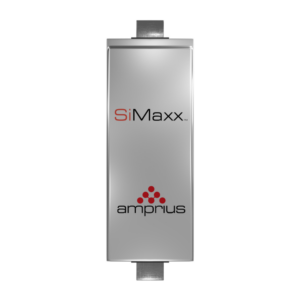
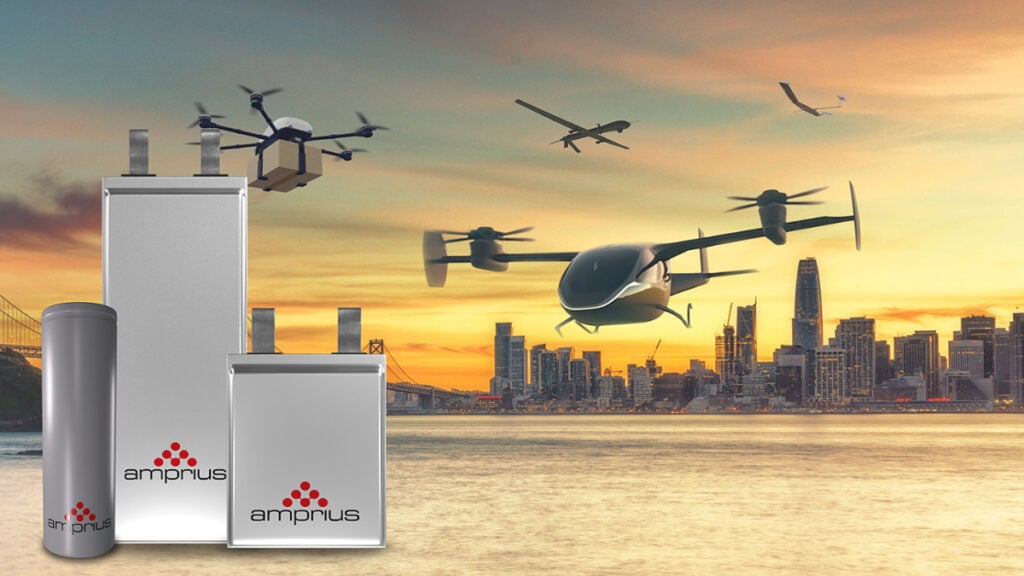
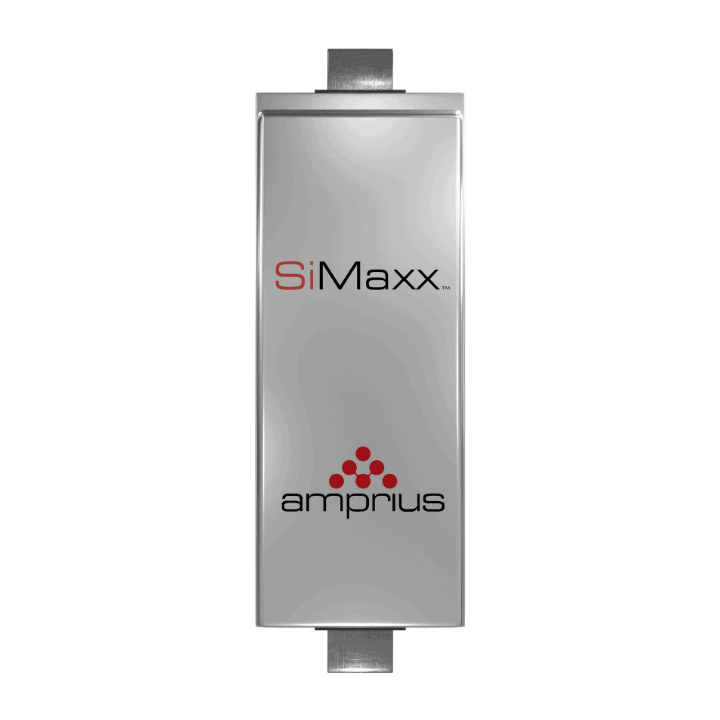
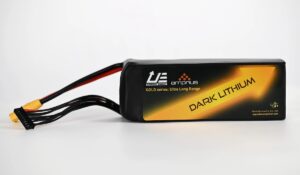
500 Wh/kg Li-Ion Battery, a high energy density battery for UAVs and eVTOL aircraft, from Amprius Technologies
Fixed-wing UAVs benefit most directly from high-capacity drone batteries, as their aerodynamic efficiency converts stored energy into endurance. These platforms often accommodate physically bigger battery packs integrated into the fuselage or wing structure.
Rotary-wing and VTOL UAVs place a premium on power density and discharge capability, particularly during takeoff and hover. While they still rely on high-capacity batteries, form factor constraints and thermal loads often limit pack size, driving the use of smaller, high-density modules rather than a single, large drone battery.
Ground robots typically employ larger and heavier battery systems than aerial platforms, as they are not constrained by lift requirements. High-capacity batteries enable long-duration patrols, logistics tasks, or remote operation without frequent recharging.
These systems experience relatively continuous load profiles, with intermittent peaks during obstacle negotiation or manipulation tasks. Large battery packs are often integrated into the UGV chassis, contributing to structural rigidity while lowering the center of gravity.
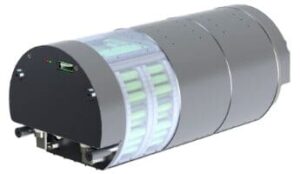
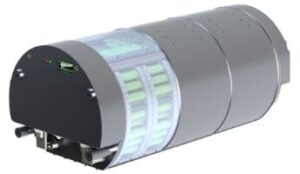
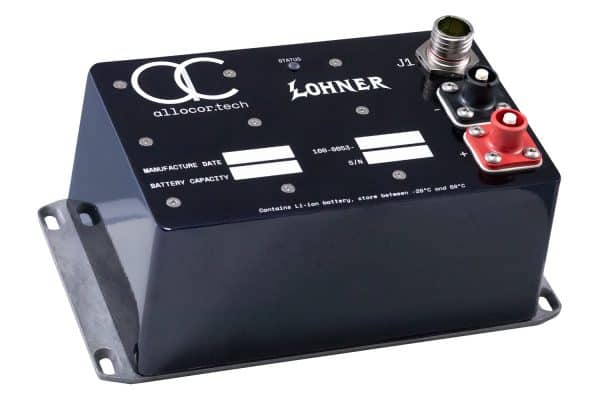
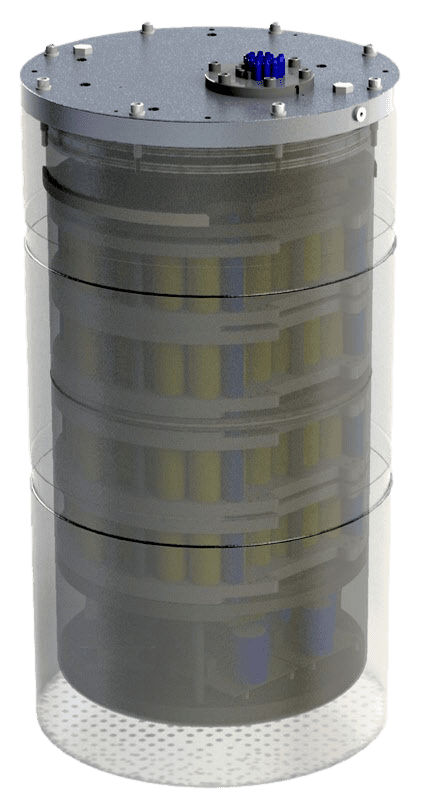
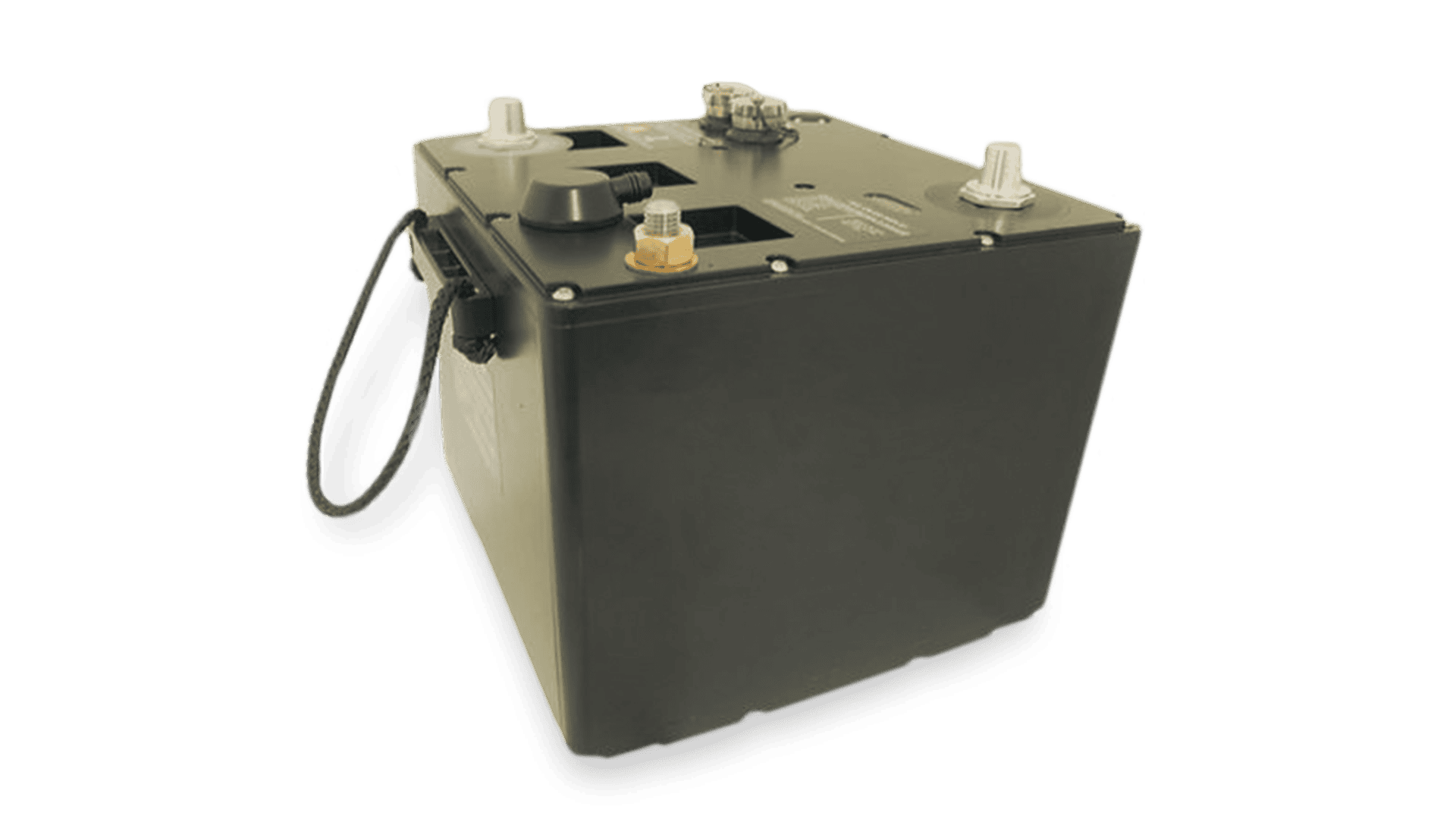
Underwater Vehicle Batteries, Smart Li-ion batteries for underwater robotics, from SubCtech
Autonomous surface and underwater platforms rely heavily on high-capacity energy storage due to limited access to recharging infrastructure. Large, high-density battery systems directly influence range, submerged endurance, and sensor operation time.
Marine environments impose additional challenges, including pressure, corrosion, and thermal dissipation in sealed enclosures. In these platforms, underwater battery size and capacity are closely tied to mission feasibility, particularly for long-duration survey or surveillance roles.
A high-density battery pack is only as strong as its weakest cell. Precise cell matching is mandatory for professional systems to prevent uneven loading and premature degradation. Rigorous characterization ensures that high-density battery packs maintain reliability over hundreds of cycles.
As energy density increases, thermal behavior becomes more volatile. While passive cooling might suffice for low-duty-cycle tasks, high-performance high-density batteries often require active thermal management. Furthermore, the mechanical housing must protect against the high-vibration environments typical of drone and robotic operations.
The relationship between battery weight and endurance is non-linear. Beyond a certain threshold, adding a large drone battery yields diminishing returns, as the increased mass requires more power just to stay airborne. In the professional sector, the lifecycle cost (including cycle life and maintenance) is a more critical metric than the initial purchase price of the high-capacity battery. Advances in battery manufacturing technology continue to improve the energy density, safety, cycle life, and discharge performance of lithium-based chemistries used across unmanned systems.
| Chemistry | Primary Benefit | Ideal Application |
| Lithium-Ion (Li-ion) | High energy density and stability | Long-endurance UAVs |
| Lithium-Polymer (LiPo) | High discharge and packaging flexibility | High-performance multirotors |
| LiFePO4 | Safety and long cycle life | Ground robots and telecom applications |
| Solid-State (Emerging) | Extreme safety and density | Future high-endurance platforms |
Fast charging improves operational availability, but it places additional stress on cells, particularly in high-capacity packs where heat generation is more difficult to manage. Elevated charge rates accelerate electrode degradation and reduce overall cycle life if not carefully controlled.Professional systems often adopt conservative charge profiles that balance turnaround time with long-term reliability. In some cases, staged charging or temperature-dependent charge limits are used to preserve battery health while still meeting operational needs.
In remote or expeditionary environments, charging infrastructure is often limited or inconsistent. High-capacity battery systems must tolerate variable input power from generators, vehicle electrical systems, or renewable sources such as solar arrays.
This places additional demands on chargers and Battery Management Systems (BMS), which must handle fluctuating voltage and frequency while maintaining safe and efficient charging. Robust input protection and power conditioning are essential to prevent damage and ensure predictable recharge times.
Battery swapping is a common strategy for maintaining high operational tempo, particularly for ground robots and certain UAV classes. For high-capacity batteries, swapping reduces downtime but introduces mechanical, electrical, and safety challenges.
Hot-swap architectures further complicate design, requiring controlled power handover, arc suppression, and fault isolation. When implemented correctly, these systems enable continuous operation without shutdown, but they demand careful coordination between battery design, power electronics, and system software.
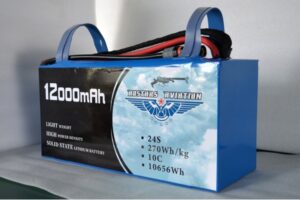
Solid-state batteries aim to replace liquid electrolytes with solid materials, improving safety and enabling higher energy densities. While commercial availability remains limited, progress in this area is closely watched due to its potential to reshape platform endurance and packaging constraints.
Advanced data analytics and machine learning techniques are increasingly applied to battery monitoring data. These approaches enable more accurate prediction of remaining useful life and adaptive power management strategies that respond to real-time operating conditions.
As sensors, autonomy, and onboard processing continue to advance, energy availability is becoming a defining competitive factor. Platforms that integrate high-capacity batteries effectively gain longer endurance, greater autonomy, and increased mission flexibility. In many cases, energy performance now determines whether a system can meet operational requirements at all.


 Searching Companies & Products