Showcase your capabilities
If you design, build or supply CRPA Antennas, create a profile to showcase your capabilities and connect with visitors who have an active requirement for your solutions.




CRPA antennas, or Controlled Reception Pattern Antennas, are designed to improve the reliability and accuracy of GPS and GNSS signals in challenging environments. These antennas dynamically adjust their reception pattern to mitigate interference and jamming, ensuring robust signal reception. By enhancing GPS and GNSS signal integrity, these antennas enable drones and autonomous vehicles to operate effectively, even in contested or signal-degraded scenarios.
Read the Technology Overview



Next-Generation CRPA-Based GNSS Anti-Jamming & Interference Mitigation Solutions for Ultra-Reliable UAV & Umanned Systems Navigation

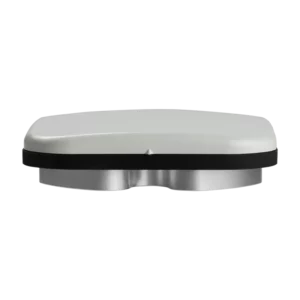
High-Precision GNSS Antennas for Position, Navigation & Timing in Drones, Robots & Autonomous Vehicles

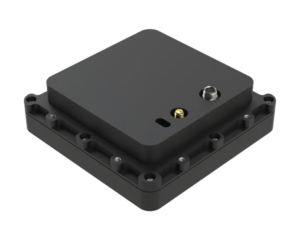
Inertial Navigation Sensors: MEMS IMU, Accelerometers, Gyroscopes, AHRS, GPS-INS & Point Cloud Generation

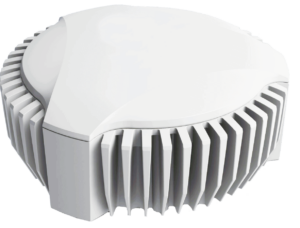
Precise Positioning for Unmanned Vehicles: GPS & GNSS Receivers, Antennas & Inertial Systems

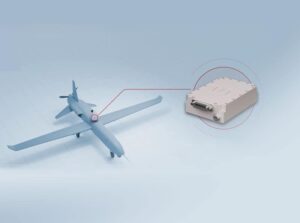
Anti-Jam GPS-GNSS Devices, Tactical Data Links, Telemetry Systems, Electronic Warfare Equipment & Flight Termination Systems

UAV Components: SAR, Radar Altimeter, Data Links, Telemetry, GNSS Products & C-UAS | Tactical USVs

If you design, build or supply CRPA Antennas, create a profile to showcase your capabilities and connect with visitors who have an active requirement for your solutions.

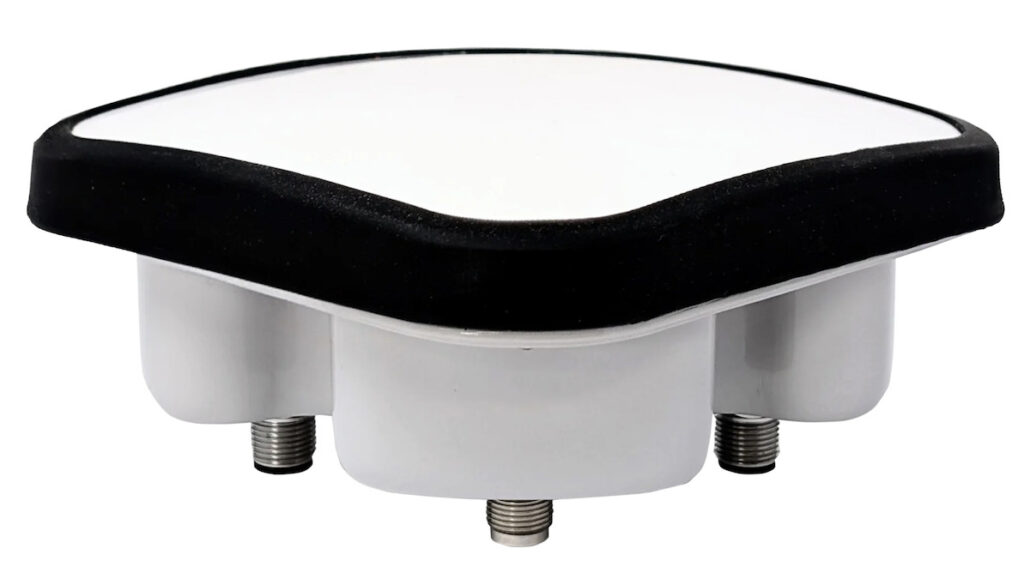
A controlled reception pattern antenna (CRPA) is a form of beam-steering antenna that is most commonly used to combat the jamming, spoofing, and interference that affects GNSS signals such as GPS, Galileo, BeiDou, GLONASS, SBAS and QZSS.

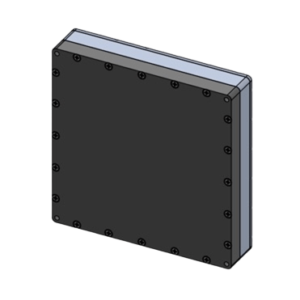
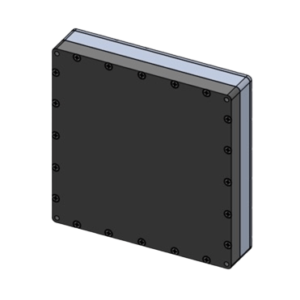
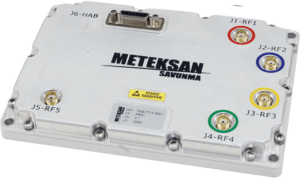
CRPA Anti-Jam System by Tualcom
These signals are used to provide PNT (position, navigation and timing) information to robotic and unmanned systems such as UAVs (unmanned aerial vehicles), UGVs (unmanned ground vehicles) and USVs (uncrewed surface vessels), and are thus critical to their operation.
Legitimate GNSS signals arrive from specific directions, as the position of satellites is known, and the direction of interference or spoofing signals can usually be quickly identified. Thus, CRPA systems use an array of individually controllable antenna elements that can be steered in real time to create a dynamic reception pattern, ensuring gain in the direction of genuine GNSS satellite signals and nulls in the direction of unwanted signals.
The antenna’s reception pattern is highly adaptable and can be changed rapidly to protect against attacks from varying directions. The number of attacks that can be neutralized simultaneously depends on the number of elements in the array. CRPA design is thus a tradeoff between size, weight, cost and capability.
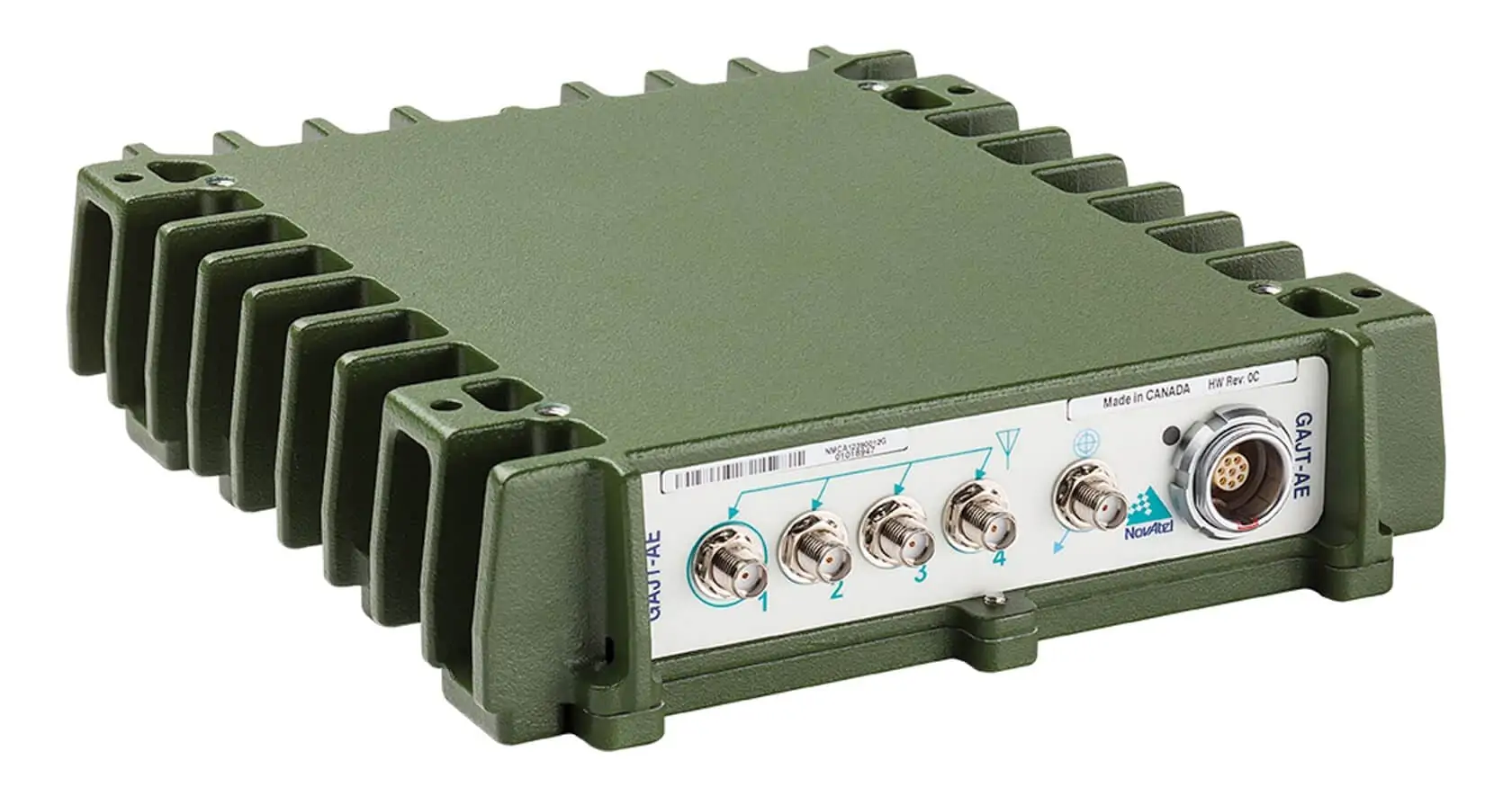
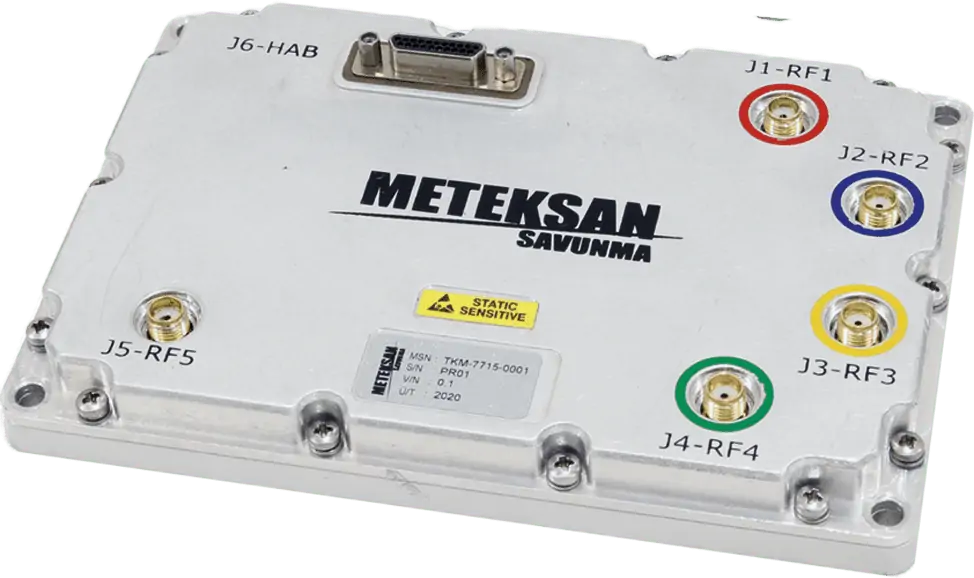
CRPA systems can often be retrofitted to existing GNSS receivers in order to provide them with anti-spoofing and anti-jamming capabilities. They are made up of the antenna element array, plus a processing and electronics unit that calculates the required radiation pattern and steering. Some systems may also utilize IMUs (inertial measurement units) or INS (inertial navigation systems) in order to enhance their effectiveness.
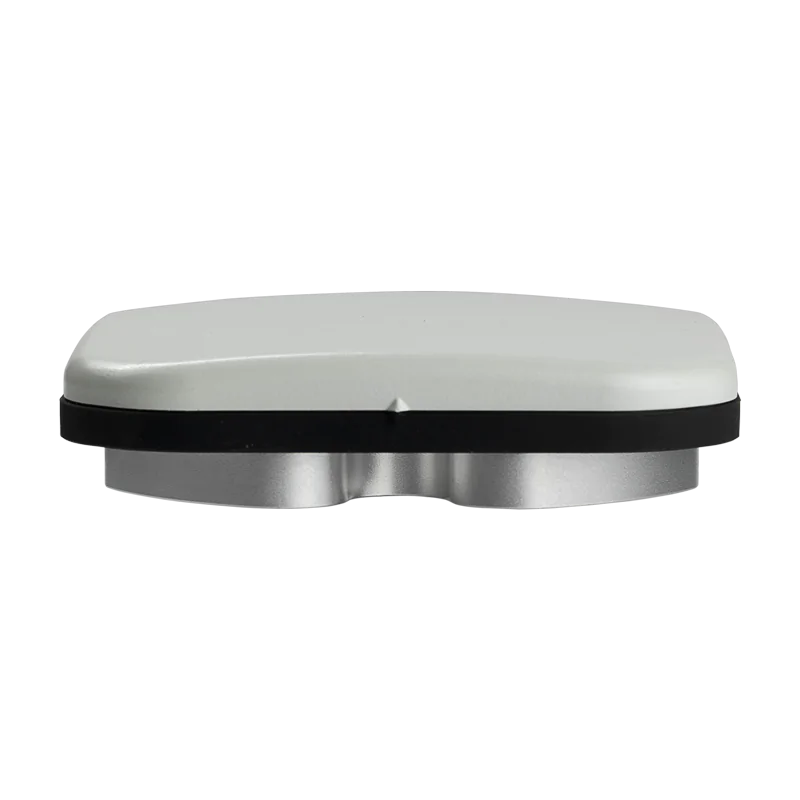
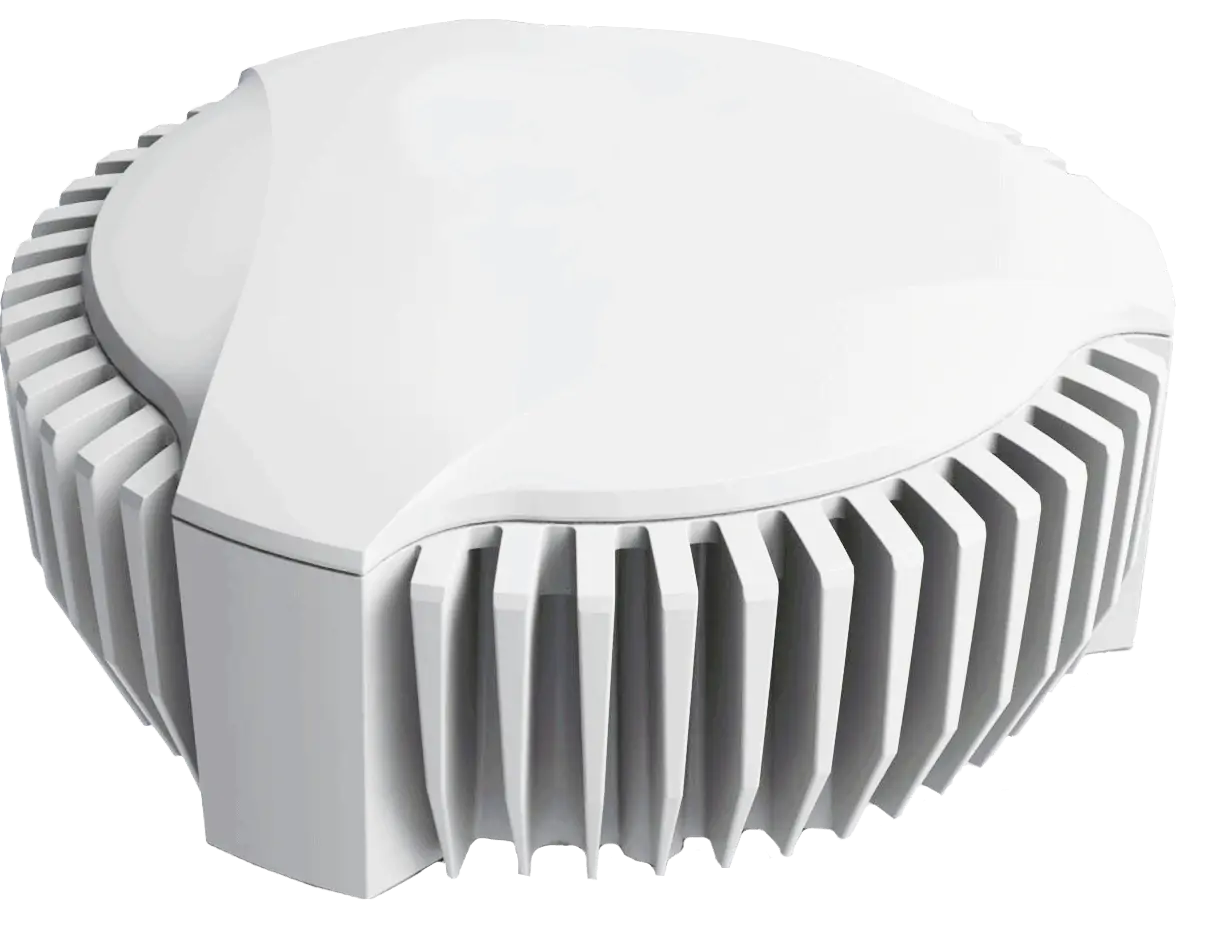
The array and electronics may be separate units, or integrated together into the same housing. The latter is more common for drone CRPA systems, as this minimizes the size and weight. CRPA enclosures may be ruggedized to standards such as MIL-STD-810 to ensure that they can withstand harsh environmental conditions.


 Searching Companies & Products


 Subscribe to the Weekly eBrief
The latest engineering and technical developments straight to your inbox - join thousands of engineers who receive it.
Subscribe to the Weekly eBrief
The latest engineering and technical developments straight to your inbox - join thousands of engineers who receive it.