Coaxial Drones
Discover cutting-edge solutions from 5 leading global suppliers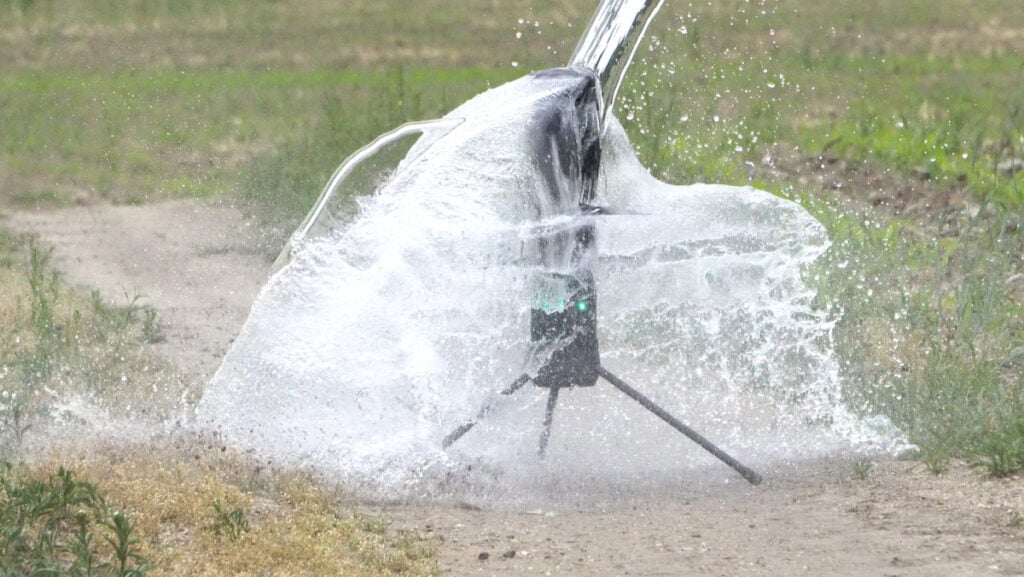
Ascent AeroSystems’ high-performance unmanned aerial vehicles (UAVs), based on unique coaxial rotor drone technology, deliver reliable operation even in the most challenging of situations.
A survey conducted across 51 U.S. cities reportedly found an average of 108 days of rainfall per year. Since many UAVs are unable to operate in wet conditions, this means UAV operators could lose around 30% of their available flight time due to rain alone.
Factoring in additional weather challenges such as strong winds and extreme temperatures, it becomes evident that mission-critical users require a more capable UAV – one that remains operational despite adverse conditions.
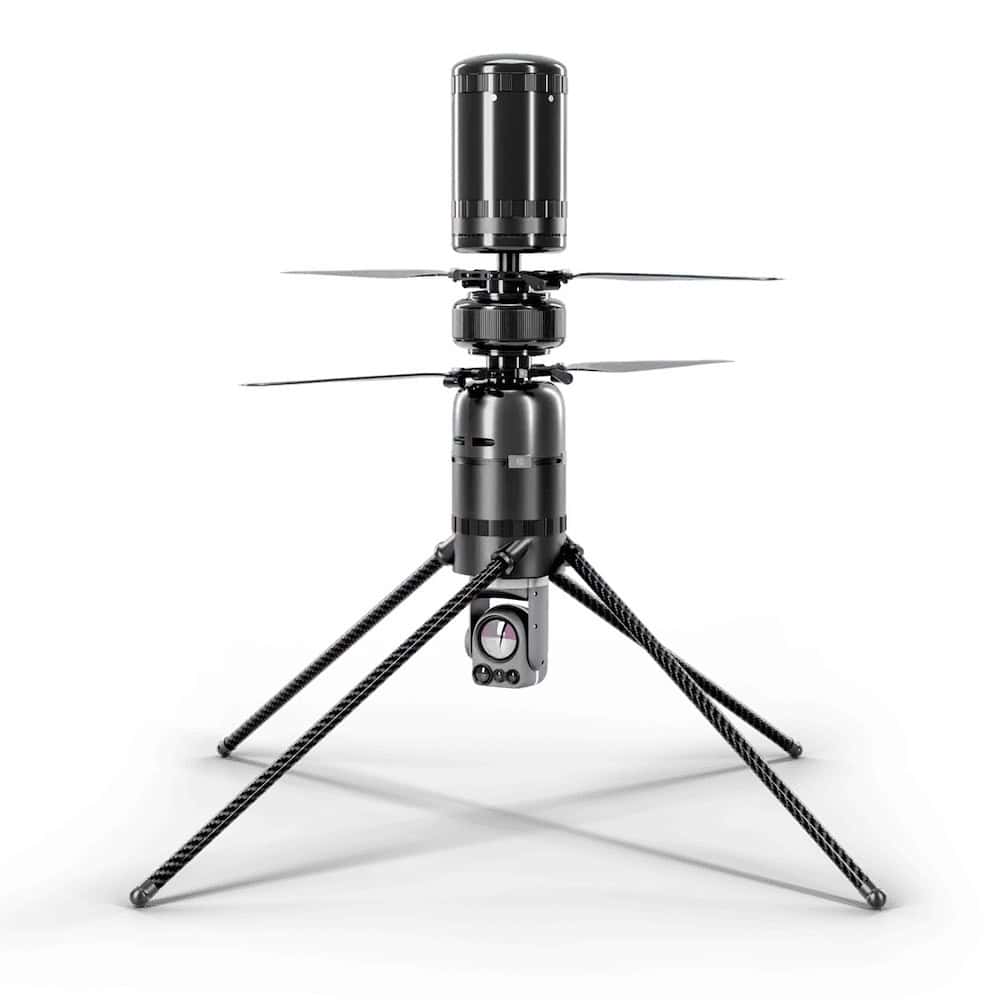
Ascent AeroSystems’ Spirit UAV is a modular, all-weather drone designed for military personnel, first responders, and industrial users. It features a high combination of ingress protection and weatherproofing, making it an optimal solution for mission-critical applications.
The airframe is built for durability, and its cylindrical shape enhances resistance to environmental contamination, allowing reliable operation in nearly all weather conditions, including heavy rain, sleet, snow, dust, and sand. Additionally, the streamlined design reduces material requirements, lowering the overall weight and enabling speeds exceeding 60 mph while maintaining stability in winds that would ground other UAVs.
Unlike the Spirit, conventional UAVs are often bulky and fragile, with restricted performance and adaptability, making them prone to damage in the demanding conditions typical of mission-critical operations. Larger UAVs in this category tend to be overly heavy, cumbersome, and difficult to deploy in tactical scenarios.
Smaller UAVs, while easier to transport, struggle in extreme weather, significantly reducing mission readiness. They also offer minimal payload capacity and limited options for upgrading or integrating new sensors.
Ascent is advancing UAV technology with Spirit, ensuring operators have access to the tools they need, precisely when and how they need them.