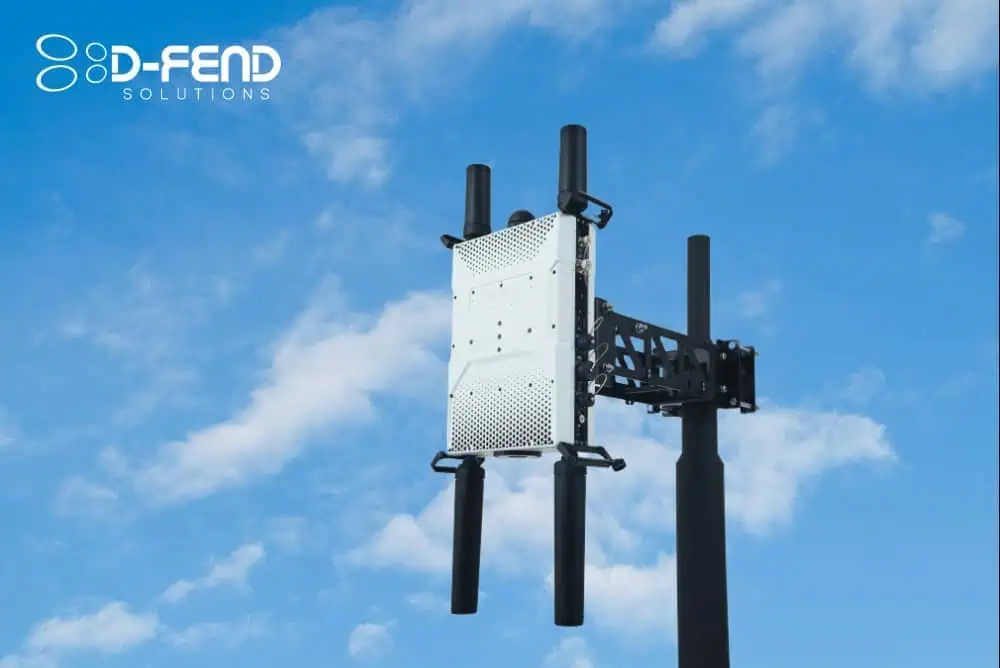
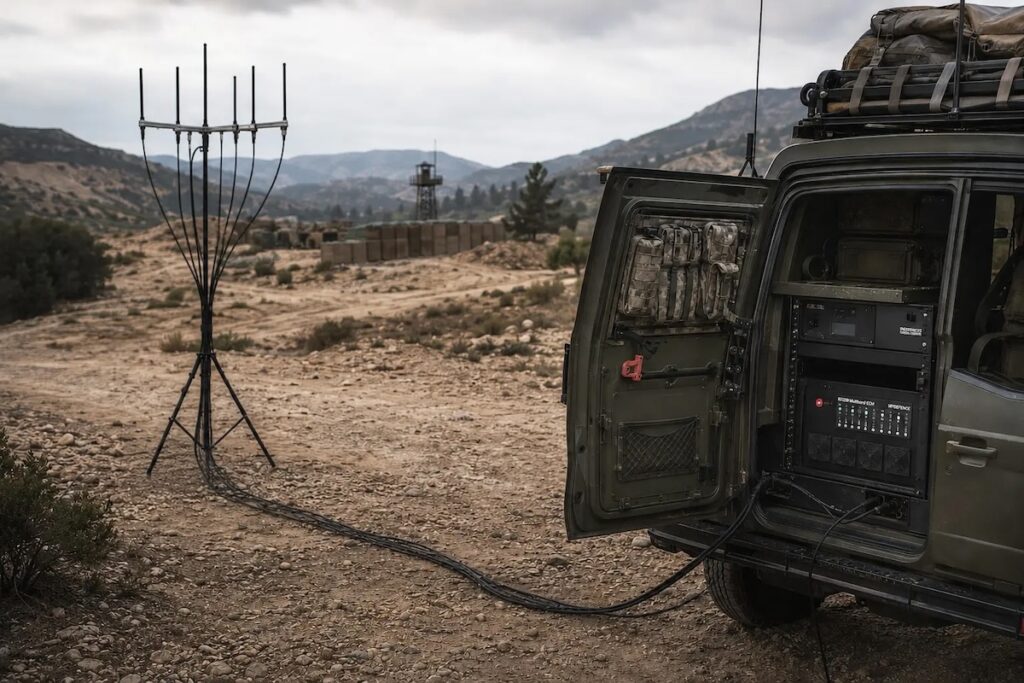
Drone mitigation systems are counter-UAS response technologies used to stop, redirect, capture, disable, or defeat unauthorized drones following detection and threat assessment. Integrated with sensors, command-and-control software, operators, and effectors, these systems support layered protection for military bases, airports, critical infrastructure, maritime assets, borders, and public events.
This page features suppliers of drone mitigation technology, offering GNSS jamming or spoofing, protocol exploitation, interceptor drones, net capture, and directed-energy effects.
If you design, build or supply Drone Mitigation Systems, create a profile to showcase your capabilities and connect with visitors who have an active requirement for your solutions.
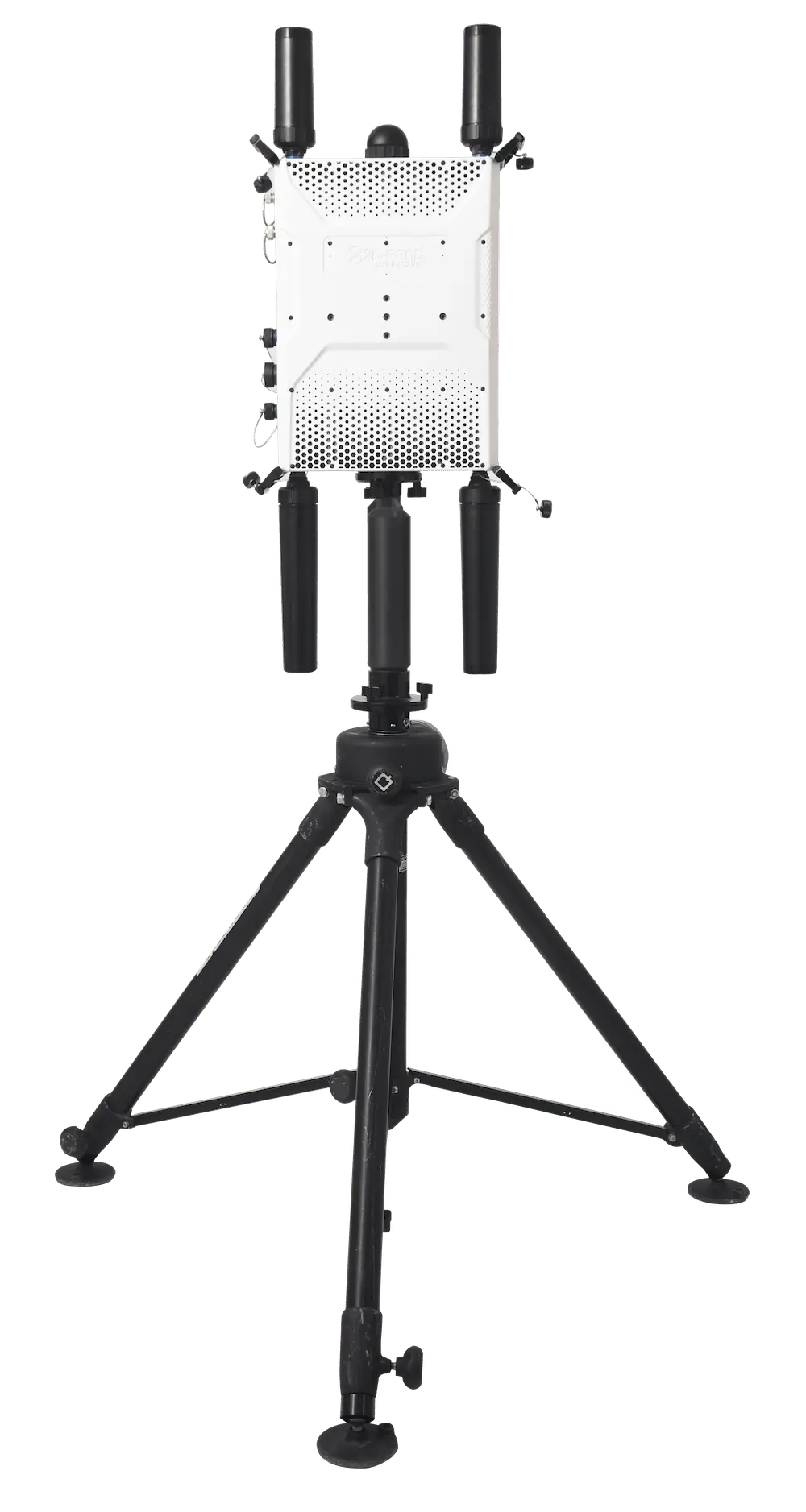
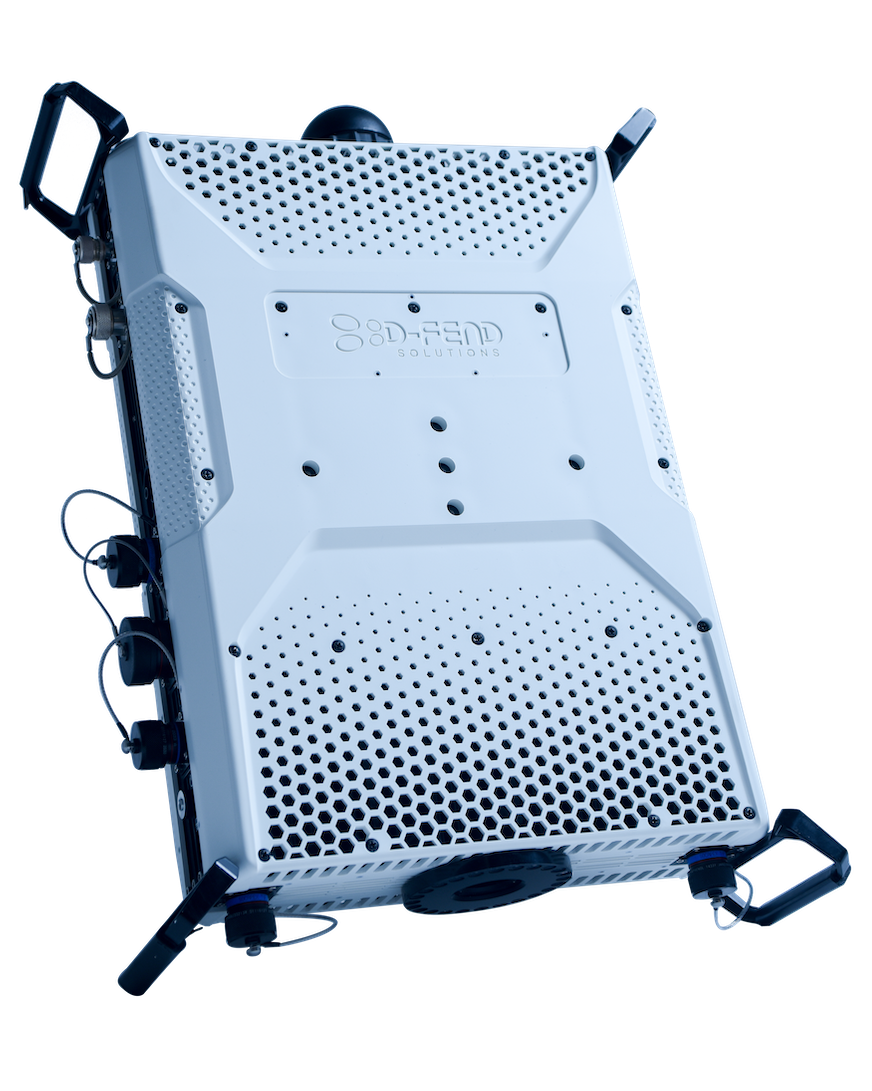
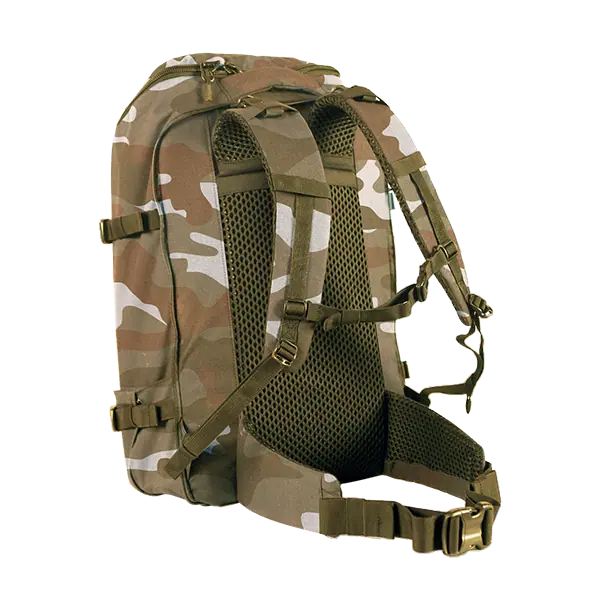
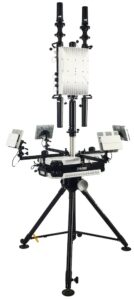
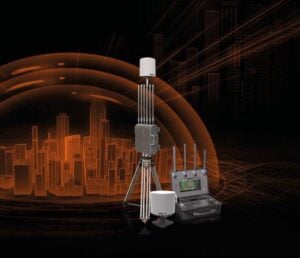
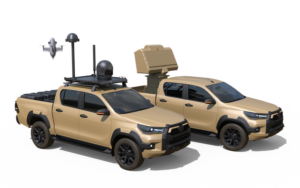
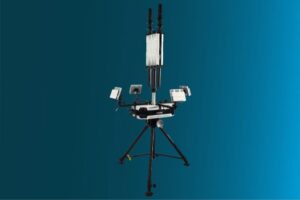
Rapid-setup, tripod-mounted deployment kit for mobile counter-drone defense
Rapid-setup, tripod-mounted deployment kit for mobile counter-drone defense
...tripod-mounted system integrates RF-cyber takeover technology with auto-calibrating radar and... ...rtability, the system includes lightweight transport cases, a robust, tool-free tripod assembly, and...
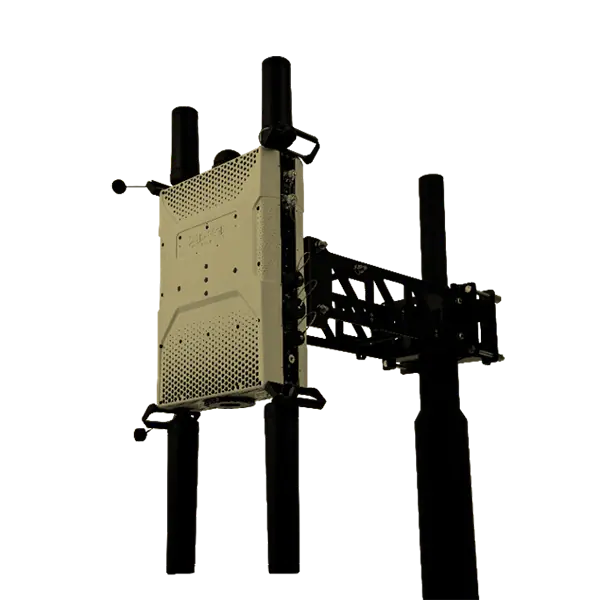
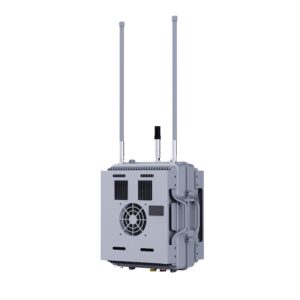
Cyber-driven, AI-powered counter-drone system for sensitive airspace protection
Cyber-driven, AI-powered counter-drone system for sensitive airspace protection
...ed counter-UAS system engineered for rapid deployment and escalating defense in complex... ...nd intelligent mitigation suggestions through a single, intuitive interface. The cyber-first...
Counter-Drone Protection for Naval & Maritime Operations
Counter-Drone Protection for Naval & Maritime Operations
...ed air defense systems. The system is fully operational at Technology Readiness Level 9 (TRL9) in... ...uptive counter-drone protection, it ensures vessels, ports, cargo, crew, and critical navigation...
Full-constellation GNSS spoofing & drone redirection system
Full-constellation GNSS spoofing & drone redirection system
... GNSS spoofing system engineered to misguide or redirect unauthorized drones by injecting... ...st approaching drone threats. High-resolution navigation injection enables smooth and convincing...
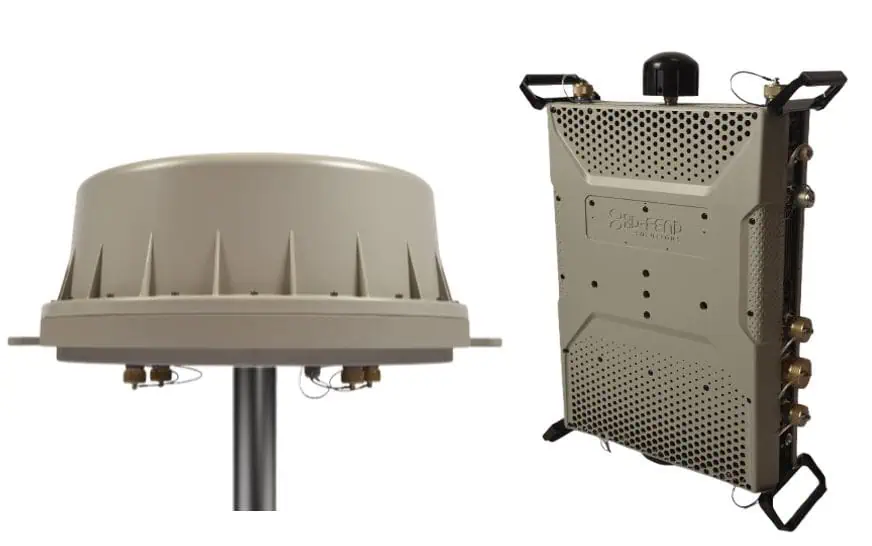
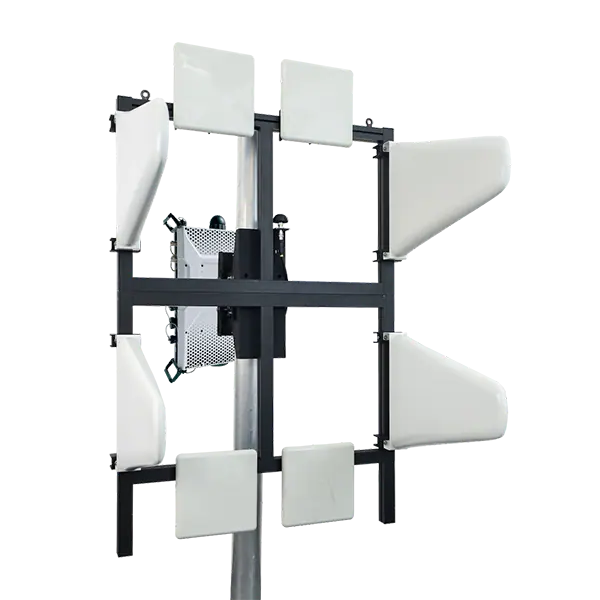
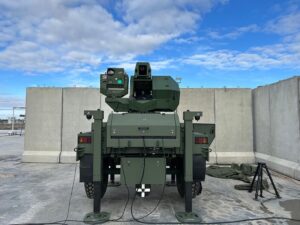
Protocol-level drone take-over & electronic intervention system
Protocol-level drone take-over & electronic intervention system
...el counter-UAS system that enables authorized operators to assume control of unauthorized drones... ...d BETAFPV, the system offers two response modes: controlled flight take-over and forced propeller...
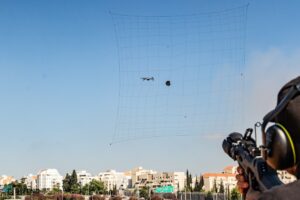
Counter-UAS net launchers for civilian & military environments
Counter-UAS net launchers for civilian & military environments
...ir counter-UAS systems provide an effective multi-layered and three-dimensional soft-hard kill... ...ets, DefendAir systems are non-explosive, making them safe for use in urban environments. The...
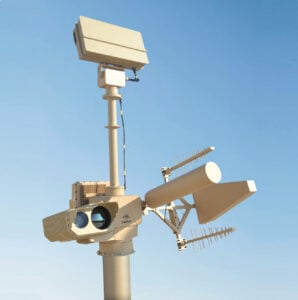
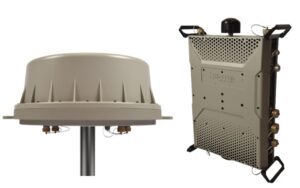
...kyner range of drone detection and jamming systems provides scalable counter-UAS capabilities that... ... tools, Skyner systems are engineered to perform reliably in demanding defense, public security, and...
The Specifiers Guide to Drone Mitigation Technology & Systems
Overview by
William Mackenzie
Updated:
Introduction to Drone Mitigation Systems
Drone mitigation systems are designed to stop, redirect, capture, disable, or destroy unauthorized unmanned aircraft after a threat has been detected and assessed. They form the response layer within a broader counter-UAS architecture, linking sensors, command-and-control software, operators, and effectors.
No single drone mitigation technology is suitable for every target or operating environment. Effective drone threat mitigation depends on aircraft behavior, control method, navigation resilience, surrounding airspace, collateral risk, and legal authority. Layered drone mitigation solutions therefore combine different effects so operators can select a proportionate response for each incident. Counter-drone technologies are commonly divided into detection and mitigation functions.
Key Types of Drone Mitigation Methods
Command-and-Control Link Disruption
Command-and-control link disruption transmits interference against the radio frequencies used by a drone and its operator. A compatible electronic drone mitigation system may interrupt piloting commands, telemetry, or video transmission, causing the aircraft to hover, land, return, or follow its failsafe logic. The outcome is platform-dependent, and indiscriminate interference can affect legitimate communications nearby.
GNSS Jamming and Spoofing
GNSS jamming prevents a receiver from obtaining usable satellite navigation signals, while spoofing presents misleading positioning or timing data. These methods can degrade navigation-dependent flight, geofencing, or return-to-home functions, but they may have limited effect on drones using inertial, visual, terrain-referenced, or preprogrammed navigation. Deployment requires tightly controlled procedures because other aircraft and infrastructure may also depend on GNSS.
Protocol Exploitation and Drone Cyber Takeover
Protocol exploitation targets weaknesses or supported functions within a drone’s communications architecture. Where the aircraft and protocol are compatible, an authorized system may assume control, redirect the drone, command a landing, or provide alternative flight instructions. This method can support controlled recovery, but it is not universally effective and requires strong cybersecurity. Taking control and providing alternate flight instructions are recognized forms of UAS mitigation.
Interceptor Drones
Interceptor drones pursue a target aircraft and defeat it through collision, entanglement, capture, or another onboard effect. They can extend coverage and may defeat autonomous drones that do not depend on vulnerable radio links. Performance depends on launch readiness, speed, endurance, guidance accuracy, target identification, and safe separation from friendly aircraft.
Net Capture Systems
Net capture systems physically entangle a drone’s propellers or airframe. Nets may be launched from the ground or carried by an interceptor drone. This approach can preserve the aircraft for inspection and reduce the need for destructive force, although range, target speed, engagement geometry, and the risk of an uncontrolled descent remain important constraints.
Laser Directed-Energy Systems
Laser directed-energy systems focus optical energy on a drone to damage sensors, propulsion components, batteries, control surfaces, or structural elements. They offer rapid engagement while sufficient power and thermal capacity are available. Their effectiveness is influenced by range, beam stability, target dwell time, atmospheric conditions, obscurants, and line of sight. Fog and storms can reduce laser performance, and operational use requires rigorous airspace and safety controls.
Core Applications of Drone Mitigation Systems
Military Bases and Deployed Forces
Military users employ drone mitigation systems to protect personnel, command posts, logistics areas, airfields, sensors, and high-value equipment. Fixed installations may use layered effectors, while deployed forces require mobile, rugged systems. Electronic and physical options are complementary against varied control and navigation methods.
Airports and Aviation Facilities
Drone mitigation at airports requires exceptional control because responses can affect crewed aircraft, navigation services, communications, and airport operations. Drone mitigation for airports should therefore integrate detection, verification, air traffic coordination, law enforcement response, and clearly authorized intervention. Effective drone mitigation for aviation requires risk-based procedures, coordination, and defined authority.
Border and Coastal Surveillance
Border and coastal deployments may cover remote terrain, ports, waterways, coastlines, and moving patrol areas. Drone mitigation solutions in these environments benefit from networked sensors and mobile effectors that can respond to surveillance, smuggling, or intrusion activity without disrupting legitimate aviation or communications. Weather, terrain masking, salt exposure, and limited infrastructure influence system selection.
Naval Vessels and Maritime Installations
Naval platforms and maritime facilities must address drones approaching from multiple bearings against complex sea and shoreline backgrounds. Shipboard systems require stabilized tracking, electromagnetic compatibility, corrosion resistance, and command-system integration. Deck space, available power, topside interference, rules of engagement, and debris risk all shape the mitigation approach.
Public Events and Temporary Security Operations
Drone threat mitigation strategies for large events must support rapid deployment, dense crowds, temporary airspace restrictions, and coordination among venue security, aviation authorities, emergency services, and law enforcement. Systems should distinguish authorized media, public-safety, and event drones before intervention. Drone mitigation for law enforcement also requires clear authority, evidence preservation, and procedures for debris or displaced threats.
Critical Infrastructure Protection
Critical infrastructure includes energy, communications, transport, water, industrial, and government sites. The required drone mitigation system should reflect the facility’s threat model and the potential consequences of radio interference or physical engagement. Continuous monitoring, cybersecurity, redundant communications, and integration with perimeter-security systems support a controlled response.
Friendly recognition reduces the risk that authorized aircraft are misclassified or engaged. A drone mitigation system can combine several cooperative data sources and operational controls:
Remote Identification Data: Broadcast identity and location information can help operators correlate a detected aircraft with registration or mission data. Remote ID supports identification but does not by itself prove intent or authorization.
Authorized Drone Registries and Allow Lists: Mission schedules, aircraft identifiers, operators, and approved operating areas can be checked against live tracks.
Identification Friend or Foe Considerations: Military environments may use protected identification methods, mission data, or command-network correlation rather than relying on a single cooperative signal.
Integration with Unmanned Traffic Management Systems: Shared digital flight information can improve awareness of planned low-altitude operations. UTM is intended to support the safe and efficient integration of drones through digital information sharing.
These measures work best when fused with independent sensor tracks and human verification, since cooperative identifiers may be absent, incorrect, or deliberately imitated.
Emerging Drone Mitigation Technologies
Development is focused on faster classification, greater autonomy, improved performance against non-cooperative drones, and reduced operator workload. Important areas include:
AI for Sensor Fusion and Classification: Machine learning can correlate radar, radio frequency, electro-optical, infrared, and acoustic data to prioritize tracks and reduce nuisance alerts.
Autonomous Interceptor Drones: Improved onboard perception and guidance may allow interceptors to pursue maneuvering targets with less continuous operator input.
Counter-Autonomy and Navigation-System Defeat: New drone mitigation technology is being developed to address aircraft that continue operating without conventional control links or GNSS.
Passive and Low-Signature Detection Networks: Distributed RF, acoustic, and optical sensors can improve coverage without producing prominent emissions.
Future drone mitigation systems are likely to remain layered rather than relying on a single effect. The challenge is to connect reliable identification, proportionate response, airspace safety, and adaptable technology within one controlled operational architecture.
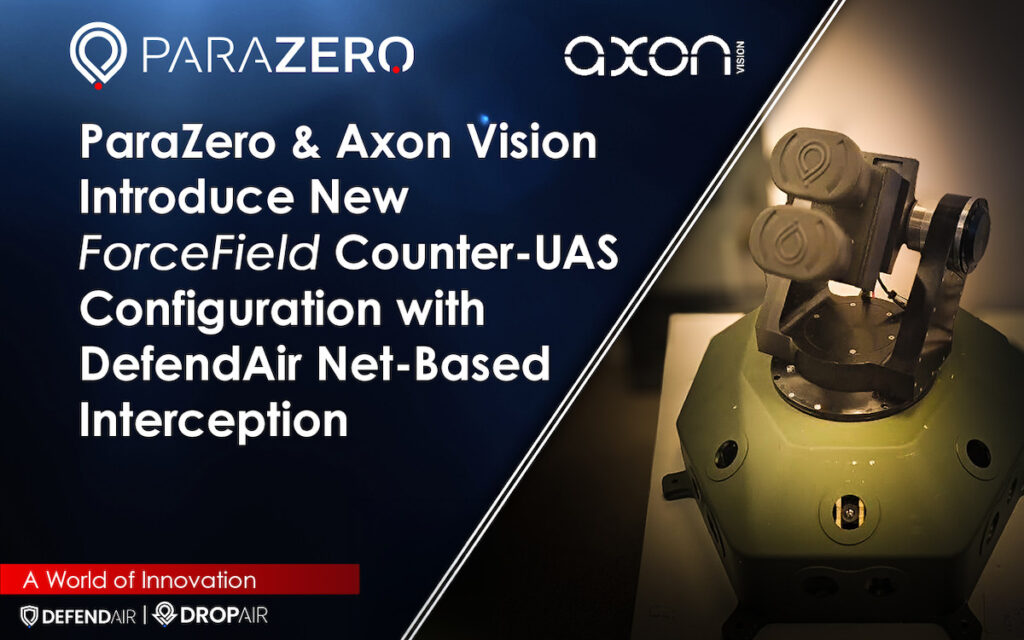
ParaZero Technologies and Axon Vision have integrated net-based physical interception with artificial intelligence threat analysis to offer a non-explosive drone defense architecture designed for sensitive critical infrastructure facilities
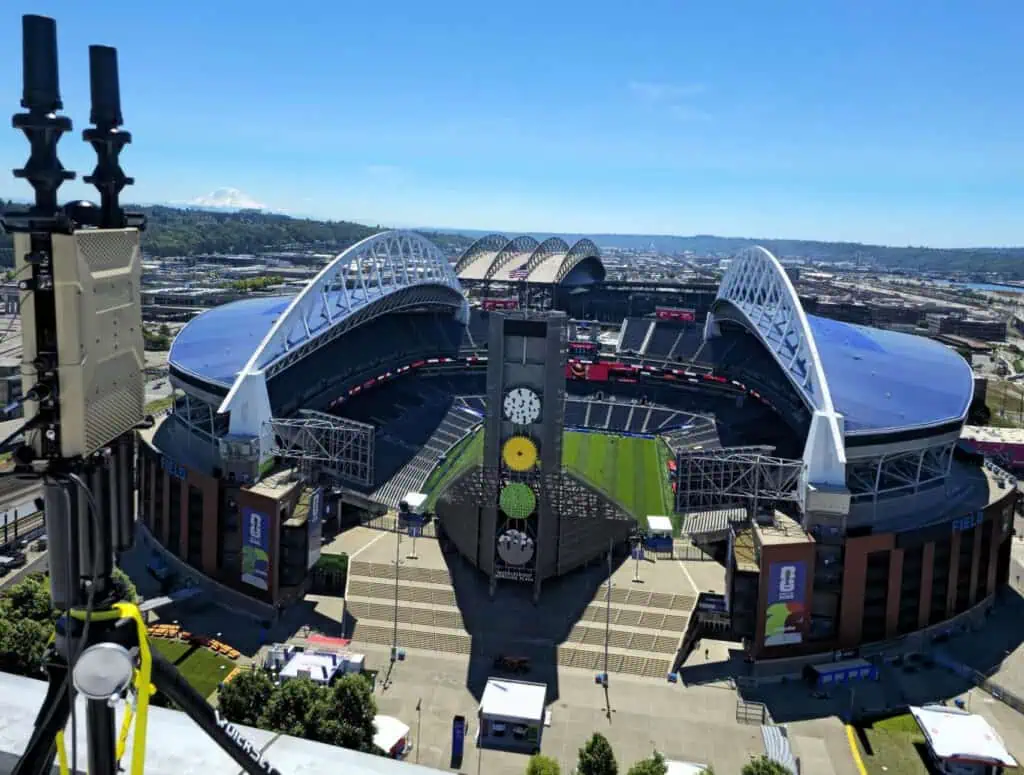
D-Fend Solutions deployed non-kinetic counter-drone tech with 20+ public safety agencies to protect World Cup matches, venues, and critical infrastructure across North America
Explore Motorola Solutions’ acquisition of D-Fend Solutions and the EnforceAir and EnforceAir2 RF cyber takeover systems advancing counter-drone airspace security capabilities
Danish security firm MyDefence has launched Boxer, a powerful multi-band electronic warfare system designed to neutralize hostile drone communication and autonomous navigation at ranges of up to 10 kilometers
The purchase orders support the integration of ParaZero’s DefendAir Net Pods into sensor-based autonomous platforms developed by two Counter-UAS companies
Following its exhibition at SOF Week 2026, a new non-explosive counter-UAS system from ParaZero successfully intercepted multiple fast incoming FPV drone threats during a live demonstration for international defense integrators
U.S. developer Hall Lidar Inc has launched the UDL-64, an AI-driven acoustic system designed to provide secure, undetectable 3D drone tracking for critical infrastructure
The University of Alabama has implemented D-Fend Solutions’ EnforceAir technology to secure its R1 research infrastructure and massive athletic venues against unauthorized drone activity
Apr 23, 2026
Advancing Unmanned Systems Through Strategic Collaboration
UST works with major OEMs to foster collaboration and increase engagement with SMEs, to accelerate innovation and drive unmanned systems capabilities forward.