Unauthorized drone activity in sensitive and restricted environments continues to present evolving operational challenges for security teams, emergency responders, and aviation authorities. Read more >>
D-Fend Solutions develops RF-cyber counter-drone technologies designed to address these complex scenarios while preserving operational continuity and minimizing disruption to surrounding systems. Recent events in Norwich provide a practical example of how persistent unauthorized drone activity can affect multiple critical sectors simultaneously and reinforce the need for structured counter-UAS preparedness.
Unmanned aerial systems have become valuable tools for inspection, surveillance, and emergency support applications. However, drone activity conducted without authorization, coordination, or with harmful intent introduces operational risks that extend well beyond isolated incidents. Recent analysis of drone activity trends indicates that unauthorized operations increasingly involve recurring behaviors and repeat patterns, creating challenges for traditional approaches to counter-drone response.
The Norwich incidents illustrate how a single drone operator was able to repeatedly conduct flights across several protected environments, creating challenges that spanned emergency response operations, correctional infrastructure, and controlled airspace. Rather than representing a standalone event, the activity highlighted vulnerabilities that can affect multiple sectors at once.
How Unauthorized Drone Operations Affect Critical Infrastructure
Unauthorized drones can create very different operational consequences depending on the environment involved, but common themes emerge around safety, continuity, and maintaining control of airspace.
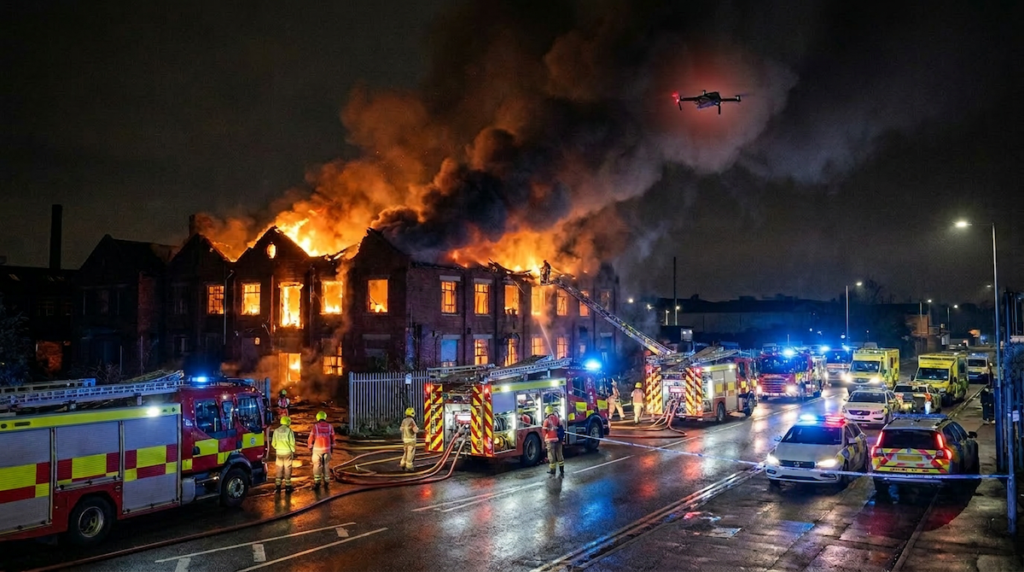
In emergency response settings, unapproved aerial activity can disrupt large-scale incidents and coordinated response efforts. During active operations involving multiple agencies, command personnel rely heavily on situational awareness and access to airspace. Unauthorized drones may interfere with approved aviation assets, obstruct visibility, or delay deployment of aerial resources used by first responders. The resulting effects can extend beyond the immediate incident, impacting response timelines and personnel safety.
Correctional facilities encounter a different type of challenge. Commercial drone platforms have increasingly created new pathways for contraband delivery by providing direct access over secure boundaries. Traditional security systems are generally designed to address threats entering through ground access points rather than airborne routes. Unauthorized drone deliveries can bypass established security procedures and contribute to broader concerns involving institutional safety and organized criminal activity.
Airports face similarly complex risks, where both inadvertent operator mistakes and intentional interference may create consequences for passenger safety and operational continuity. Even small airborne objects operating close to active flight paths can require rapid coordination among multiple aviation stakeholders. Precautionary actions may include runway inspections or modifications to air traffic operations, each carrying operational and economic implications.
Across all three sectors, maintaining continuity while safely addressing unauthorized drone activity remains a central challenge.
The Norwich Incident Series
On January 20, 2025, emergency responders attended a large industrial fire at a disused factory on Dibden Road in Norwich. Police, fire, and ambulance teams coordinated a prolonged operation involving significant resources and tactical management. During the response, Christopher McEwen reportedly flew a DJI Mavic 3 Pro Cine drone on three separate occasions over the active incident scene.
Authorities later identified the flights as part of a larger pattern of activity. Investigators documented 44 drone operations between January and June, revealing repeated flights in restricted and protected areas. Additional activity included operations over HMP Norwich and multiple flights conducted within the Norwich Airport Flight Restriction Zone. According to authorities, 33 of the documented flights occurred within protected environments.
In February 2026, McEwen appeared before Norwich Magistrates Court and pleaded guilty to multiple charges. Law enforcement personnel described the prosecution as the first conviction involving drone operations conducted over an active emergency response. The case may represent a broader shift toward stronger enforcement as regulatory frameworks and operational procedures continue to mature.
Operational Considerations for Counter-Drone Professionals
The Norwich case demonstrates that unauthorized drone activity can create interconnected challenges requiring responses tailored to specific environments.
Emergency aviation assets such as air ambulances, police helicopters, and firefighting aircraft often operate under compressed timelines and elevated risk conditions. The appearance of an unauthorized drone may force commanders to assess collision risk and potentially pause aerial activity until the area can be secured.
For airports, reaction windows are similarly limited. Drone sightings may trigger immediate precautionary actions involving flight operations and air traffic coordination.
Correctional institutions face ongoing challenges because perimeter defenses traditionally focus on surface access points rather than aerial approaches. Drone-enabled deliveries create security gaps that can affect institutional order and personnel safety.
These examples point toward a shared requirement: counter-drone capabilities must protect personnel and infrastructure while avoiding additional operational disruption.
Non-Kinetic RF-Cyber Approaches for Sensitive Environments
Environments such as emergency scenes, prisons, and airports often require mitigation methods that avoid introducing new risks into already complex operational conditions. Non-kinetic, cyber-based takeover technologies offer one approach by enabling controlled outcomes without creating additional airborne hazards or interfering with surrounding communication systems.
From an operational standpoint, the objective extends beyond stopping unauthorized drones. Effective counter-drone strategies support continuity by enabling detection, identification, and controlled mitigation while maintaining access for approved systems and preserving communications used by response teams.
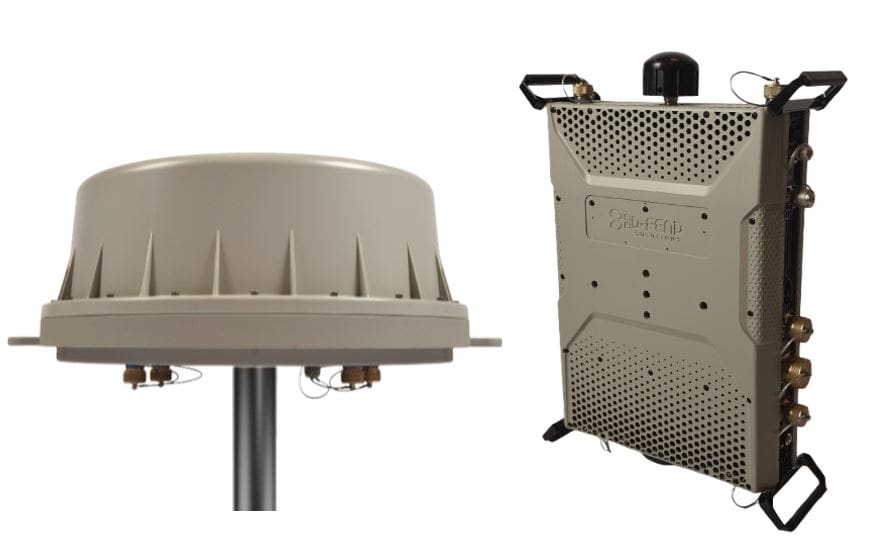
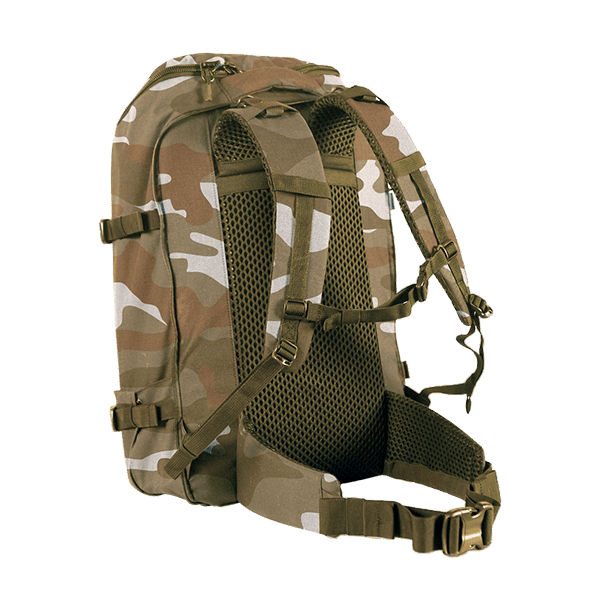
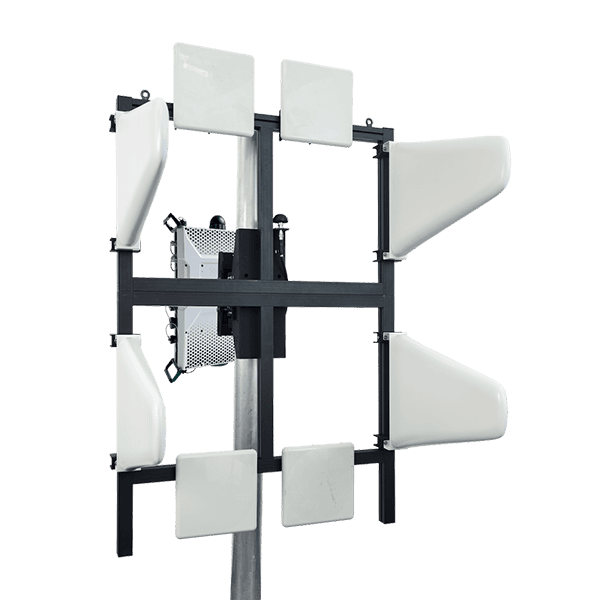
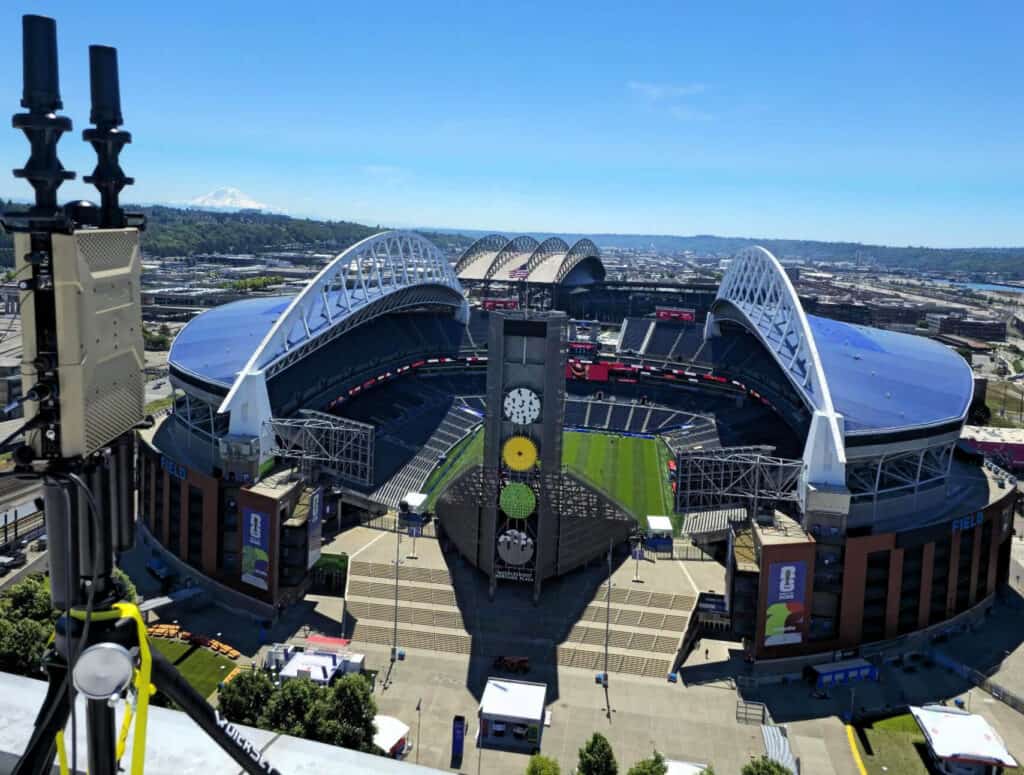
D-Fend Solutions developed its EnforceAir portfolio around these principles. EnforceAir2 provides RF-cyber detection and takeover capability in a compact platform designed for multiple deployment approaches, including tactical kits, vehicle installations, stationary configurations, and backpack-based operation. EnforceAir PLUS expands coverage through integration of RF-cyber functionality, radar capability, and an optional smart RF-effector layer coordinated through the SmartAir AI-powered fusion engine to create a layered airspace view.
Across these configurations, the underlying objective remains consistent: protect communications, preserve approved drone activity, and deliver controlled outcomes without creating secondary operational impacts. For organizations responsible for emergency response, airport security, and correctional operations, the Norwich incidents present an opportunity to reassess preparedness and evaluate how advanced counter-drone technologies can support long-term operational resilience.
Read Unauthorized Drone Operations in Critical Areas: Lessons from the Norwich Incident.