If you design, build or supply ADS-B Avionics for Drones & UAVs, create a profile to showcase your capabilities and connect with visitors who have an active requirement for your solutions.
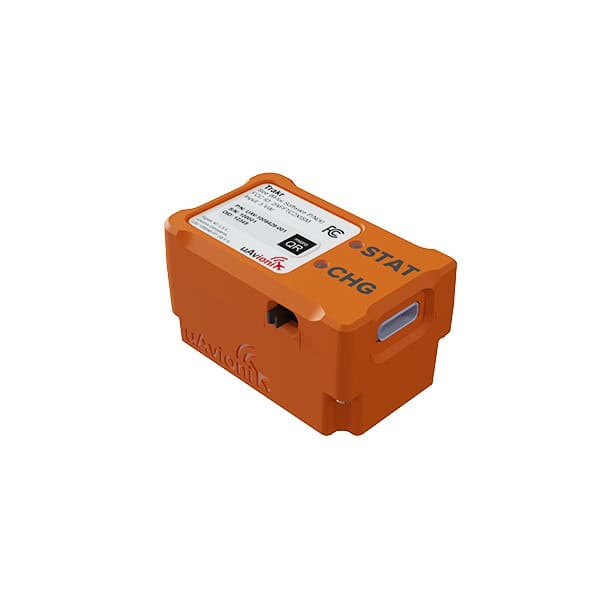
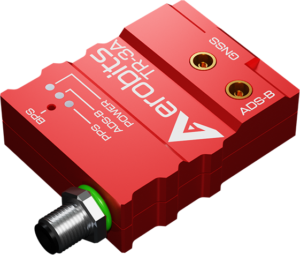
Secure, lightweight UAS tracking system with integrated ADS-B awareness
Secure, lightweight UAS tracking system with integrated ADS-B awareness
...rges real-time drone positions with ADS-B aircraft data into a single intuitive interface, giving... ... ultra-compact drone tracking solution engineered to deliver secure position telemetry for uncrewed...
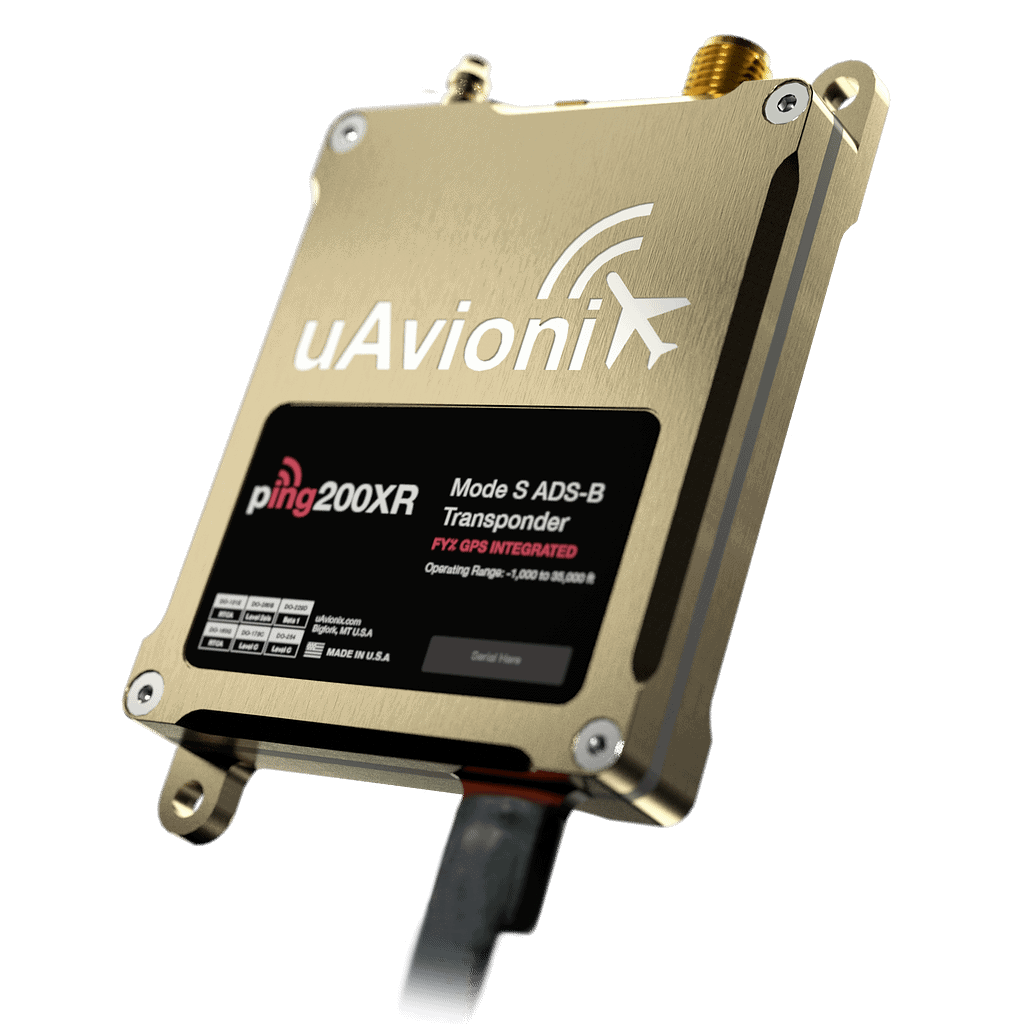
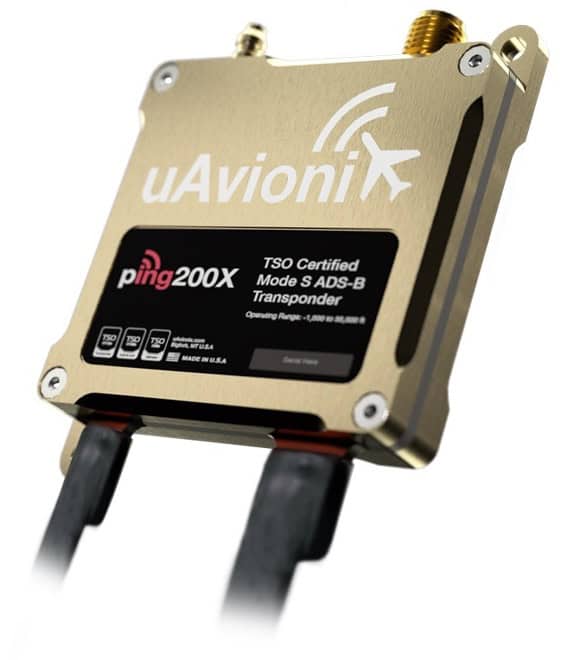
Ultra-lightweight Mode S ADS-B transponder for compact UAVs
Ultra-lightweight Mode S ADS-B transponder for compact UAVs
...ing20Si Mode S ADS-B transponder is purpose-built to meet the demanding requirements of professional... ...across diverse drone platforms operating in airspace with stringent visibility and safety...
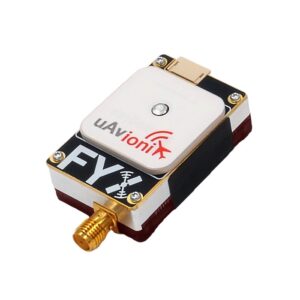
Dual-link ADS-B transceiver for sUAS with integrated GPS & barometric sensing
Dual-link ADS-B transceiver for sUAS with integrated GPS & barometric sensing
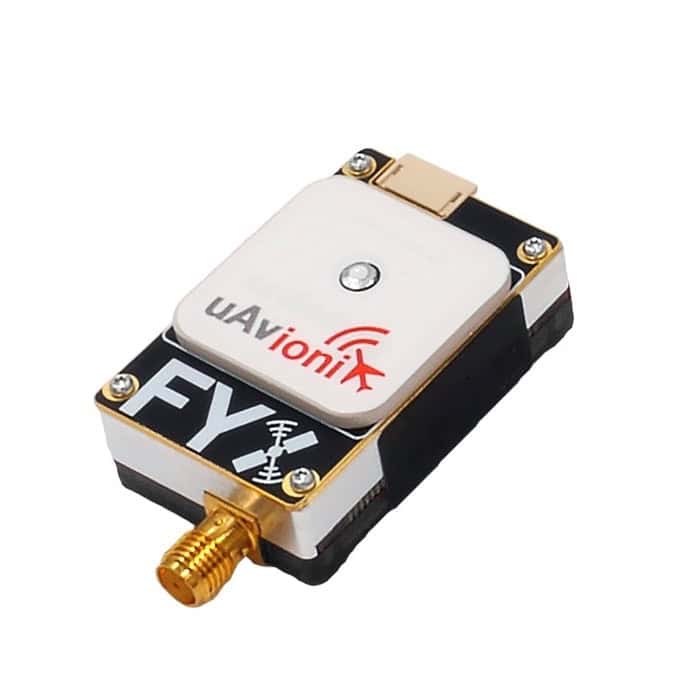
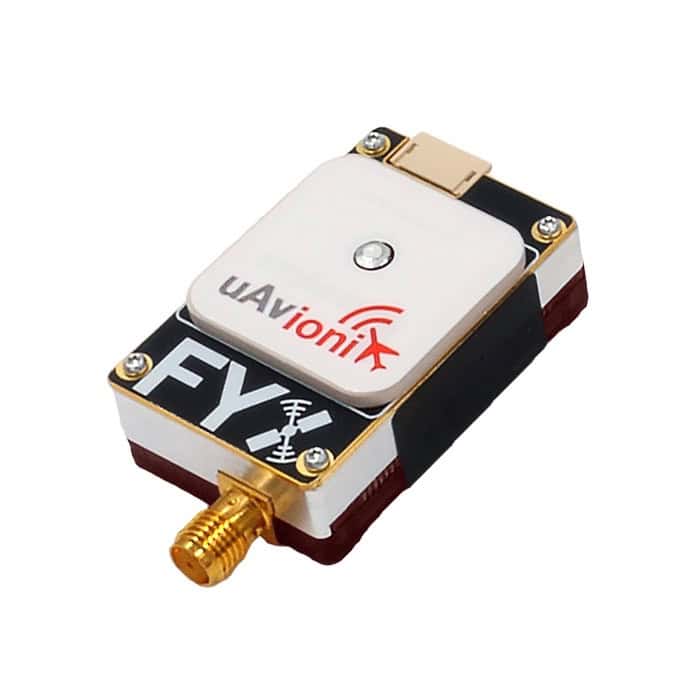
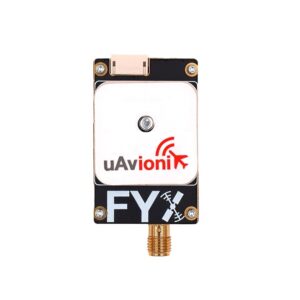
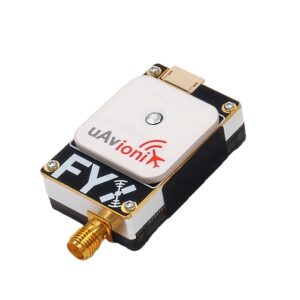
The ping1090i by uAvionix is a lightweight, high-performance ADS-B transceiver purpose-built for... ... international drone deployments. Native support for Mavlink and GDL 90 protocols ensures seamless...
Ultra-compact ADS-B receiver for UAS traffic awareness & integration
Ultra-compact ADS-B receiver for UAS traffic awareness & integration
...o is a compact ADS-B receiver designed for civil and commercial unmanned aircraft systems, providing... ...cts and tracks ADS-B-equipped aircraft at distances of up to 100 km from the unmanned aircraft,...
ADS-B (automatic dependent surveillance—broadcast) is a tracking technology for manned and unmanned aircraft that has been introduced as a potential replacement for secondary surveillance radar in air traffic control, as well as a method for integration of drones into manned airspace and a component of UTM (unmanned traffic management) systems.
ADS-B consists of two separate components, ADS-B In and ADS-B Out. A UAV equipped with ADS-B Out capabilities first needs to obtain its precise position using a GPS or other GNSS receiver. This position can then be periodically broadcast via ADS-B Out, along with other information such as identification, velocity and altitude. ADS-B In is the reception of this broadcasted information by other aircraft using an ADS-B In receiver.
ADS-B data links operate on frequencies of either 1090 MHz or 978 MHz. The 978 MHz data link is currently only used in the U.S., as part of a technology known as Universal Access Transceiver (UAT). UAT is used by aircraft operating below an altitude of 18,000 feet.
ADS-B Transponders, Receivers, Transceivers & Transmitters for Drones/UAVs
ADS-B transmitters can broadcast a drone’s position and other information, thus fulfilling ADS-B Out, requirements, whereas ADS-B receivers can receive this information from other aircraft as part of ADS-B In. Many small drones that have been fitted with ADS-B functionality are equipped with ADS-B In only, allowing them to receive information in real time about nearby drones and other aircraft and act on this information as part of a sense-and-avoid strategy.
ADS-B transceivers both transmit and receive at the same time, thus providing a drone with both ADS-B In and ADS-B Out functionality. ADS-B drone transponders also transmit and receive, but the output signal is automatically emitted only in response to an incoming interrogation signal, making it in essence an automated transceiver.
ADS-B Ground Stations
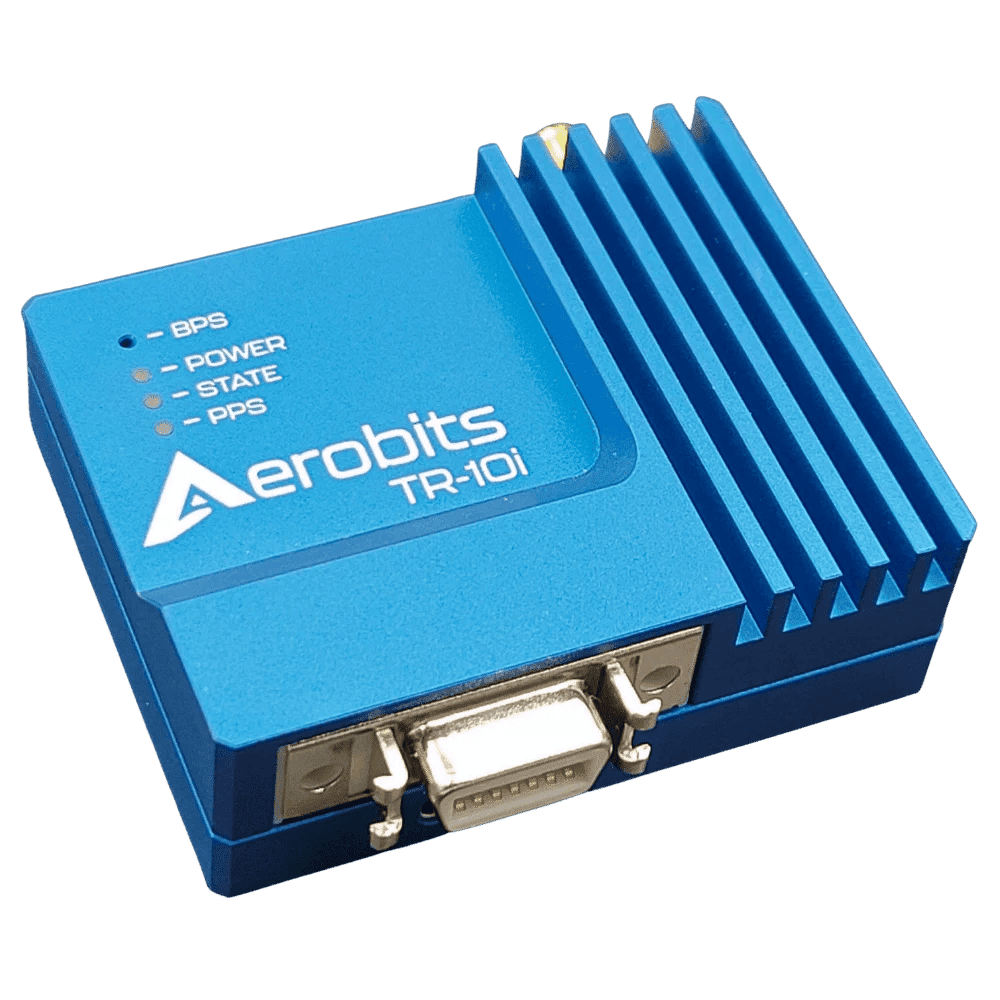
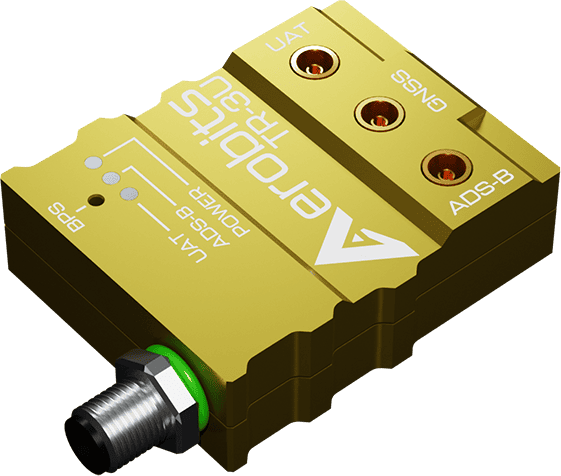
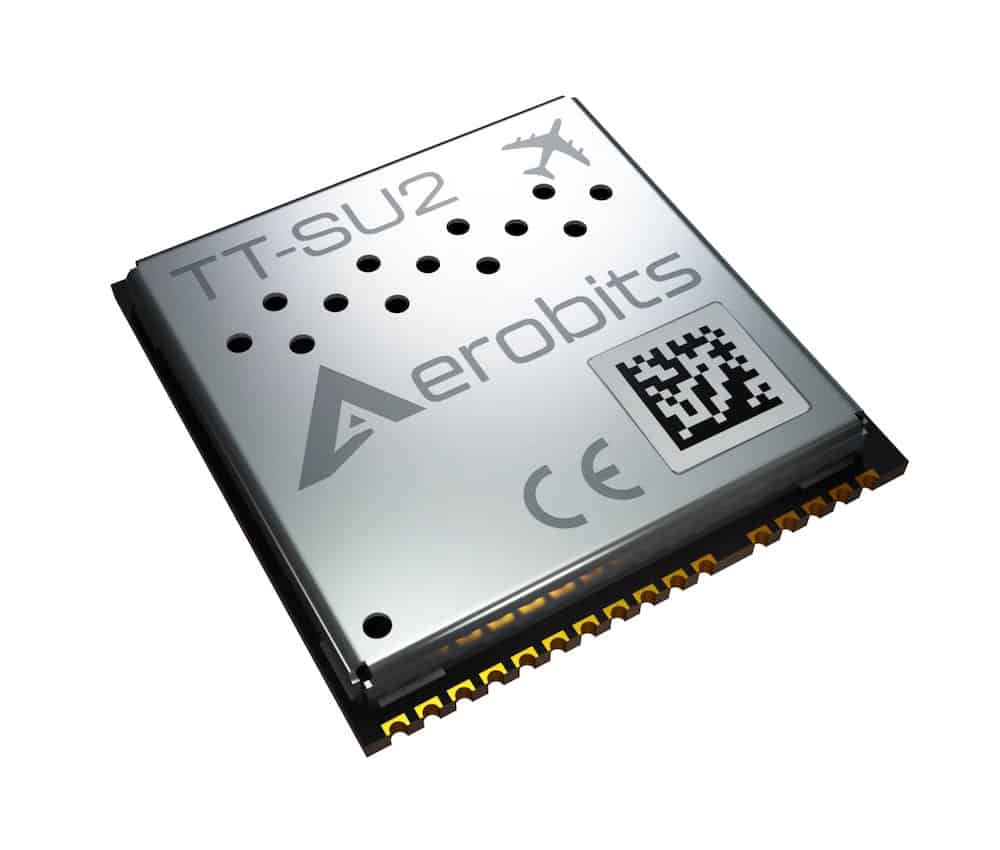
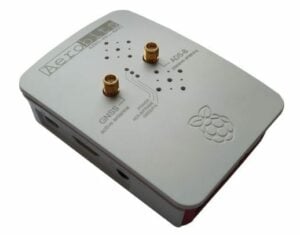
Aerobits ADS-B ground station receiver
Although ADS-B In-equipped UAVs can directly “see” aircraft broadcasting ADS-B Out signals, and so ADS-B does not require ground-based infrastructure, the range of such interactions is limited. Coverage can be extended by the use of ground stations.
ADS-B ground stations are fixed sites equipped with ADS-B receivers for monitoring the ADS-B Out transmissions of drones and other aircraft. While ADS-B ground stations can be used to passively observe or record this information, they are usually used to relay to other ground stations or air traffic control centres.
A network of ADS-B ground stations can thus be used as a national airspace solution, providing extensive coverage and real-time information on the position, speed and heading of UAVs and other aircraft for greater situational awareness.
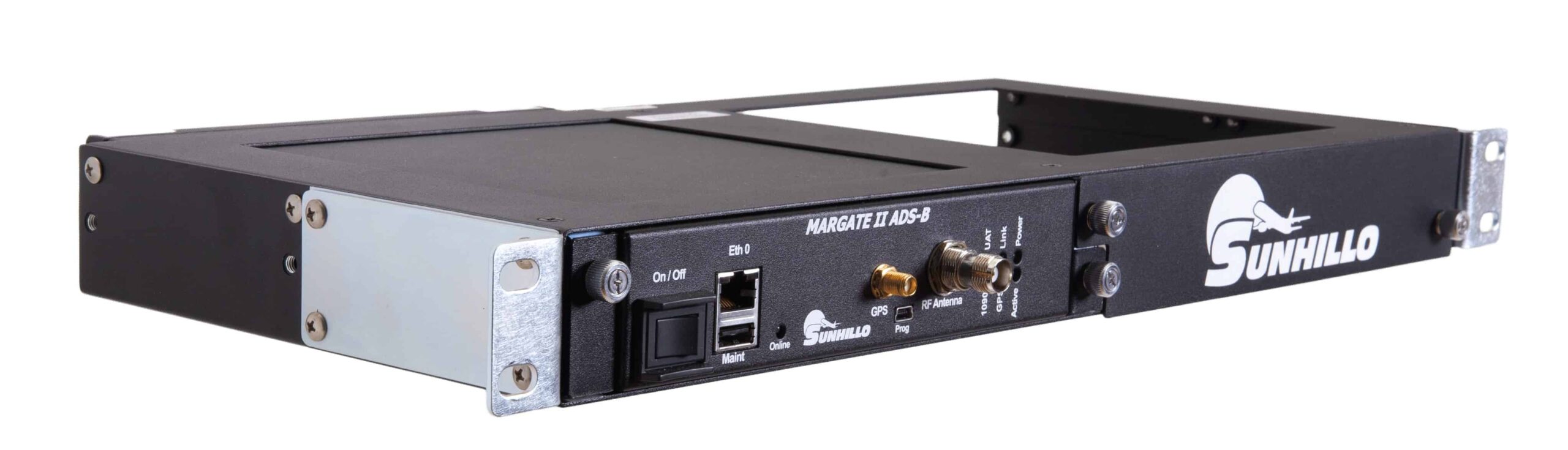
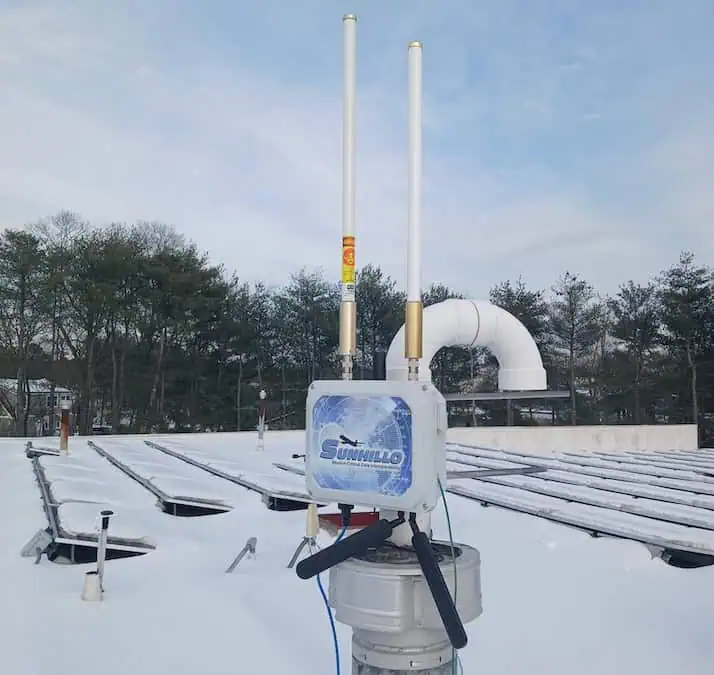
In this Q&A, Sunhillo explains how ADS-B receiver technology can help UAS operators improve situational awareness during BVLOS missions, supporting UTM, detect-and-avoid, and controlled airspace integration
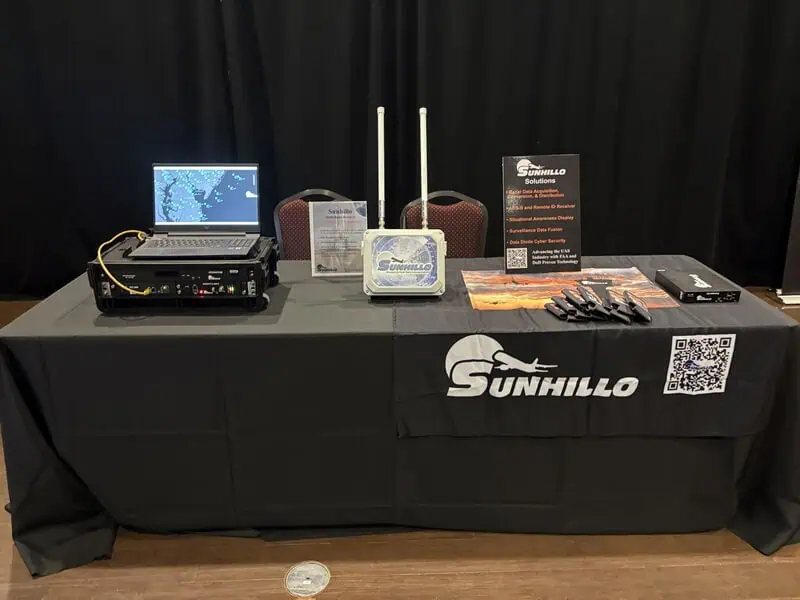
Sunhillo Corporation will exhibit at Airspace World 2026 in Lisbon, showcasing trusted surveillance data systems supporting global air traffic management, UAS integration, and secure airspace operations
Aerobits has officially partnered with the European Association for Unmanned Aviation to influence regulatory standards and drone integration across the continent
Aerobits has launched the GS3L, a configurable multi-channel receiver station designed for comprehensive monitoring of manned and unmanned air traffic, supporting ADS-B, FLARM, ADS-L and Remote ID
Embention’s UAM Academy course explains the key differences between Remote ID and ADS-B, highlighting their roles in enabling safe, compliant, and autonomous drone operations
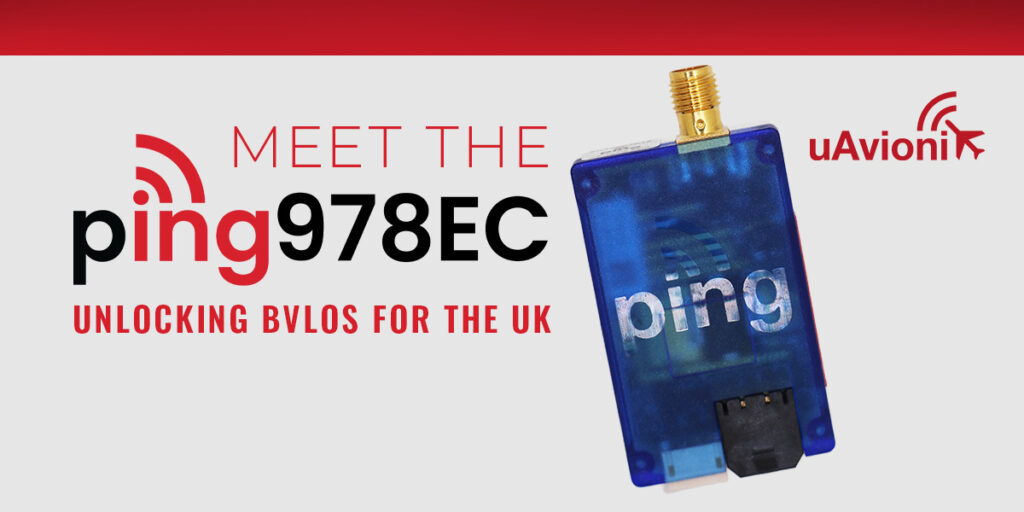
uAvionix's new ping978EC 978MHz UAT transceiver offers a low-weight solution for UK drone operators to meet electronic conspicuity requirements without the need for ICAO address applications
uAvionix highlights its skyAlert device and how it improves situational awareness and safety in BVLOS operations, offering reliable, real-time alerts in remote areas
Sunhillo Corporation has joined ResilienX on the MICH-AIR BVLOS System program, delivering cloud-based SureLine surveillance fusion of radar and ADS-B for crewed and autonomous aircraft operations
Aerobits explores the operating principles of U-Space, showing how its SWaP-friendly technologies support Remote ID, ADS-B, and FLARM for drones, while enabling airspace monitoring, situational awareness, and integration with ground infrastructure
Dec 19, 2025
Advancing Unmanned Systems Through Strategic Collaboration
UST works with major OEMs to foster collaboration and increase engagement with SMEs, to accelerate innovation and drive unmanned systems capabilities forward.